

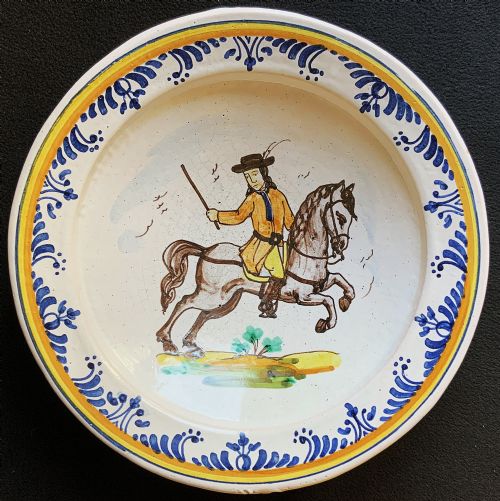


Decorative Serving Dish
A decorative serving dish brings tactile history to the table, spanning centuries of porcelain, pottery, copper, and silver craftsmanship.
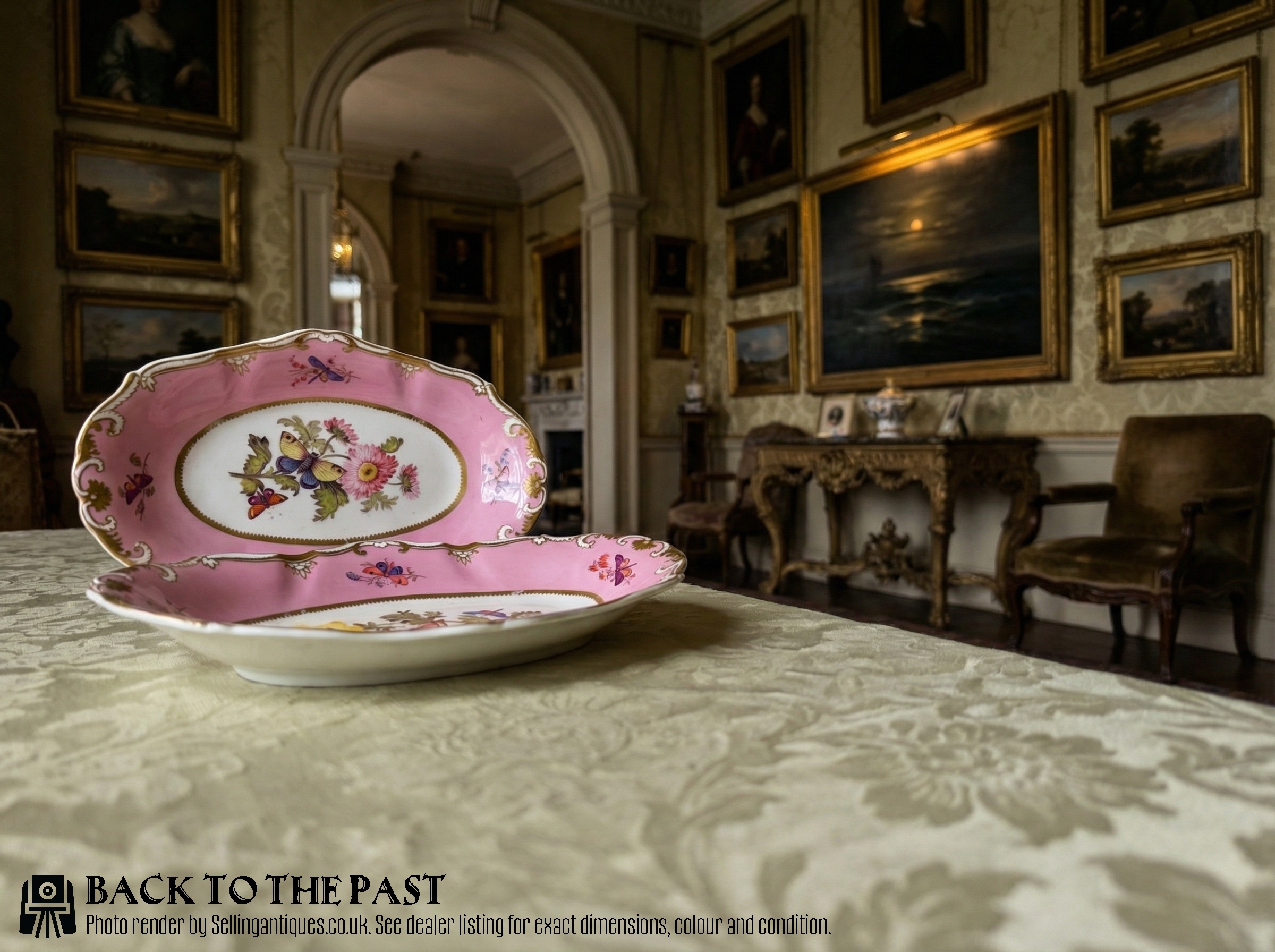
Decorative Serving Dish
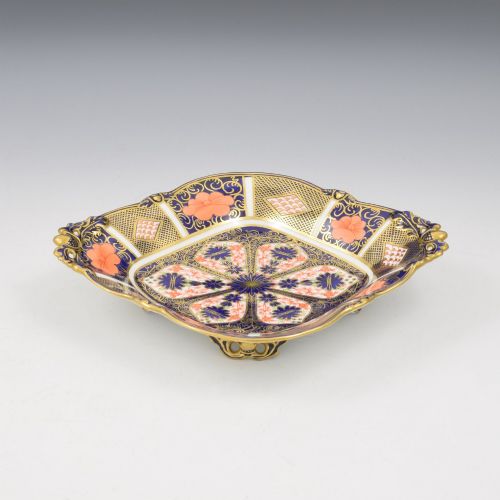
A decorative serving dish encompasses everything from generous platters and chargers to substantial centrepiece bowls and cabinet dishes designed for display or dining. The selection includes fine porcelain wares from English factories alongside robust earthenware, Japanese Imari chargers, and heavy copper trays.
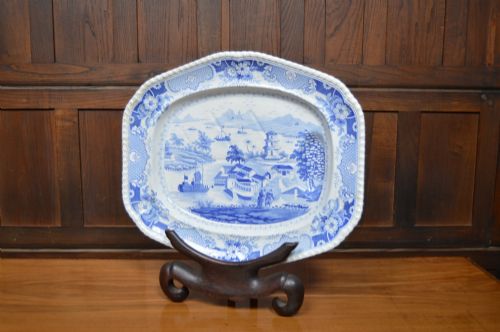
The periods represented stretch from the eighteenth century through the Georgian and Victorian eras into the twentieth century, taking in Edwardian cut glass and Art Deco silver plate. Buyers frequently encounter nineteenth-century transferware platters alongside Japanese ceramic bowls and French faience.
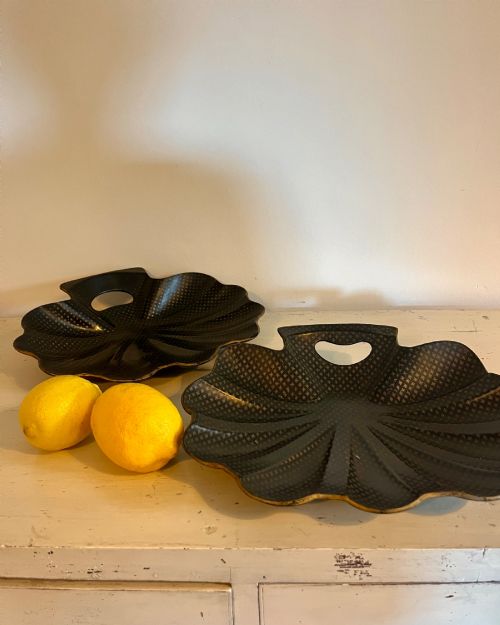
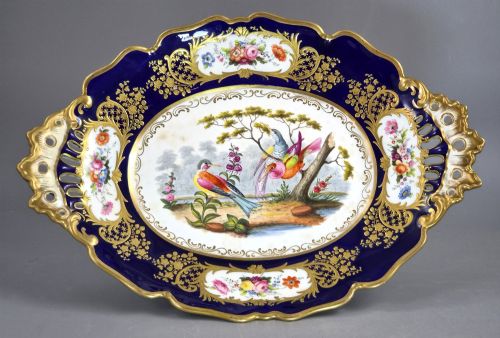
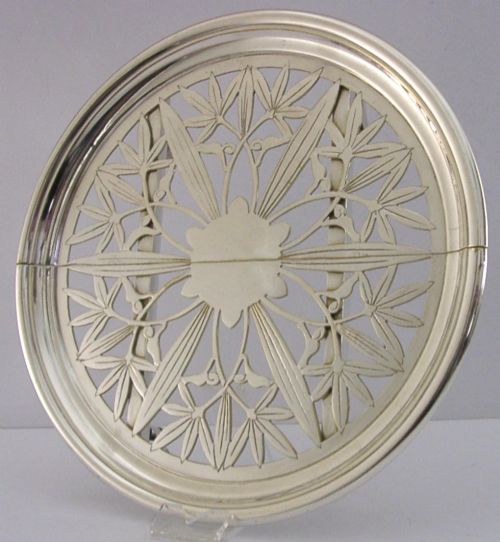
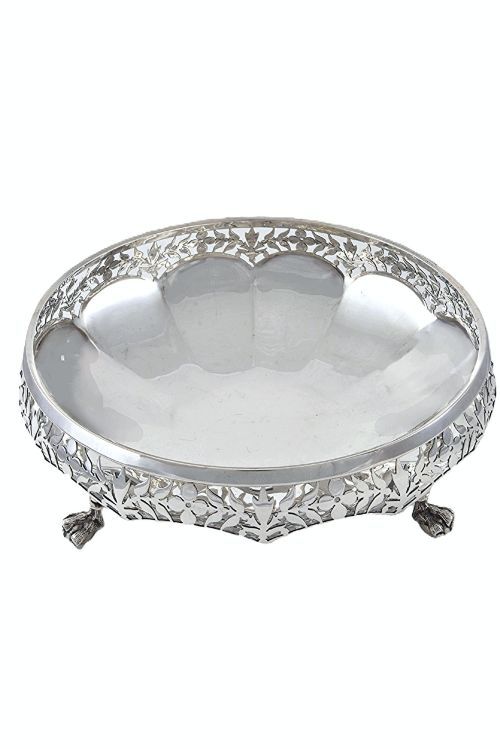
Forms range from simple oval dishes and circular trays to pierced serving dishes and twin-handled vessels. Each piece reflects the functional dining habits and aesthetic preferences of its particular decade.
How they were made
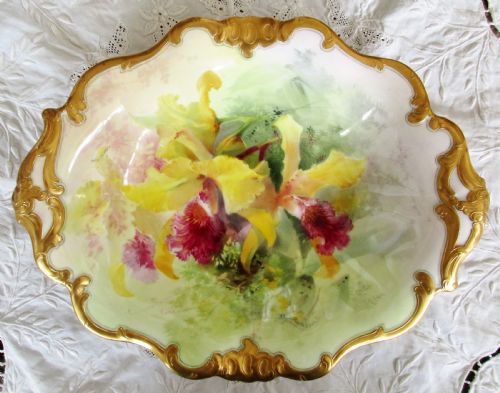
Pottery and porcelain pieces rely on traditional throwing or moulding techniques, finished with hand-painted or transfer-printed decoration underglaze and overglaze. Factories employed cobalt blue, polychrome enamels, and gilding to bring depth to porcelain surfaces.
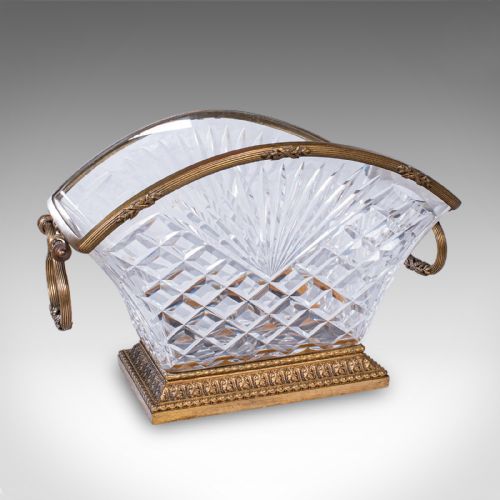
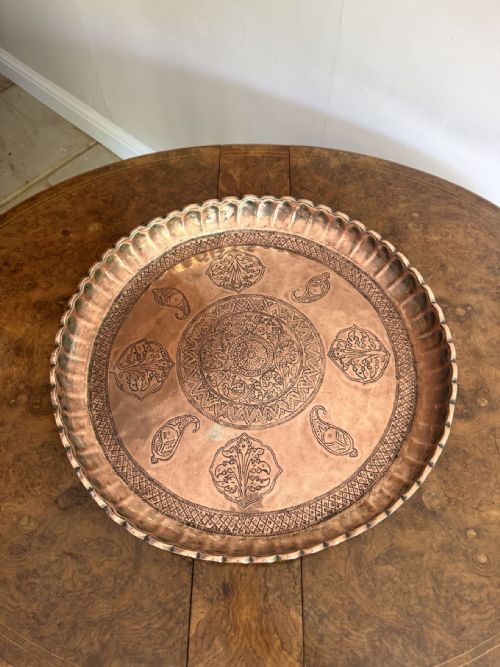
Metal vessels utilise hammering, engraving, and casting, particularly in copper, brass, and silver plate. Makers of trays and stands combined mixed metals or applied ormolu mounts to glass bowls for varied texture.
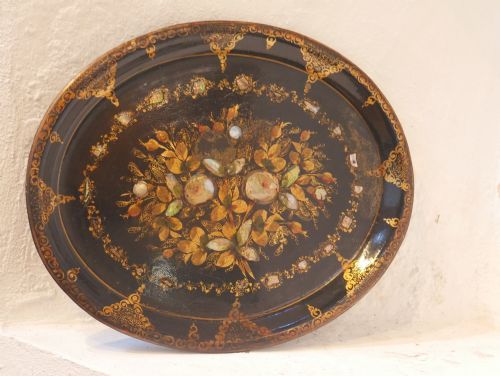
Papier-mâché and lacquered wooden pieces required multiple layers of drying and polishing to achieve a smooth foundation for painted scenes.
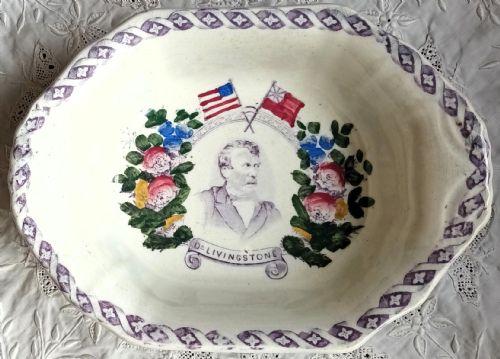
Nineteenth-century explorers occasionally found themselves commemorated on pottery dishes alongside local flora.
What varies in quality
Quality rests in the crispness of the hand-painting and the depth of the glaze or metalwork. Superior porcelain displays finely registered polychrome enamels and clear transfer printing without blurring or pooling.
In metal and glass items, the weight of the silver plate or copper and the precision of the cut crystal separate standard domestic wares from exceptional display pieces. Maker attribution and signed works also distinguish finer examples.
Royal Crown Derby·Coalport·Christofle·Royal Doulton·Mann Co·Spode·Chamberlain s Worcester·Doulton Lambeth·Mason s·Tiffany Co·Elkington Co·Gien
The Decorative Serving Dish Glossary
- Charger
- A large ornamental plate or dish, often used as a base for other courses or displayed upright on a sideboard. They appear in earthenware, metal, and porcelain.
- Transferware
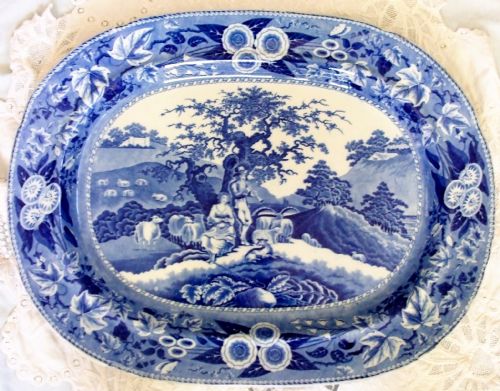
- Pottery or porcelain decorated by applying a printed design from an engraved copper plate onto tissue paper, which is then transferred onto the ceramic body before glazing. Blue and white examples are particularly common in nineteenth-century pieces.
- Imari
- A style of Japanese porcelain featuring a palette of iron red, cobalt blue, and gold, widely exported and later copied by English and European factories. The style is characterised by dense floral and bird motifs.
- Faience
- Tin-glazed earthenware produced in France, Spain, and other European regions. It provides an opaque white surface suitable for hand-painted polychrome decoration.
- Comport
- A raised dish or bowl used for serving fruit or dessert on the dining table. They frequently appear in stoneware, ironstone, and glass from the nineteenth century.
Decorative Serving Dish: Frequently Asked Questions
How were these dishes used originally?
These dishes served practical roles at the dining table for meat platters, fruit, or vegetables, while larger chargers and cabinet dishes were meant for display on sideboards.
Over time, many shifted from active dining service to decorative wall mounting or centrepiece display.
Can I use antique serving dishes for food?
Most antique ceramic and silver-plated dishes remain suitable for serving dry foods, though crazed earthenware or worn silver plating requires careful hand washing.
Porcelain and glazed stoneware are generally robust enough for occasional modern dining use.
How do I date an earthenware platter?
Dating relies on the style of the transfer print, the colour palette, and the makers mark stamped or painted on the underside.
Transferware patterns and ceramic body types changed noticeably between the Georgian and Victorian periods.
What is the difference between a charger and a bowl?
A charger is a flat or shallow large plate designed to sit beneath smaller tableware or to stand vertically on display.
Centrepiece bowls have deep vertical walls intended to hold fruit or floral arrangements in the middle of a table.