




Polychrome Export Bowl
A polychrome export bowl brings vibrant palettes and historic craftsmanship into a room, offering a tangible link to centuries of global trade.
Polychrome Export Bowl
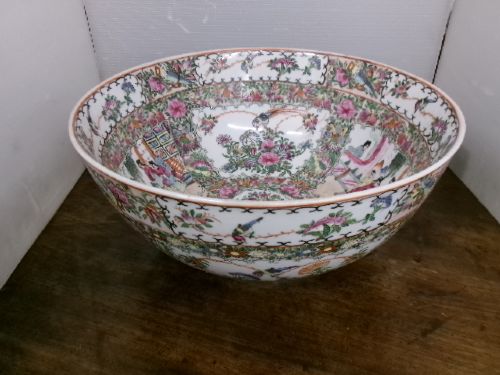
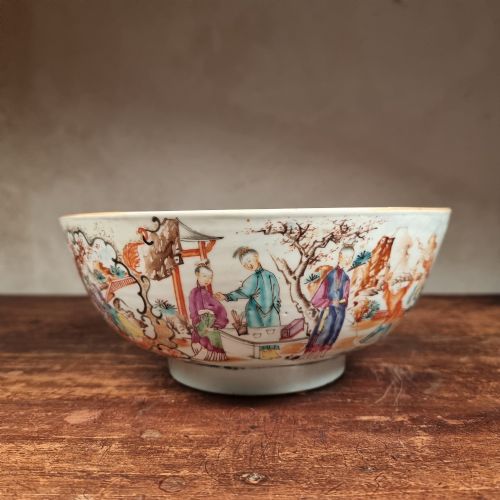
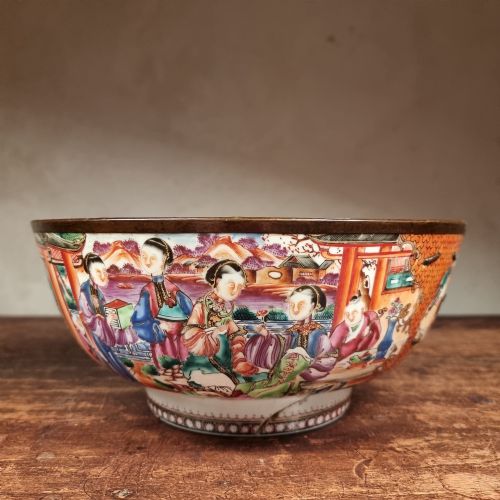
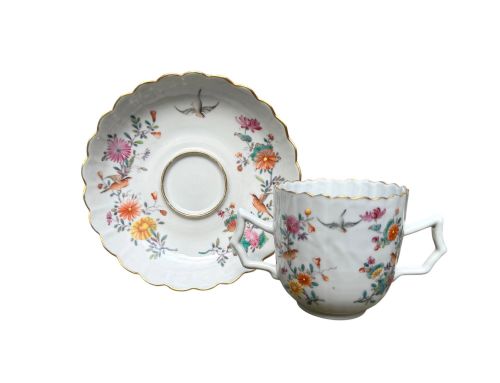
When you examine a polychrome export bowl, you are looking at ceramic vessels made in China specifically for overseas markets during periods such as the Qing Dynasty and the Victorian era. These pieces range from compact tea bowls and saucers to large punch bowls and centrepiece bowls designed for display and serving.
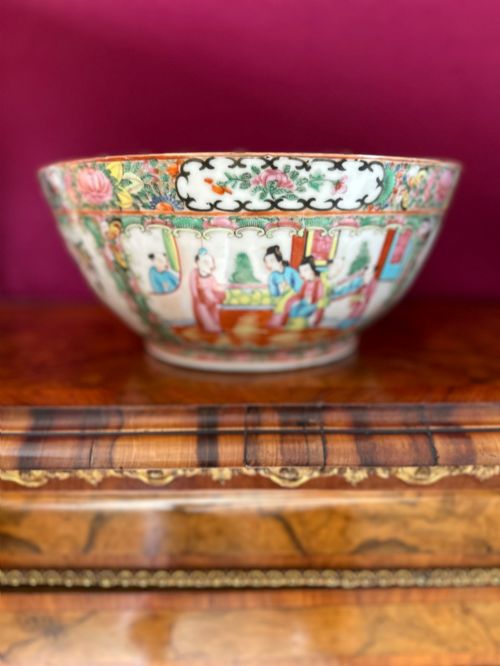
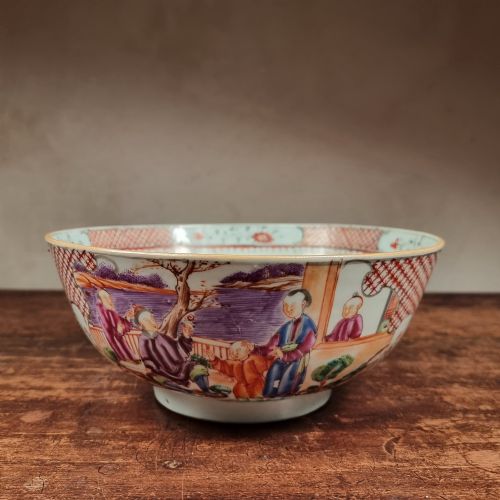
The most common examples encountered on this page belong to the nineteenth century, particularly Cantonese productions featuring hand-painted enamel decoration. You will also find eighteenth-century Qianlong period items alongside earlier Ming Dynasty Swatow wares, showing a deep lineage of ceramic manufacture.
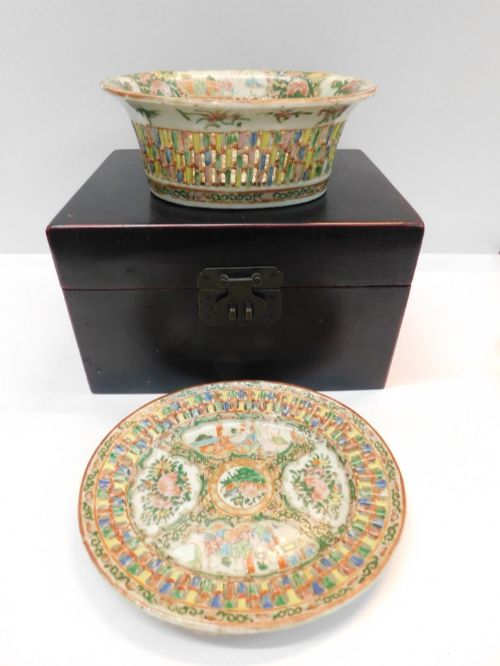
Forms extend beyond standard circular vessels to include pedestal dishes, reticulated chestnut baskets with stands, and specialised tea services. Each variant demonstrates the adaptability of Chinese kilns to European and global aesthetic demands across successive generations.
Materials and construction
The foundation of every piece is hard-paste porcelain or ceramic, shaped by hand or on a wheel before receiving initial cobalt blue underglaze details where applicable. Artisans then applied complex overglaze enamels by hand, using a rich spectrum of colours to build up intricate narrative, floral, or geometric compositions.
Many examples incorporate gold leaf, gilt, or brass mounts to enhance the visual weight of the ceramic body. Metal ormolu mounts appear on specific nineteenth-century pieces, fusing Eastern porcelain manufacture with Western decorative metalwork techniques.
Materials recorded across the inventory include hard-paste porcelain, overglaze enamel, gold leaf, ormolu, and brass mounts.
Judging execution and finish
Quality rests in the precision of the hand-painting and the complexity of the enamel palette applied to the porcelain body. Superior pieces display crisp, disciplined brushwork in the depiction of figures, foliage, and medallions, whereas lesser examples show hurried application and blurred lines.
The physical weight and translucency of the ceramic also differentiate the tier of manufacture, with eggshell porcelain demonstrating exceptional technical control at the kiln. Furthermore, the crispness of gilding and the integration of any metal mounts reveal the original patron's budget and the workshop's standing.
The Polychrome Export Bowl Glossary
- Famille rose
- A palette of opaque overglaze enamels dominated by pink or rose colours, introduced during the Qing Dynasty. This scheme allowed for subtle tonal gradations in floral and figural subjects.
- Mandarin palette
- A style of Chinese export porcelain decoration featuring detailed human figures engaged in domestic or court scenes, framed by elaborate borders.
- Rose medallion
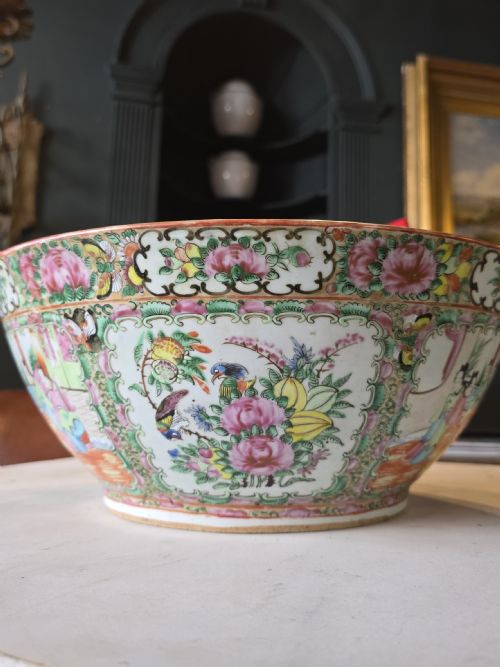
- A compartmentalised decorative scheme featuring alternating panels of birds, flowers, and figures filled with vibrant enamel colours. This layout became a hallmark of nineteenth-century Cantonese export wares.
- Overglaze enamel
- Pigments fused to the already fired and glazed porcelain surface through a secondary low-temperature kiln firing. This technique provides the bright exterior colours characteristic of these vessels.
- Reticulated
- Pierced or openwork ceramic design forming intricate lattice patterns, often seen on baskets and stands designed to allow ventilation for foodstuffs.
- Swatow
- A broad category of sixteenth and seventeenth-century Chinese export ceramics produced in Guangdong province for Southeast Asian and Japanese markets, known for spirited, freehand brushwork.
Polychrome Export Bowl: Frequently Asked Questions
How were these large punch bowls used historically?
Large punch bowls sat centrally at dining tables during social gatherings to mix and serve communal drinks.
Servants filled them with wine, spirits, water, fruit, and spices before guests ladled the mixture into individual cups.
How can I tell an eighteenth-century bowl from a nineteenth-century one?
Examine the palette, weight, and painting style closely under good natural light.
Eighteenth-century Qianlong pieces typically exhibit finer, more controlled potting and delicate enamel work, while nineteenth-century Canton wares often feature denser, brighter rose medallion or mandarin panelling.
Can I display fruit in a heavy ceramic bowl?
Dry fruit sits safely within robust nineteenth-century centrepiece bowls without causing structural harm.
Avoid placing wet or acidic produce directly against older enamels for prolonged periods to prevent surface marking.