

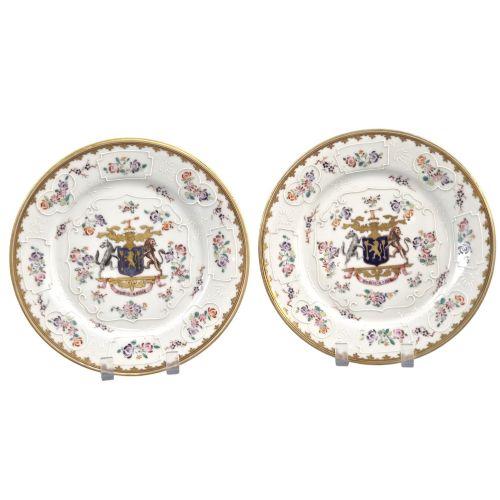


Polychrome Ceramic Display Plate
A polychrome ceramic display plate brings vibrant hand-painted colour to a wall or cabinet, spanning centuries of European and Asian kiln traditions.
Polychrome Ceramic Display Plate
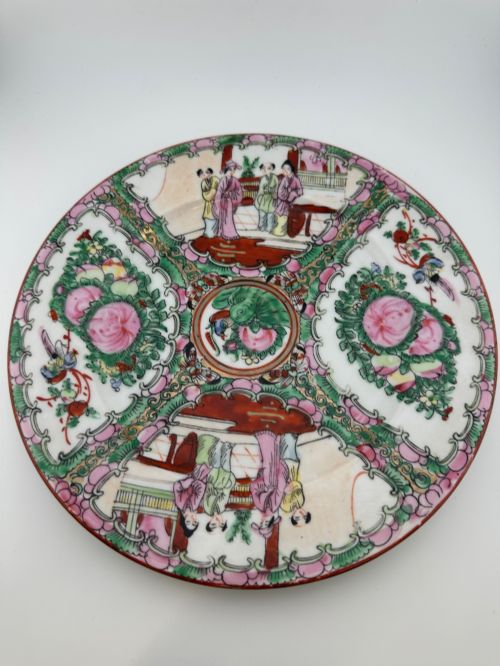
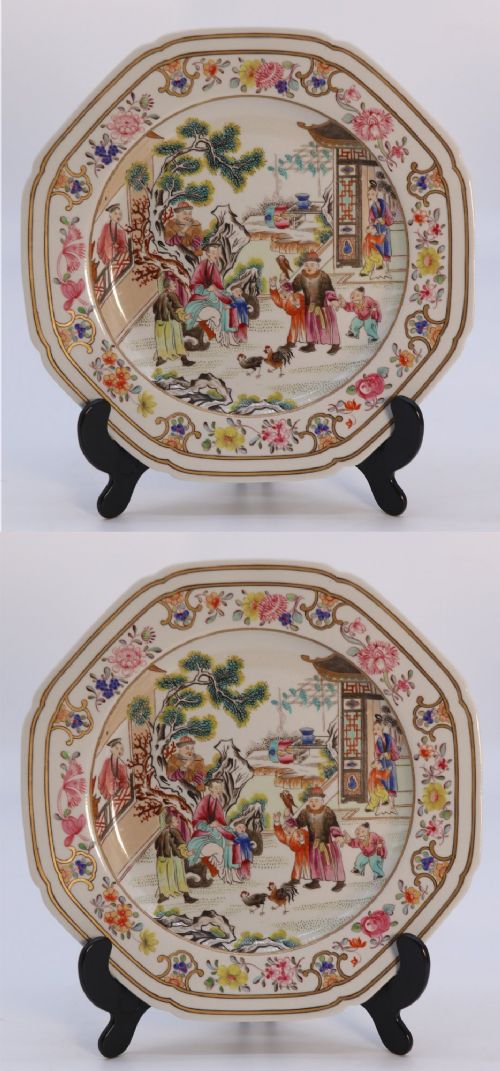
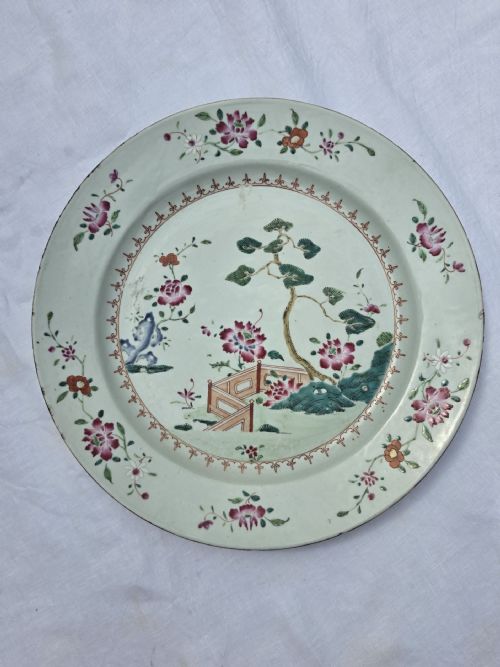
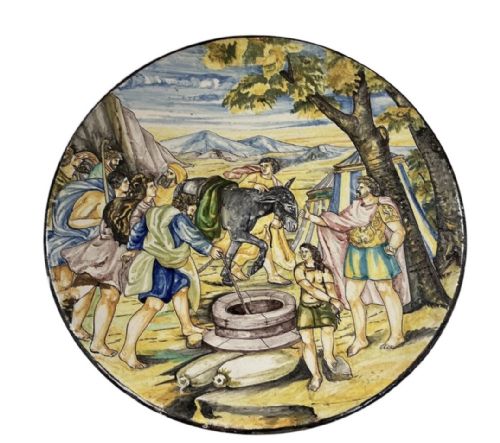
A polychrome ceramic display plate encompasses decorative chargers, cabinet plates and wall dishes produced across the eighteenth, nineteenth and early twentieth centuries. These pieces were made primarily for display rather than dining, serving as visual centrepieces in formal rooms.
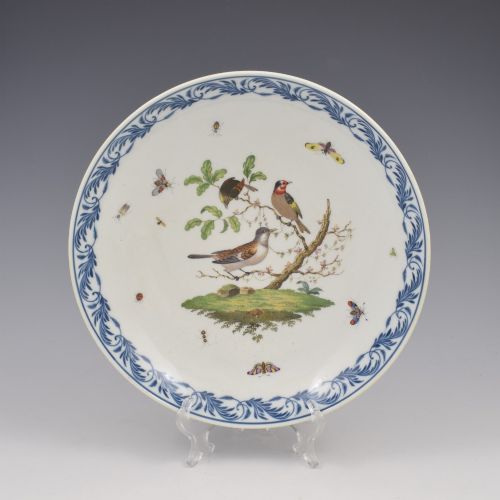
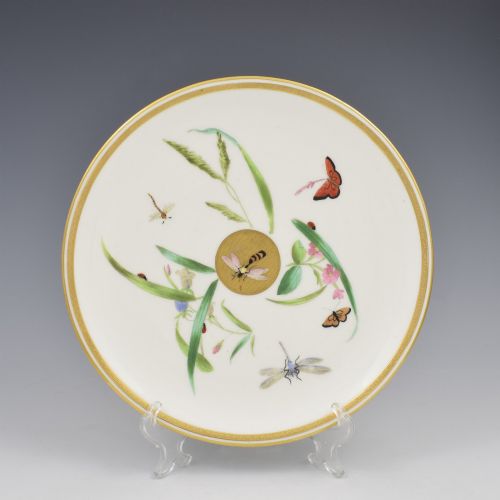
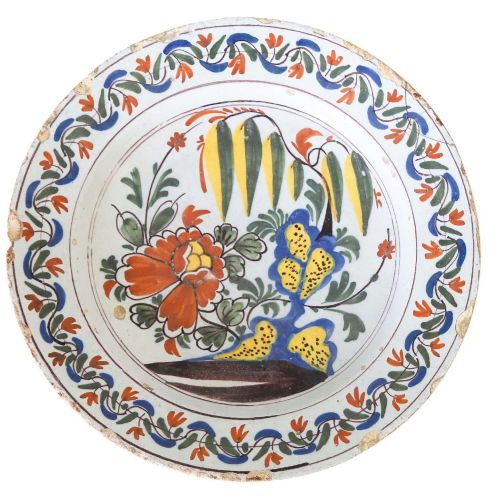
European examples on this page draw heavily on Delftware, English ironstone and continental porcelain traditions from factories such as Meissen and Minton. Alongside these sit considerable numbers of Japanese Imari, Kutani and Satsuma wares imported or made for export during the Edo and Meiji periods.
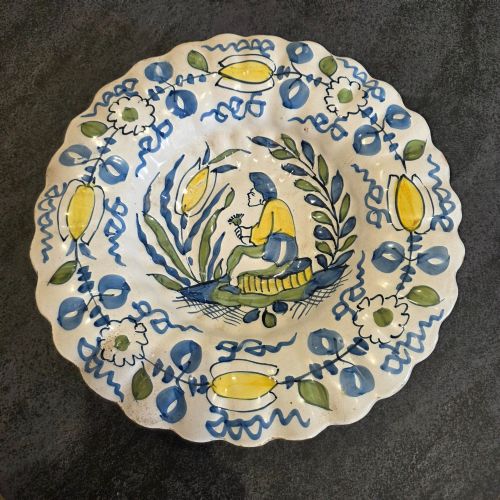
The buyer meets a diverse range of forms here, from large tin-glazed earthenware chargers bearing floral or Chinoiserie motifs to hard-paste porcelain cabinet plates decorated with birds, armorials and multi-figure scenes.
Materials and methods behind the glaze
The physical substance of these plates shifts between soft porous earthenware, tin-glazed Delftware, ironstone and dense hard-paste porcelain. Potters shaped these bodies either by throwing on a wheel or pressing into moulds, occasionally creating octagonal or lobed profiles.
Decoration relied on hand-painted mineral pigments applied beneath or over the glaze, often enriched with gold leaf and raised enamel details. Firing techniques ranged from low-temperature earthenware kilns to high-firing grand feu methods that bonded the bright polychrome pigments to the ceramic surface.
Listings feature eighteenth-century Dutch and English tin-glazed earthenware alongside nineteenth-century Japanese Imari chargers and Meissen porcelain cabinet plates.
Assessing the work of the kiln
Quality in a polychrome ceramic display plate rests upon the precision of the hand-painting and the clarity of the pigment firing. Superior pieces exhibit confident brushwork, crisp outlines and a balanced composition that uses the white ceramic ground effectively.
The complexity of the palette and the inclusion of fine gilding or raised enamels separate standard factory wares from exceptional cabinet pieces. Condition also plays its part, favouring plates that retain their original glaze lustre and colour saturation without extensive restoration.
Spode Stone China·Meissen Porcelain·John Ridgway·Mason Ironstone
The Polychrome Ceramic Display Plate Glossary
- Polychrome
- Decorated in multiple colours. This multi-coloured palette distinguishes these display pieces from blue-and-white ceramics.
- Charger
- A large decorative plate. These wide dishes measure upwards of thirty centimetres and hang on walls or sit on buffets.
- Imari
- A style of Japanese export porcelain. Named after the port of shipment, these pieces traditionally feature iron red, underglaze blue and gold.
- Delftware
- Tin-glazed earthenware made in England, Holland and beyond. The opaque white glaze provides a smooth background for hand-painted polychrome pigments.
- Famille Rose
- A palette of Chinese porcelain decoration dominated by opaque pink enamel. Introduced in the eighteenth century, it allowed for subtle tonal gradations in floral and figural scenes.
Polychrome Ceramic Display Plate: Frequently Asked Questions
How do I hang a heavy antique charger safely?
Heavy ceramic chargers require specialised spring-loaded brass wall hangers that distribute the weight evenly across the rim. Ensure the fixing goes directly into a wall stud or uses a proper masonry plug rather than resting on simple picture wire.
Check the hanger periodically to confirm the rubber-coated prongs maintain a secure grip without putting undue pressure on the antique earthenware or porcelain body.
Were these plates ever used for dining?
Most pieces catalogued as display plates, chargers or cabinet plates were made specifically for visual ornamentation rather than daily meals. Large chargers adorned sideboards or walls, while delicate porcelain cabinet plates occupied glass-fronted display furniture.
Some robust ironstone and stoneware plates saw service on formal dining tables, but the presence of elaborate gilding and delicate enamels usually indicates a purely decorative purpose.
What is the difference between earthenware and porcelain?
Earthenware is a porous, opaque ceramic fired at lower temperatures, characteristic of English and Dutch Delftware chargers. It feels heavier and softer beneath the glaze.
Porcelain is a dense, vitrified material fired at high temperatures, often ringing slightly when struck and sometimes translucent where thin. Factories like Meissen and various Japanese kilns specialised in hard-paste porcelain.
How do I clean polychrome ceramic surfaces?
Dust these plates gently with a soft, dry artist's brush or a feather duster to remove surface particles. Avoid submerging antique pieces in water, particularly earthenware with hairline cracks or old repairs.
If cleaning is necessary, use a barely damp cloth without chemical detergents, as harsh cleaners can damage fragile overglaze enamels and historic gold leaf.