

18th Century Earthenware Dish
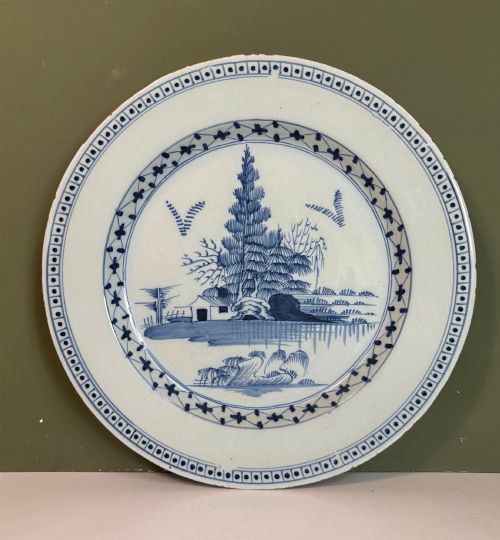
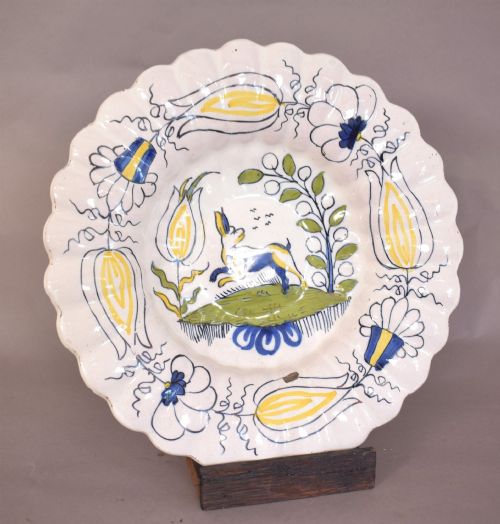
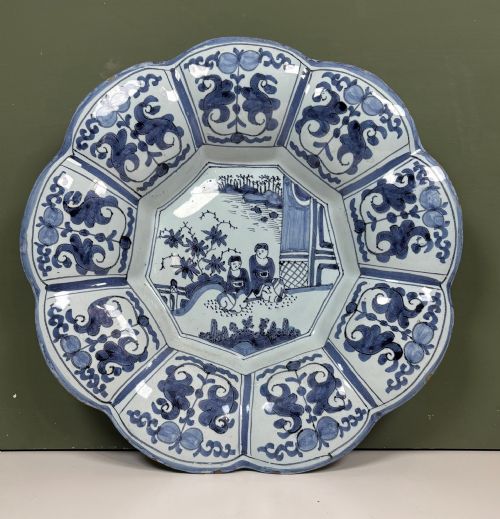
An 18th century earthenware dish brings bold tin-glazed colour and historic hand-painted brushwork straight to the wall or table.
18th Century Earthenware Dish
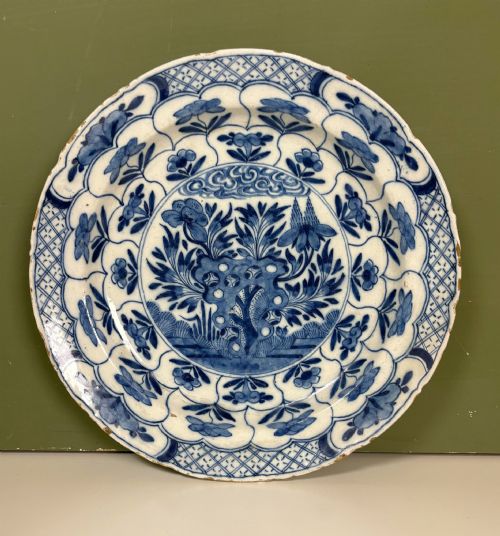
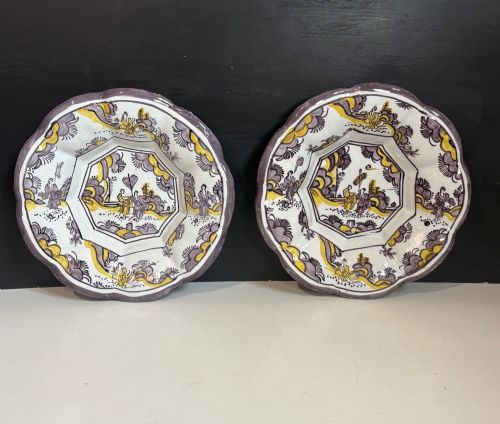
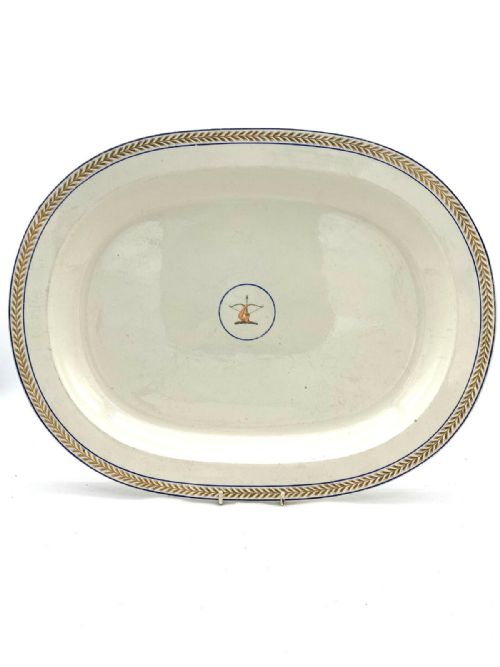
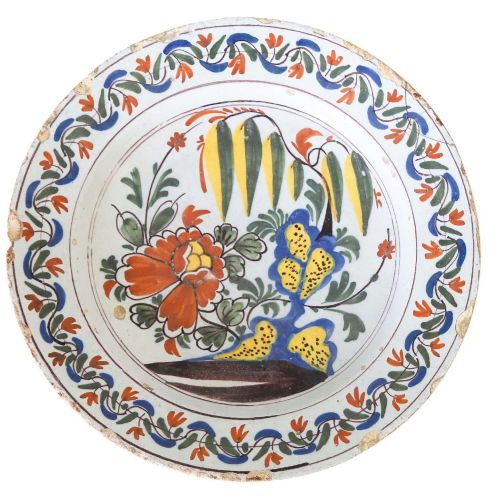
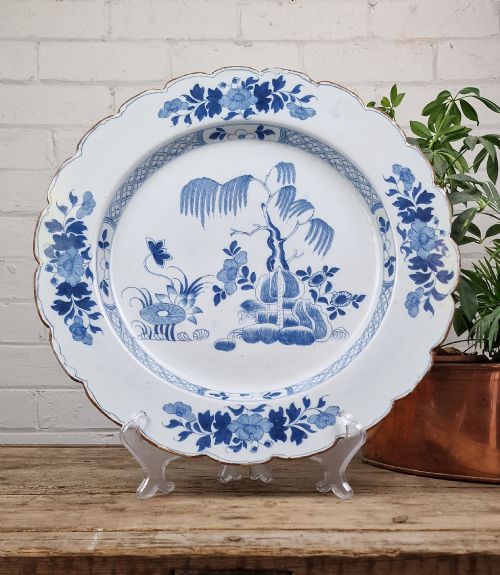
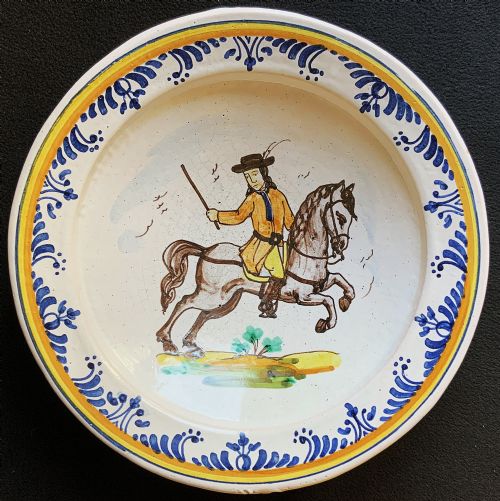
An 18th century earthenware dish encompasses tin-glazed chargers, deep plates, and decorative platters made across England, Holland, France, Spain, and Germany. Buyers pursuing this search phrase primarily encounter tin-glazed delftware and creamware forms decorated with blue and white or polychrome pigments.
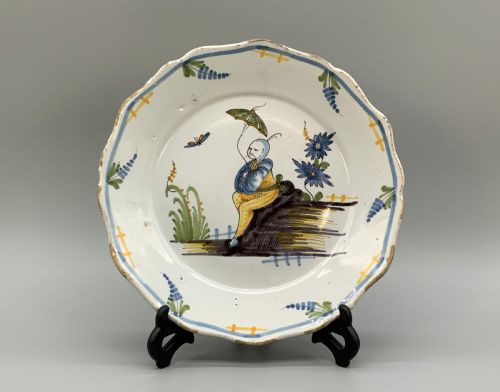
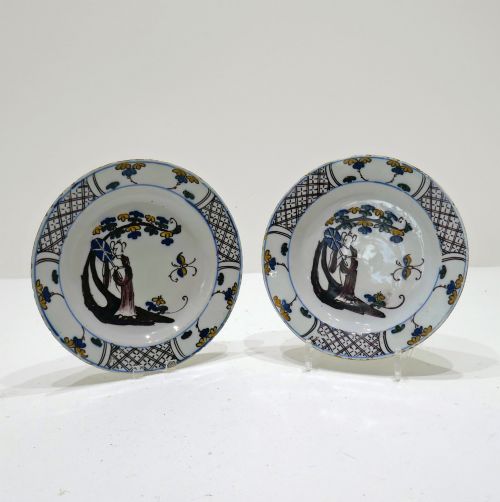
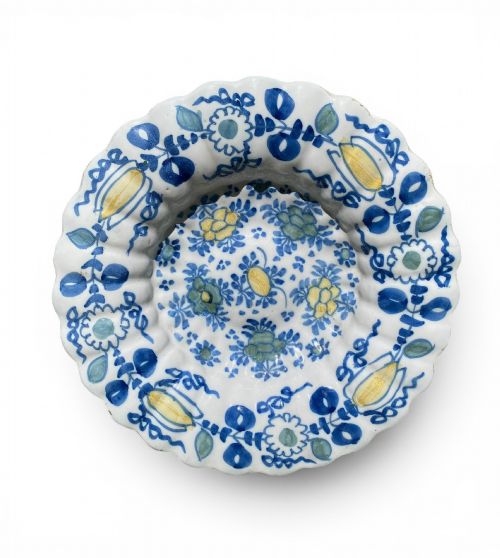
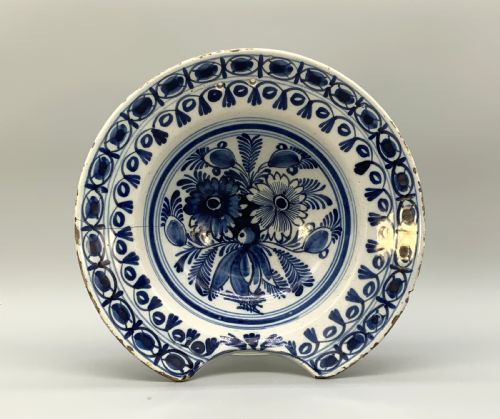
The objects span large wall chargers, shallow bowls, barber's bowls, sweetmeat dishes, and everyday plates. English and Dutch workshops dominate the selection, often taking inspiration from Chinese export porcelain through chinoiserie motifs or geometric floral patterns.
Dated examples stretch from the late 17th century through the Georgian era to around 1800, capturing a period of immense skill in European ceramic production. These pieces served both functional dining roles and decorative display purposes in period homes.
How they were made
Potters shaped these wares from local earthenware clay before dipping them into an opaque tin glaze that dried to a smooth white surface. Cobalt oxide, manganese, and other mineral pigments were then painted directly onto this unfired or raw glaze by hand.
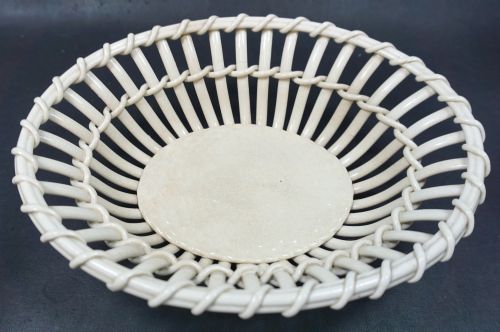
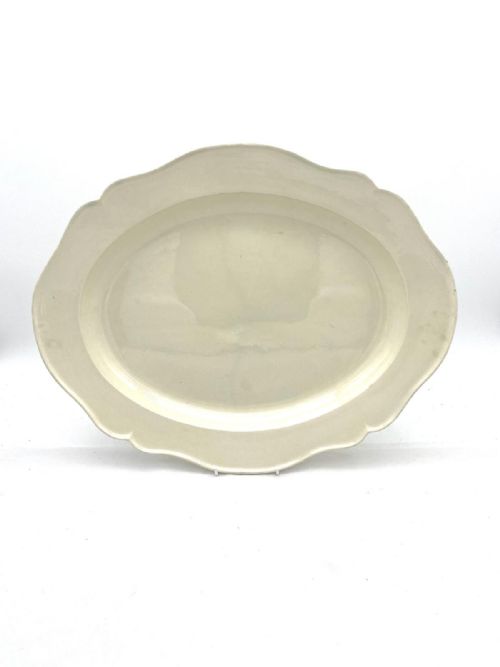
The pieces underwent high-temperature kiln firing to fuse the metallic pigments into the liquid glaze layer, creating soft edges and rich depths of colour. Creamware variations utilised a refined light earthenware body coated in a transparent lead glaze rather than an opaque tin wash.
Some chargers still retain the tiny three-point kiln scars on their faces where stacking spurs rested during firing.
What varies in quality
The refinement of the painted brushwork dictates much of the visual success, moving from stiff, rushed workshop repetitions to fluid, confident floral scenes and pictorial landscapes. Pigment saturation and control over the tin glaze surface also determine whether the white ground appears even or mottled.
Form and scale separate standard plates from large decorative chargers designed for display on dresser rails. Intact rims, minimal glaze flaking, and well-balanced proportions elevate individual examples within their respective ceramic traditions.
Wedgwood·Lambeth Delft·Dorotheenthal Germany
The 18th Century Earthenware Dish Glossary
- Delftware
- Tin-glazed earthenware produced in England, Holland, and other European centres, known for a white opaque glaze painted with cobalt blue or polychrome pigments. It frequently emulates Chinese porcelain styles.
- Charger
- A large decorative plate or dish, typically measuring over twelve inches across, intended for wall hanging or display on a sideboard rather than daily dining use.
- Creamware
- A refined, pale-bodied earthenware developed in England during the 18th century, finished with a transparent lead glaze that yielded a warm buttery tone.
- Polychrome
- Decoration employing multiple colours, such as manganese purple, yellow, green, and blue, rather than a single pigment.
- Faience
- European tin-glazed earthenware, a term most commonly applied to French, Spanish, or German productions distinct from English and Dutch delftware.
18th Century Earthenware Dish: Frequently Asked Questions
How were these dishes used?
Large chargers and platters were primarily hung on walls or stood on dressers to display wealth and artistic taste. Smaller plates and bowls saw service at the dining table for serving food or sweets.
Specialised vessels like barber's bowls featured cut-out rims to fit a customer's neck during shaving or bleeding procedures. Over time, these utilitarian items transitioned into prized cabinet pieces collected for their historic charm.
Are tin-glazed dishes safe for food?
Tin-glazed earthenware is porous and the historic glazes often contain lead, making them unsuitable for modern dining or acidic foods. Using them for display preserves both the fragile ceramic body and the historical pigments.
Displaying these dishes on plate racks or wall hangers keeps them safe from daily wear and tear. Gentle dusting with a dry cloth is all the maintenance required to keep the glaze stable.
How do I tell English delft from Dutch delft?
English delftware often exhibits softer paste bodies and slightly warmer, thicker tin glazes compared to the crisper blue-and-white execution found in many Dutch pieces. Regional painting styles and floral motifs also offer clues to the origin of manufacture.
Documentation, foot rim characteristics, and secondary kiln support marks on the reverse can help confirm the workshop source. Comparing pieces side by side reveals subtle differences in clay composition and glaze tone.
What is the difference between delftware and creamware?
Delftware relies on an opaque white tin glaze applied over a buff earthenware body, providing a flat canvas for painted cobalt or polychrome designs. Creamware uses a clear glaze over a finer, yellower clay body that lets the natural warmth of the earthenware show through.
Creamware emerged later in the 18th century as industrial techniques improved ceramic bodies and reduced the need for opaque white disguises. Both materials represent distinct milestones in European pottery development.