

Tin Glazed Delft Charger
A tin glazed delft charger brings centuries of painted earthenware and rich pigment into a room.
Tin Glazed Delft Charger
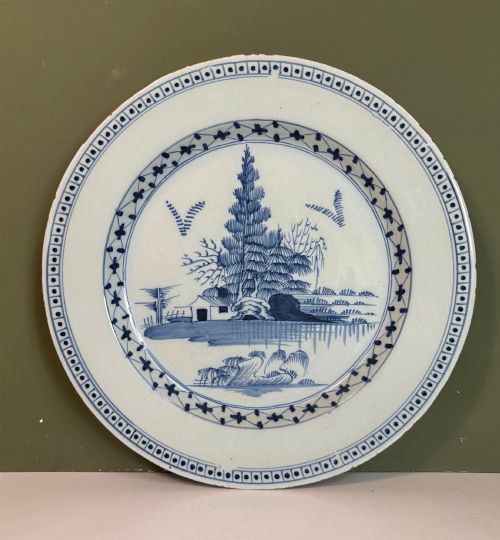
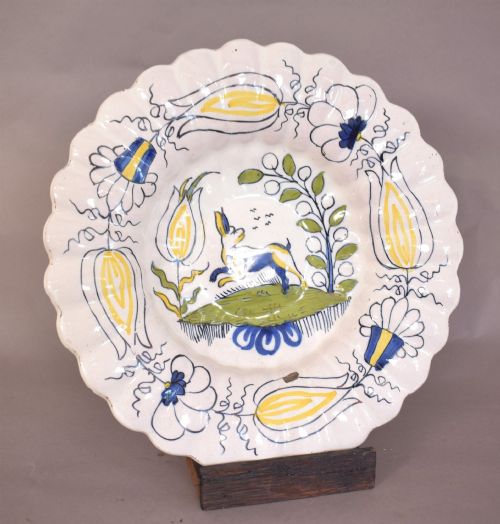
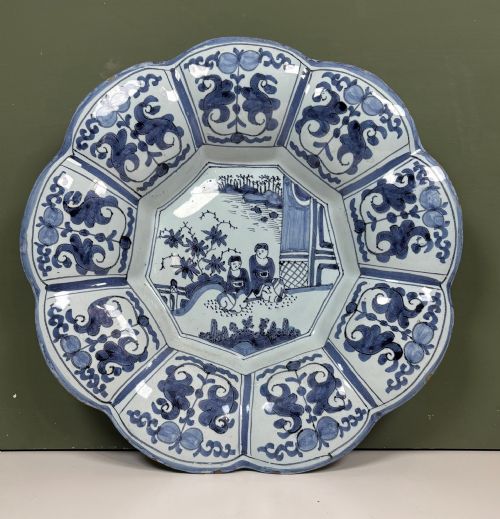
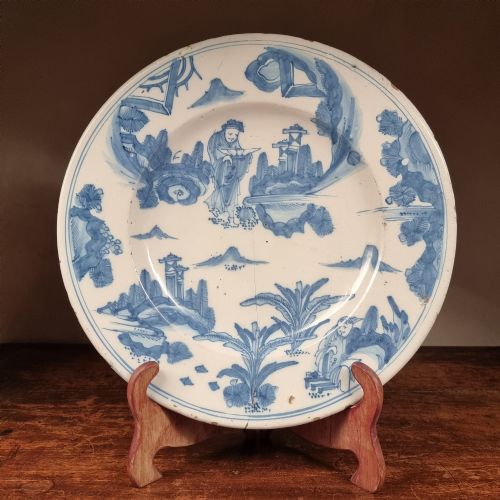
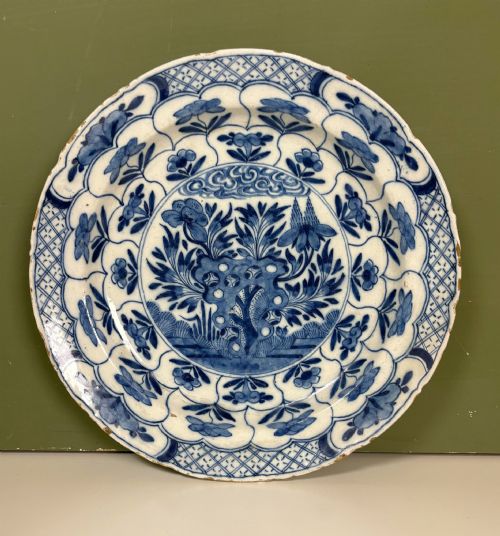
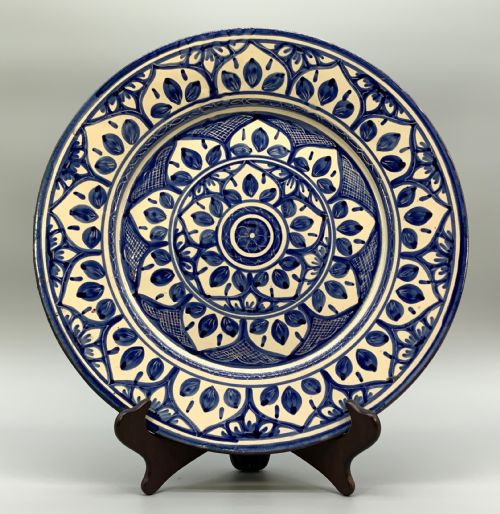
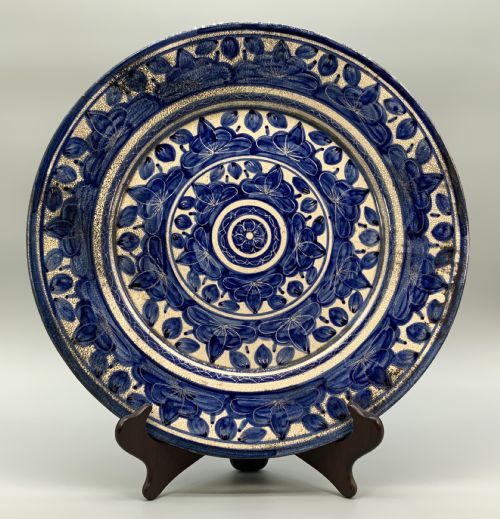
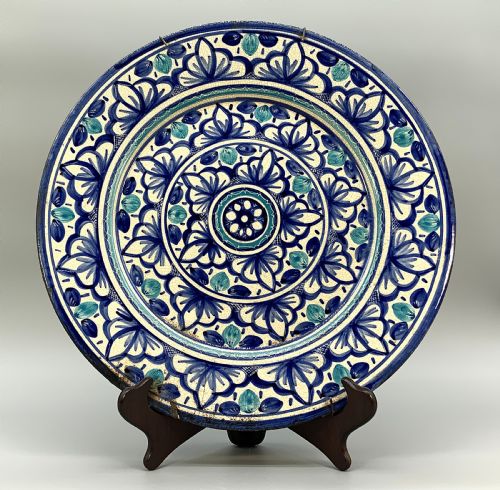
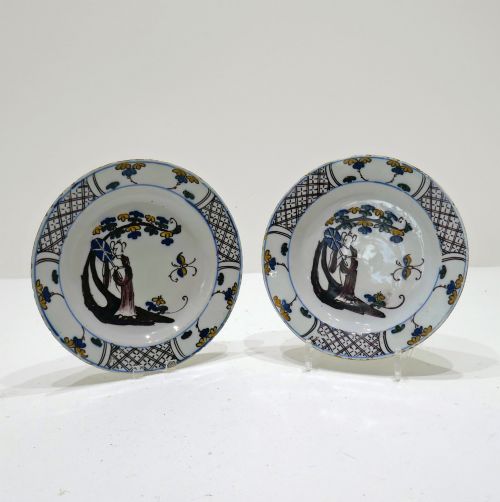
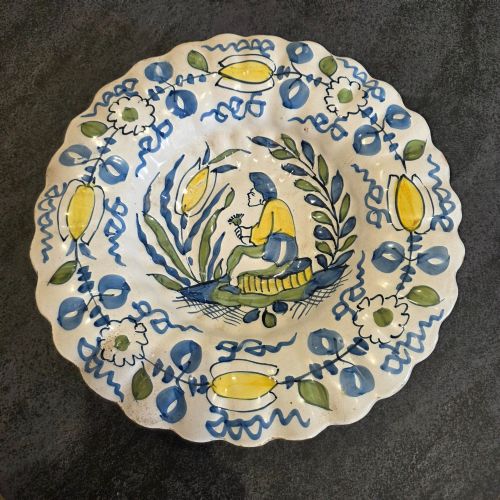
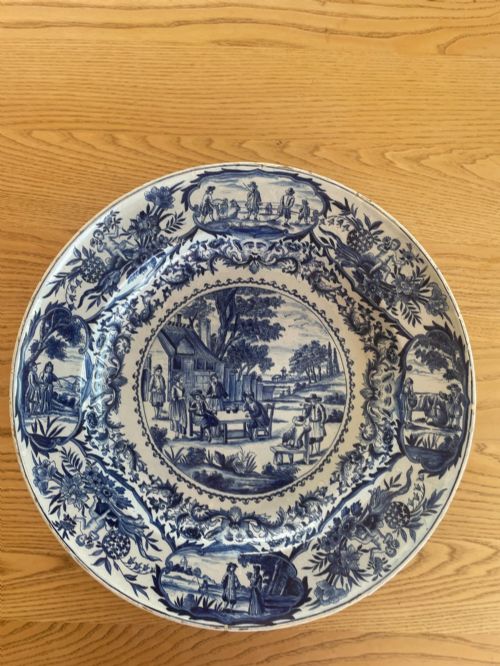
A tin glazed delft charger is a broad earthenware dish intended primarily for display rather than dining. When you search for this phrase, you encounter substantial plates spanning seventeenth, eighteenth and nineteenth century production.
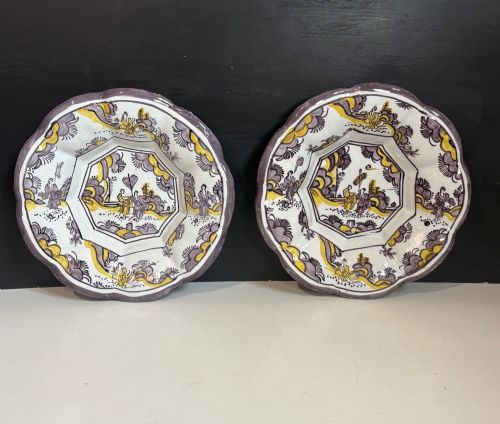
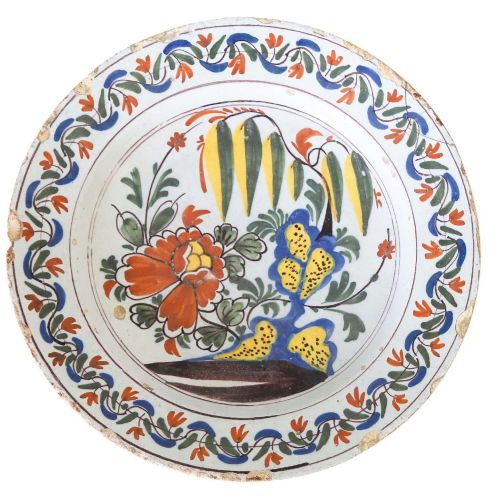
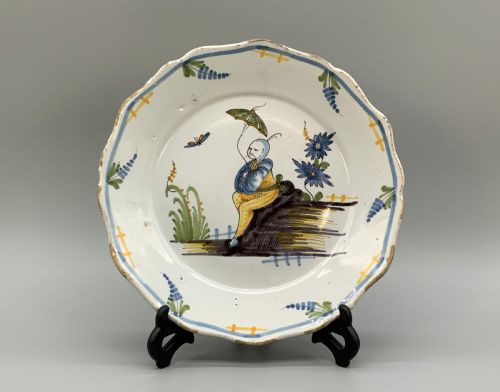
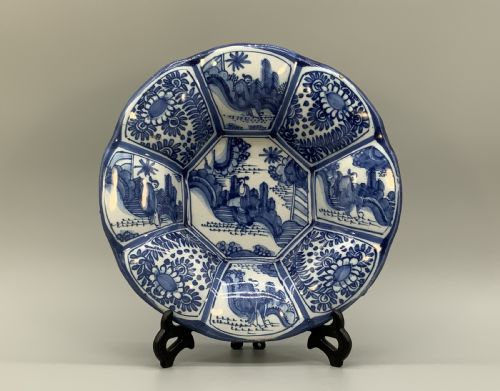
The pieces appearing on this page originate predominantly from English, Dutch, French and Spanish kilns. You find large decorative platters and shallow bowls bearing classic blue and white painting or richer polychrome palettes.
The forms range from simple round dishes to lobed variations and barber's bowls. Seventeenth and eighteenth century examples dominate the selection, alongside continental interpretations from later periods.
How they were made
Potters shaped earthenware bodies and coated them in a tin oxide glaze that gave a smooth, opaque white surface. Artisans then applied cobalt pigment, manganese, or other mineral oxides directly onto the porous unfired glaze.
The pieces underwent kiln firing where the metallic pigments fused into the liquid tin glaze. This technique allowed intricate hand painted floral, geometric and Chinoiserie decoration to mature permanently within the surface.
Some historic chargers feature clever cutouts designed to fit snugly against a customer's chin during a morning shave.
What varies in quality
The excellence of a tin glazed delft charger rests upon the clarity of the painted brushwork and the confidence of the hand. Superior examples display spirited floral or figural motifs executed with precision and depth.
The stability of the glaze and the richness of the cobalt or polychrome pigments also define the standing of a piece. Well controlled kiln temperatures produce bright, luminous surfaces without excessive clouding or discoloration.
The Tin Glazed Delft Charger Glossary
- Tin-Glazed Earthenware
- Ceramic pottery covered with a lead glaze made opaque by the addition of tin oxide. This white surface serves as the canvas for painted decoration.
- Polychrome
- Decoration employing multiple colours rather than a single hue. On these chargers, artists combined manganese, yellow and other pigments alongside standard blue.
- Kraak Style
- Chinese export porcelain design idiom imitated by European potters. These patterns typically feature divided panels surrounding a central motif.
- Grand Feu
- Firing technique where tin glazed pottery is heated to high temperatures with its colours applied directly to the raw glaze. This method demands great skill from the painter.
- Barber's Bowl
- A specialised shallow dish with a semicircular cutout for the neck. These earthenware vessels caught water and lather during shaving.
Tin Glazed Delft Charger: Frequently Asked Questions
What is a delft charger?
A delft charger is a large earthenware display plate finished with a white tin glaze. These wide vessels were designed to hang on walls or stand on sideboards.
Pots of this scale showcase elaborate painted scenes and decorative patterns. They served as status objects in historic interiors.
How were these chargers used?
Historic households displayed these large plates on dresser shelves or dining room walls. Their size and vibrant pigments made them effective decorative centerpieces.
Some specialised forms, such as barber's bowls, served practical grooming functions. The majority, however, existed purely for visual display.
How do I care for a tin glazed charger?
Keep these earthenware pieces away from moisture and damp environments. The porous ceramic body and tin glaze remain sensitive to water penetration.
Dust the surface gently with a dry, soft cloth. Avoid abrasive cleaners or soaking the ceramic in water.
How do I tell English and Dutch delft apart?
English and Dutch pieces often display subtle differences in clay bodies, glaze tones and painting styles. Regional palettes and floral motifs help attribute origin.
Examining the foot rim and the back of the dish provides further clues regarding workshop practices. Comparative study of known kiln sites clarifies these distinctions.