
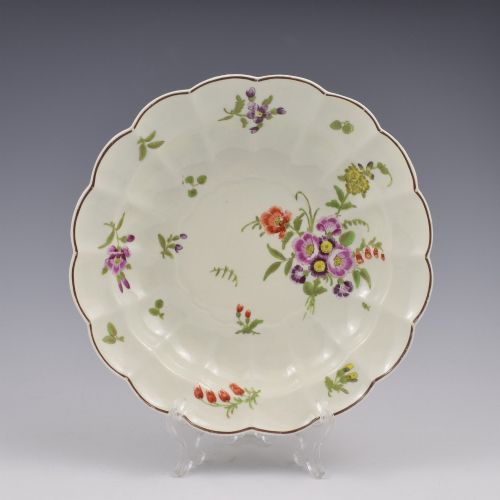
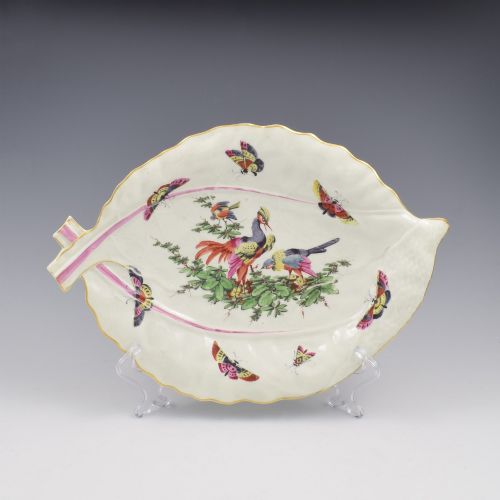
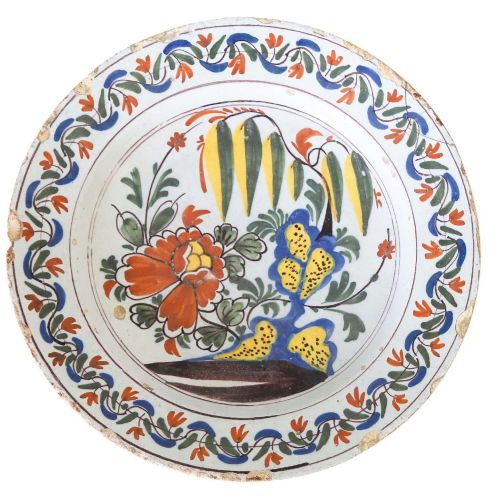
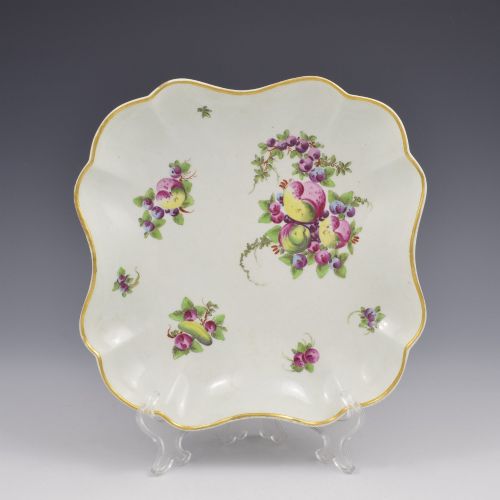


Georgian Polychrome Wall Plate
A georgian polychrome wall plate brings hand-painted colour and eighteenth-century craft directly to your interior walls.
Georgian Polychrome Wall Plate
When you search for a georgian polychrome wall plate, you are looking at decorative ceramics designed to be hung or displayed rather than purely used at the dining table. These pieces span the eighteenth and nineteenth centuries, taking the form of chargers, dessert dishes, and wall plaques created in England and further afield.
You are most likely to meet tin-glazed earthenware delftware from centres like Lambeth, alongside soft-paste porcelain from Worcester factories. These items display hand-painted floral motifs, birds, and oriental-inspired patterns executed in varied colour palettes.
The assortment on this page ranges from mid-eighteenth-century English delft chargers to later nineteenth-century Worcester dessert plates and ironstone china. Each object reflects the changing tastes of the Georgian era, moving from tin-glazed earthenware to refined porcelain bodies.
How they were made
Potters shaped these objects using earthenware or soft-paste porcelain bodies, often applying a tin glaze to create an opaque white surface for subsequent painting. Artisans then hand-painted the designs using vibrant enamel colours before firing the pieces in kilns to fix the pigments.
Some examples incorporate gilding or gold leaf applied to moulded porcelain surfaces, particularly in later Worcester and ironstone productions. The combination of tin-glazing techniques on earthenware and delicate enamel painting on porcelain defines the material character of these plates.
Listings feature items spanning the eighteenth and nineteenth centuries, incorporating both tin-glazed earthenware and soft-paste porcelain.
What varies in quality
The distinction between standard examples and superior pieces rests on the precision and fluidity of the hand-painted decoration. Finer works display confident brushwork in the floral or figurative motifs, whereas simpler items show more repetitive or rigid execution.
Quality also depends on the preservation of the glaze and enamels over centuries of handling. Well-fired porcelain bodies with crisp moulding and stable glazes sit at the upper end of the range compared to heavily crazed or chipped earthenware.
Chamberlain's Porcelain·Flight Barr And Barr
The Georgian Polychrome Wall Plate Glossary
- Delftware
- Tin-glazed earthenware produced in England, typically featuring a white opaque surface painted with blue, green, yellow, and red pigments. It forms a major category of early wall decoration.
- Polychrome
- Decorated in multiple colours rather than a single hue, usually applied by hand to the surface of the ceramic before or after glazing.
- Soft-paste porcelain
- A ceramic composition made from white clay mixed with ground glass and other materials, fired at lower temperatures than hard-paste porcelain. It is characteristic of eighteenth-century English factories.
- Charger
- A large decorative plate or dish, often hung on a wall or displayed on a dresser during the Georgian period.
- Enamel
- Opaque glass-like material melted onto the surface of ceramic bodies to provide vibrant decorative colours.
Georgian Polychrome Wall Plate: Frequently Asked Questions
How were these plates displayed?
Georgian wall plates and chargers were frequently hung on walls or exhibited on sideboards to showcase the owner's taste and the maker's skill. Many featured drilled footrings or were placed in specialised wire holders for domestic display.
This practice protected the painted surfaces from the wear and tear of daily dining while adding rich colour and pattern to eighteenth-century interiors.
What is the difference between delft and porcelain?
Delftware uses a tin-glazed earthenware body which is relatively thick and opaque, often showing minor surface crazing and glaze chipping over time. Porcelain provides a denser, more refined white body that allowed for finer details and crisper painted lines.
Porcelain pieces, particularly those from Worcester factories, represent a more technically advanced ceramic production than traditional English delft.
How do I care for an antique wall plate?
These items require gentle dusting with a dry cloth and should be kept away from direct sunlight and areas of high moisture. If hanging a plate, utilise a secure, padded hanger designed specifically for antique ceramics to prevent edge damage.
Avoid washing them in water, especially tin-glazed earthenware, as moisture can penetrate existing crazing in the glaze.
How can I tell the period?
Dating relies on identifying the ceramic body, glaze characteristics, and the style of the hand-painted decoration. Early eighteenth-century pieces typically employ tin-glazed earthenware with floral or oriental motifs, while later Georgian items shift toward refined porcelain bodies and gilt accents.
Factory marks, where present on the reverse, provide definitive evidence of origin and date.