
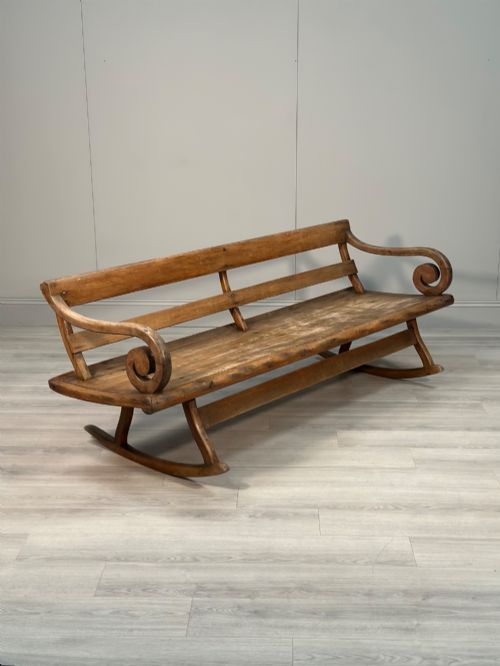
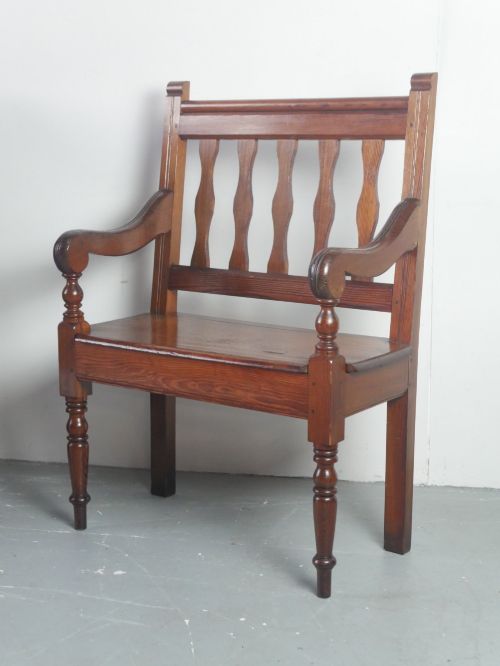
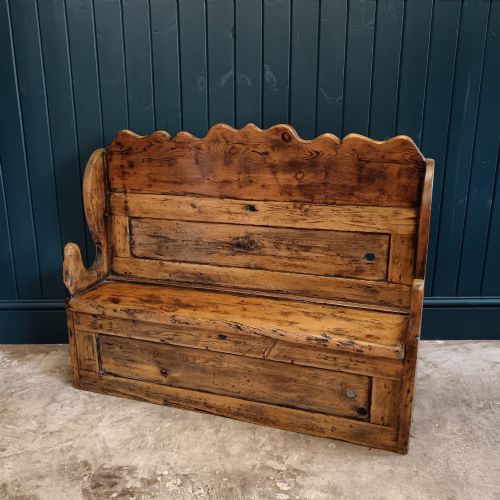
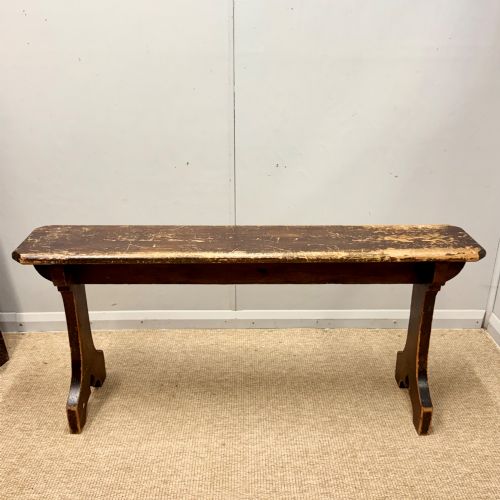
Pine Bench Seat
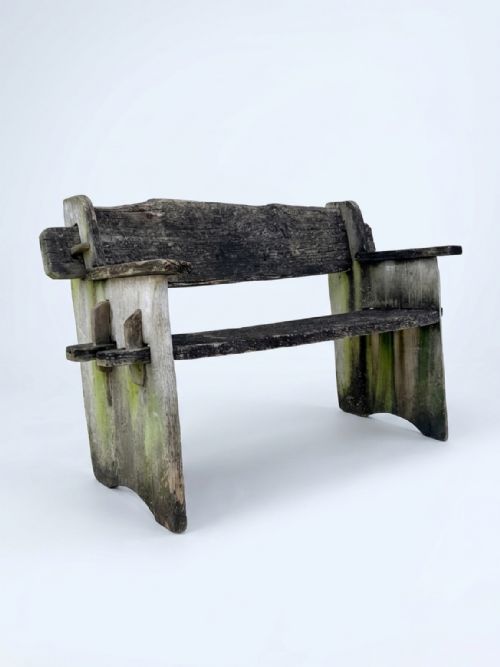
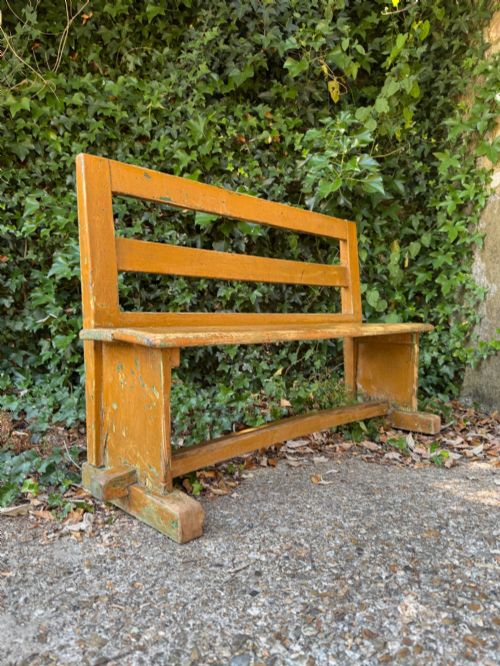
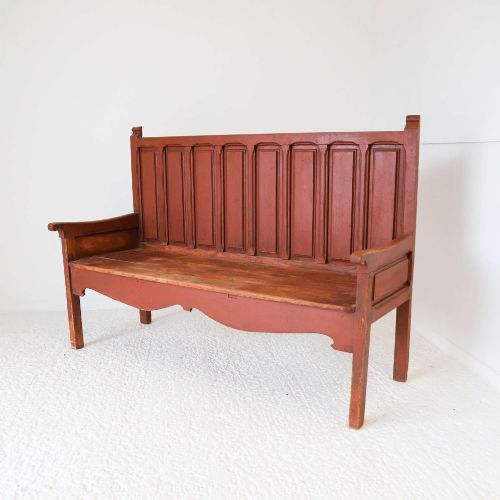
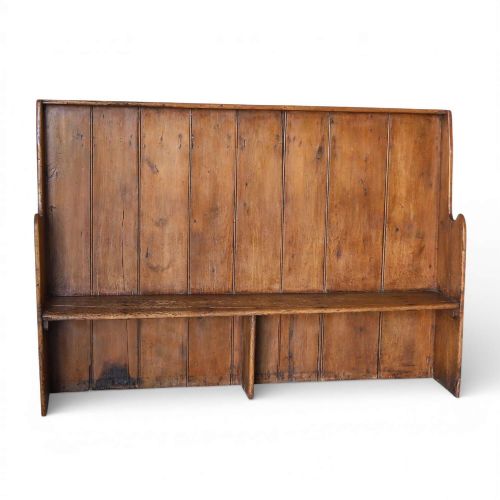
When searching for a pine bench seat, you uncover a utilitarian seating tradition spanning simple country benches, high-backed settles and ecclesiastical church pews.
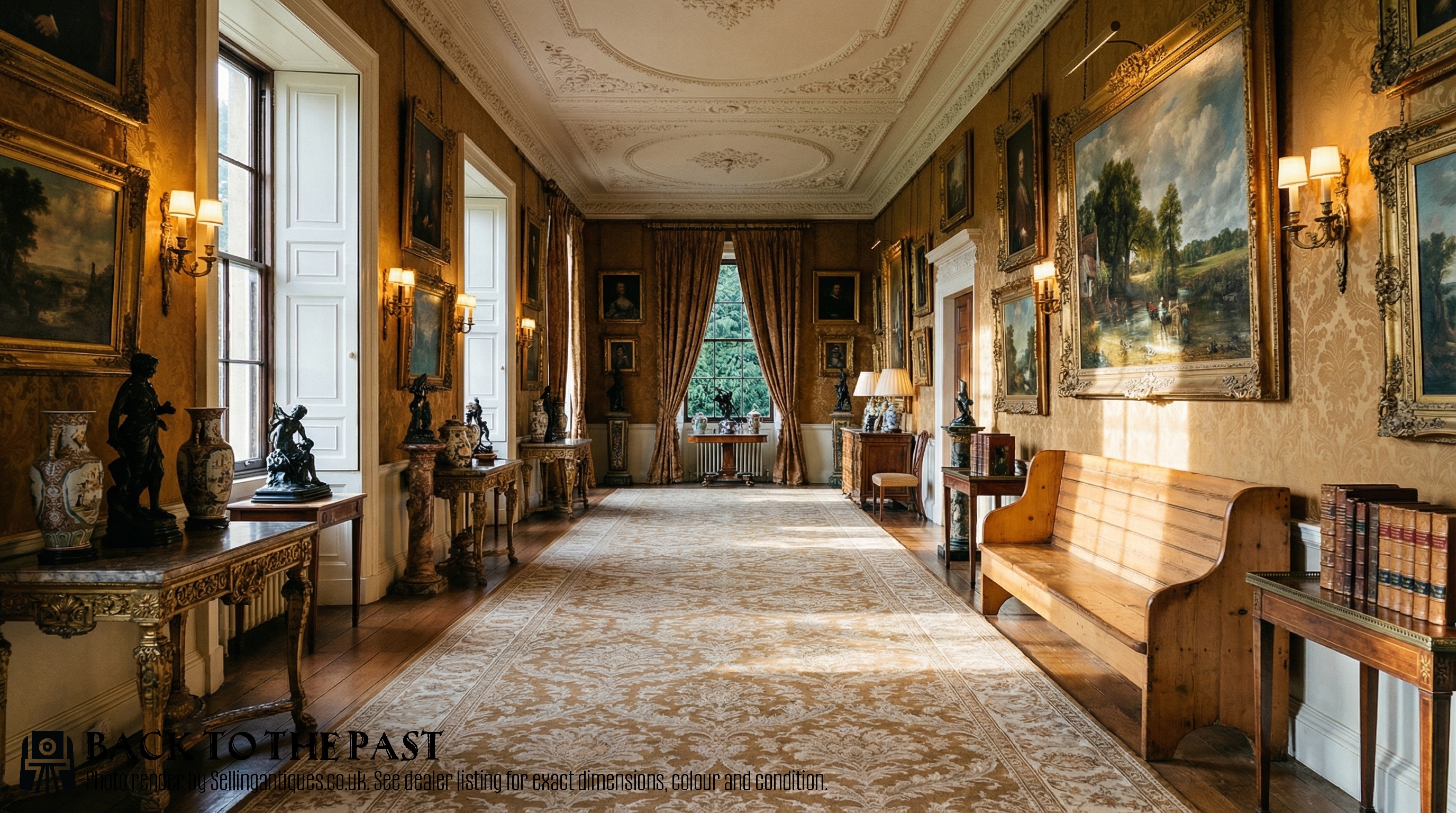
Pine Bench Seat
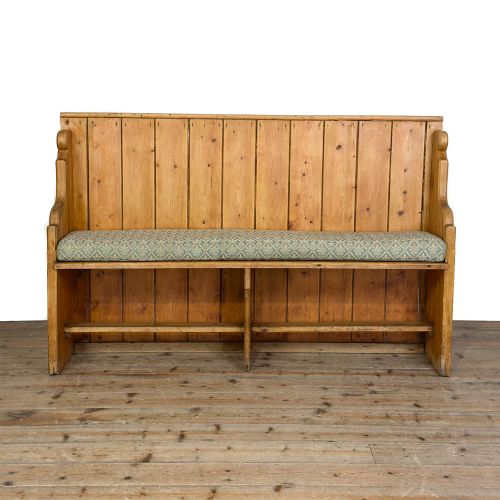
A pine bench seat encompasses a wide variety of domestic, ecclesiastical and utilitarian forms drawn from the 18th century, the Georgian era, the Victorian period and the Edwardian years.
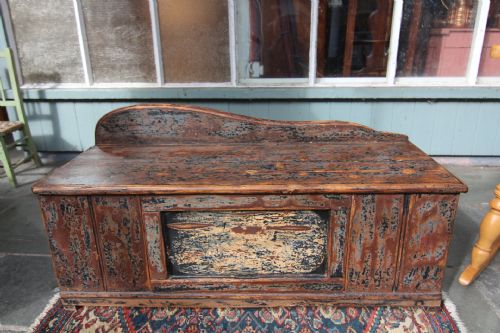
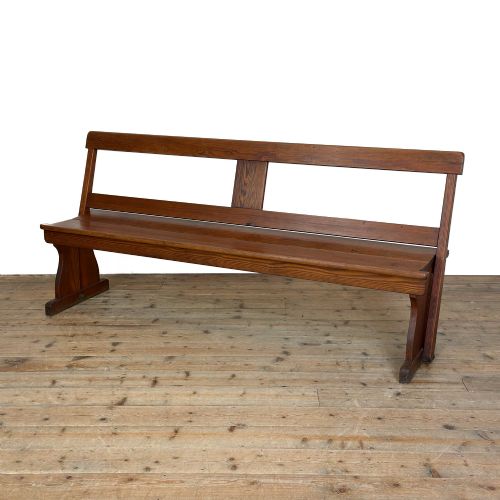
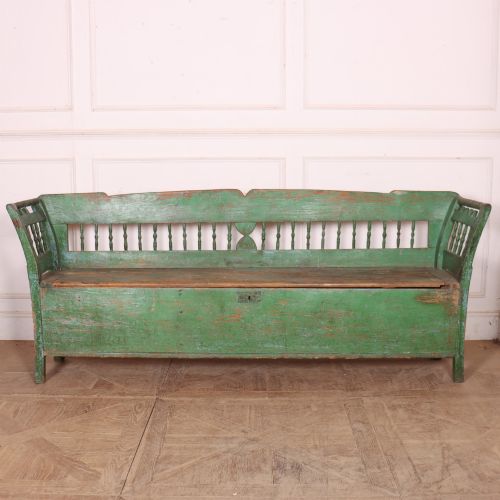
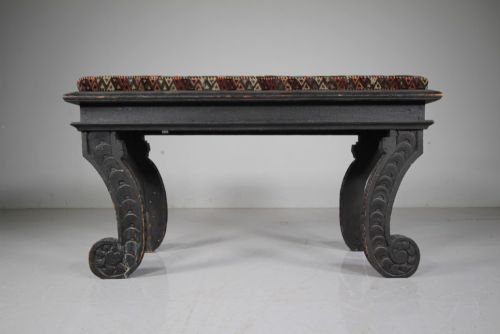
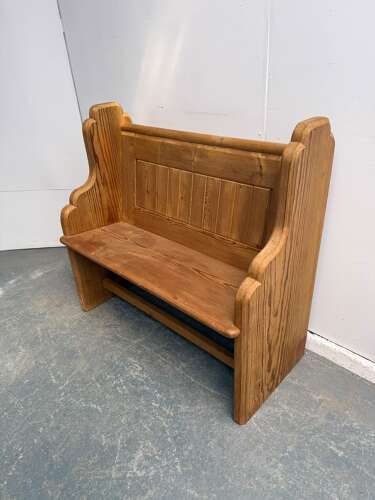
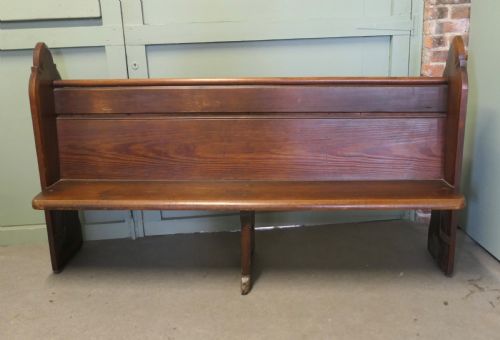
The selections encountered here range from simple narrow hallway benches and long church pews to high-backed settles, box settles with lift-up storage seats, and painted Hungarian folk art benches.
Originating from British country houses, Spanish and Austrian farmhouses, and Eastern European workshops, these pieces served practical functions in halls, chapels and kitchens.
Materials and Construction
The primary material is solid timber, utilising standard pine and dense pitch pine alongside occasional elm, shaped with traditional joinery, panelled construction and scratch-built assembly.
Surface treatments vary between natural waxed finishes that display honey brown patinas and layers of original paint in grey, blue, green, cream and ochre.
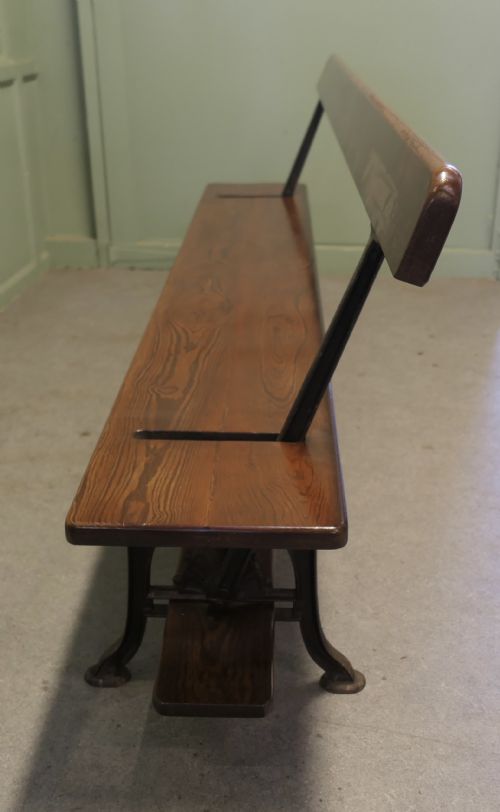
Some industrious Victorian travellers found rest on repurposed tram and trolley bus reversible bench seats.
Markers of Quality
Quality rests in the integrity of the timber, the depth of the patination, and whether the paint surfaces are original or later additions.
Design complexity also separates standard utilitarian seating from finer examples, such as those featuring barrel backs, canopies, integrated shoe cupboards or untouched folk art decoration.
The Pine Bench Seat Glossary
- Settle
- A wooden bench with a high back, solid arms, and frequently a box seat for storage beneath. It protected inhabitants from draughts in older homes.
- Pew
- A long wooden bench utilised for seating in churches and chapels, often constructed from pitch pine.
- Patina
- The surface sheen and colour developed over decades through handling, waxing and wear. It indicates the age and history of the wood.
- Pitch pine
- A resinous, durable variety of pine known for its prominent grain pattern and strength, frequently chosen for ecclesiastical and institutional seating.
Pine Bench Seat: Frequently Asked Questions
How do I know if the paint on a pine bench is original?
Original paint displays natural wear, craquelure and consistent fading that matches the age of the underlying timber. It integrates with the edges and corners where handling naturally occurred over generations.
Later repainting often feels flat, uniform or lacks the accumulated patina of use. Examining the joints and undersides can reveal older layers hidden beneath modern coatings.
Where should I place a high-backed settle in a home?
High-backed settles work effectively in entryways, hallways and large kitchens where their tall backs create a natural division of space. Their enclosed designs also help block draughts near doorways.
In living areas, they provide substantial linear seating while adding texture and historical character against plain walls.
How do I care for a waxed pine bench?
Maintain waxed pine surfaces by dusting regularly with a soft, dry cloth and applying a quality beeswax sparingly when the wood appears dry. Avoid placing the bench near direct heat sources or in strong sunlight, which can dry out the timber and crack the finish.
Clean spills immediately with a damp cloth rather than chemical sprays to preserve the historical patina.