


Period Cast Iron Hearth
A period cast iron hearth anchors a room with substantial metalwork, offering authentic warmth and enduring structural character for a fireplace.
Period Cast Iron Hearth
When you search for a period cast iron hearth, you are looking at robust metal fire surrounds, grates, firebacks, and companion sets designed to manage solid fuel safely and efficiently.
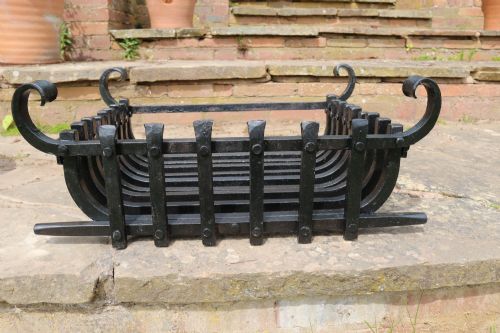
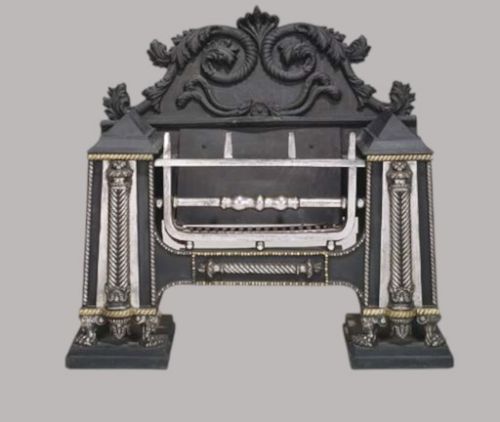
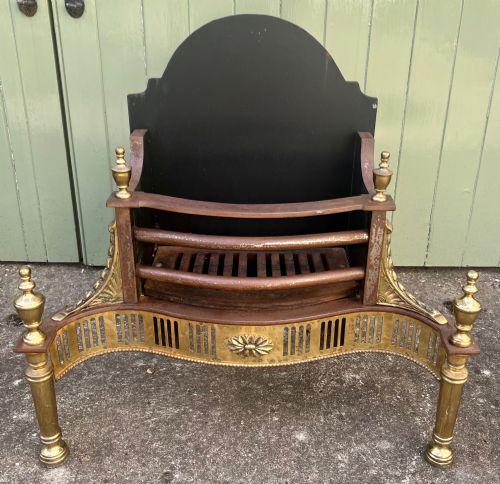
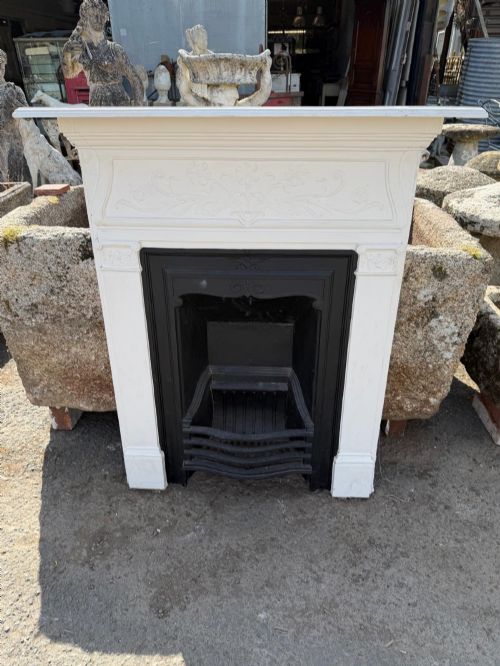
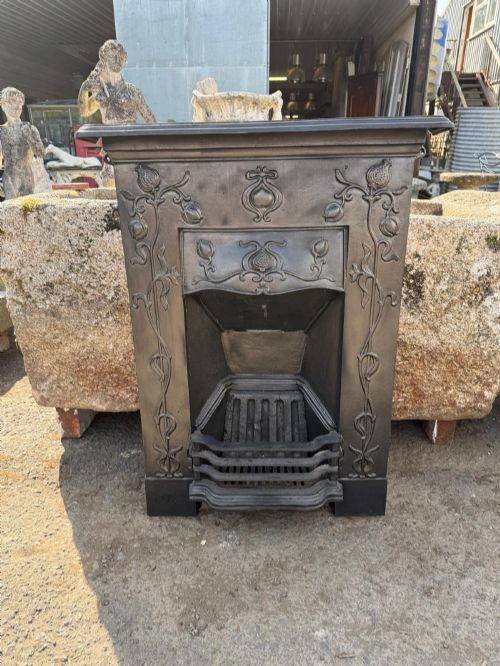
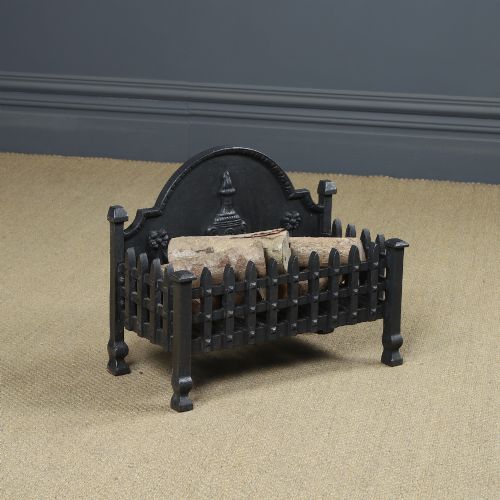
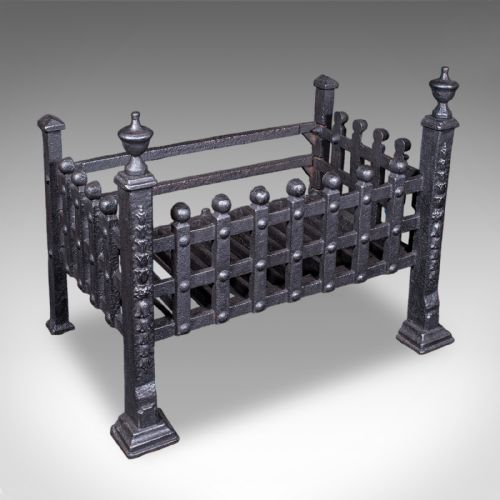
The most common versions met on this page span the Victorian and Georgian eras, taking the form of fire baskets, combination fireplaces, and heavy decorative firebacks.
These metal fixtures originate from centuries of British domestic ironmongery, combining functional utility with stylistic revivals from Neoclassical to Arts and Crafts movements.
Materials and Construction
The primary material is cast iron, chosen for its ability to withstand extreme heat and hold forms shaped in moulds, often paired with wrought iron and steel for structural strength.
Brass fittings and firebricks are regularly integrated into grates and hearth sets to provide contrasting metalwork highlights and manage thermal retention.
Foundries utilised traditional casting and forging techniques, producing heavy iron firebacks and intricate grates through skilled pattern-making and hand-finishing.
Some early cast iron firebacks proudly bear the image of a horse and rider, ensuring your hearth comes equipped with its own historical cavalry.
Assessing Quality and Craftsmanship
The distinction between standard utility items and superior examples lies in the depth of casting detail and the architectural ambition of the design, such as refined Adam style motifs or robust Arts and Crafts hand-working.
Weight and structural integrity separate substantial pieces from lighter later iterations, with heavier firebacks and thick gauge iron baskets demonstrating superior durability and material density.
The integration of mixed metals, particularly well-cast brass elements and crisp relief work on firebacks, indicates a higher standard of original workshop production.
The Period Cast Iron Hearth Glossary
- Fire basket
- An open metal grate designed to hold coal or wood logs within a hearth. It sits either freestanding or integrated into a larger fireplace structure.
- Fireback
- A heavy iron plate placed at the back of a fireplace to reflect heat into the room and protect the masonry wall. They often feature relief mouldings.
- Hob grate
- A fireplace design featuring raised side platforms adjacent to the central grate, historically used for warming Kettles or food.
- Andiron
- A horizontal support iron raised on legs, used in pairs to hold logs in an open hearth. They frequently appear alongside matching fire baskets and backs.
- Fender
- A low metal guard placed on the floor in front of a hearth to contain embers and sparks. They are commonly constructed from brass, iron, or steel.
Period Cast Iron Hearth: Frequently Asked Questions
How do I clean a cast iron hearth?
Maintenance typically involves brushing away ash and applying specialised grate polish or black lead to maintain the dark iron finish.
Avoid using water or harsh chemical cleaners, which can cause rust to form on the exposed metal surfaces.
Can these antique grates still burn wood?
Many period grates and fire baskets are suitable for burning seasoned wood or solid fuel, provided they are inspected for structural soundness.
It is advisable to check the thickness of the iron and consult a professional installer before lighting fires in older grates.
How do I identify a Georgian fire grate?
Georgian pieces often display Neoclassical symmetry, slender proportions, and restrained decorative elements such as urns, swags, or brass finials.
They tend to feel lighter and more architecturally formal than later Victorian iterations.
What is the purpose of a fireback?
A fireback serves the dual purpose of radiating heat back into the living space and shielding the rear brickwork from intense flame damage.
Heavier examples often double as decorative centerpieces featuring historical or mythological scenes in cast relief.