
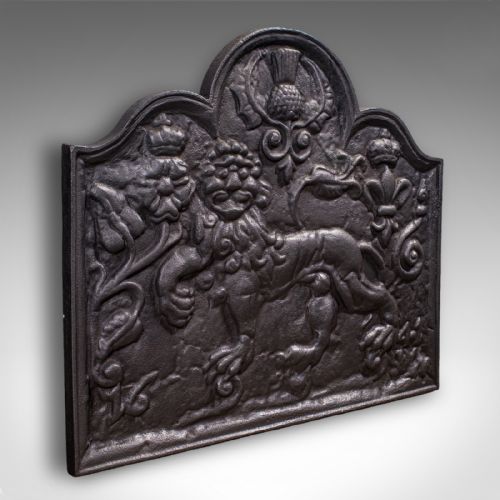


Antique Hearth Plate
An antique hearth plate protects the masonry and radiates warmth back into the room, bringing both function and character to a fireplace.
Antique Hearth Plate
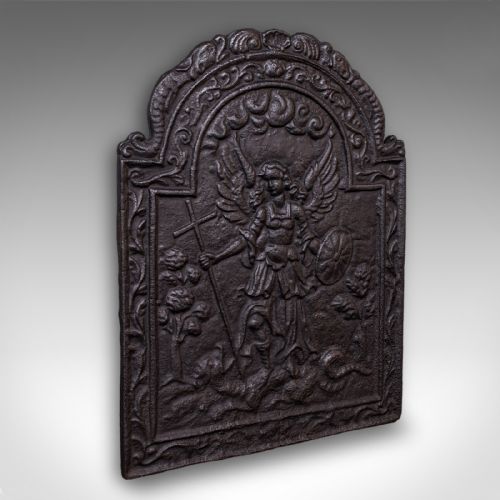
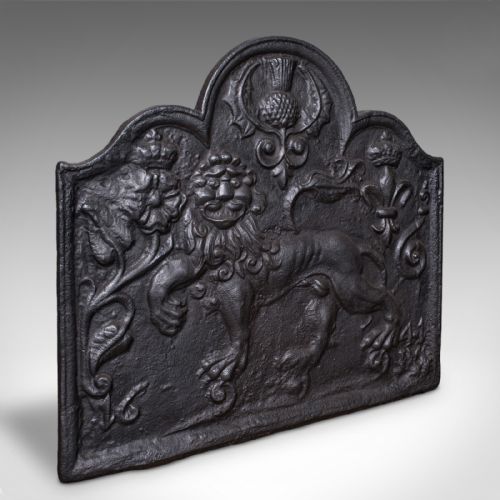
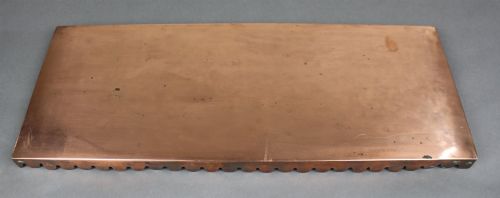
When you search for an antique hearth plate, you encounter heavy cast iron firebacks, copper warming plates, and timber stands designed for the fireplace. These pieces serve practical roles in managing heat and fuel while anchoring the room's decorative scheme.
The selections available span multiple centuries, ranging from seventeenth-century cast iron panels to Georgian mahogany stands and Victorian brass accessories. Cast iron firebacks dominate the offerings, often featuring relief moulding and reflector designs.
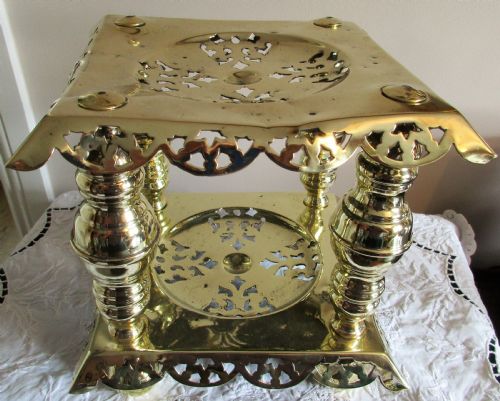
Object types vary widely beyond standard plates, including trivets, footmen, fire cats, and plate buckets. Each form reflects the specific domestic rituals of dining and heating in historical British homes.
Materials and construction methods
Makers utilised cast iron for firebacks and hearth plates, pouring molten metal into sand or open moulds to achieve deep relief ornamentation and durable thermal mass. Iron components frequently incorporate stylistic motifs from the Georgian and Victorian eras.
Cabinetmakers worked with mahogany and brass to produce plate buckets, footmen, and rotating fire cats, binding timber staves with polished metal bands. Copper and silver plate appear in smaller warming accessories and coal containers, combining utility with finished decorative surfaces.
Listings feature items spanning the seventeenth, eighteenth, nineteenth, and early twentieth centuries, constructed from cast iron, mahogany, brass, copper, and silver plate.
Evaluating quality and execution
Quality rests in the crispness of the cast relief on iron firebacks and the integrity of the joinery on mahogany stands. Deep, sharply defined mouldings indicate skilled pattern-making, whereas worn or muddy castings lack the original definition.
Materials also dictate longevity, with heavier gauge copper, robust cast iron, and tightly fitted brass bindings marking the upper tier of domestic fireplace equipment. Pieces that retain their original structural stability without excessive replacement parts command greater appreciation.
The Antique Hearth Plate Glossary
- Fireback
- A heavy metal plate placed against the back wall of an open fireplace to protect the masonry and reflect heat forward into the room.
- Footman
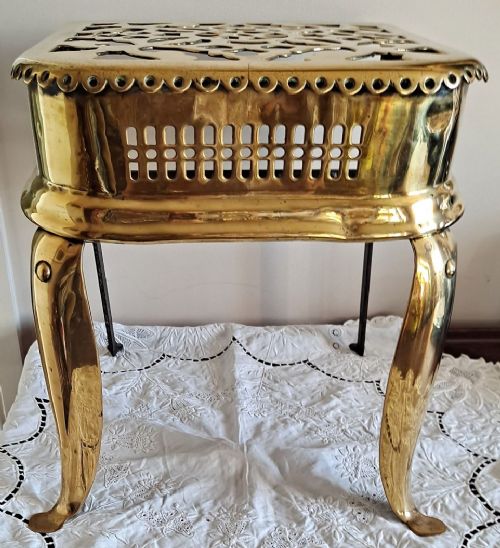
- A metal stand, typically brass or steel with four legs, placed in front of the hearth to keep food or kettles warm.
- Plate bucket
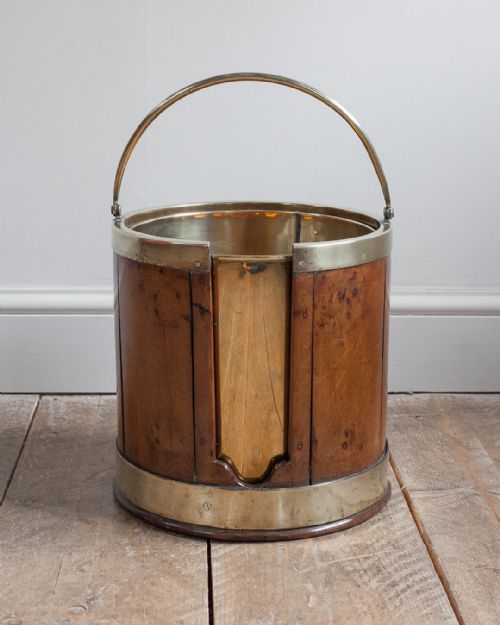
- A deep cylindrical wooden container, often brass-bound and fitted with drop handles, originally used for transporting dining plates.
- Fire cat
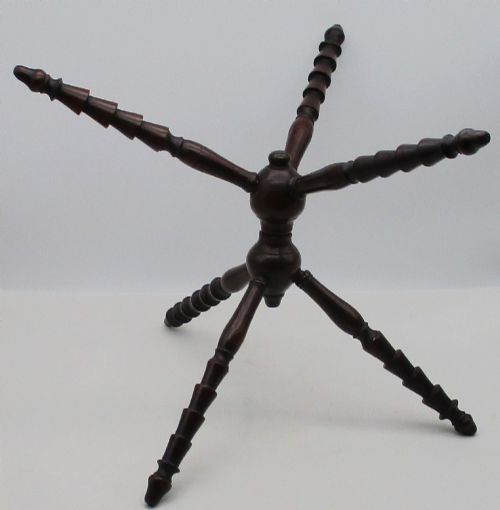
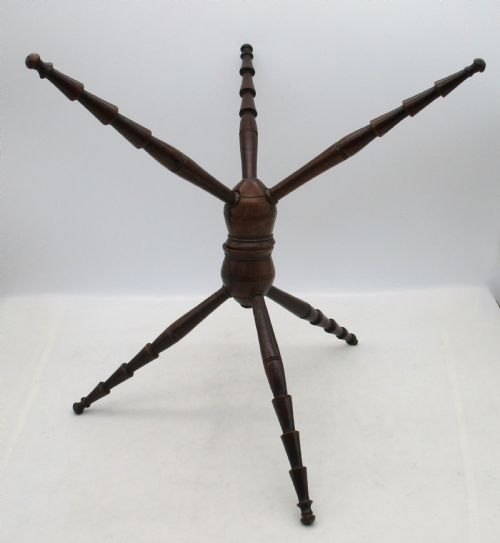
- A revolving wooden stand used beside the hearth to hold dishes or warming plates near the fire.
- Trivet
- A small three-legged metal stand or table positioned on the hearth or over coals to support kettles.
Antique Hearth Plate: Frequently Asked Questions
What is an antique hearth plate used for?
These pieces protect the back brickwork of an open fireplace from intense heat while radiating warmth back into the living space. They also encompass supportive stands and buckets designed for managing fuel and warming tableware.
Over centuries, domestic hearth accessories evolved to serve both practical thermal needs and formal dining requirements in the home.
How do I distinguish iron firebacks from other hearth plates?
Firebacks are heavy, vertical cast iron panels meant to sit permanently against the rear wall of the fireplace hearth. Other hearth plates and accessories, such as copper or brass pieces, are portable items used for warming or serving.
Examining the weight, material, and placement position clarifies whether an object is a permanent back reflector or a movable accessory.
How do I clean and maintain cast iron firebacks?
Cast iron firebacks require gentle brushing to remove soot and ash accumulation without damaging the underlying metal surface or relief work. Avoiding harsh chemical cleaners preserves the historical patina developed over generations of use.
Light application of appropriate protective oils helps prevent surface oxidation while keeping the iron in stable condition.
What periods do these fireplace accessories cover?
The available pieces span from the seventeenth century through the Georgian and Victorian eras up to the early twentieth century. Each period introduces distinct stylistic influences, from early cast iron motifs to Neoclassical Revival and Victorian heraldry.
Identifying the manufacturing era involves noting the specific metalworking techniques, timber species, and decorative design elements present on the object.