


Iron Fireplace Backplate
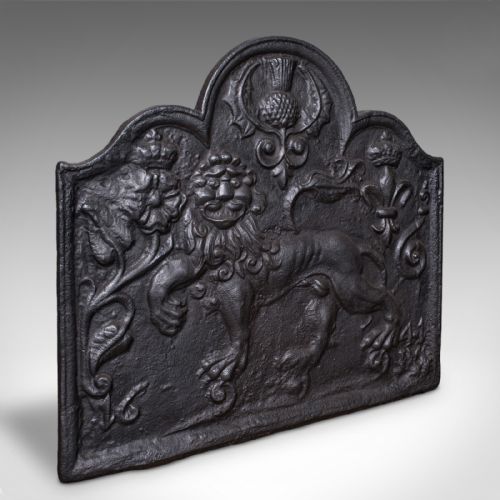
An iron fireplace backplate sits behind the hearth to radiate heat into the room and protect the masonry, bringing solid Victorian and earlier weight to a chimney.
Iron Fireplace Backplate
An iron fireplace backplate takes the form of heavy cast iron panels, fire baskets, and grates designed to manage coal and wood fires. These pieces appear primarily from the Victorian era alongside seventeenth-century and early twentieth-century examples.
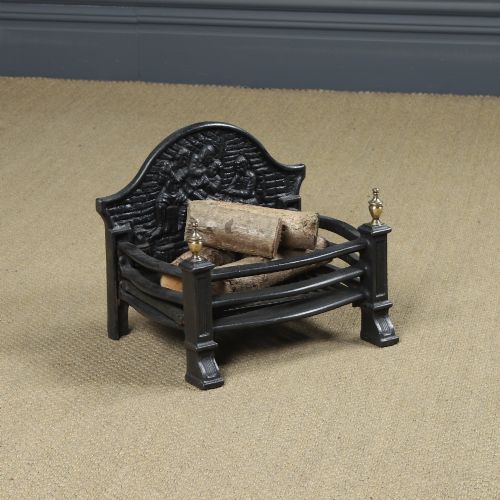
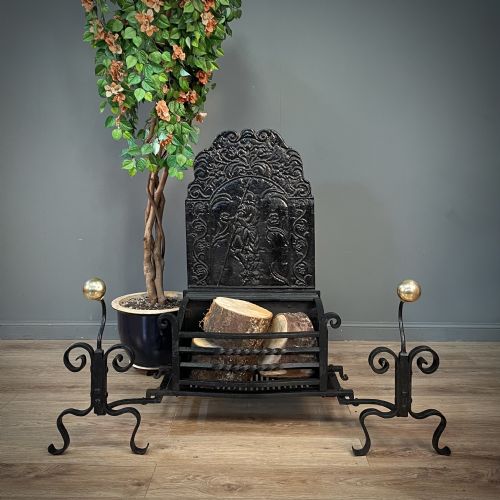
Buyers encounter firebacks, fireplace reflectors, and complete inglenook fire basket sets complete with andirons. The selection leans heavily toward nineteenth-century domestic hearth accessories featuring traditional English regional styles.
Design vocabulary on this page moves from plain utilitarian plates to decorative reliefs. Gothic Revival, Carolean Revival, Baroque, Arts and Crafts, and Classical Revival motifs dominate the surfaces.
How they were made
Foundries utilised heavy cast iron poured into sand moulds to create the durable plates and baskets seen here. Wrought iron elements appear alongside cast components to provide structural strength in fire baskets and grates.
Makers incorporated brass details on specific fireplace accessories for visual contrast against the dark iron. Firebrick linings also feature within the grate structures to withstand intense hearth temperatures.
Tree of life motifs appear on multiple firebacks, quietly inviting ancient woodland symbolism right into the Victorian parlour.
What varies in quality
Depth and crispness of the relief casting separate standard production from superior work. Early plates and better Victorian examples show sharp detail in the figures and foliage rather than softened edges from worn moulds.
Substantial thickness of the metal plate dictates durability and heat retention. Finer items combine cast iron bodywork with well-wrought iron supports and decorative brass fittings that remain tight and true.
The Iron Fireplace Backplate Glossary
- Fireback
- A heavy iron plate placed at the back of an open hearth. It absorbs and reflects heat back into the room while protecting the rear brickwork.
- Fire Basket
- An iron grate designed to hold coal or wood above the hearth floor. It often includes an integrated backplate.
- Andirons
- Horizontal metal bars supported by vertical pillars placed on the hearth to hold logs. They frequently accompany large fire baskets.
- Gothic Revival
- An architectural and decorative style drawing on medieval forms. Pointed arches and ecclesiastical motifs characterise this aesthetic on ironwork.
Iron Fireplace Backplate: Frequently Asked Questions
How do I install an iron fireplace backplate?
Place the heavy iron plate upright against the rear brickwork of the hearth, ensuring it stands secure on a level surface. Many sit independently using their own weight and feet.
Prop the plate carefully so it leans slightly backward against the chimney wall for maximum stability during fires.
What is the purpose of a fireback?
A fireback protects the brickwork of the fireplace from intense and direct heat. It also absorbs thermal energy and radiates it back into the room long after the fire dies down.
Historically, ornate examples also served as decorative centrepieces in grand rooms when the hearth was unlit during warmer months.
How do I clean cast iron fireplace accessories?
Brush away ash and soot using a soft-bristled brush or dry cloth. Avoid using water or harsh chemical cleaners which can cause rust to form on the iron.
Apply a light coating of grate polish or black lead periodically to maintain the dark finish and protect the metal from moisture.
Are these pieces suitable for burning wood?
Most of these cast iron plates and baskets are built specifically to handle solid fuel fires. Ensure your chimney and hearth dimensions accommodate the specific size of the basket or backplate.
Use seasoned wood and build moderate fires initially to let the iron adjust to thermal expansion without sudden shock.