
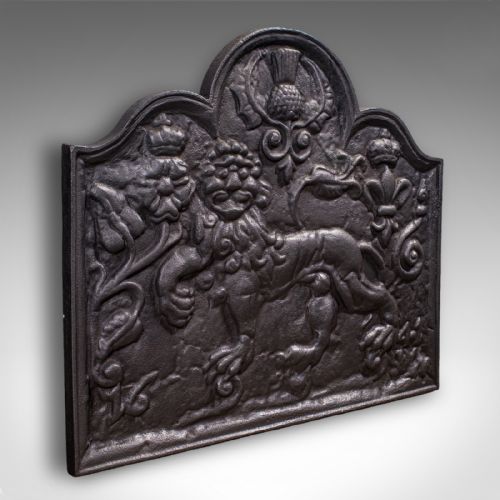


Black Iron Fireback
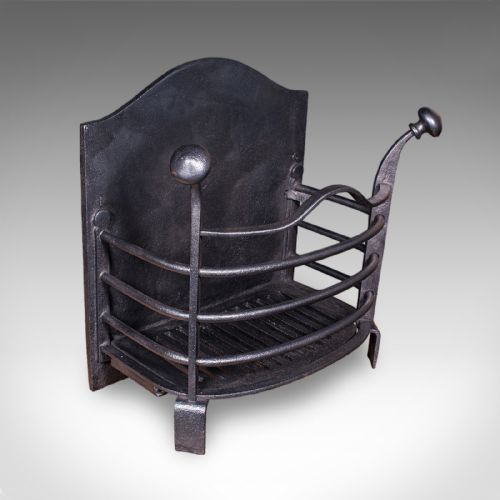
A black iron fireback protects the chimney breast and radiates heat, anchoring the hearth with substantial weight and historic revival style.
Black Iron Fireback
A black iron fireback stands against the rear brickwork of an open hearth, serving as both a functional heat reflector and a decorative centrepiece. These heavy metal plates absorb warmth from the fire and throw it forward into the room long after the flames die down.
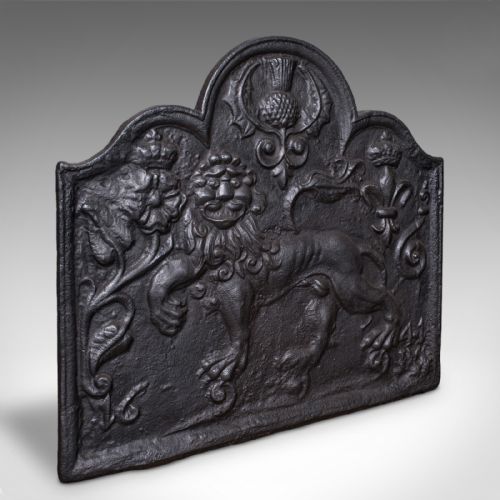
Most examples found in this selection date from the Victorian period through to nineteen hundred, alongside Georgian and nineteenth-century pieces. Common regional variations include English fireplace reflectors and French arch top designs featuring armorial motifs.
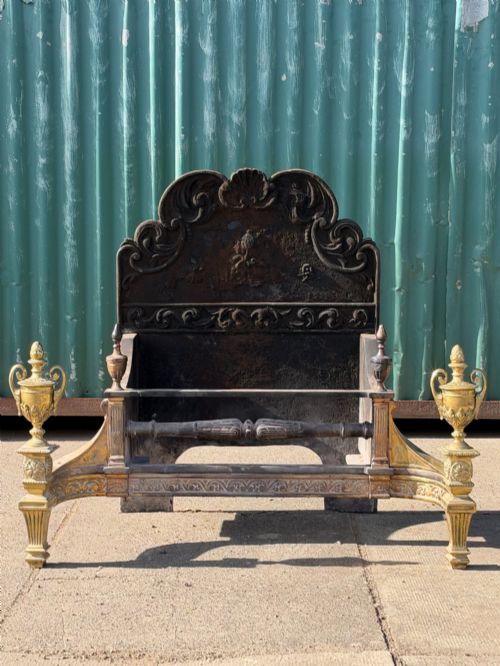
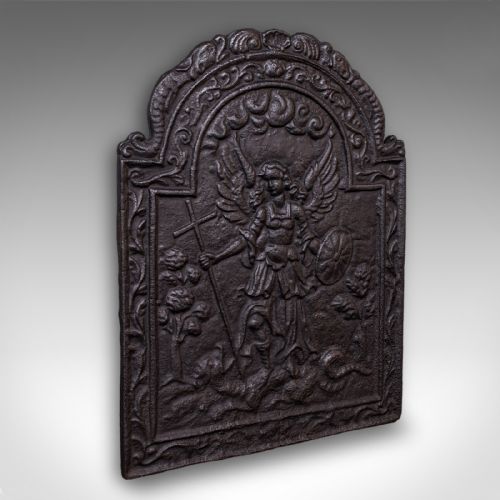
The inventory encompasses standalone firebacks as well as complete fireplace assemblies incorporating grates, fenders, and andirons. Forms range from simple rectangular relief plates to architectural church refectory panels and intricate tree of life designs.
What varies in quality
Weight and thickness dictate the substantive quality of a fireback, distinguishing heavy architectural castings from lighter domestic plates. Thicker iron plates endure sustained thermal stress and retain heat more effectively over years of use.
The depth and clarity of the relief moulding separate ordinary utilitarian plates from accomplished decorative works. Crisp casting execution in motifs like coats of arms, foliage, or figurative scenes indicates higher workshop skill.
An iron fireback absorbs the warmth of the room's past fires, glowing silently while the hearth stays cold.
The Black Iron Fireback Glossary
- Fireback
- A heavy metal plate placed at the back of an open fireplace. It protects the masonry from intense heat and reflects warmth into the room.
- Fireplace Reflector
- An alternative term for a fireback, emphasising its primary physical function of bouncing thermal energy forward.
- Andirons
- Horizontal metal bars supported by legs, used to hold logs in an open hearth. They frequently accompany firebacks and grates.
- Register Grate
- A metal fireplace insert featuring a moveable plate or damper to regulate the draught of the chimney. These integrate the firebox with surrounding masonry.
- Relief
- Sculptural projection from a flat background surface. Fireback designs utilise cast relief to create pictorial scenes and heraldic emblems.
Black Iron Fireback: Frequently Asked Questions
How do I install a fireback?
A heavy fireback stands upright against the rear brickwork of an open hearth, often supported by its own feet or tilted slightly backward for stability. It requires no permanent fixtures when the weight of the iron plate holds it securely in position against the chimney breast.
For assemblies that include grates and andirons, positioning requires careful alignment with the hearth floor to ensure the entire unit bears the weight safely during use.
Can I use a fireback with a modern fire?
These cast iron plates suit open hearths and traditional fireplace baskets burning solid fuel. They function effectively behind wood fires by absorbing and radiating heat.
Care should be taken with intense modern gas inserts to ensure the iron does not experience thermal shock from concentrated directional flames.
How do I clean black iron?
Maintenance involves brushing away ash and soot with a soft dry brush after the metal cools completely. Moisture should be avoided to prevent surface oxidation on the cast iron.
Applying traditional grate polish or blacking maintains the dark finish and protects the metal surface from atmospheric humidity in the room.
What styles are available?
The available selection spans Victorian gothic, neoclassical revival, carolean revival, and Tudor revival designs. Many pieces reflect nineteenth-century revivals of earlier historic aesthetics.
French baroque influences also appear alongside English heraldic motifs, tree of life patterns, and church refectory panels.