
Pair of Decorative Vases
When sourcing a pair of decorative vases, collectors seek matched symmetry and period craftsmanship across ceramic, bronze, and cloisonné mediums.
Pair of Decorative Vases
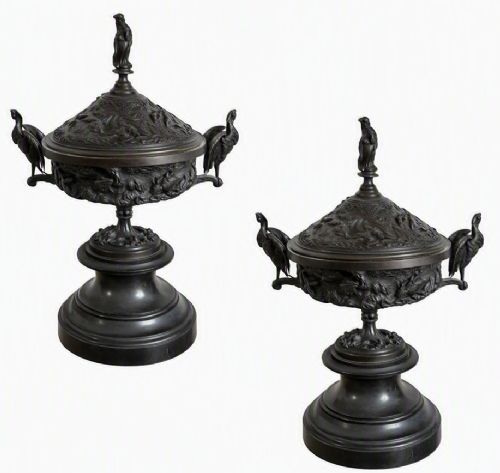
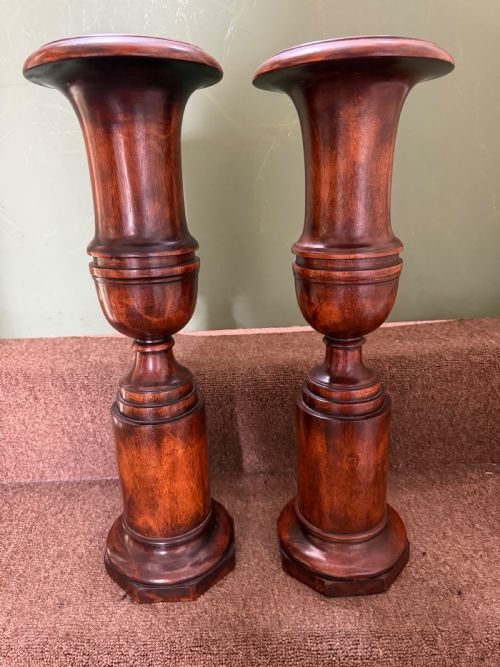
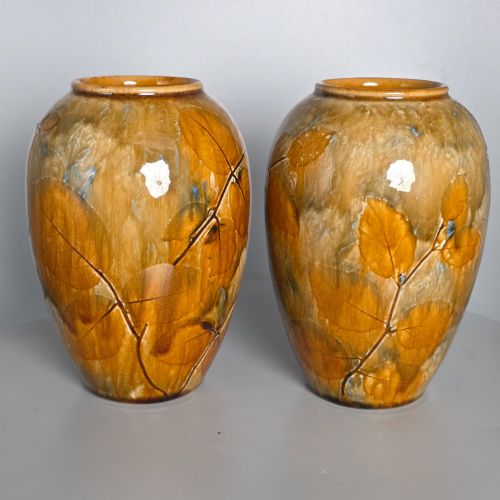
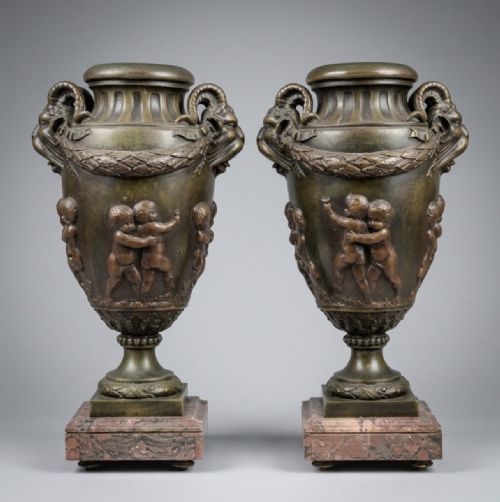
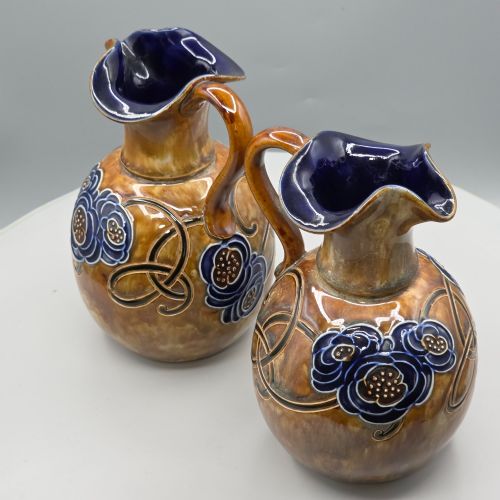
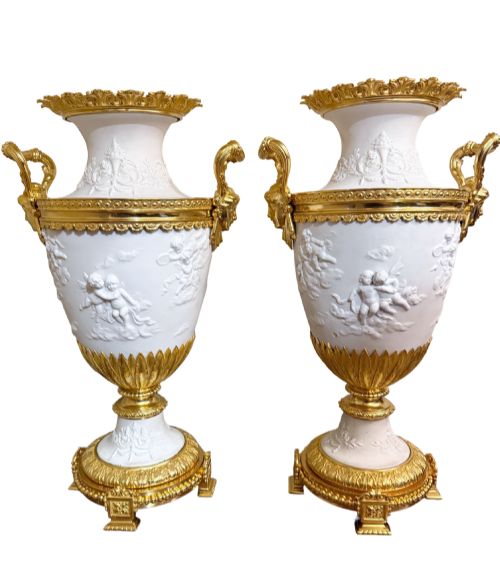
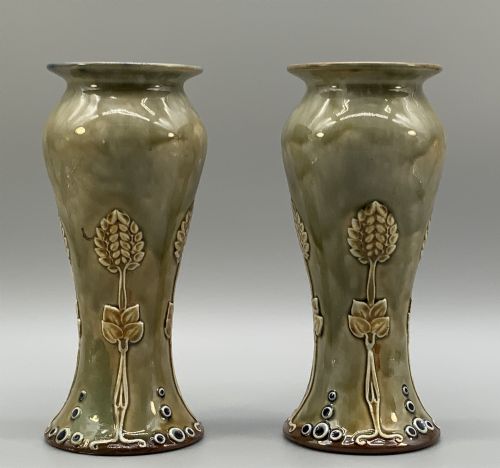
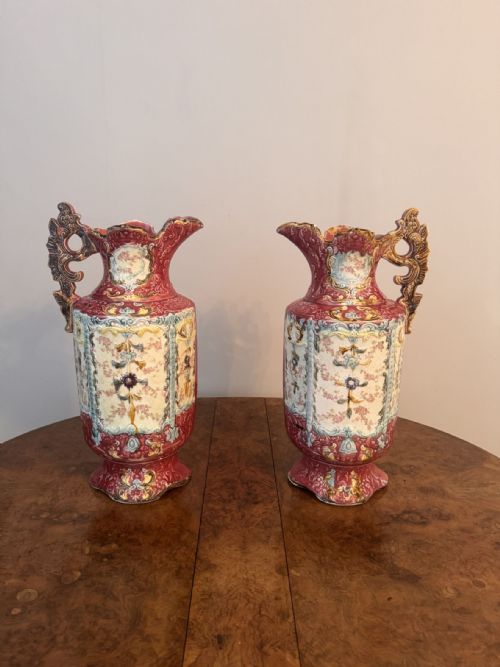
A pair of decorative vases encompasses dual display vessels created for visual symmetry on mantelpieces, tables, and pedestals. These objects frequently take the form of amphorae, baluster bodies, ewers, and lidded urns designed primarily for display rather than holding cut flowers.
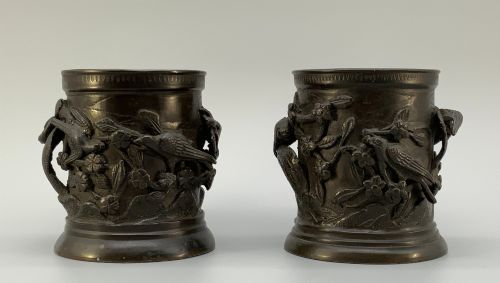
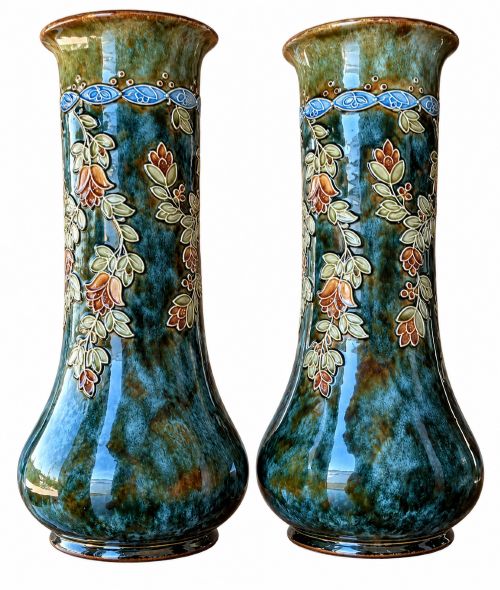
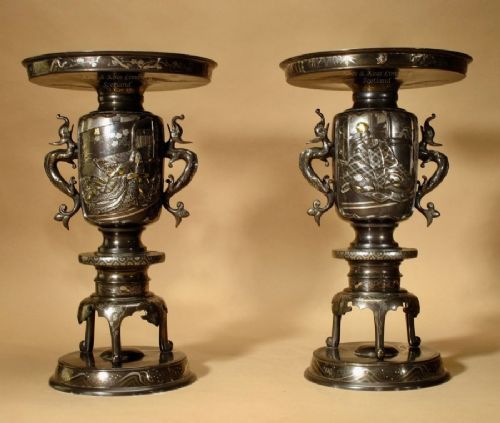
The selection ranges widely across nineteenth-century European porcelain and Japanese Meiji period metalwork. Buyers encounter earthenware from British potteries alongside continental bronzes and classical grand tour souvenirs.
How They Were Made
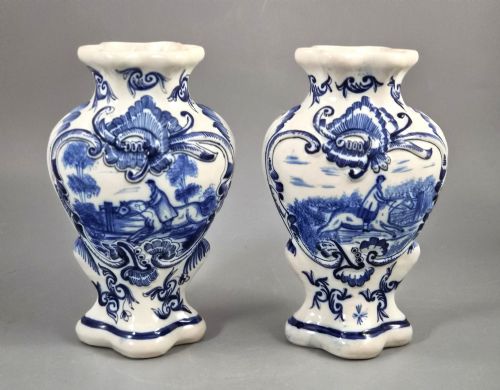
Manufacturing methods rely heavily on traditional ceramic throwing, casting, and hand-painting techniques. Porcelain and stoneware bodies receive glazes, enamels, and gilt accents before undergoing kiln firing.
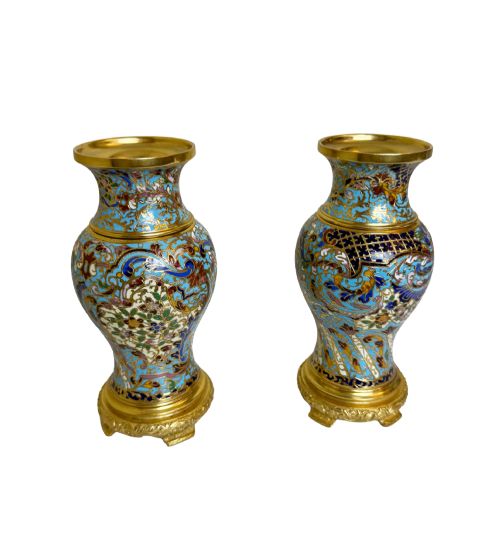
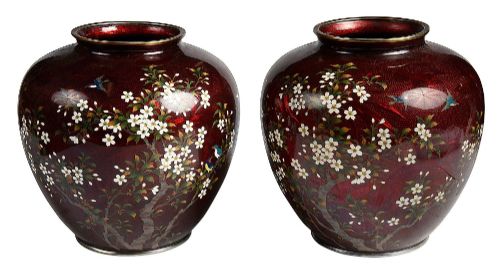
Metal vessels utilise bronze, brass, and spelter shaped through casting, chasing, and patination. Enamelling techniques such as champlevé and cloisonné incorporate wire partitions to hold coloured vitreous pastes on metal bases.
Listings feature items spanning the nineteenth century, Victorian era, and early twentieth century through the Art Nouveau and Arts and Crafts movements.
What Varies in Quality
Quality differences emerge in the crispness of surface decoration and the precision of the matched pair. Superior examples exhibit finely detailed hand-painting, crisp casting on metal mounts, and well-balanced proportions.
Material composition also dictates the grade of the piece, distinguishing standard earthenware productions from high-relief porcelain, heavy cast bronzes, and intricate multi-layered cloisonné enamels.
Royal Doulton·Royal Worcester·Nogawa Company
The Pair of Decorative Vases Glossary
- Cloisonné
- An enamelwork technique where metal wire is soldered to a base to form compartments filled with paste and fired. This method creates intricate patterns bounded by thin metal lines.
- Ormolu
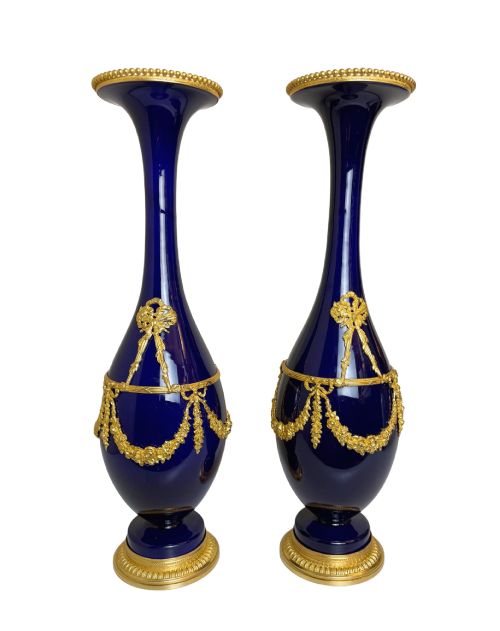
- Gilded bronze used extensively for decorative mounts on nineteenth-century porcelain and marble vessels. The technique involves applying a gold amalgam to heated bronze.
- Spelter
- A zinc alloy utilised as a less expensive substitute for bronze in nineteenth-century sculptural vessels. It typically receives a dark patinated finish to mimic genuine bronze.
- Imari
- A style of Japanese export porcelain featuring underglaze blue and iron red highlights with supplementary gold. The palette is traditionally bold and highly decorative.
- Baluster
- A vase form characterised by a bulbous lower portion tapering to a narrow neck and flared rim. This shape is frequently found in both ceramic and metal antique pieces.
Pair of Decorative Vases: Frequently Asked Questions
What are grand tour vases?
Grand tour vases are nineteenth-century bronze, marble, or terracotta replicas of ancient classical antiquities. Wealthy travellers purchased them as souvenirs of European educational journeys.
These pieces often reference famous archaeological discoveries such as the Warwick or Townley vases. They served as scholarly and decorative ornaments in period interiors.
How do I identify Satsuma ware?
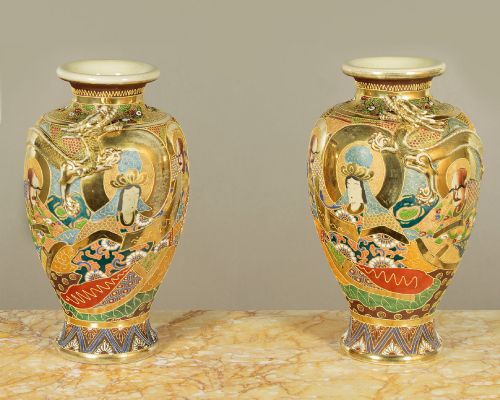
Satsuma ware is a type of Japanese earthenware featuring a distinctive ivory-coloured, crackled glaze. It is typically decorated with intricate polychrome enamel designs and gold.
Production flourished during the Meiji period for the export market. The vessels frequently depict figural scenes, flora, and fauna.
Were these vases meant for flowers?
Many decorative vases and urns were produced exclusively for visual display rather than botanical use. Pairs were designed to create symmetry on mantelpieces and sideboards.
Some forms, such as ewers and posy vases, accommodated water and stems. Others feature enclosed lids or delicate gilt mounts that preclude practical utility.
What is champlevé enamel?
Champlevé enamel involves carving or casting troughs into a metal surface to hold coloured enamel paste. The piece is then fired and polished smooth.
This technique contrasts with cloisonné by sinking the design directly into the metal plate rather than applying soldered wires.