
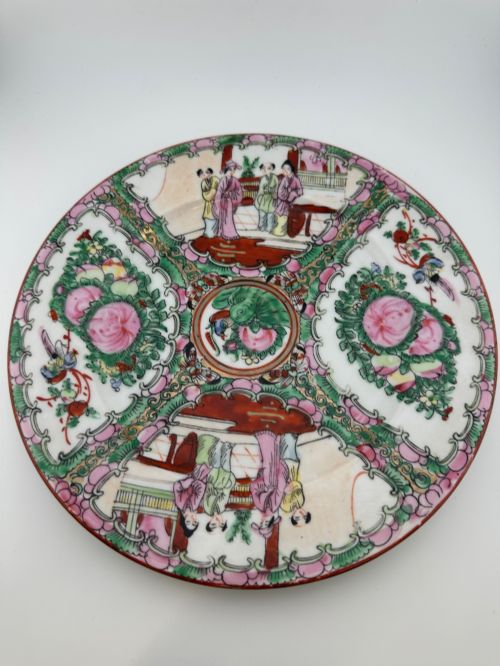
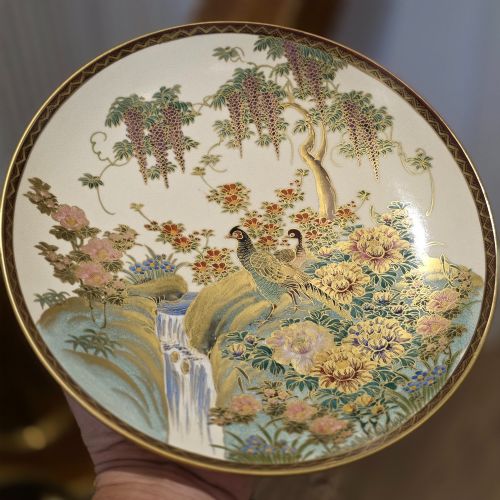
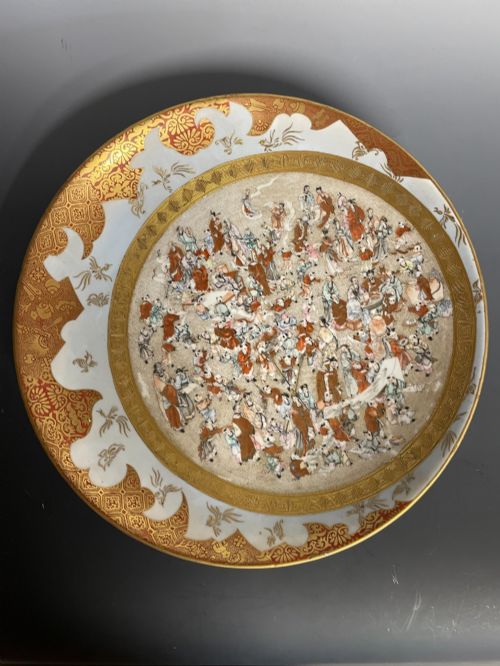
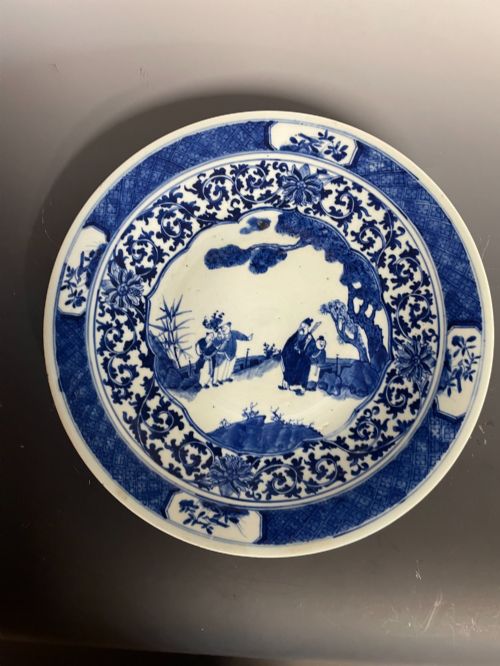






Painted Porcelain Charger
These painted porcelain charger selections bring together large decorative plates and dishes decorated with pigments and glaze across multiple centuries.
Painted Porcelain Charger
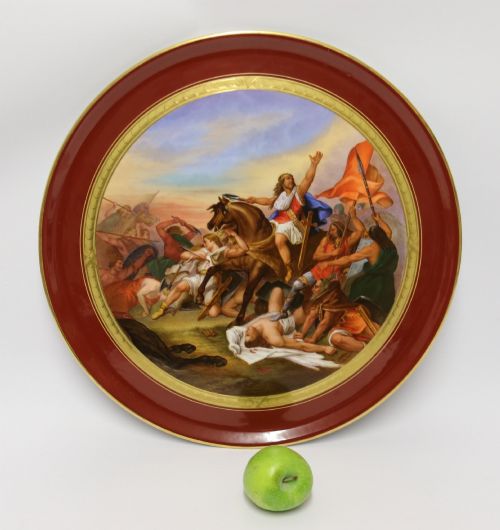
A painted porcelain charger acts as a substantial centrepiece, typically measuring larger than a standard dinner plate and designed primarily for display rather than dining. The selection spans wide geographical origins, crossing European factory traditions with Japanese and Chinese export wares.
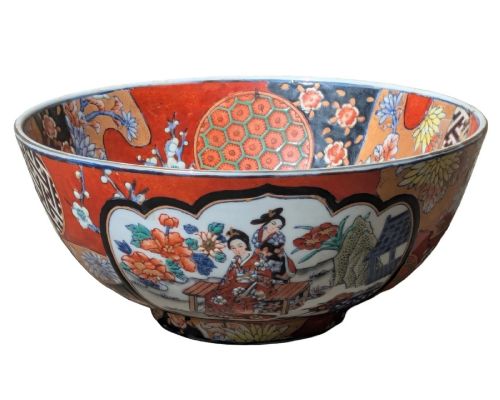
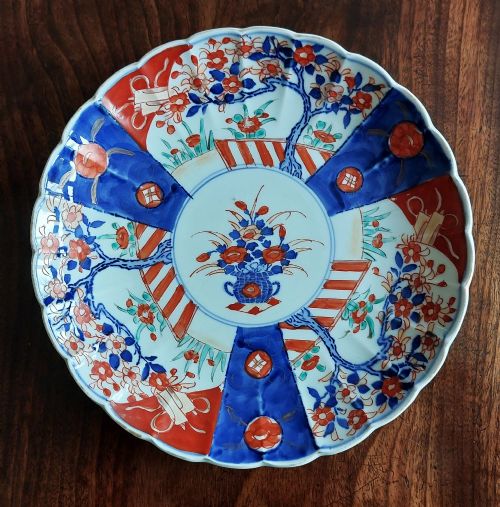
Japanese Imari pieces from the Meiji period appear frequently alongside Chinese export porcelain from the Qing Dynasty and European works from the eighteenth to twentieth centuries. Collectors encounter round, scalloped, square and hexagonal forms used traditionally for display on cabinets, walls or sideboards.
The objects take various functional descriptions in historical records, including cabinet plates, decorative bowls and large dishes. Each piece relies on ceramic bodies finished with decorative pigments, often featuring floral motifs, landscapes or heraldic crests.
Materials and production methods
Ceramic bodies form the foundation of every painted porcelain charger, created from refined clays and fired at high temperatures to achieve vitrification. Potters then applied cobalt underglaze, enamel colours and gold leaf to decorate the surfaces before subsequent kiln firings.
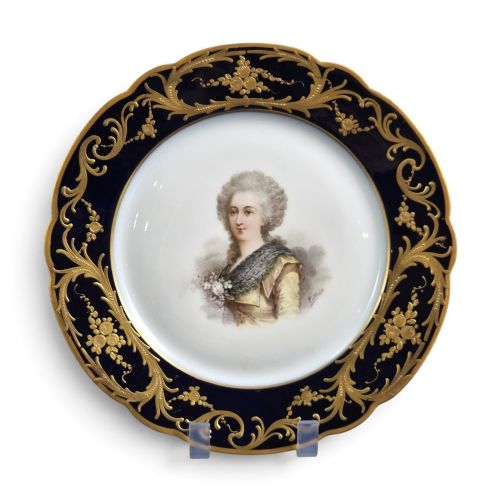
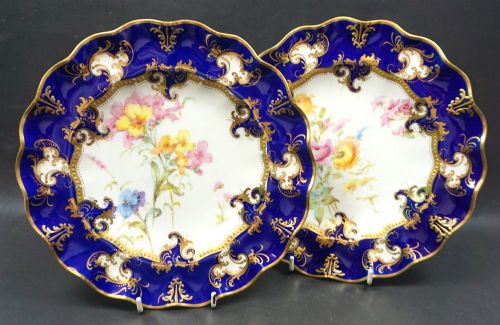
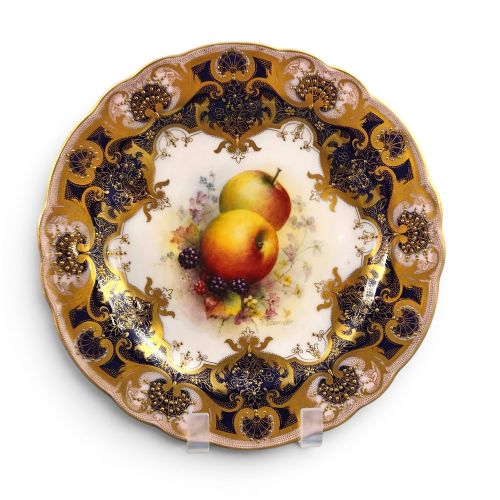
Hand painting defines the surface artwork, executed with fine brushes using mineral pigments that fuse with the glaze during firing. Gilding and enamel work add raised texture and metallic sheen, particularly evident on Japanese Meiji examples and English cabinet plates.
Assessing quality in painted porcelain
The precision of the brushwork and the clarity of the painted details dictate the visual strength of a piece. Finer works display controlled lines, nuanced colour blending in floral or portrait scenes, and careful alignment of cobalt underglaze with enamel overlays.
The weight and purity of the porcelain body, combined with the richness of the gilding and the stability of the glaze, separate standard domestic wares from exhibition-grade cabinet plates. Superior examples maintain crisp edges on moulded shapes like scallops and hexagons without warping from the kiln.
Royal Worcester·Royal Crown Derby·John Davenport of Longport·Royal Bonn·Meissen
The Painted Porcelain Charger Glossary
- Charger
- A large decorative plate or dish, traditionally exceeding the diameter of standard dinner service pieces. These objects were often displayed upright on sideboards or hung on walls.
- Imari
- A style of Japanese porcelain exported from the port of Imari, typically characterised by a palette of cobalt blue, iron red and gold on a white ceramic body.
- Famille Rose
- A major palette of Chinese ceramic glazes introduced during the Qing dynasty, distinguished by its predominant use of opaque pink or rose enamel colours.
- Cabinet plate
- A fine decorative plate produced specifically for display in a cabinet or on a wall rather than for practical dining use.
- Underglaze
- Pigment applied to the ceramic body before the application of a clear glaze and subsequent firing, protecting the design beneath a glassy layer.
Painted Porcelain Charger: Frequently Asked Questions
How were painted porcelain chargers used historically?
Historical households utilised large chargers as display pieces on sideboards or dining tables to demonstrate wealth and taste. They served primarily as decorative focal points rather than functional tableware.
Over time, smaller versions such as cabinet plates found their way into glass-fronted display furniture, where collectors could appreciate the painted details safely.
What is the difference between a charger and a plate?
Chargers are significantly larger in diameter than standard dining plates, functioning traditionally as decorative underplates or independent display items. Their generous surface area allowed artists to paint expansive landscape, floral or figural scenes.
Plates, conversely, were generally sized for individual service or standard cabinet display.
Can these porcelain chargers be hung on walls?
Many collectors display chargers on walls using specialised, non-damaging wire hangers designed to secure the rim safely. It is important to check the weight and structural integrity of the piece before mounting.
Ensuring the wall fixing is secure prevents accidental detachment, allowing the painted surface to be viewed at eye level.