





Painted Japanese Porcelain Plate
These painted japanese porcelain plate options bring together intricate hand-painted motifs and rich traditions, offering enduring appeal for display and collection.
Painted Japanese Porcelain Plate
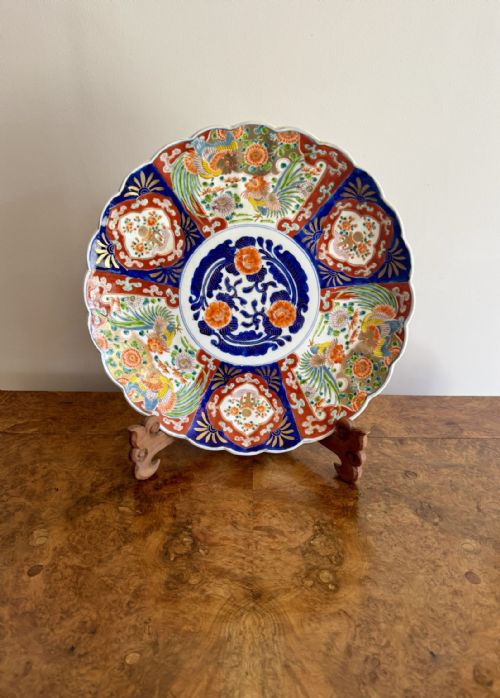
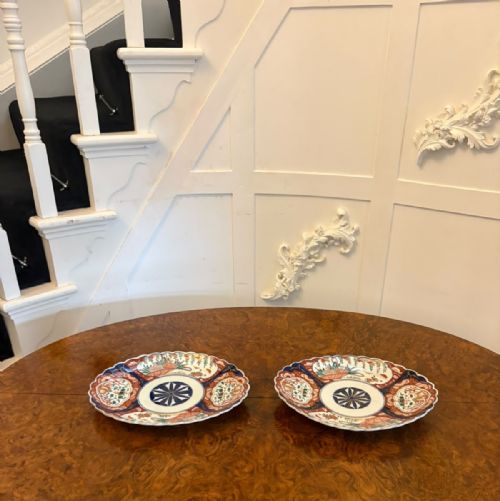
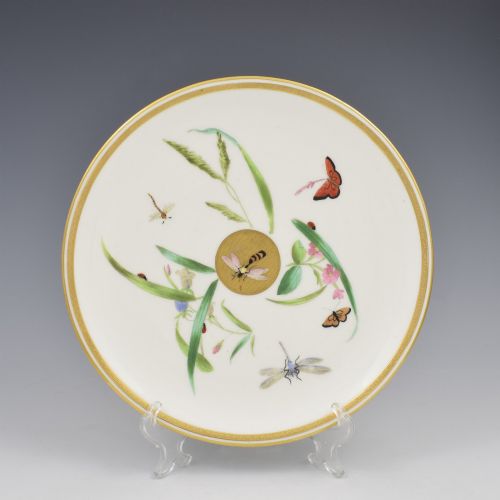
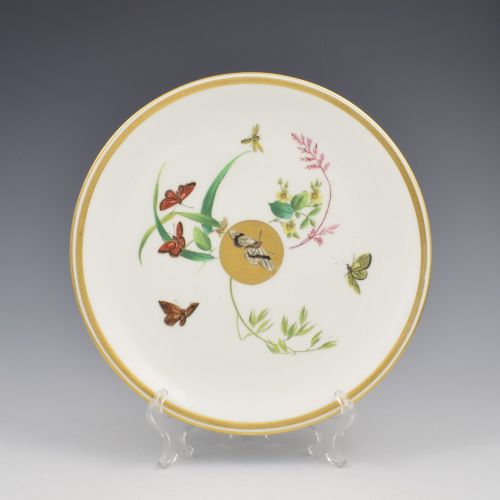
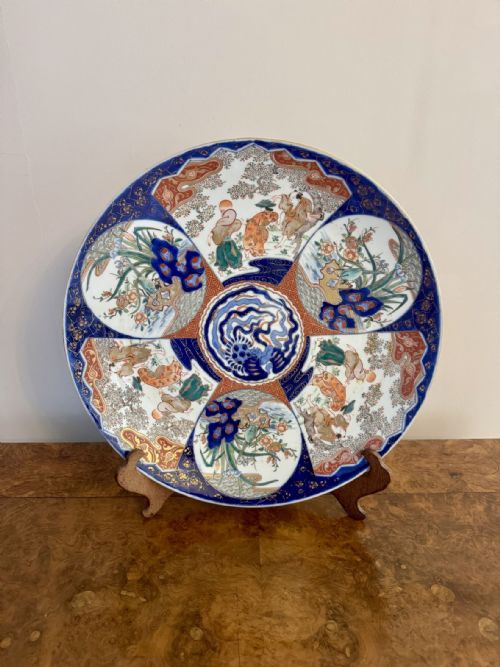
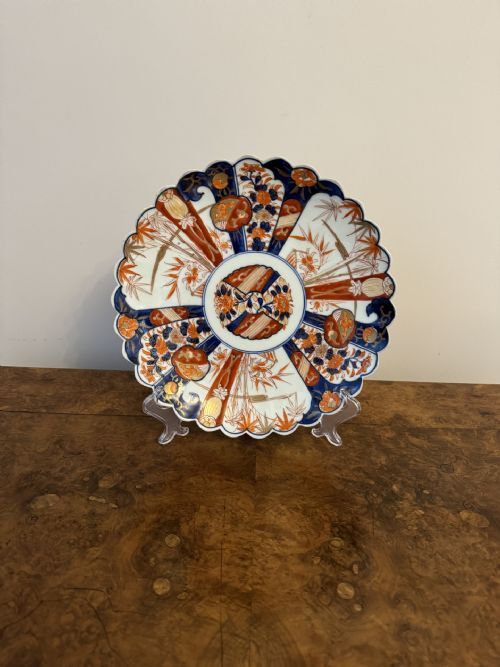
A painted japanese porcelain plate brings traditional East Asian craftsmanship into domestic interiors, often taking the form of large chargers, cabinet plates, or scalloped dishes. Buyers searching this phrase most frequently encounter nineteenth-century Meiji period examples featuring distinct regional patterns.
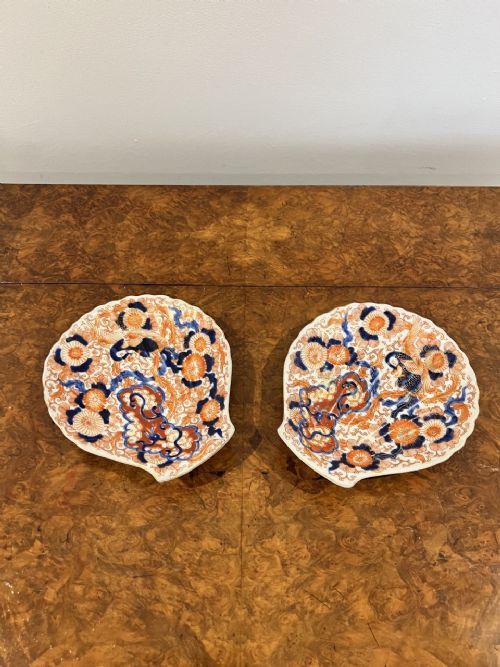
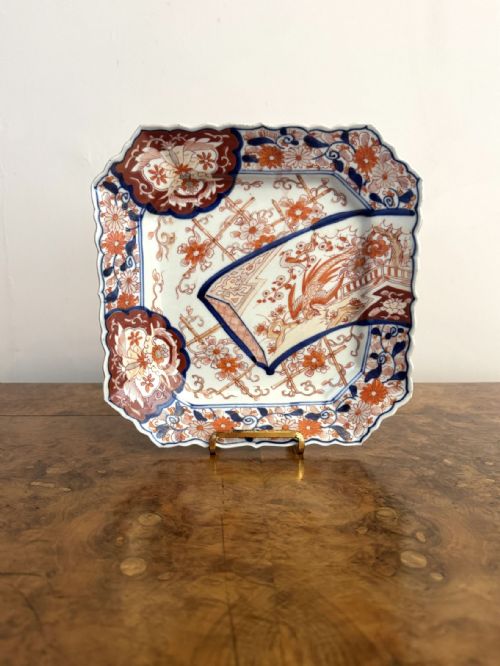
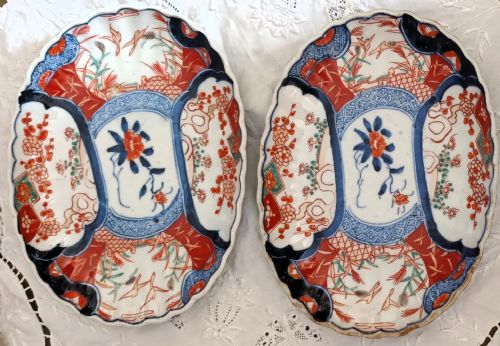
The selection ranges from traditional Imari and Kutani wares to Arita productions and European interpretations influenced by the Aesthetic Movement. These objects serve primarily as decorative wall plates or table centerpieces rather than functional dining ware.
How they were made
Potters shaped fine ceramic and porcelain bodies before applying cobalt underglaze, enamel pigments, and gold leaf highlights. Firing processes fixed the detailed pigments and glazes to the durable porcelain base.
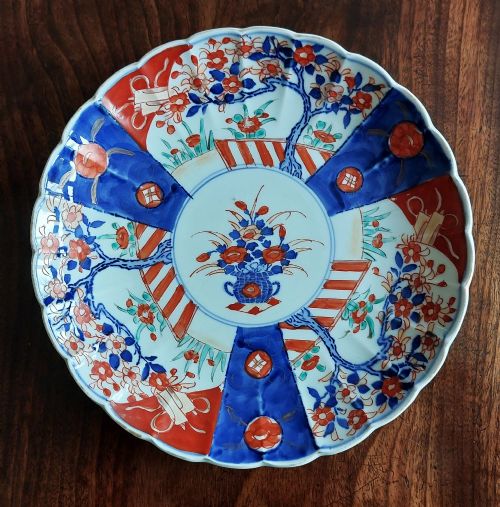
Many examples utilise hand-painted designs incorporating floral arrangements, exotic birds, and figurative scenes. Artisans combined iron red, cobalt blue, and gilt detailing to create layered visual depth across the surface.
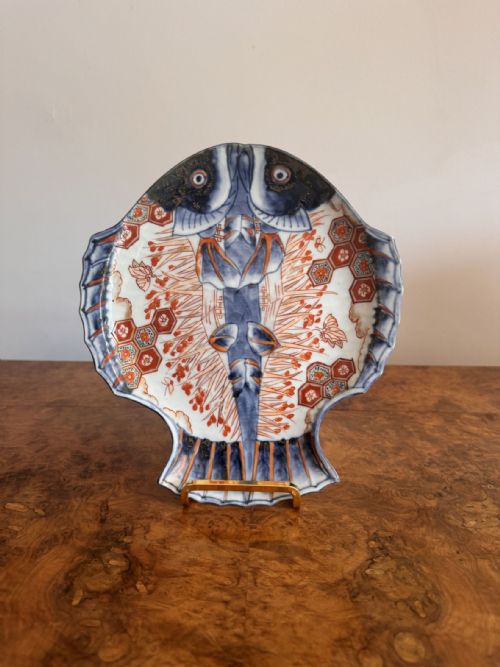
Among the formal floral chargers, certain makers shaped their porcelain into swimming fish and fluted shells just to surprise the dining table.
What varies in quality
The refinement of the hand-painted brushwork distinguishes standard production from exceptional examples, with finer pieces exhibiting precise lines and deliberate pigment application. The complexity of the composition, such as multi-figure scenes depicting the Seven Lucky Gods, indicates higher artistic ambition.
Structural variations include unusual forms like fish, oval, square, hexagonal, or shell shapes alongside standard circular chargers. The preservation of the enamel pigments and the brightness of the gold gilt significantly influence the overall character of the piece.
Koshida
The Painted Japanese Porcelain Plate Glossary
- Imari
- A style of Japanese porcelain featuring a palette of cobalt blue, iron red, and gold leaf. It originated in the town of Arita and became widely exported during the Edo and Meiji periods.
- Kutani
- A style of Japanese coloured porcelain known for bold pictorial designs and rich enamel palettes. These wares often incorporate detailed narrative scenes and stylized floral borders.
- Arita
- A Japanese town renowned for early porcelain production using local ceramic materials. Arita wares established foundational techniques for subsequent decorative export styles.
- Meiji
- A historical period in Japan spanning from 1868 to 1912, characterised by increased international trade and prolific ceramic manufacturing for export markets.
- Charger
- A large decorative plate utilised primarily for display on tables, sideboards, or walls rather than for serving food.
Painted Japanese Porcelain Plate: Frequently Asked Questions
How do I display a large charger safely?
Large decorative chargers require sturdy wall-mounted plate hangers with protective rubber tips or dedicated display stands with reliable base support. Placing them away from high-traffic areas prevents accidental knocks.
Ensuring the weight distributes evenly across the bracket keeps the porcelain secure during daily life.
What is the difference between Imari and Kutani wares?
Imari wares traditionally rely on a distinctive combination of cobalt underglaze blue, iron red enamel, and gold gilt highlights arranged in symmetrical or panelled patterns. They represent the bulk of nineteenth-century export production.
Kutani wares tend to feature bolder, painterly enamel scenes dominated by green, yellow, purple, and red pigments, often depicting birds or figures without heavy reliance on cobalt blue.
Can these plates be used for serving food?
These decorative plates and chargers function primarily as display objects rather than tableware. Older enamel and gold leaf decorations can wear down when exposed to frequent washing and cutlery.
Preserving the surface decoration means keeping these porcelain pieces away from direct culinary use and dishwashers.
How do I clean antique porcelain safely?
Cleaning requires only a dry, soft feather duster or a very gentle, dry microfiber cloth to remove surface dust. Water and chemical cleaning agents can damage vulnerable gold gilt and enamel pigments.
Avoiding moisture entirely protects the historical finish of the ceramic surface from accidental degradation.