




Traditional Japanese Imari Ceramic
Traditional japanese imari ceramic pieces are distinctive porcelain objects defined by rich pigments, offering bold colour and historic character for collectors.
Traditional Japanese Imari Ceramic
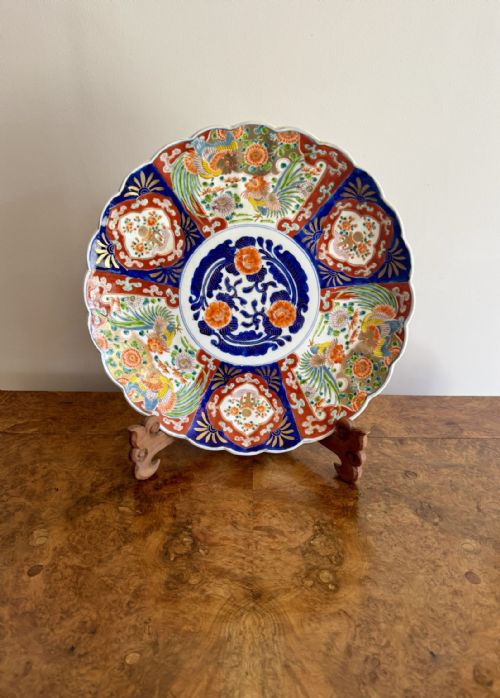
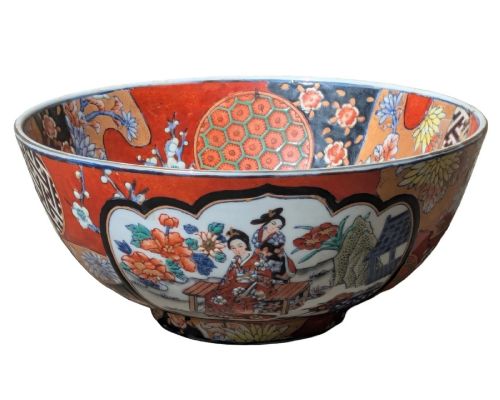
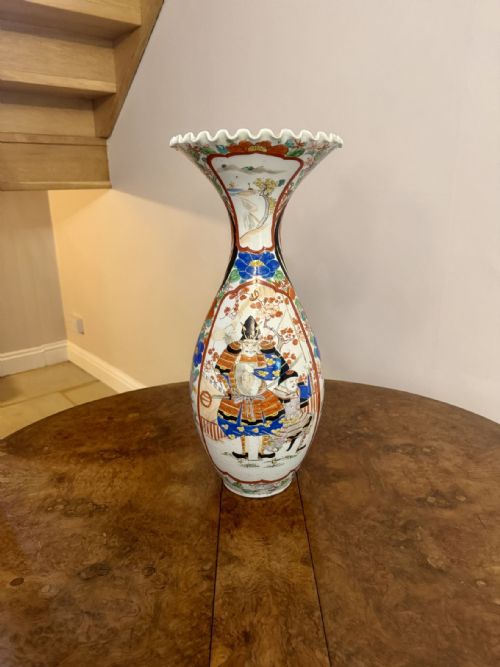
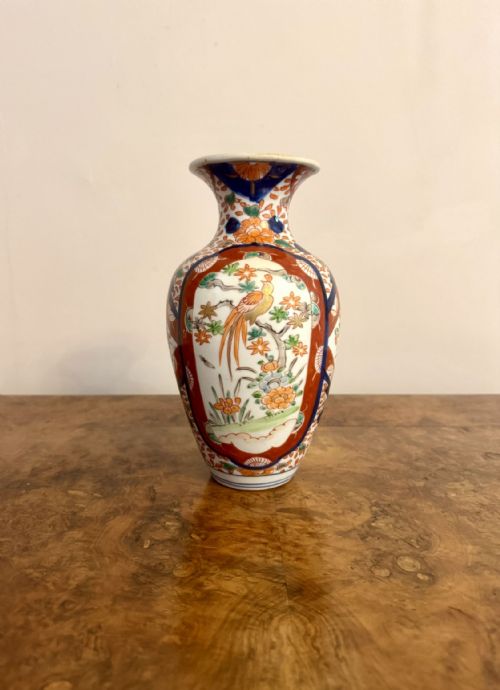
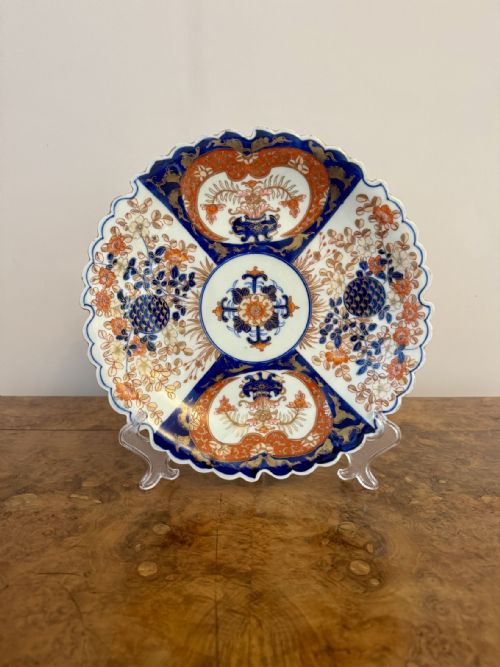
Traditional japanese imari ceramic items span decorative plates, chargers, bowls, vases, and table lamps from the Edo period, Meiji period, and the twentieth century. These domestic and ornamental vessels showcase regional ceramic artistry originating from Japanese kilns.
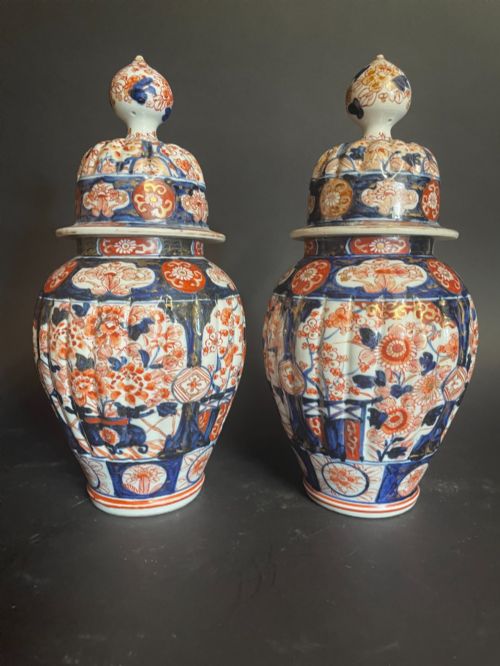
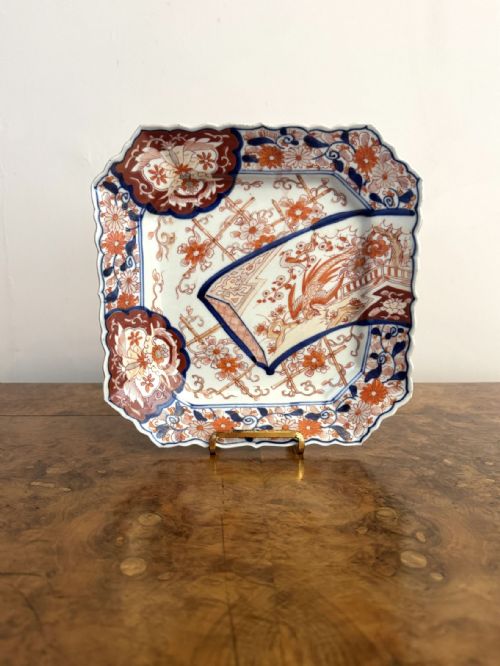
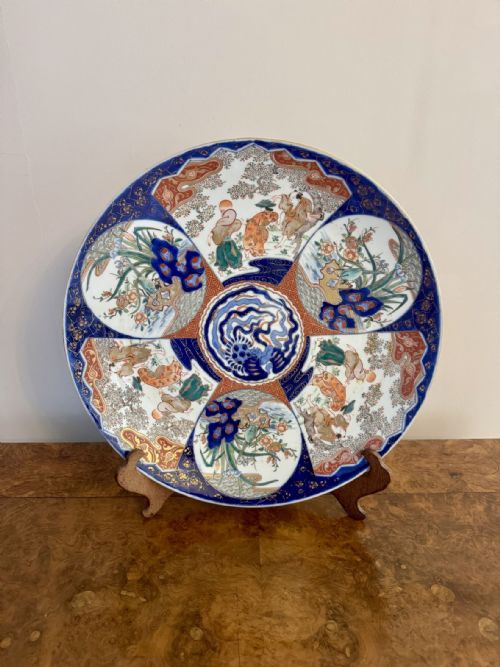
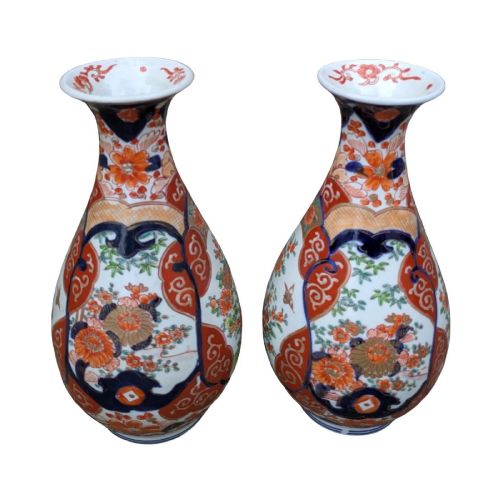
Most entries encountered on this page date from the nineteenth century and the early nineteen hundreds, including Victorian and Edwardian eras. Buyers frequently find individual plates, matching pairs of baluster vases, and large chargers designed for display.
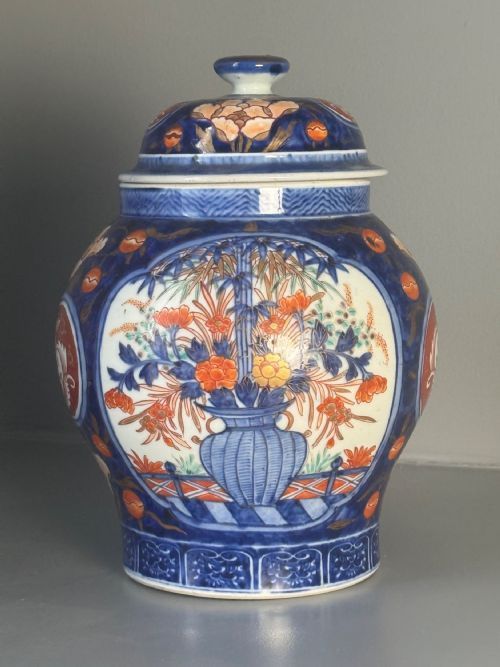
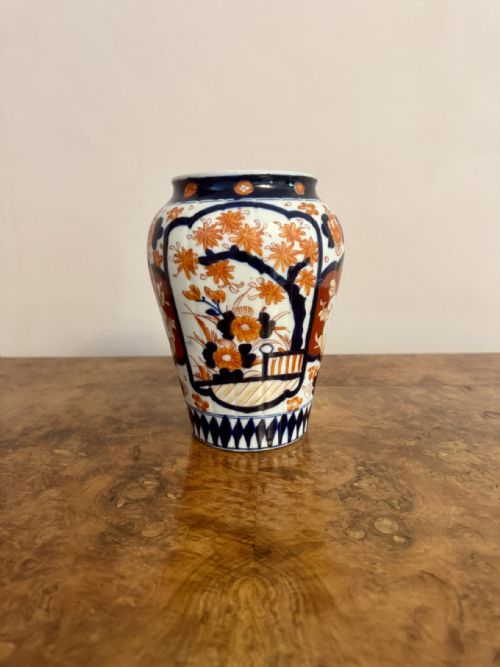
Forms range from square plates and scalloped edge dishes to jars with covers and large porcelain vases. Each piece reflects the historic output of Japanese pottery traditions carried down through generations.
What varies in quality
The precision and complexity of the hand-painted enamel work dictate the visual strength of a piece. Finer examples display intricate patterns executed with steady brushwork and balanced compositions.
The depth of the cobalt underglaze and the application of gold leaf or gilding distinguish standard items from exceptional ones. Heavier porcelain bodies and well-formed scalloped edges or square shapes also mark superior production.
Some nineteenth century vases enjoyed a second career in the twentieth century by being quietly converted into table lamps to illuminate evening tea.
The Traditional Japanese Imari Ceramic Glossary
- Charger
- A large decorative plate intended for display on a wall or sideboard rather than for table service. These substantial dishes often feature the densest painted patterns.
- Baluster
- A vase form characterised by a rounded body that tapers toward a narrow neck and flared rim. This traditional silhouette provides a stable base for complex surface decoration.
- Cobalt Underglaze
- A blue pigment applied to the raw porcelain body before glazing and firing. This technique protects the pigment beneath a glassy protective layer.
- Gilding
- The application of gold leaf or gold paint onto the ceramic surface. It highlights specific design elements and adds contrast against the darker underglaze.
- Scalloped
- A curved, wavy edge profile shaped into the rim of plates and bowls. This decorative contour adds organic movement to rigid ceramic forms.
Traditional Japanese Imari Ceramic: Frequently Asked Questions
How are traditional japanese imari ceramic pieces cleaned?
Dust these porcelain objects gently with a soft, dry cloth to remove surface particles.
Avoid using harsh chemical detergents or abrasive scrubbers, as these substances can damage the delicate enamel and gold leaf layers.
Can these plates and bowls be used for food?
Historic decorative plates and chargers serve primarily as ornamental display items rather than functional tableware.
Historic glazes and enamels may not meet modern food safety standards, so keeping them as decorative pieces is standard practice.
How do I identify a Meiji period piece?
Meiji period items generally date from the late nineteenth or early twentieth century, reflecting the artistic output of that specific imperial era.
Look for distinctive combinations of cobalt underglaze and vibrant enamel colours typical of this time of expanded export production.
Where should I display large chargers?
Large chargers look best mounted securely on walls using specialist plate hangers or displayed upright on sturdy plate stands.
Position them away from direct sunlight and areas of heavy household traffic to protect the porcelain and surface gilding.