


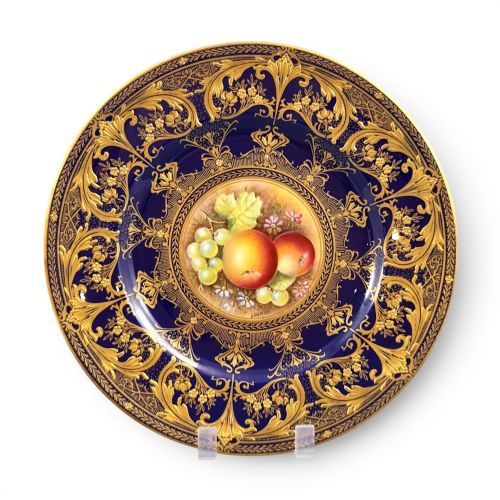

Vintage Decorative Porcelain Plate
These vintage decorative porcelain plate examples bring colour and character to a room, offering skilled painting and traditional form.
Vintage Decorative Porcelain Plate
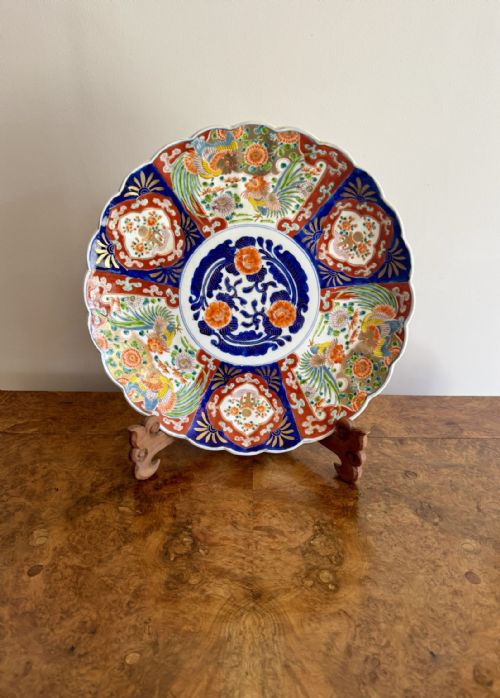
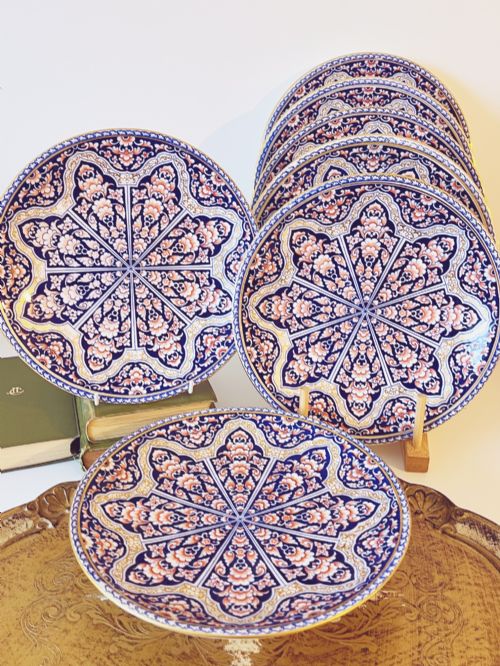
A vintage decorative porcelain plate sits among the cabinet plates, chargers and dishes that appear across this selection. Pieces stem from periods spanning the Victorian era through to the mid-twentieth century, alongside Japanese Meiji and Imari examples.
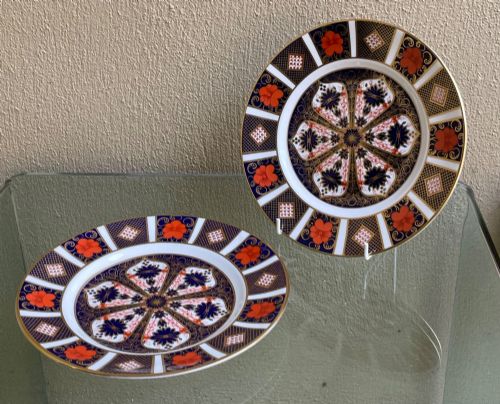
Makers such as Royal Worcester, Royal Crown Derby and Minton provide many of the English plates. Japanese Imari and Satsuma wares also feature prominently alongside blue and white chargers and ironstone vessels.
How they were made
Potters shaped ceramic clay into plates, dishes and chargers before applying glaze. Enamel colours and gold leaf embellishments were then hand painted and fired.
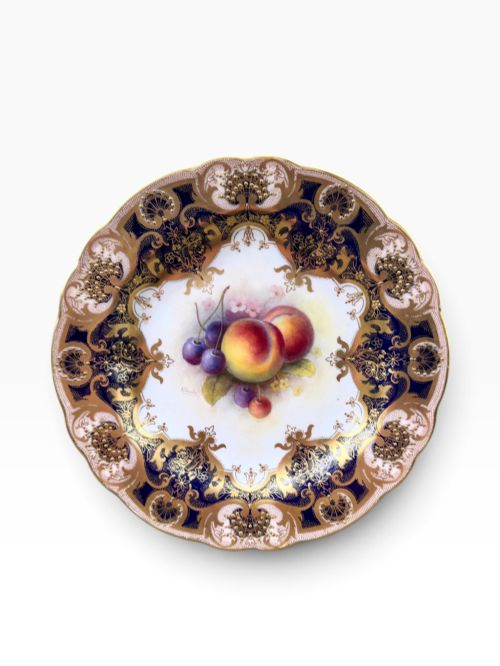
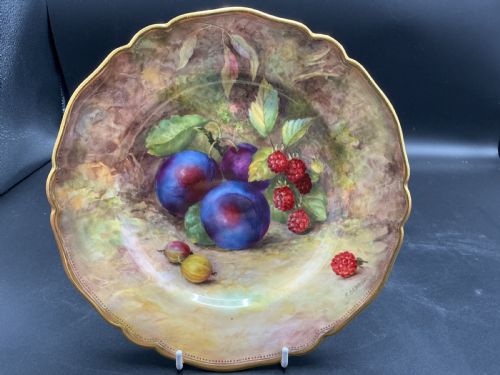
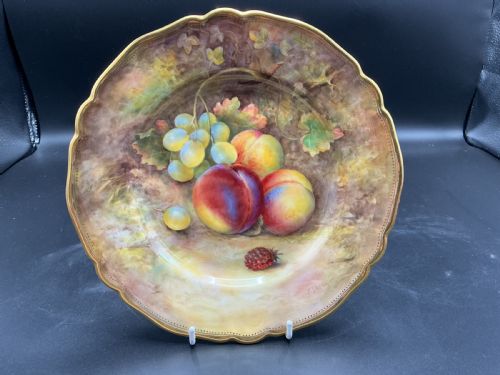
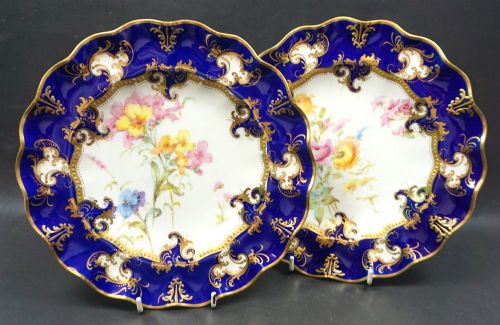
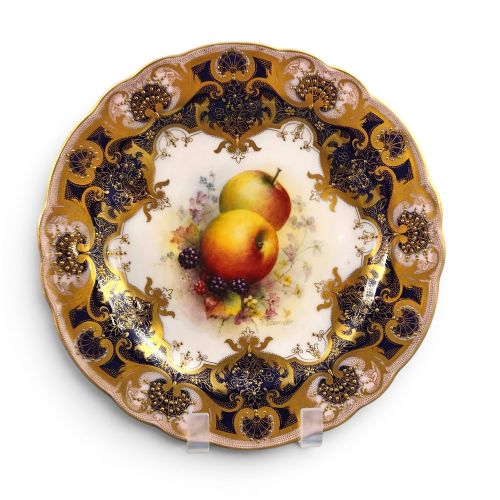
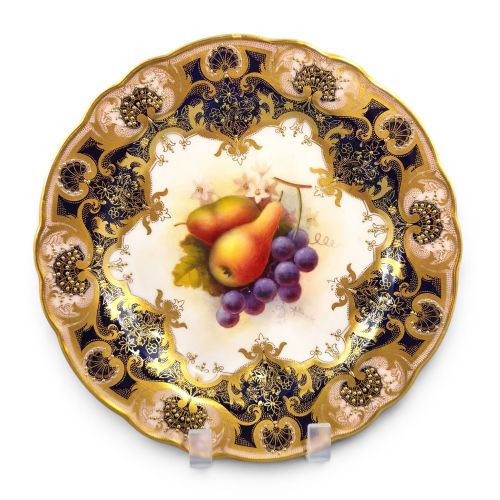
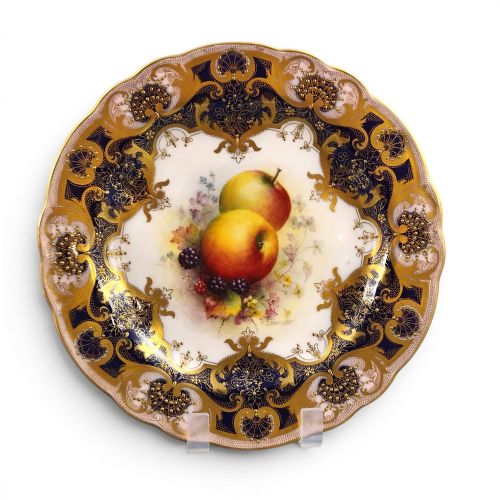
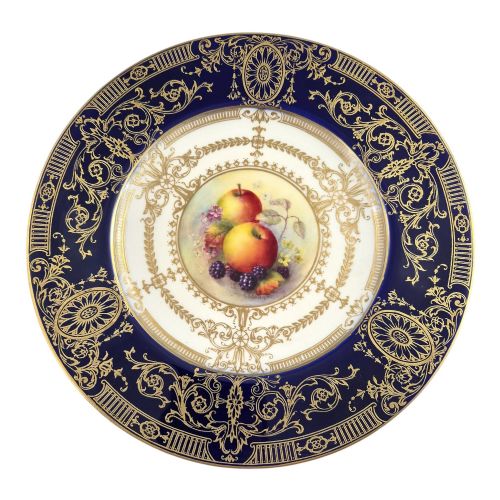
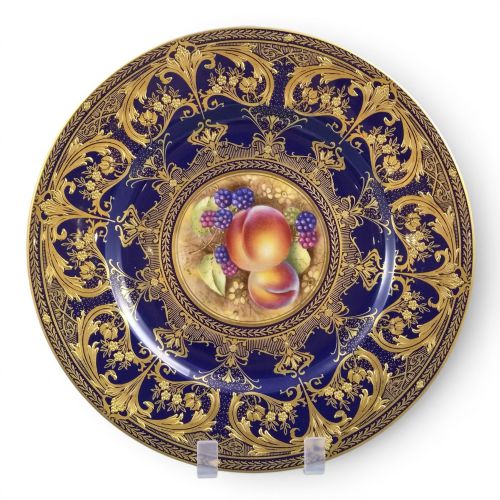
Gilding and fine brushwork define the decorative surfaces, particularly on cabinet plates where artists signed their work.
Listings span periods from the Victorian era to the mid-twentieth century, featuring porcelain, bone china, enamel and gold leaf.
What varies in quality
Quality rests upon the skill of the painting and the crispness of the porcelain body. Hand painted fruit studies and intricate Imari patterns separate standard factory output from pieces produced by notable artists.
The precision of the gilding and the depth of the glaze application determine the visual impact of each charger or dish.
Royal Worcester·Royal Crown Derby·Minton·Royal Doulton
The Vintage Decorative Porcelain Plate Glossary
- Cabinet plate
- A decorative plate intended for display in a cabinet rather than for dining use. These often feature detailed hand painted scenes or rich gilding.
- Charger
- A large decorative plate or platter used historically for service or display. They frequently measure over thirty centimetres in diameter.
- Imari
- A style of Japanese porcelain decorated in underglaze blue, iron red, gold and secondary colours. The tradition heavily influenced European manufactories during the nineteenth century.
- Bone china
- A type of soft paste porcelain containing bone ash. The material yields a bright white, translucent body suitable for fine painting.
Vintage Decorative Porcelain Plate: Frequently Asked Questions
How are cabinet plates displayed?
Cabinet plates fit into specialised wall wire hangers or rest upon plate stands inside glass fronted furniture. This keeps the painted surfaces safe from accidental damage.
Larger chargers often utilise sturdy wall brackets due to their substantial weight and diameter.
Can these plates be used for food?
Most pieces function purely as decorative items rather than tableware. Historic glazes and delicate gold leaf decoration can wear down with everyday use.
Wash surfaces gently by hand with warm water if cleaning becomes necessary, avoiding dishwashers entirely.
What is an Imari plate?
Imari pieces originate from Japan, featuring distinctive patterns in iron red, dark blue and gold. European factories quickly adopted similar palettes.
These designs cover the surface in dense geometric and floral motifs.
How do I date a porcelain plate?
Maker marks stamped or painted on the underside provide the primary clue for dating English ceramics. Different symbols and cyphers correspond to specific decades of production.
Stylistic cues such as border patterns and colour palettes help identify Japanese examples from the Meiji period.