




Imari Ware Wall Dish
An imari ware wall dish brings vibrant colour and complex patterns to a room, offering centuries of ceramic artistry for display.
Imari Ware Wall Dish
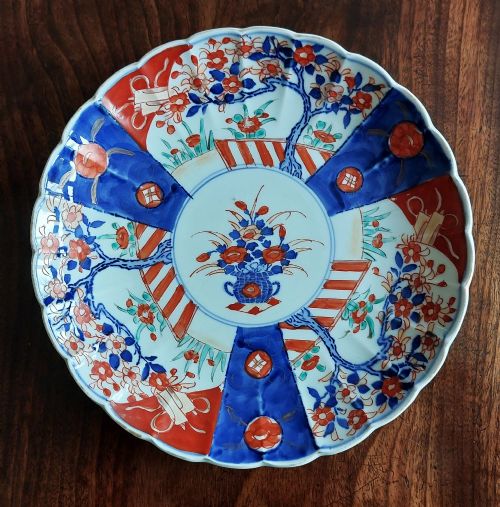
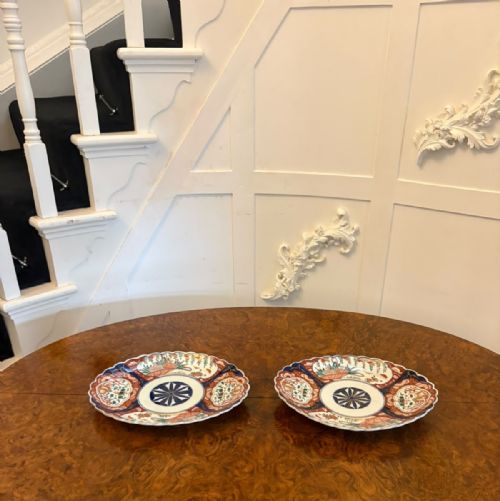
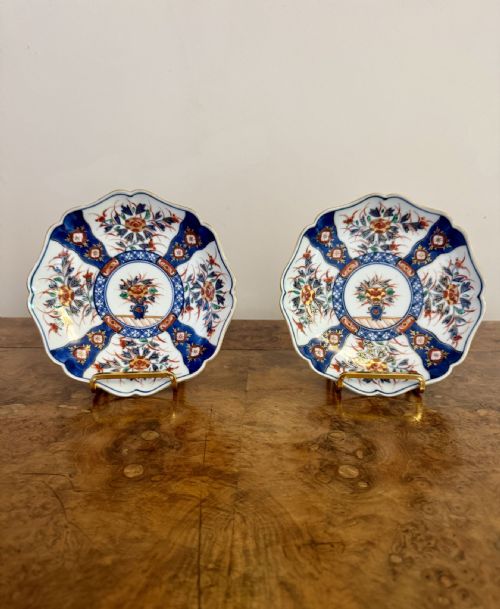
An imari ware wall dish represents a rich tradition of Japanese ceramic production, originating in the kilns of Arita and prized for centuries across global markets. Buyers searching for this phrase seek ornamental ceramics designed for visual impact, often taking the form of large chargers, deep bowls, or shaped plates intended for prominent display.
The pieces available on this page span several key eras, stretching from early 17th century pieces through to the Meiji period and late 19th century production. While earlier examples provide a direct link to the Edo period, the majority of items met here date from the later nineteenth and early twentieth centuries, offering robust examples of traditional decorative forms.
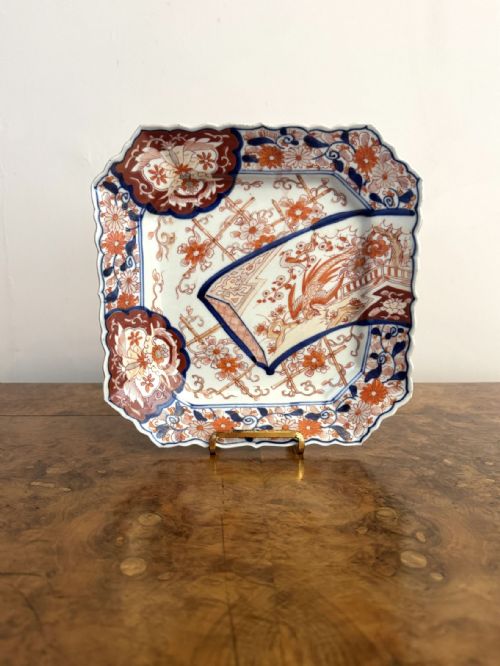
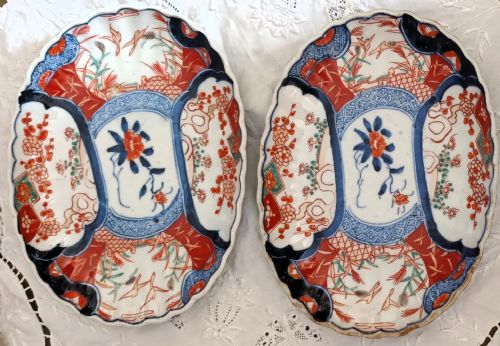
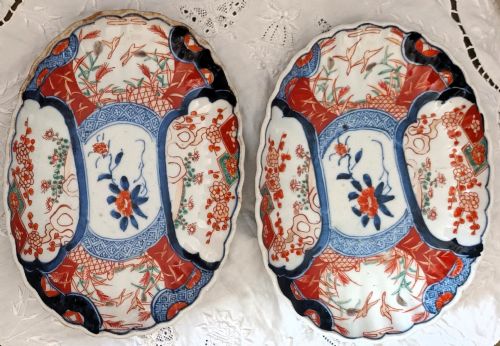
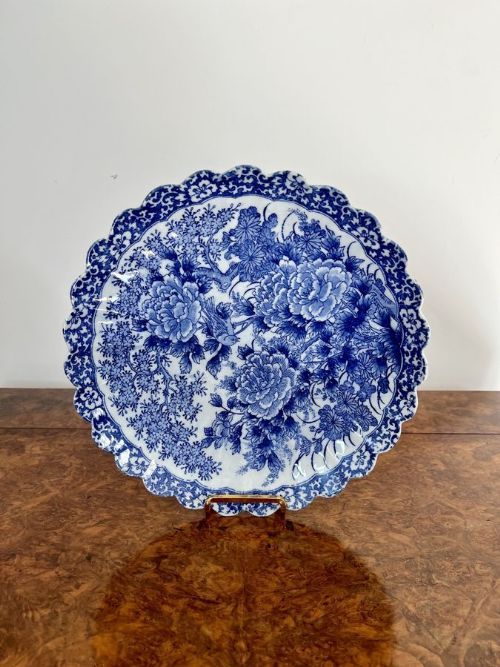
The physical shapes vary beyond simple circular platters to include oval, square, hexagonal, shell, and fan forms, alongside classic scalloped edges. These diverse geometries allow collectors to match specific interior spaces while engaging with a deeply rooted decorative vocabulary.
Materials and technique
The foundation of every imari ware wall dish is fine porcelain, shaped and fired to create a durable ceramic body. This material supports the heavy application of pigments and glazes required for the distinct traditional aesthetic.
Decoration relies upon a combination of cobalt glaze for deep blue underglaze designs, paired with vibrant red enamel and accents of gold leaf or gilt. This palette creates the signature layered contrast that defines the style, applied by hand across the ceramic surface.
Object forms found on the site range from standard circular plates and deep chargers to specialised fan, shell, and square geometries.
Assessing quality
The distinction between standard output and finer examples rests upon the precision of the hand-painted detailing and the crispness of the cobalt and enamel application. Superior pieces demonstrate meticulous brushwork within complex scrolling foliate borders and central motifs.
Form and proportion also dictate the standing of a dish, with unusual shapes such as fan or shell configurations often showing higher ambition in the original kiln output. The preservation of the enamel glaze and gold leaf accents over centuries of handling remains central to the visual success of any piece.
The Imari Ware Wall Dish Glossary
- Imari ware
- Japanese porcelain traditionally produced in Arita and exported from the port of Imari, known for a palette dominated by underglaze blue, iron red, and gold. This style developed during the Edo period and gained immense popularity in Europe.
- Charger
- A large decorative plate intended primarily for display on a wall or sideboard rather than for dining use. These substantial pieces often showcase the most elaborate painted compositions.
- Aka-e
- A Japanese term meaning red picture, used to describe ceramics decorated with iron-red enamel overglaze. This technique forms a core component of the multi-coloured imari aesthetic.
- Edo period
- A period in Japanese history spanning from sixteen hundred and three to eighteen hundred and sixty-eight, characterised by economic growth and the flourishing of arts including Arita porcelain production.
- Meiji period
- The era of Japanese history lasting from eighteen hundred and sixty-eight to nineteen hundred and twelve, which saw a surge in the export of decorative arts tailored for Western tastes.
Imari Ware Wall Dish: Frequently Asked Questions
How do I hang an imari ware wall dish safely?
Displaying these chargers requires a secure, properly sized spring hanger that grips the rim firmly without putting undue pressure on the porcelain body. Ensure the wall fixing is anchored securely to support the weight of the ceramic.
Position the dish away from direct sunlight and high traffic areas to protect the delicate enamel and gold leaf details from accidental impact or fading over time.
What is the difference between Edo and Meiji pieces?
Edo period items date from before eighteen hundred and sixty-eight and represent the earlier foundational traditions of Arita kilns. These often possess a quieter historical dignity in their brushwork and forms.
Meiji period pieces belong to the late nineteenth and early twentieth centuries, a time when production expanded rapidly to meet international demand, frequently resulting in busier patterns and bolder enamel colours.
Were these dishes used for serving food?
While technically formed as vessels, larger chargers and decorative plates were primarily intended for visual display in Japanese interiors and European stately homes alike. Their elaborate painted surfaces made them status symbols rather than functional tableware.
Using them for daily dining would risk damaging the overglaze enamels and delicate gold leaf decorations applied across the porcelain.
How do I clean an antique imari dish?
Maintenance requires only a gentle dusting with a soft, dry cloth to remove surface particles. Avoid using water, abrasive cleaners, or chemical solvents, which can lift the fragile red enamels and gilt highlights.
If deeper cleaning is necessary, consult a professional conservator rather than attempting wet cleaning at home, particularly on pieces with visible wear to the glaze.