



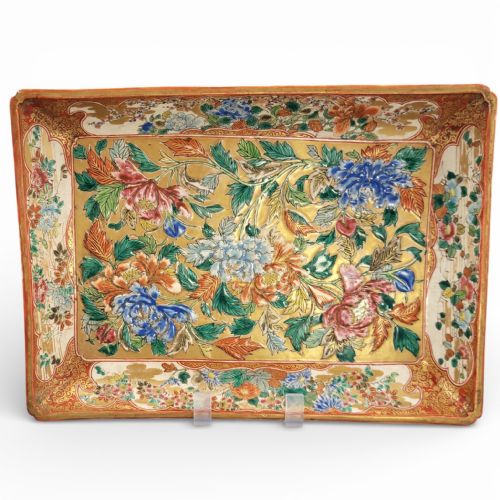


Oriental Porcelain Serving Platter
An oriental porcelain serving platter brings centuries of East Asian kiln craft to the dining table, offering robust utility and bold decorative presence.
Oriental Porcelain Serving Platter
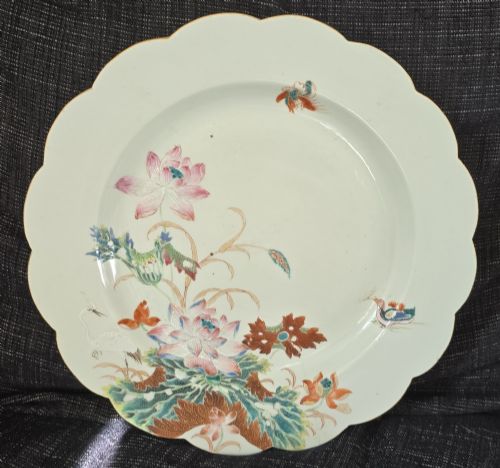
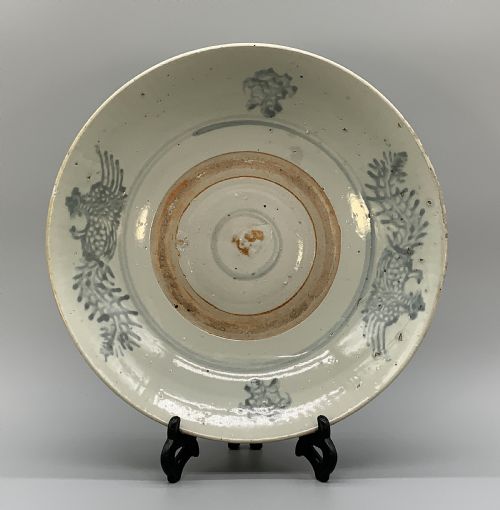
An oriental porcelain serving platter encompasses large chargers, deep dishes, and shaped plates originating from Chinese and Japanese kilns across several centuries. The selection on this page leans heavily toward Japanese Imari wares from the turn of the twentieth century, alongside earlier Chinese export and Ming dynasty pieces.
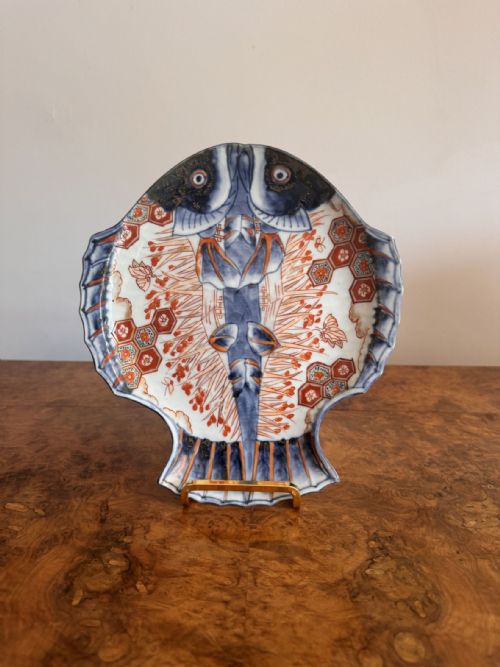
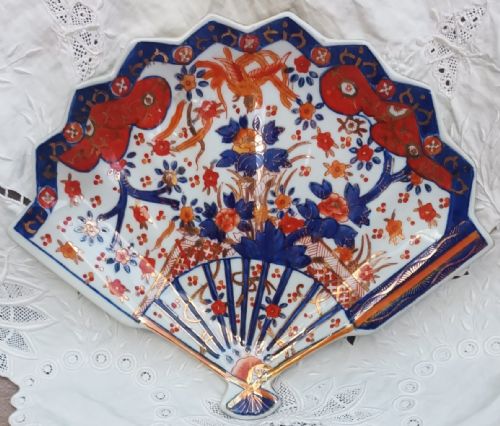
Makers fashioned these large serving pieces for both domestic utility and international trade, resulting in robust platters designed for heavy table use. Oval, square, fan-shaped, and fish-form vessels demonstrate the versatility demanded by patrons who required functional serving ware with strong visual appeal.
Assessing Quality
Quality rests in the precision of the hand-painted brushwork and the clarity of the cobalt underglaze against the porcelain ground. Superior pieces display crisp botanical or avian motifs without smudging, whereas lesser examples show hurried or repetitive application.
The weight of the hard-paste body and the even distribution of gold leaf or enamel accents indicate the skill of the original workshop. Plates with unusual forms, such as fish or fan shapes, demand greater technical mastery from the potter than standard rounds.
At least one nineteenth-century maker abandoned standard geometry entirely, shaping a resilient porcelain serving platter into the uncanny form of a swimming fish.
The Oriental Porcelain Serving Platter Glossary
- Hard-paste porcelain
- A dense, vitrified ceramic made from kaolin and petuntse fired at very high temperatures. This material resists scratching and holds intricate painted details securely.
- Imari
- A traditional Japanese style of porcelain featuring a distinctive palette of cobalt blue, iron red, and gold. Artisans produced these vibrant wares primarily for export during the Edo and Meiji periods.
- Underglaze
- Pigment applied to the ceramic body before the application of a clear glaze and subsequent firing. This technique protects the painted design from wear during daily use.
- Charger
- A large decorative plate or platter originally used for serving heavy courses at formal banquets. These substantial vessels frequently double as wall display pieces due to their size.
- Famille Verte
- A Chinese porcelain enamel palette dominated by green hues, complemented by iron red, yellow, and blue. Potters developed this colourful style during the Qing dynasty.
Oriental Porcelain Serving Platter: Frequently Asked Questions
How do I use a charger safely?
These large porcelain dishes serve well for presenting dry foods or fruits at the table, provided you handle them with care.
Wash them by hand using mild soap to protect any overglaze gold leaf or enamel details from fading.
Can I hang these platters on the wall?
Many large chargers and platters feature sturdy rims or sufficient depth to support specialised display hangers safely.
Ensure you choose a spring-loaded hanger with rubber tips to protect the antique porcelain edge from friction.
What is the difference between Imari and Canton?
Imari wares originate from Japan and typically combine deep cobalt blue with iron red and gold gilding in dense patterns.
Canton wares come from China and frequently showcase green famille verte or blue and white motifs depicting landscapes and figures.
How do I distinguish Ming dynasty pieces?
Ming pieces, such as Swatow ware, display heavier potting, deeper crackle or iron impurities in the glaze, and spontaneous brushwork.
Twentieth-century items present cleaner porcelain bodies and more uniform glaze finishes produced by modern kiln controls.