
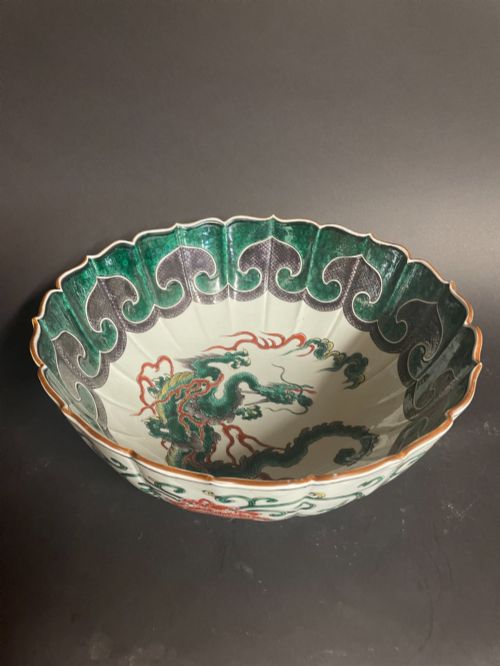
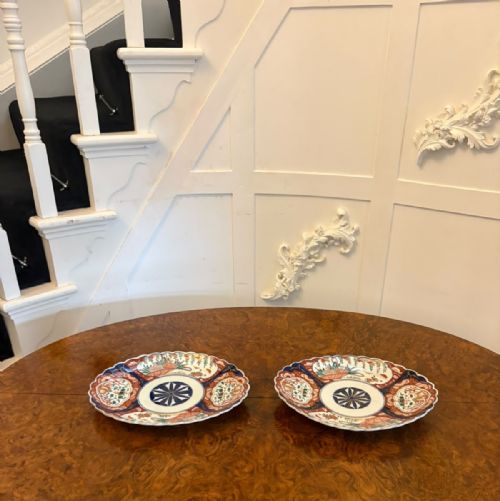
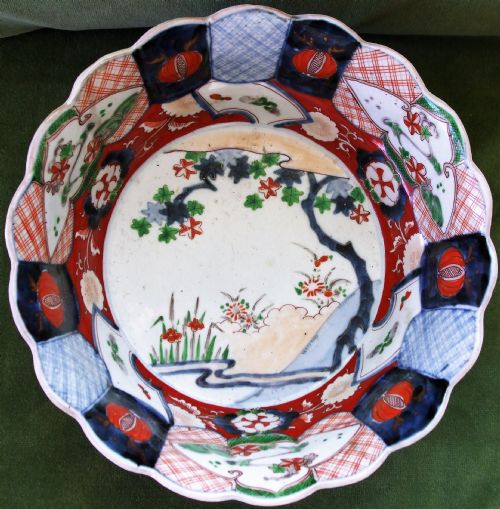
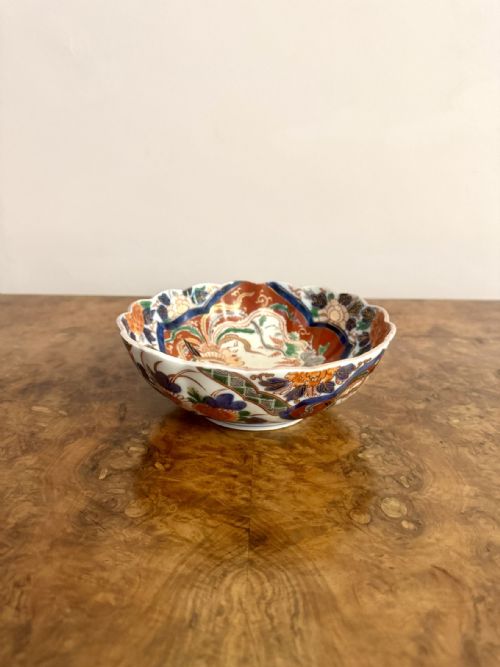
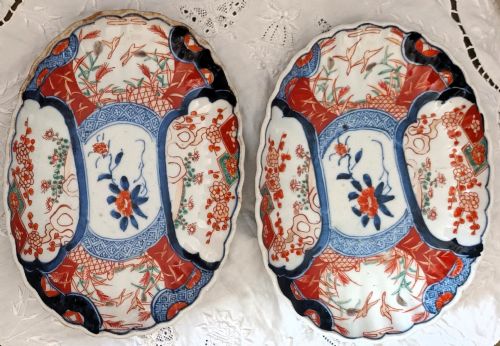


Arita Porcelain Serving Dish
An arita porcelain serving dish brings hand-painted Japanese artistry to the table, offering centuries of historic character and distinctive colour.
Arita Porcelain Serving Dish
Many of these objects carry classic Japanese Imari designs, showcasing the enduring visual heritage of the region. Buyers frequently find pieces from the 19th century alongside earlier and later examples.
How they were made
These items rely on fine porcelain decorated with cobalt underglaze, enamel, and occasional gold leaf or gilding. Artisans applied hand-painted floral and bird designs directly onto the ceramic body.
The firing process united the glaze with the cobalt blue pigments to create lasting surface durability. Guilding and gold gilt added intricate highlights over the fired glaze layers.
What varies in quality
The standard of a piece rests largely on the precision of the hand-painted brushwork and the clarity of the cobalt underglaze. Finer examples display meticulous detailing in the floral and bird motifs across the surface.
The application of enamel and gold leaf or gold gilt distinguishes exceptional decorative dishes from simpler productions. Well-preserved glaze surfaces and balanced geometric or organic forms mark the higher tier of these wares.
The Arita Porcelain Serving Dish Glossary
- Arita
- A Japanese town and historic centre for porcelain production. The kilns here produced wares for domestic use and export over several centuries.
- Imari
- A style of Japanese porcelain decorated in underglaze blue, iron red, and gold. It takes its port name from the shipment hub used during the Edo period.
- Meiji Period
- A Japanese historical era lasting from 1868 to 1912. Wares from this time often exhibit elaborate hand-painted decoration.
- Cobalt Underglaze
- A blue pigment applied to ceramic pieces before glazing and firing. This technique creates durable designs beneath a glossy finish.
- Edo Period
- The period in Japanese history spanning from 1603 to 1867. Porcelain from this time reflects traditional domestic and export aesthetic trends.
Arita Porcelain Serving Dish: Frequently Asked Questions
How do I identify an Arita serving dish?
Look for traditional Japanese Imari patterns involving cobalt blue, enamel, and gold leaf on a porcelain body. The forms typically include bowls, chargers, and plates with hand-painted floral or bird designs.
Examining the style and the quality of the brushwork helps distinguish these historic items from modern reproductions. Pieces often date from the Edo or Meiji periods.
What is the difference between Edo and Meiji pieces?
Edo period items generally date from 1603 to 1867, representing earlier historic traditions. Meiji pieces cover the later era from 1868 to 1912, often featuring distinct decorative flourishes.
Both periods utilise porcelain, cobalt underglaze, and enamel, but the nuances of the hand-painted motifs often reflect the changing tastes of their respective eras.
Can I use these dishes for serving food?
These historic ceramic items function primarily as decorative bowls, plates, and chargers. Many collectors prefer to display them on walls or surfaces rather than use them for daily dining.
Hand-painted enamel, gold leaf, and delicate porcelain require careful handling to preserve their historic surfaces over time.
What is Japanese Imari style?
Japanese Imari style refers to porcelain decorated in a distinct palette of cobalt blue and iron red, frequently accented with gold gilt. The aesthetic originated in the town of Arita and shipped through the port of Imari.
The designs commonly incorporate intricate floral patterns and bird motifs, applied by hand across plates, bowls, and square serving dishes.