






Hand Painted Arita Charger
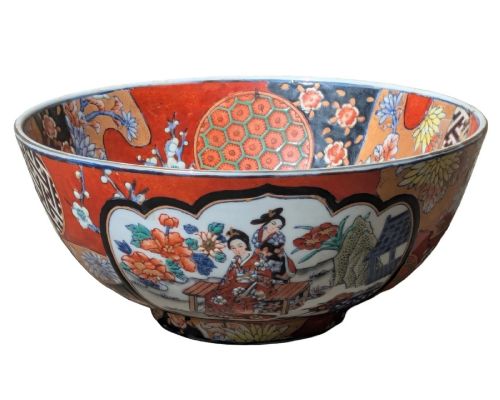
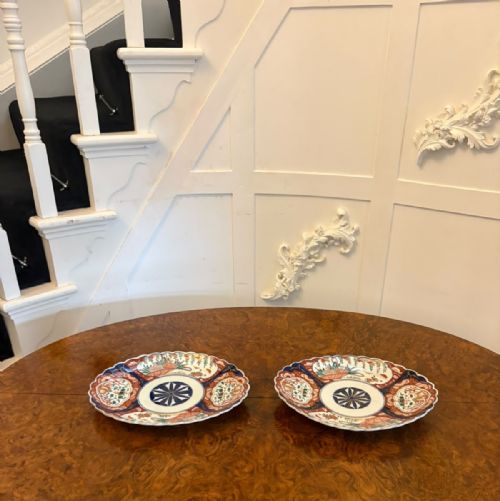
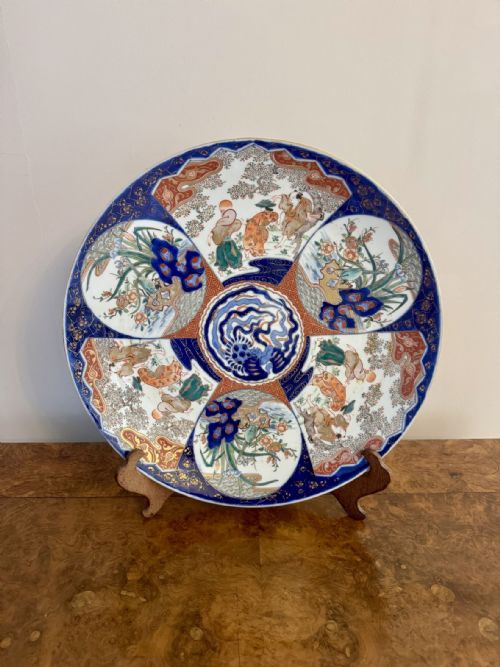
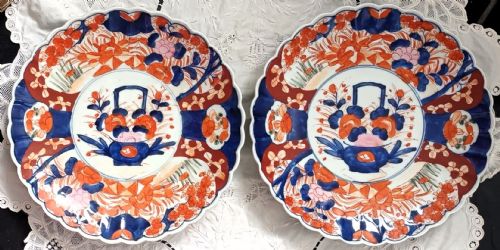
These hand painted arita charger pieces are large decorative ceramic plates displaying traditional Japanese design, sought after for their bold palette and historical presence.
Hand Painted Arita Charger
A hand painted arita charger is a wide ceramic plate created in Japan for display or service. You will frequently encounter nineteenth-century examples and Meiji period pieces on this page.
The inventory on this site spans several eras, including pieces from the eighteenth century, the Victorian period, and the early twentieth century. Alongside formal chargers, the selection includes bowls, dishes, and wall plates.
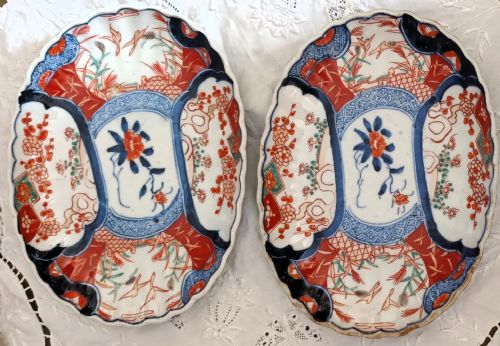
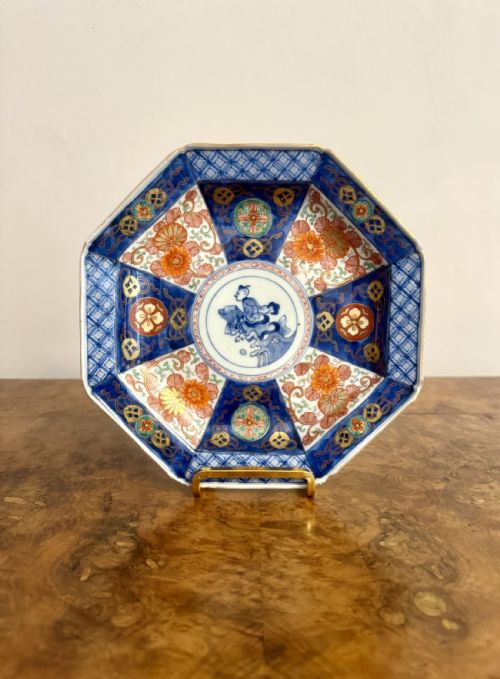
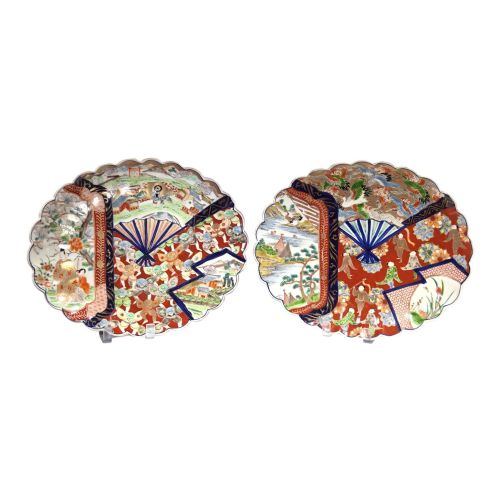
Most items reflect the Japanese Imari style, featuring characteristic motifs and decorative patterns. These pieces range from standard round chargers to scalloped, hexagonal, and fan-shaped plates.
How they were made
The makers utilised porcelain as the primary body material, shaped into chargers and plates before firing. Cobalt underglaze was applied to create deep blue outlines and details beneath the clear finish.
Enamel, enamel glaze, and gilding were added over the glaze in vibrant tones. Artisans occasionally incorporated gold leaf and gold gilt to highlight specific motifs and add metallic lustre.
Listings feature porcelain forms from the eighteenth century to the 1930s, utilising cobalt underglaze, enamel, and gold leaf.
What varies in quality
Quality depends on the precision of the hand painting and the complexity of the design. Pieces featuring detailed exotic birds, floral arrangements, or koi carp demonstrate superior brushwork.
The weight, clarity of the porcelain body, and richness of the enamel and cobalt underglaze separate standard items from finer examples.
The Hand Painted Arita Charger Glossary
- Arita
- A Japanese town known for its long ceramic tradition and porcelain production. This origin defines the core material and regional technique of these pieces.
- Imari
- A traditional Japanese style of porcelain decoration named after the port used for export. It typically employs a palette of cobalt blue and iron red with added gilding.
- Meiji Period
- The era in Japanese history spanning from 1868 to 1912. Many decorative chargers on the market originate from this time of prolific artistic output.
- Cobalt Underglaze
- A blue pigment applied to the raw ceramic body before glazing and firing. This method ensures the colour remains permanent and protected beneath the glassy surface.
- Gilding
- The application of gold leaf or gold paint onto the decorated surface. It provides metallic accents that catch the light across the rim and central motifs.
Hand Painted Arita Charger: Frequently Asked Questions
What is an arita charger?
An arita charger is a large decorative ceramic plate made in the Japanese town of Arita. These pieces were traditionally produced for display rather than daily dining.
They often feature intricate hand-painted designs using cobalt blue, iron red, and gilding.
How old are these chargers?
The pieces seen here range from the eighteenth century through the Victorian era to the early twentieth century. Many examples date from the Meiji period in the late nineteenth century.
Each period brings slight variations in the palette, weight, and complexity of the decoration.
How were these chargers displayed?
Historically, large chargers were positioned on sideboards, tables, or hung directly on walls as decorative focal points. Their generous size made them ideal for showcasing intricate cobalt and enamel artwork.
Today, they can be placed on sturdy stands or wall mounts to highlight their colourful patterns.
What motifs appear on them?
Common subjects include floral arrangements, exotic birds, and koi carp rendered in traditional Japanese styles. These patterns often combine cobalt blue underglaze with rich enamel colours and gold highlights.
Certain pieces also feature geometric borders and unusual shapes such as fans, octagons, and scalloped edges.