






Japanese Arita Charger
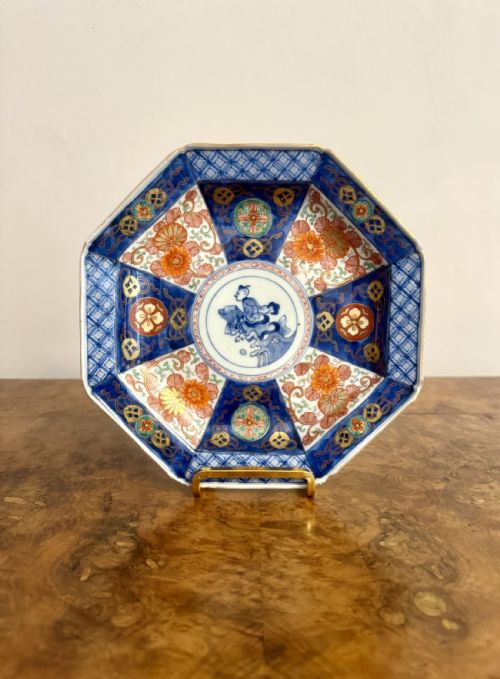
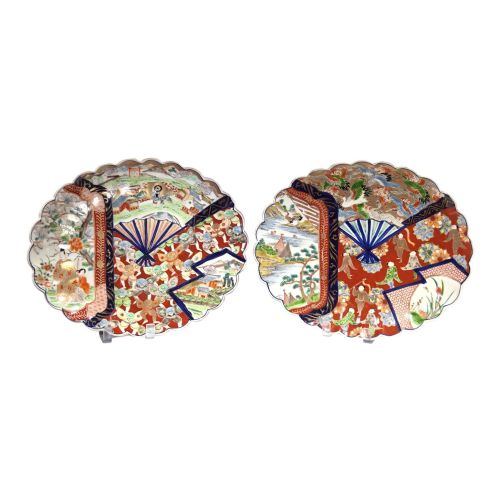
A japanese arita charger brings striking scale and intricate hand-painted ceramics into a room.
Japanese Arita Charger
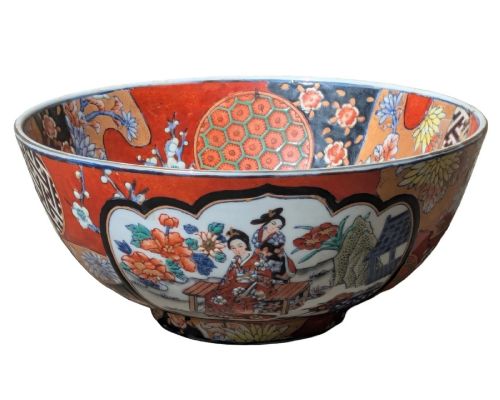
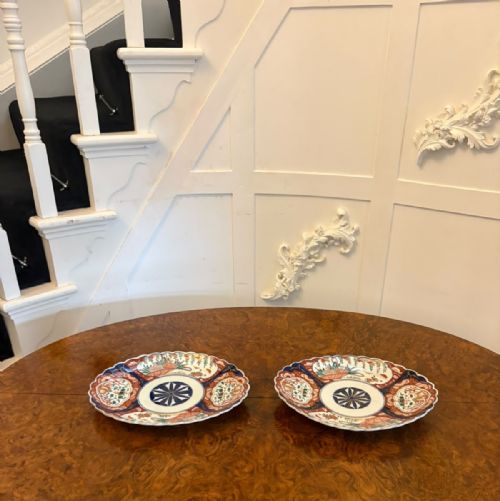
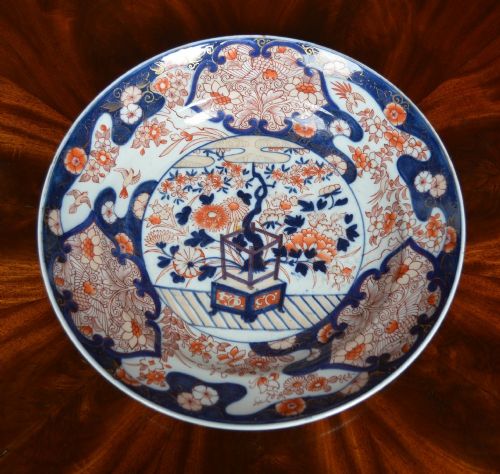
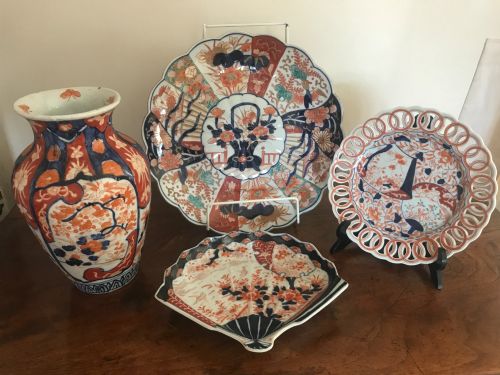
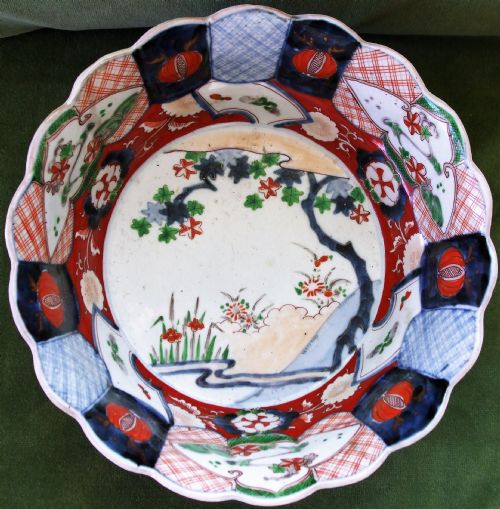
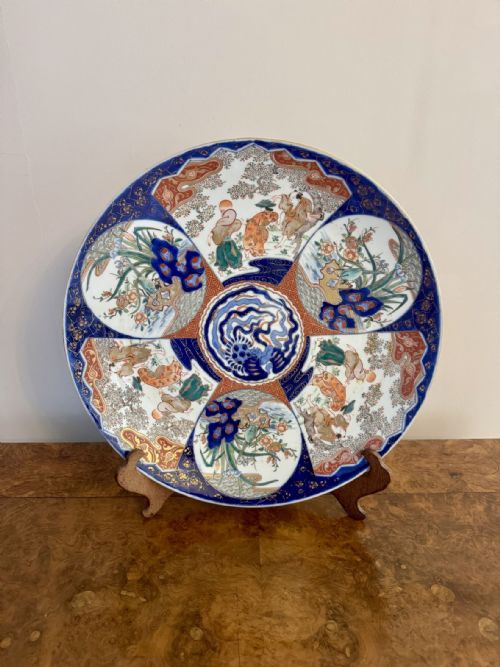
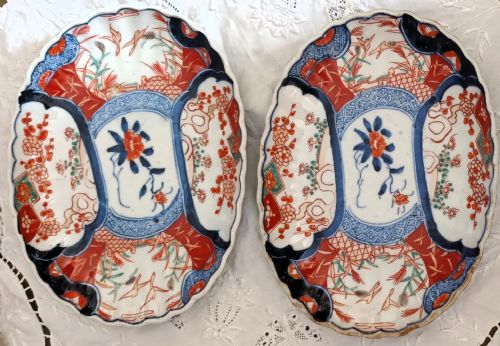
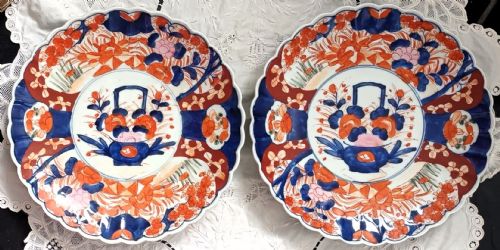
A Japanese arita charger stands as a large decorative ceramic plate produced in the town of Arita, spanning centuries of kiln tradition. These substantial dishes manifest in various forms, including round chargers, scalloped edges, and square plates.
The pieces on this page range from early examples originating in the Edo period through to Victorian and Showa era pieces. Buyers frequently encounter nineteenth-century Meiji period Imari chargers featuring detailed floral and bird motifs.
Materials and Techniques
Potters shaped these objects from fine porcelain and ceramic, applying cobalt underglaze beneath clear protective coatings. Artisans then added enamel colours, gold leaf, gilding, and gold gilt to enrich the surface designs.
The painting was executed entirely by hand, depicting scenes of exotic birds, koi carp, and cranes. Kiln workers fired these pieces at high temperatures to vitrify the porcelain and fix the pigments.
Listings feature porcelain pieces spanning the eighteenth, nineteenth, and twentieth centuries, including Edo, Meiji, and Victorian periods.
Distinctions in Quality
The distinction between ordinary and exceptional plates rests on the precision of the hand-painted brushwork and the complexity of the composition. Finer examples display meticulous detailing in subjects such as floral arrangements, birds, and carp.
Unusual shapes like fan-moulded plates, hexagonal forms, and large blue and white chargers often represent higher tiers of craftsmanship. The integration of gold leaf and rich enamel palettes also elevates the standing of a piece.
The Japanese Arita Charger Glossary
- Arita
- A town in Japan renowned for its long history of porcelain production. Kilns here supplied domestic markets and European export trade.
- Charger
- A large decorative plate or platter traditionally used for display rather than dining. These pieces measure significantly wider than standard dinner plates.
- Imari
- A style of Japanese export porcelain characterised by a palette of cobalt blue, iron red, and gold. This ware was manufactured in Arita and shipped through the port of Imari.
- Meiji Period
- The era of Japanese history lasting from 1868 to 1912. Many decorative ceramics found on the market originate from this prolific manufacturing period.
- Cobalt Underglaze
- A blue pigment applied to ceramic bodies before glazing and firing. This technique ensures the colour remains permanent and protected beneath the glassy surface.
Japanese Arita Charger: Frequently Asked Questions
How do I display a charger?
These large plates suit placement on sturdy wall mounts or dedicated display stands. Their generous diameter allows them to serve as focal points on sideboards and tabletops.
Ensure any wall fixture takes the full weight of the porcelain securely. Alternatively, deep plate grooves on shelving prevent sliding.
Were these chargers used for dining?
Most large chargers served decorative purposes rather than daily dining. Their size and painted surfaces made them ornamental objects for display in homes.
Export pieces were frequently bought by European households to adorn walls and cabinets. Smaller related dishes saw occasional service at table.
How do I date a piece?
Dating relies on stylistic markers, historical periods, and potting characteristics. Edo period examples date from earlier centuries, while Meiji pieces typically reflect late nineteenth-century aesthetics.
Examining the foot ring, glaze texture, and pigment tones helps place an item within a specific decade or century. Comparing the decorative motifs to documented kiln outputs also clarifies the timeline.
What is the difference between Arita and Imari?
Arita refers to the geographical production centre where the porcelain clay was shaped and fired. Imari describes the decorative style and the port from which these wares were exported.
All Imari export pieces from this tradition are essentially Arita wares decorated in that specific palette. The terms often overlap in historical descriptions of these ceramics.