
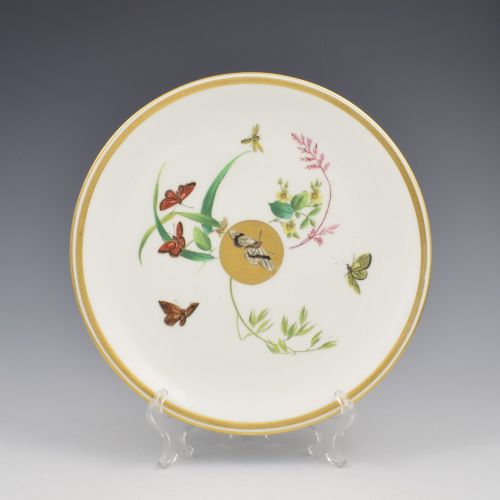
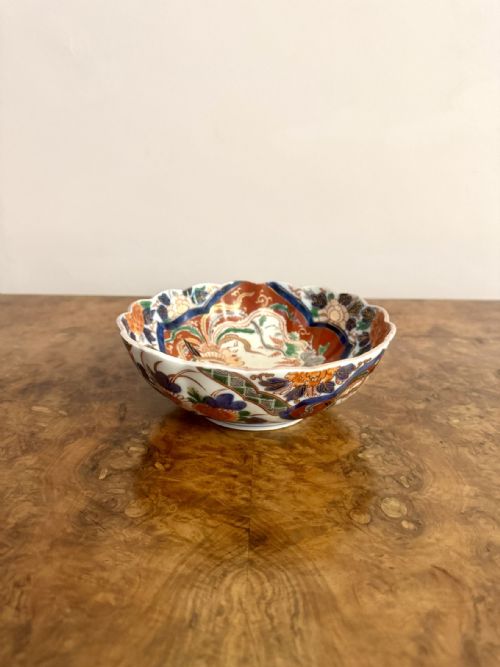
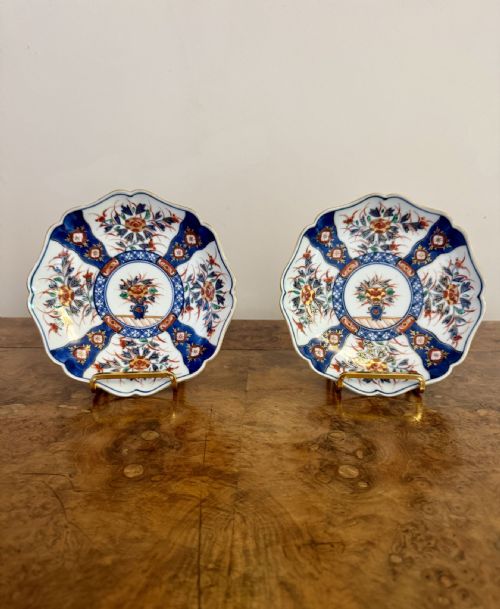
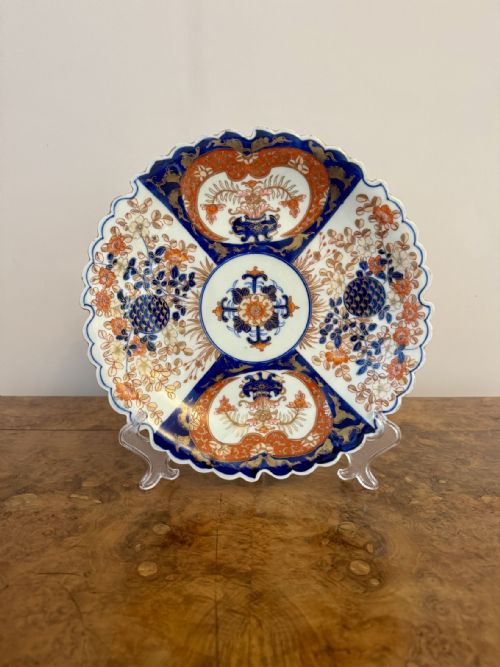

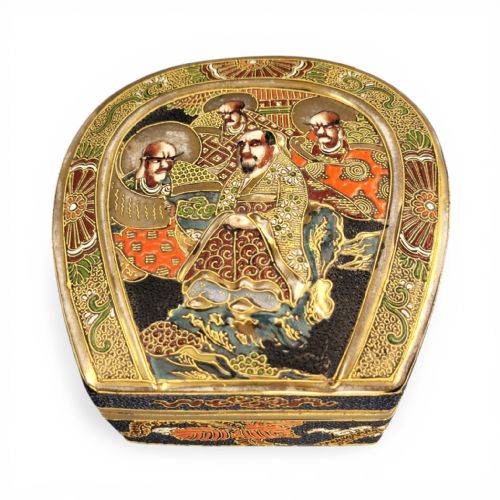


Gilt Japanese Ceramic Dish
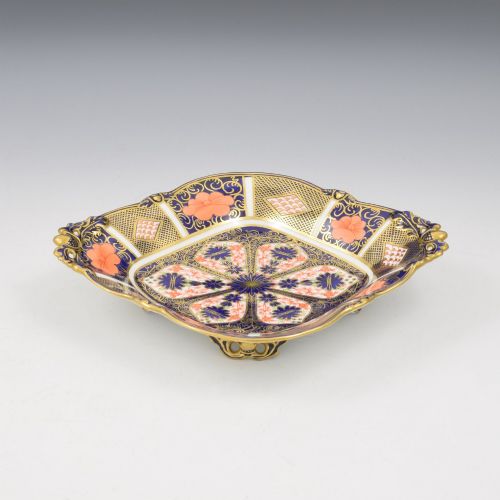
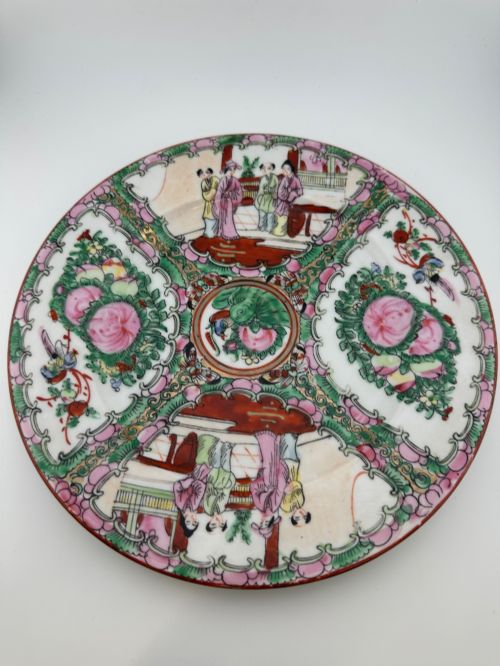
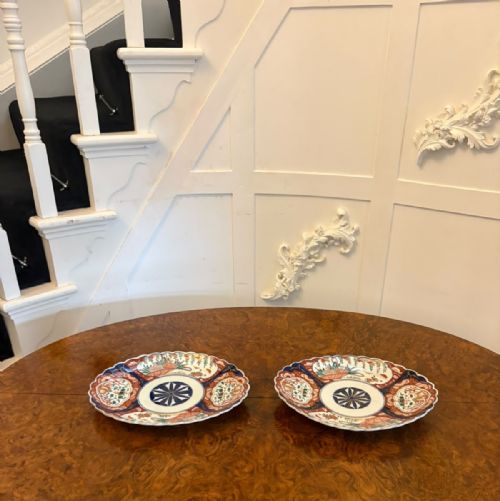
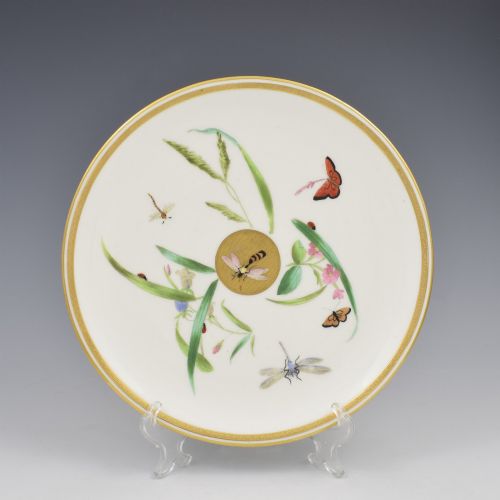
These pieces of gilt japanese ceramic dish combine traditional forms with intricate metallic decoration.
Gilt Japanese Ceramic Dish
A gilt japanese ceramic dish brings together decorated pottery and metallic detailing from the nineteenth and early twentieth centuries. These objects range from large chargers and shallow bowls to cabinet plates and trinket boxes.
Most examples originate from the Meiji period or adopt the distinctive Japanese Imari and Satsuma styles that influenced European makers during the Aesthetic movement. Buyers will frequently encounter Japanese porcelain chargers alongside earthenware bowls and English adaptations produced in similar palettes.
How they were made
Makers utilised porcelain and earthenware bodies, shaping them into plates, chargers, and bowls before applying detailed hand-painted designs. Enamel colours in cobalt blue, iron red, and other pigments were fused to the ceramic surface during firing.
Gold leaf, gilt, and gold gilt accents were then added to highlight specific motifs, borders, and figures. This metallic application required steady brushwork to complement the underlying glazed patterns.
Listings span the Victorian and Edwardian eras, featuring porcelain and earthenware from Japanese and English makers.
What varies in quality
The precision of the hand-painted brushwork distinguishes superior examples from standard production. Finer items exhibit intricate detailing in the figures, foliage, and geometric borders without blurring.
The application of the gilt work also differs across the range, with better pieces maintaining crisp metallic highlights that integrate harmoniously with the enamel colours and ceramic glaze.
Toshozan·Kinkozan·Nikko·Meizan
The Gilt Japanese Ceramic Dish Glossary
- Imari
- A traditional Japanese style of porcelain decoration characterised by a palette of cobalt blue, iron red, and gold gilt. It heavily influenced both Asian workshops and European potteries.
- Satsuma
- A type of Japanese earthenware featuring a crackle-glaze finish, typically decorated with polychrome enamels and extensive gilt highlights. These wares often depict figurative scenes or dense floral patterns.
- Kutani
- A style of Japanese porcelain known for bold colour schemes and detailed pictorial designs. These pieces frequently incorporate rich gilt work over glazed surfaces.
- Charger
- A large decorative plate intended for display on a wall, cabinet, or table centre rather than for daily dining use. They provide an expansive canvas for complex ornamentation.
- Aesthetic Movement
- A late nineteenth-century design style in Britain that embraced Japanese artistic motifs and natural forms. It produced European ceramics decorated in an Eastern-inspired manner.
Gilt Japanese Ceramic Dish: Frequently Asked Questions
How do I display a large charger safely?
Large chargers are typically shown using sturdy wall brackets or dedicated plate stands designed to support their weight.
Place them away from high-traffic walkways to prevent accidental knocks.
What is the difference between Satsuma and Imari?
Satsuma pieces utilise a cream-coloured earthenware body with a fine crackle glaze and detailed enamels. Imari ware uses a hard white porcelain body decorated primarily in blue, red, and gold.
Both styles incorporate gilt japanese ceramic dish elements but possess distinct physical structures.
Can I use these decorative bowls for food?
These antique ceramic pieces are intended for decorative display rather than culinary use. Historic glazes and delicate gilt surfaces can wear down or absorb moisture from food.
Keep them clean with a dry, soft cloth instead of washing.
How do I identify a Meiji period piece?
Meiji period items date from the late nineteenth to the early twentieth century and often feature traditional Japanese motifs combined with refined craftsmanship. Many bear signatures, crests, or factory marks on the underside.
Comparing the painting style to documented workshops helps confirm the era.