



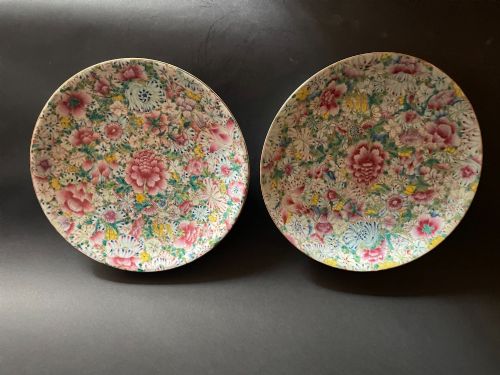
Oriental Ceramic Plates
Oriental ceramic plates bring together centuries of East Asian craftsmanship, offering striking painted surfaces that suit modern and traditional display alike.
Oriental Ceramic Plates
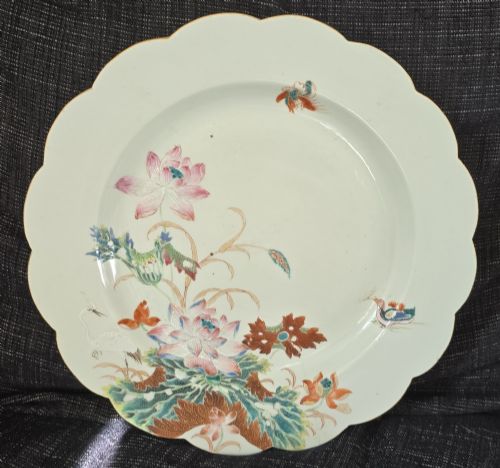
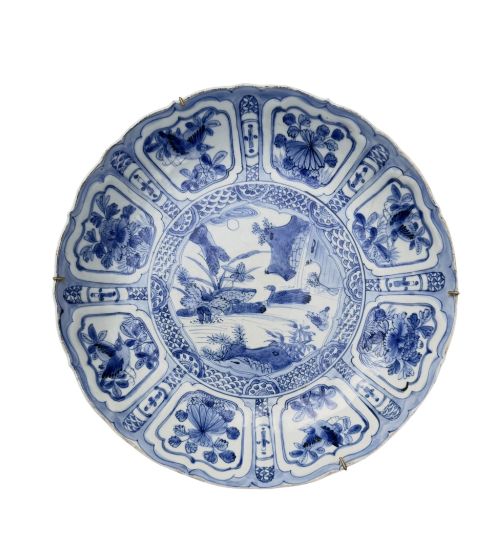
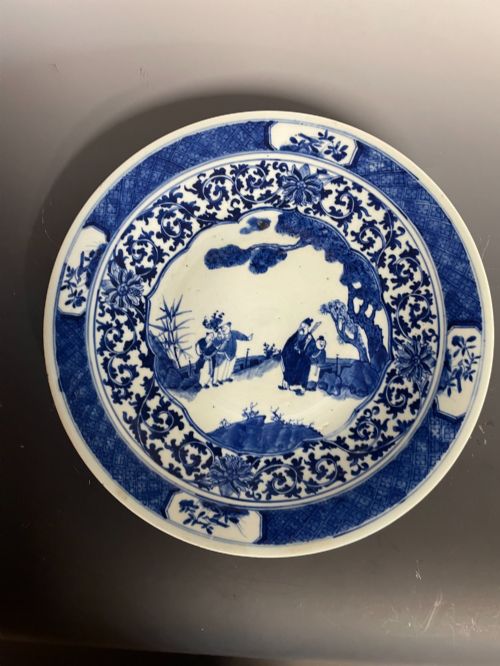
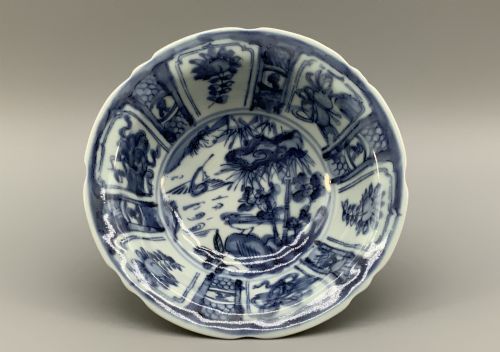
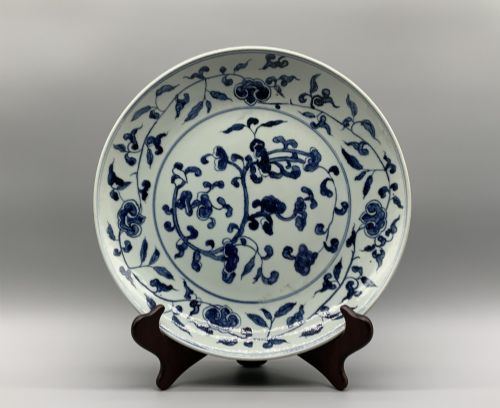
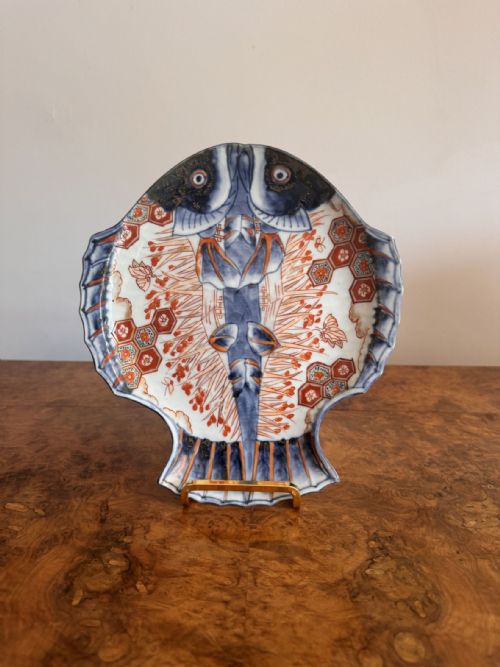
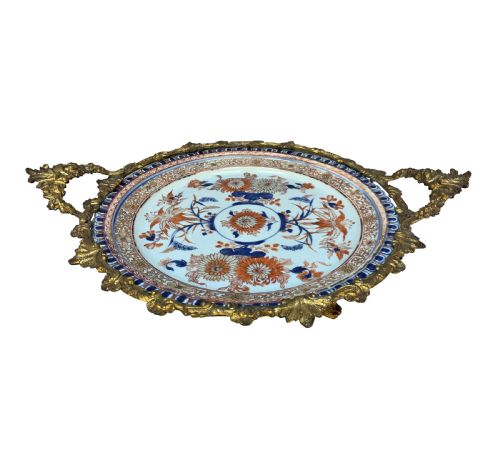
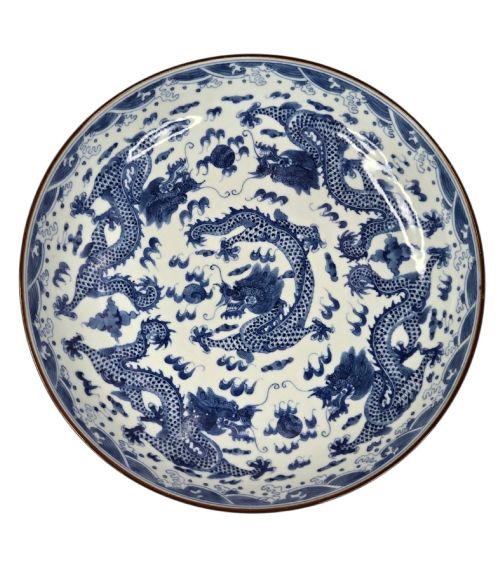
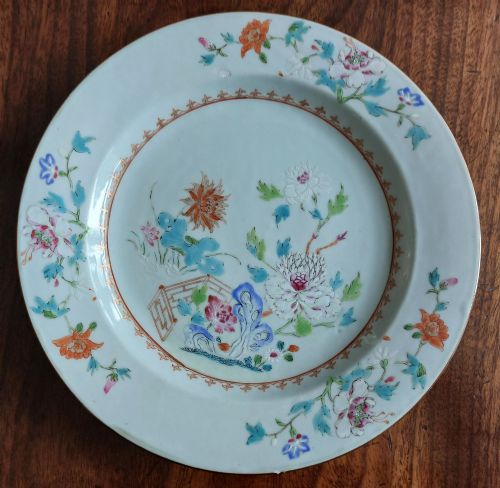
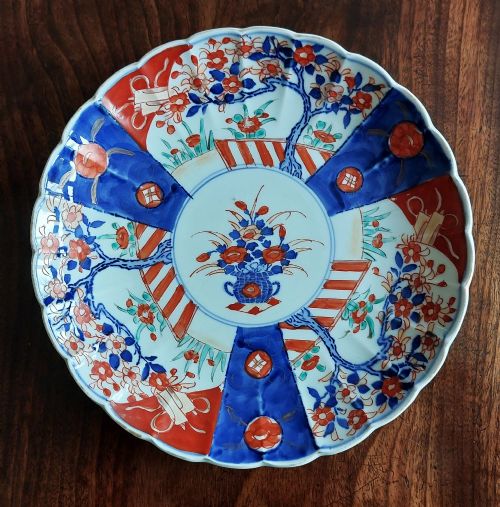
Oriental ceramic plates span diverse forms from large display chargers to lobed bowls and serving platters, originating from Chinese and Japanese kilns. You will encounter many Japanese Imari pieces alongside Chinese blue and white porcelain and Famille Rose examples.
The selections range across several centuries, with pieces dating from the Kangxi and Qianlong periods through to the Meiji era and the early twentieth century. Circular plates, scalloped edges, and unusual shapes like fish or squares appear frequently across the inventory.
Materials and construction
Potters utilised fine porcelain and earthenware as the foundational body for these vessels, applying cobalt underglaze, enamel, and glaze to seal the surface. Skilled hands added gold leaf, gilt, and ormolu mounts to elevate certain decorative chargers and plates.
Firing techniques allowed cobalt blue pigments to fuse beneath clear glazes, while enamels were fixed in subsequent lower temperature firings to secure vibrant palettes of red, green, and gold.
Listings feature porcelain and earthenware forms spanning the eighteenth, nineteenth, and early twentieth centuries.
Standards of execution
Quality rests in the crispness of the hand-painted brushwork, the depth and clarity of the cobalt underglaze, and the precision of moulded shapes like lobed or scalloped rims. Superior pieces display finely detailed motifs, such as exotic birds or dragons, executed with confident control.
The richness of the enamelling and the sparing, deliberate use of gold leaf or gilt distinguish finer output from simpler commercial wares. Heavier porcelain bodies with balanced proportions and unblemished glaze surfaces signal superior manufacture.
Koshida·John Rogers and Son·J W R
The Oriental Ceramic Plates Glossary
- Imari
- A style of Japanese porcelain featuring a palette of cobalt blue, iron red, and gold, named after the port from which the wares were exported.
- Famille Rose
- A Chinese porcelain palette dominated by opaque pink or rose enamel, introduced during the Qing dynasty.
- Charger
- A large decorative plate or platter used traditionally for ceremonial display rather than daily dining.
- Cobalt Underglaze
- A blue pigment applied to ceramic bodies before glazing and firing, producing a durable finish beneath a glossy surface.
- Satsuma
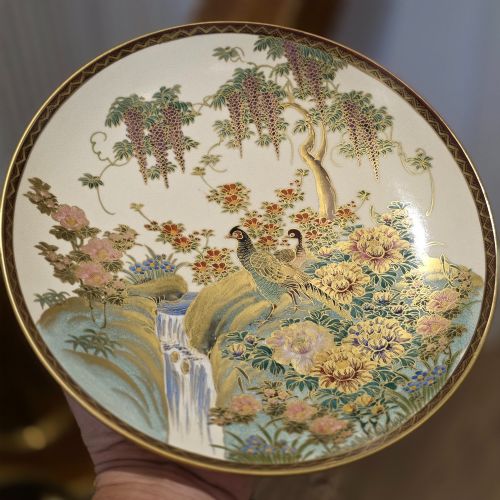
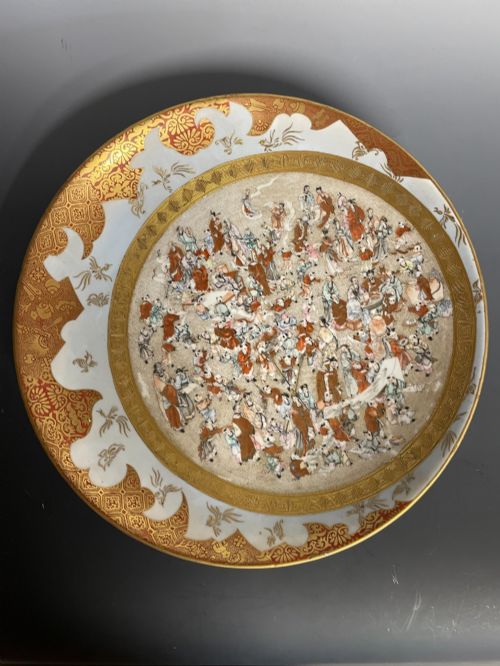
- A type of earthenware from Japan featuring a crackle glaze and intricate enamel and gilt decoration.
- Kangxi Period
- An era of Chinese rule under the Qing dynasty noted for high-quality blue and white porcelain production.
Oriental Ceramic Plates: Frequently Asked Questions
How are oriental ceramic plates displayed?
Most large chargers and decorative dishes feature substantial weight and broad surfaces suited for tabletop display or wall mounting with appropriate fixings.
Pairs and matching sets offer symmetrical arrangement options for cabinets or sideboards.
What is the difference between Imari and blue and white?
Imari wares combine cobalt blue with iron red and gold leaf, creating a multi-coloured decorative surface.
Blue and white ceramics rely strictly on cobalt underglaze pigments painted directly onto the porcelain body before glazing.
How do I identify Meiji period pieces?
Meiji period items date from the late nineteenth to early twentieth century, corresponding to the reign of the Japanese emperor Meiji.
They frequently display dense, elaborate hand-painted patterns including birds, florals, and brocade motifs.
Can these plates be used for food?
Antique ceramic plates from the eighteenth and nineteenth centuries are primarily intended for collection and display due to age and glaze wear.
Handwashing and avoiding abrasive cleaners help preserve the delicate enamels and gold leaf.