



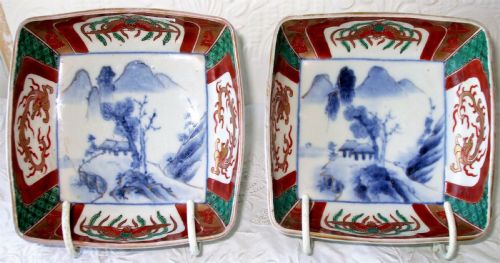

Arita Ware Dishes
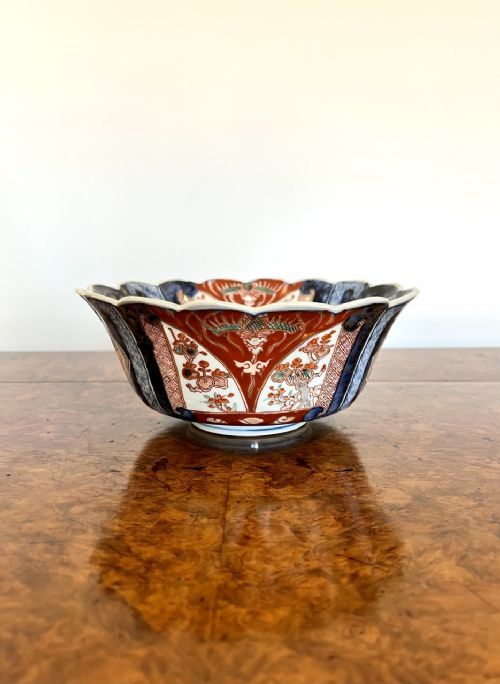
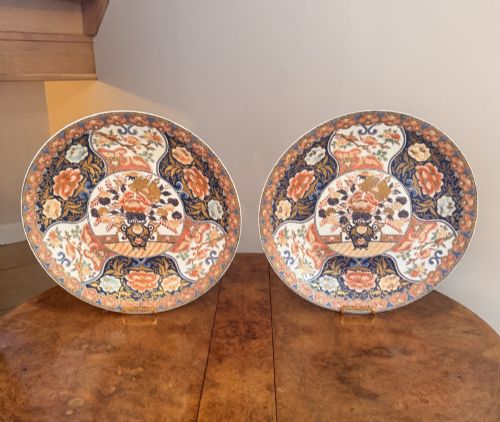
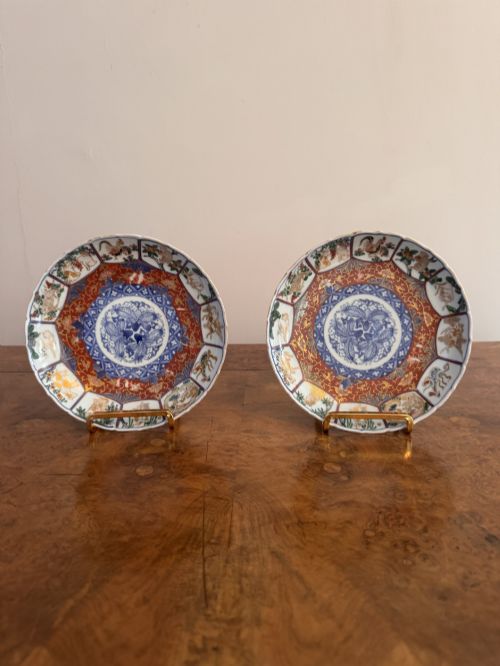
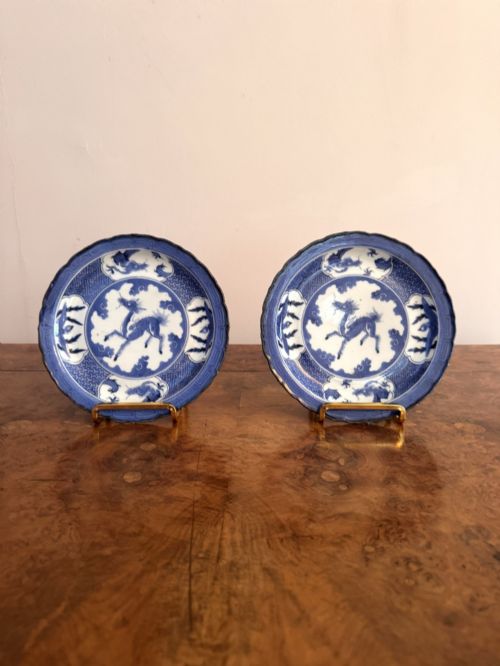
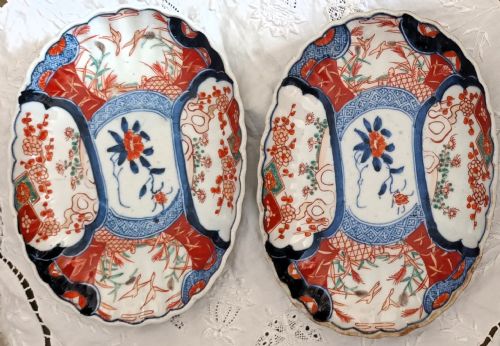
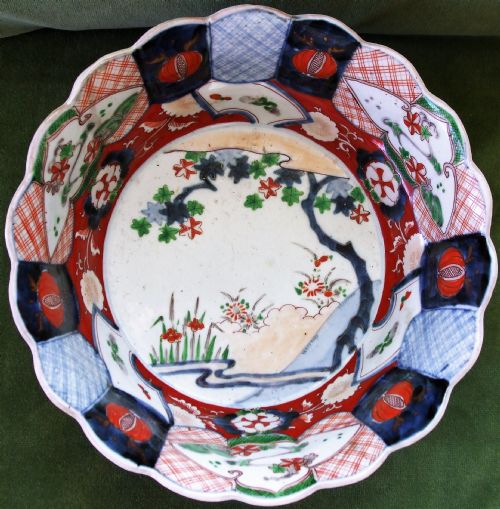
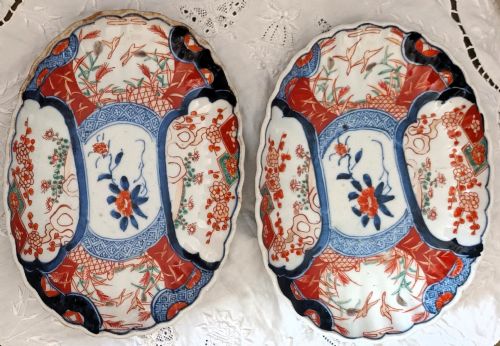
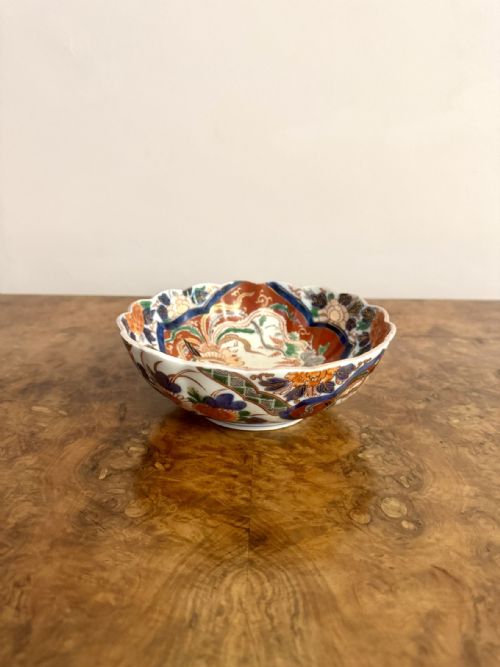
These arita ware dishes are remarkable Japanese porcelains shaped into plates, bowls, and chargers that bring centuries of ceramic history into your interior.
Arita Ware Dishes
When you search for arita ware dishes, you encounter a refined tradition of Japanese porcelain originating from the town of Arita. These pieces span multiple centuries, including the Edo period and the Meiji period, reflecting diverse historical epochs.
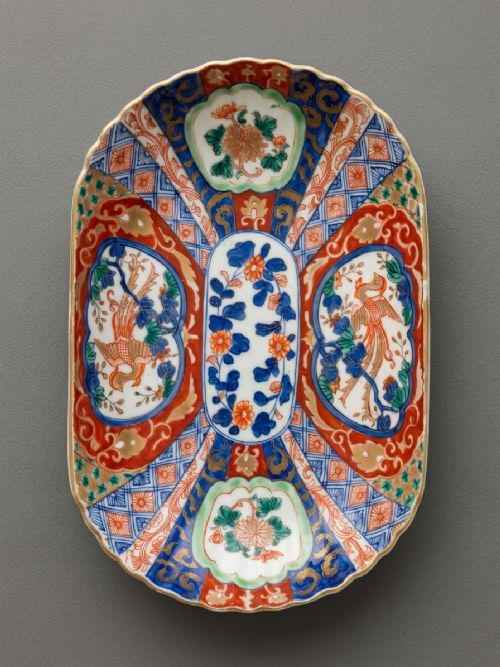
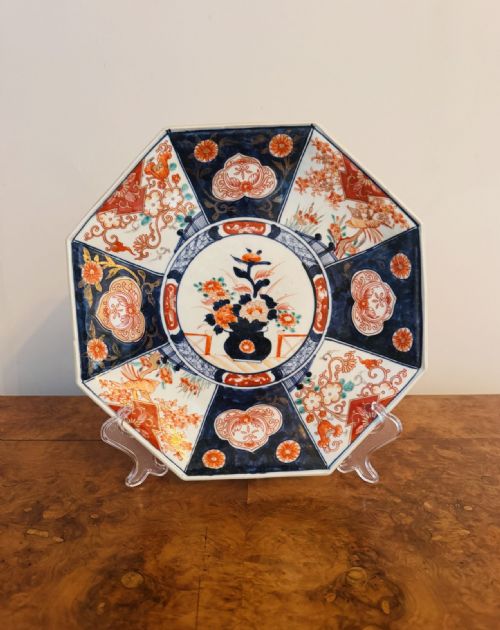
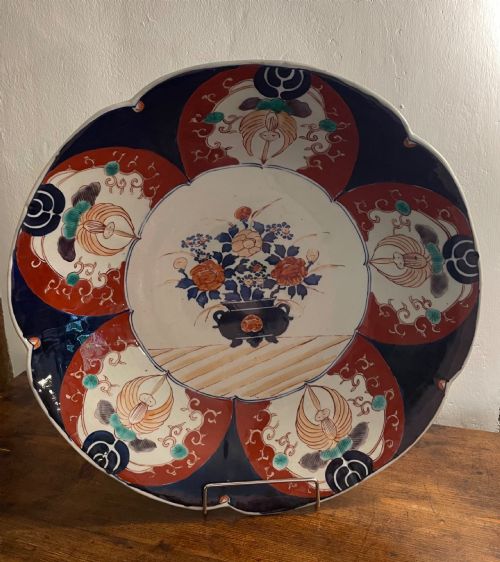
The selections available here most commonly include Japanese imari chargers, small plates, and bowls. You will also find specific forms such as hexagonal plates, fan-shaped plates, scalloped edge dishes, and clam shell dishes.
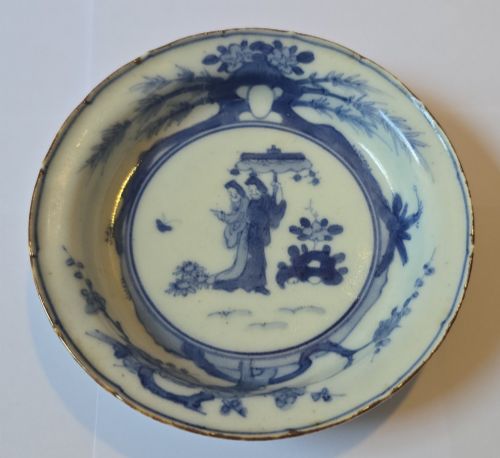
Makers produced these ceramics for both export and domestic use, employing distinct decorative programmes like blue and white designs alongside vibrant polychrome palettes. Each object displays the characteristic forms and artistic conventions of its respective century.
Materials and Techniques
Potters utilised fine porcelain clay as the primary body, shaping vessels by hand or on the wheel before high-temperature firing. This created a dense, vitrified ceramic capable of supporting intricate surface decoration.
Decoration relied heavily on cobalt underglaze applied directly to the unglazed clay to produce rich blue tones. Artisans then added enamel colours and gold leaf over the glaze during subsequent firings to achieve the classic imari aesthetic.
Arita Ware Dishes Retail Price Guide 2026
Typical asking prices for arita ware dishes among the pieces listed under this phrase on Sellingantiques today, from the lower quarter to the upper quarter. They describe what is for sale here now, not the wider market.
A few clever potters even turned humble shellfish into art by shaping porcelain directly into clam shells.
Evaluating Quality
The precision of the hand-painted brushwork dictates much of the distinction between standard items and superior examples. Fine pieces exhibit controlled lines and deliberate floral or bird motifs executed with confidence.
The complexity of the vessel's physical form also influences the grade of the piece. Standard round plates contrast with demanding shapes such as fan-shaped plates, hexagonal plates, and scalloped edges that required advanced potting skill.
The Arita Ware Dishes Glossary
- Imari
- A traditional style of Japanese porcelain featuring a distinctive palette of cobalt blue, iron red, and gold. This decorative approach originated in Hizen province and gained immense popularity in Europe.
- Edo Period
- The historical epoch in Japan lasting from 1603 until 1868, characterised by economic growth and stability. Ceramics from this era often display restrained elegance or bold export patterns.
- Meiji Period
- The era spanning from 1868 to 1912 following the restoration of imperial rule. Pieces from this time frequently demonstrate exceptional technical refinement and intricate surface detail.
- Charger
- A large decorative plate utilised historically for formal display rather than dining. These substantial pieces provide a broad canvas for complex painted compositions.
- Underglaze Cobalt
- A blue pigment applied to pottery beneath a transparent glaze before the final kiln firing. This technique protects the pigment from wear and produces deep, permanent coloration.
Arita Ware Dishes: Frequently Asked Questions
How do I display arita ware dishes?
These pieces look best placed on dedicated stands or hung securely on walls to showcase their painted surfaces. Chargers and large plates suit prominent placement on sideboards or mantels.
Mixing different geometric forms, such as hexagonal and fan-shaped plates, creates visual depth within a room. Ensure they sit away from heavy foot traffic to prevent accidental knocks.
Were these dishes used for daily dining?
Many smaller plates and bowls served practical functions in Japanese households for serving food. Larger chargers and decorated export pieces were primarily intended for decorative display.
Over time, European collectors prized these items as ornamental showpieces rather than functional tableware. Today, treating them as decorative objects preserves their historic enamel and gold leaf decorations.
How do I identify Edo period pieces?
Edo period ceramics typically exhibit distinct potting characteristics, heavier bodies, and specific cobalt blue tones under the glaze. Examining the foot ring often reveals clues about the period of manufacture.
Consulting reference books on Japanese export porcelain helps correlate specific motifs with seventeenth or eighteenth-century production methods. Comparing brushwork styles across known examples clarifies dating.