




Japanese Porcelain Saucers
These japanese porcelain saucers and small plates carry centuries of kiln craft, offering a tactile piece of far-eastern heritage for your home.
Japanese Porcelain Saucers
When you search for japanese porcelain saucers, you are looking at small serving dishes, tea wares, and shallow plates originating from the kilns of the Far East. The items on this page range from seventeenth-century export pieces to early twentieth-century tea services.
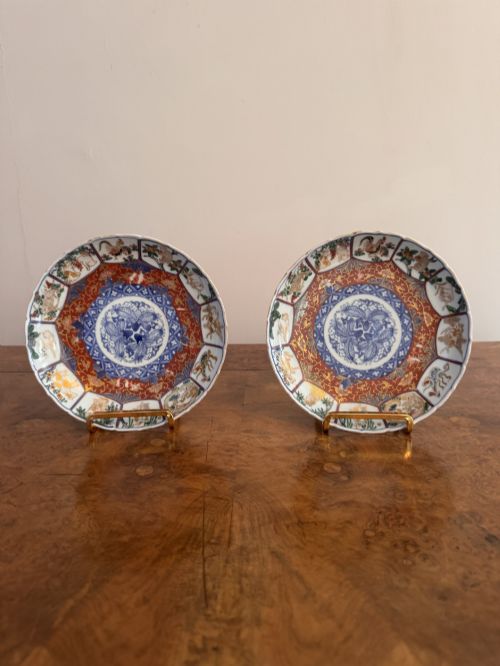
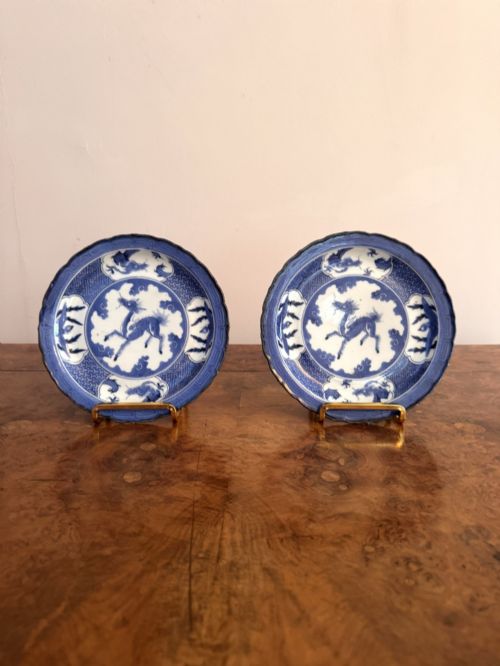
The most common form you will meet here is the small Japanese Imari plate or saucer, frequently dating from the late nineteenth century. Alongside these, the selection includes Satsuma ware, Hirado porcelain, and Arita blue and white dishes.
Makers and decorators produced these items across various eras, spanning the Edo, Meiji, and Taisho periods. Collectors encounter everything from individual wine cups with matching saucers to ten-piece tea services.
How they were made
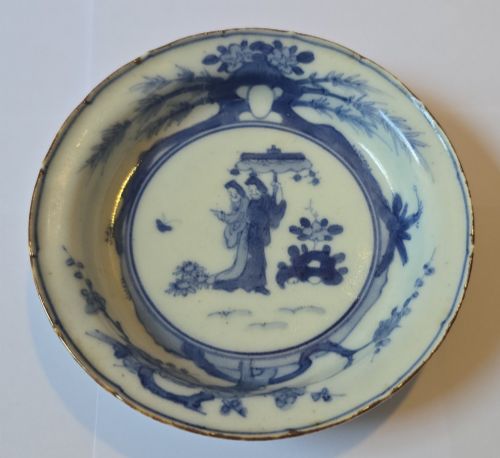
Potters shaped these pieces from fine porcelain and earthenware, applying cobalt blue underglaze directly to the clay body before firing. This method ensured the deep blue pigment remained permanent beneath a glassy finish.
Artisans layered polychrome enamels and gold leaf over the fired glaze to add rich surface detail. Satsuma ware utilised gilt enamelling over earthenware, while Arita and Hirado pieces relied on crisp cobalt glazes.
Japanese Porcelain Saucers Retail Price Guide 2026
Typical asking prices for japanese porcelain saucers among the pieces listed under this phrase on Sellingantiques today, from the lower quarter to the upper quarter. They describe what is for sale here now, not the wider market.
Some nineteenth-century tea sets arrived with unexpected companions, including delicate wine cups that surely tested the steadiness of the Meiji hand.
What varies in quality
The precision of the brushwork defines the higher tier of these ceramics, separating masterwork painting from simpler production. Fine lines in underglaze blue and carefully applied gold leaf indicate superior workshop output.
The purity of the porcelain body and the control shown during the high-temperature kiln firing distinguish exceptional pieces. Earlier wares, such as seventeenth-century export dishes, display distinct potting characteristics compared to later Meiji output.
Taniguchi
The Japanese Porcelain Saucers Glossary
- Imari
- A style of Japanese export porcelain decorated in underglaze blue, iron red, and gold. It originated in the town of Arita and became popular in Europe during the Edo period.
- Arita
- The town in Japan where porcelain production first began following the discovery of suitable clay. Arita kilns produced vast quantities of blue and white export ware.
- Satsuma ware
- A type of Japanese earthenware featuring a ivory-coloured, crackle-glazed surface decorated with intricate enamel and gilt designs. It gained prominence during the nineteenth century.
- Hirado
- A porcelain centre known for producing delicate, high-quality wares often featuring fine cobalt blue painting. Hirado pieces frequently served elite Japanese clientele.
- Fuku mark
- A prosperity mark found on the base of certain Japanese ceramics, often translated as happiness or good fortune. Potters used it on export wares during the nineteenth century.
Japanese Porcelain Saucers: Frequently Asked Questions
How are antique saucers dated?
Examinations of the paste, the cobalt blue tone, and the potting style help place pieces within specific eras such as the Edo or Meiji periods.
Markings on the base, including studio signatures or export symbols, offer further clues to the decade of creation.
Can I use these for tea?
While these items were originally created for functional use in tea service, age and delicate enamels require careful handling today.
Many collectors prefer to display them on stands or use them for decorative purposes rather than daily dining.
What is Satsuma ware?
Satsuma ware is a distinct type of Japanese pottery known for its warm, ivory-coloured body and fine network of surface crackles.
Decorators added detailed enamel patterns and heavy gold leaf over this glaze, often depicting figures or floral motifs.
What is Arita porcelain?
Arita porcelain refers to wares produced in the Hizen province around the town of Arita, the cradle of Japanese porcelain manufacturing.
These pieces were widely exported to Europe, particularly during the seventeenth and eighteenth centuries, influencing Western ceramic tastes.