




Gilt Porcelain Imari Dishes
Gilt porcelain imari dishes combine rich iron-red and cobalt decoration with lavish gold highlights, offering striking visual depth for any collection.
Gilt Porcelain Imari Dishes
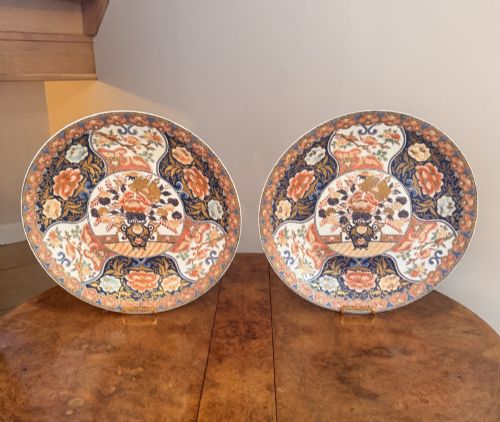
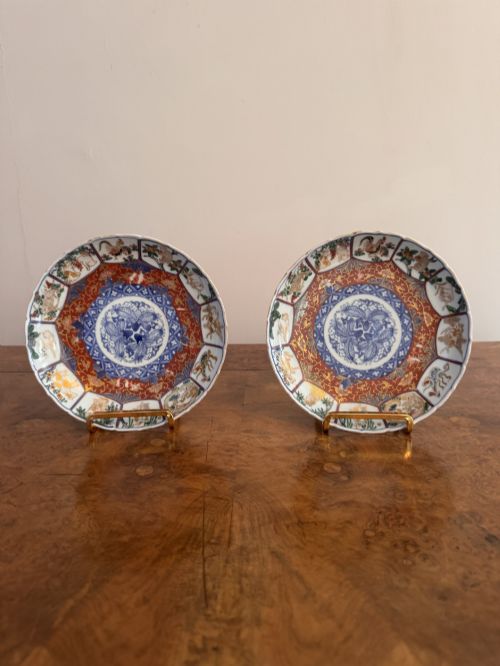
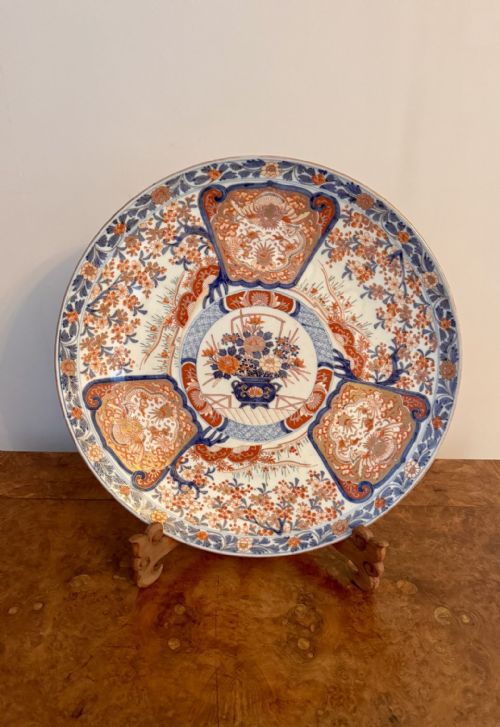
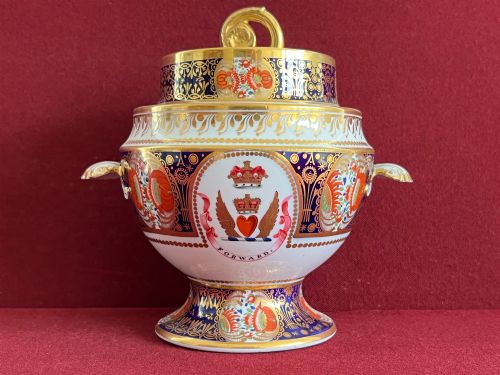
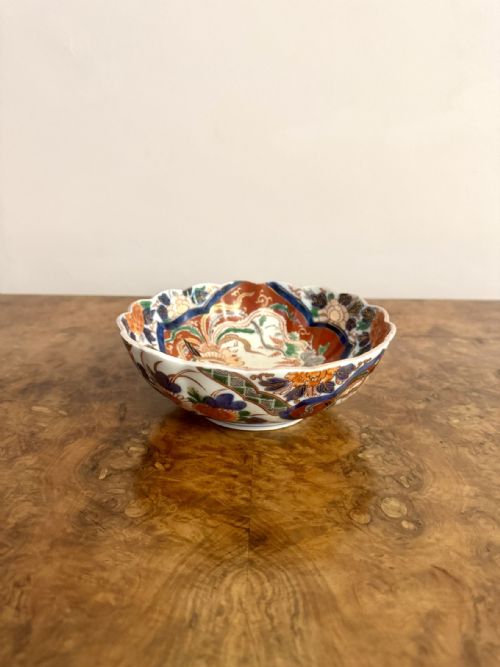
When you search for gilt porcelain imari dishes, you encounter a distinct cross-cultural design lineage originating from Japan and reinterpreted by European potteries. These pieces range from decorative chargers and shallow bowls to specialised serving dishes and sauce tureens.
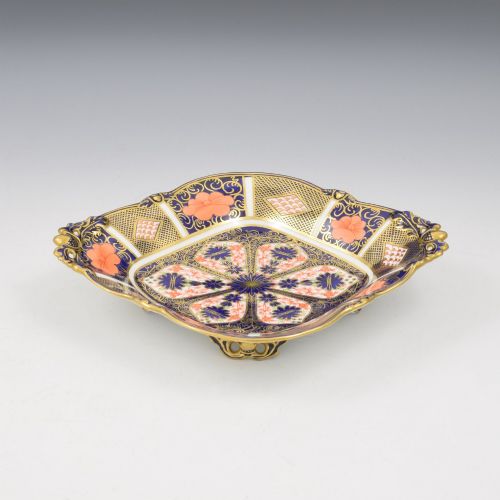
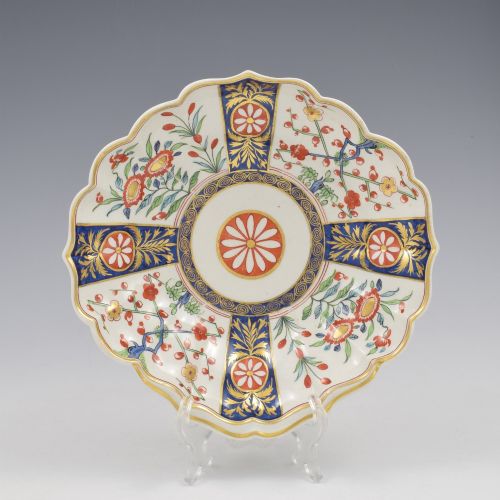
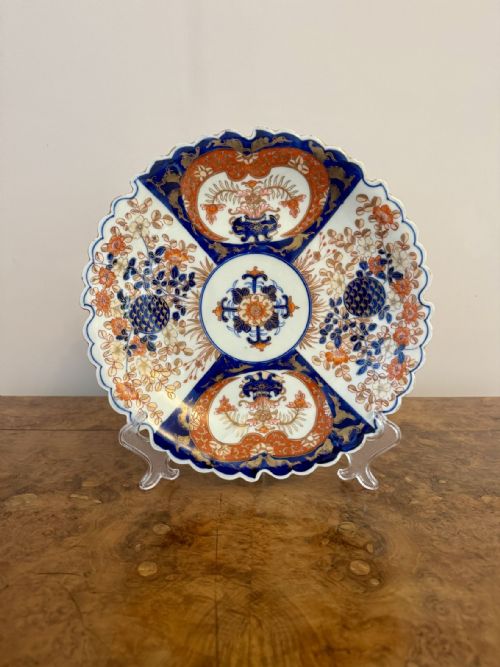
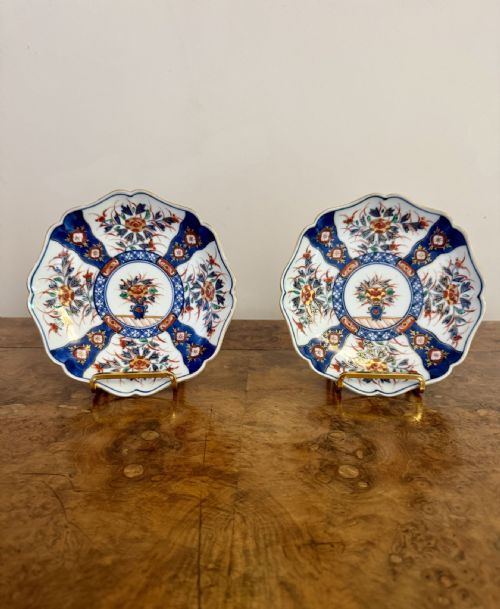
The Japanese imari pieces on this page span the late nineteenth century and early twentieth century, alongside eighteenth-century Chinese exports and nineteenth-century English works in the imari style. Forms vary from scalloped plates and shell-shaped dessert dishes to large chargers and deep lobed trays.
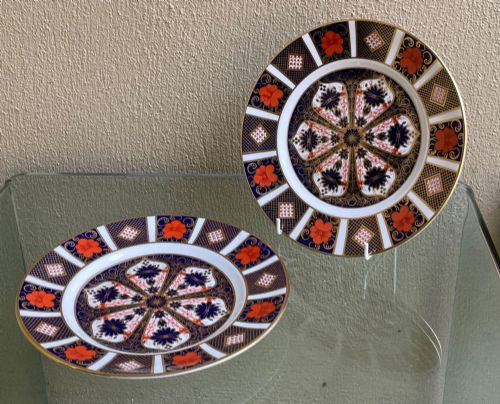
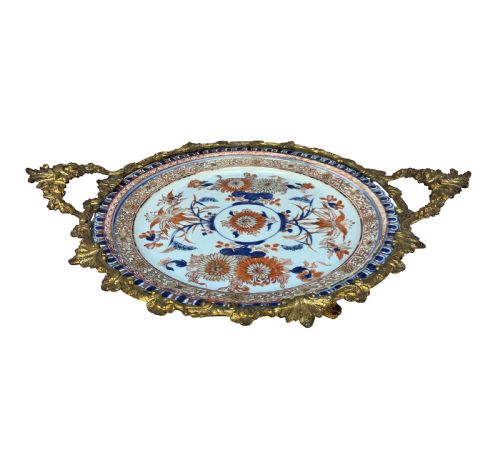
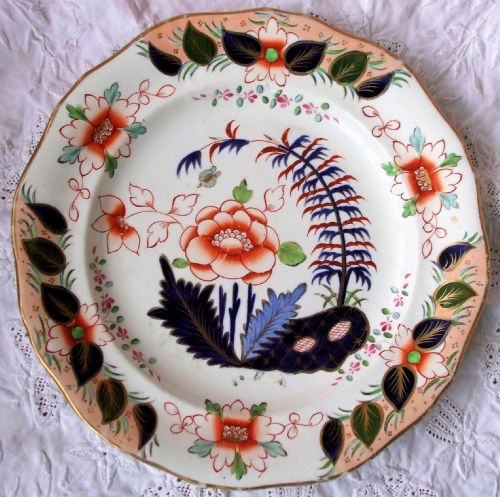
English interpretations from factories such as Worcester, Royal Crown Derby and Davenport sit alongside authentic Japanese porcelain and Chinese pieces mounted in ormolu. This mixture of origin periods and regional styles defines the selection available to collectors today.
How they were made
The foundation of these items rests on hard-paste porcelain, bone china, soft-paste porcelain and ironstone, shaped into plates, bowls, chargers and tureens. Artisans applied underglaze cobalt blue and overglaze enamel pigments in iron-red and green to construct intricate floral and compartmentalised motifs.
Gold leaf and gold gilt provide the signature metallic enrichment across the surface, defining panel borders and highlighting intricate patterns. Some vessels incorporate secondary materials, such as French rococo ormolu mounts fitted to Chinese porcelain plates.
Gilt Porcelain Imari Dishes Retail Price Guide 2026
Typical asking prices for gilt porcelain imari dishes among the pieces listed under this phrase on Sellingantiques today, from the lower quarter to the upper quarter. They describe what is for sale here now, not the wider market.
Even the birds on these plates have ambition, frequently posing in pairs as legendary two quails.
What varies in quality
The standard of execution in the hand-painted enamels and the precision of the gilding set individual pieces apart. Crispness in the cobalt blue underglaze work and richness in the gold leaf application distinguish superior items from simpler production wares.
The complexity of the form also dictates the tier of the piece, moving from standard circular plates to deep lobed serving dishes, pierced trays, and items with specialised moulding like shell shapes or fan-shaped edges. Furthermore, the heritage of the maker, whether an established English porcelain works or a finely executed Japanese Meiji period bowl, influences the standing of the object.
Royal Crown Derby·Chamberlain Worcester·Flight Barr And Barr·John Davenport
The Gilt Porcelain Imari Dishes Glossary
- Imari style
- A decorative scheme employing a palette of underglaze cobalt blue, iron-red enamel, and abundant gold leaf. It originated in Japan and was subsequently imitated by European porcelain manufacturers.
- Charger
- A large decorative plate primarily intended for display or ceremonial service rather than everyday dining. These broad vessels showcase the full expanse of the imari pattern.
- Kakiemon style
- An asymmetrical Japanese porcelain decoration method featuring restrained palettes of fine enamels. It often appears on early nineteenth-century English interpretations.
- Soft-paste porcelain
- A ceramic composition containing glass frit and white clay, fired at lower temperatures than hard-paste porcelain. It is frequently found in eighteenth-century English dessert dishes.
- Ormolu
- Gilded bronze used for decorative mounts and framing on porcelain plates and vessels. This technique bridges Asian ceramic bodies with European rococo display aesthetics.
Gilt Porcelain Imari Dishes: Frequently Asked Questions
Where were gilt porcelain imari dishes made?
These pieces originate from Japanese kilns, Chinese export workshops and notable English ceramic factories. European manufacturers adapted the traditional aesthetic during the Georgian, Regency and Victorian eras.
English works from this selection include productions by Worcester and Derby potteries alongside authentic Asian imports.
How do I identify a Japanese imari piece?
Japanese imari objects typically feature dense cobalt blue and iron-red designs enhanced with extensive gold highlights on a dense porcelain body. Forms range from large nineteenth-century chargers to shallow bowls from the Meiji period.
European imari imitations often utilise ironstone or soft-paste porcelain bodies characteristic of nineteenth-century English manufacturers.
What is an imari pattern?
An imari pattern refers to a traditional decorative layout dominated by deep cobalt blue underglaze and iron-red enamel overglaze. Artisans traditionally enriched these contrasting hues with lavish gold gilt.
This distinct visual vocabulary was developed in Japan and later adopted by European porcelain works such as Royal Crown Derby.
How were these dishes used originally?
Many large chargers and decorated plates served a decorative function in wealthy households, displayed on walls or sideboards. Smaller dishes and sauce tureens were utilised during formal dining services for desserts and sauces.
Shell-shaped dishes and pierced trays specifically held sweetmeats or dessert courses on nineteenth-century dining tables.
Can I display these pieces on walls?
Large chargers and decorative plates are well suited for wall display using appropriate, secure fixings designed for antique ceramics. Their broad surfaces and vibrant gilt highlights make them striking focal points.
Care should be taken to select specialist hangers that distribute weight evenly across the rim without causing stress to the porcelain body.