



Oriental Brass Charger
These oriental brass charger pieces bring intricate metalwork and enamel artistry into a room, offering deep historical craftsmanship for collectors.
Oriental Brass Charger
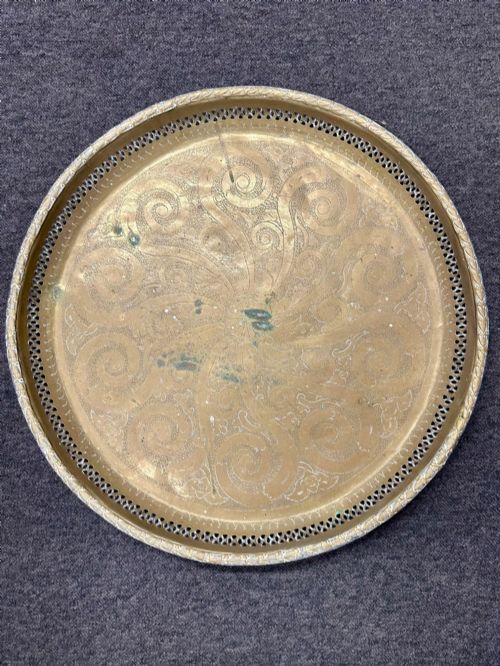
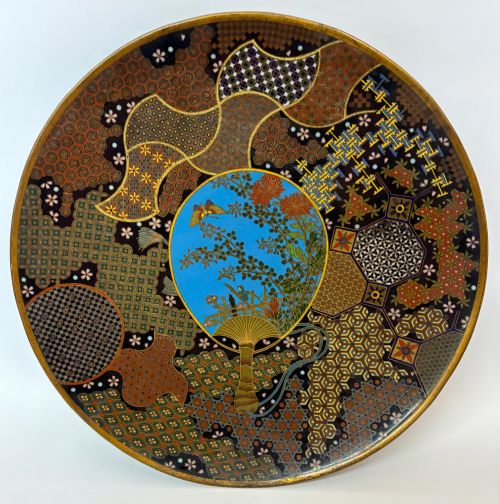
An oriental brass charger is a wide decorative dish or plate, often detailed with motifs like birds, dragons, and landscapes. When searching for an oriental brass charger, buyers typically encounter large wall chargers, decorative trays, and cloisonne plates dating from the eighteenth to the early twentieth century.
The selection ranges from Victorian and Edwardian examples to earlier Qing Dynasty and Japanese Edo or Meiji period pieces. Common forms include large wall chargers with pierced galleries and heavy bronze or brass plates featuring mixed-metal inlay work.
Materials and construction
These items rely on brass, copper, and bronze as a foundational metal base, shaped into wide circular plates and trays. Artisans applied gold inlay, cloisonne enamel, and intricate engraving directly onto the metal surface to create detailed pictorial scenes.
Japanese workshops utilised complex cloisonne techniques with fine wirework to outline subjects like owls, koi, and Mount Fuji. Indian and Chinese makers employed deep engraving and pierced galleries to finish large wall chargers and trays.
Oriental Brass Charger Retail Price Guide 2026
Typical asking prices for oriental brass charger among the pieces listed under this phrase on Sellingantiques today, from the lower quarter to the upper quarter. They describe what is for sale here now, not the wider market.
Listings span multiple eras, encompassing eighteenth-century Georgian items, Victorian pieces, and extensive Japanese Meiji period examples.
What separates fine examples
Quality rests in the precision of the metal engraving and the complexity of the enamel work. Superior pieces display intricate wire placement in cloisonne or deep, crisp hand-chasing across the brass surface.
The sophistication of the subject matter, such as multi-coloured depictions of birds, landscapes, or mythological figures like Benzaiten and dragons, distinguishes ordinary items from exceptional ones.
The Oriental Brass Charger Glossary
- Cloisonne
- A decorative metalwork technique where thin metal wires are soldered to a base to form compartments filled with enamel paste. This method creates vibrant, multicoloured pictorial surfaces on chargers and plates.
- Meiji Period
- A Japanese historical era spanning from 1868 to 1912 noted for high-quality metalwork and enamel production. Pieces from this era often feature naturalistic motifs such as chrysanthemums and birds.
- Pierced Gallery
- An openwork or perforated decorative border surrounding the rim of a tray or charger. This technique adds delicate texture and allows the piece to be hung easily on a wall.
- Qing Dynasty
- The final imperial dynasty of China, lasting from 1644 to 1912. Items from this period display traditional craftsmanship and refined decorative motifs.
Oriental Brass Charger: Frequently Asked Questions
How do I hang a wall charger safely?
Large wall chargers require specialised brass spring hangers that distribute the weight evenly across the rim. Ensure the fixing secured to the wall anchors firmly into solid brick or a stud.
Avoid using adhesives or fragile wire loops that rely on old solder points. Check the gallery or rim strength before mounting heavy brass or bronze pieces.
Can I polish antique brass chargers?
Aggressive chemical cleaning strips away aged patinas and damages delicate enamel or inlay work. Light dusting with a soft, dry cloth is usually sufficient for maintenance.
If cleaning is necessary, use a gentle non-abrasive wax formulated specifically for antique metals. Keep polish away from cloisonne cells and engraved recessed areas.
What is Komai style metalwork?
Komai style refers to Japanese iron and mixed-metal work featuring fine inlay of gold and silver. This technique produces dense, intricate geometric and pictorial patterns resembling traditional brocade.
Plates and dishes in this style often depict deities, dragons, and detailed landscapes against a dark metallic ground.
How do I date a cloisonne charger?
Dating relies on stylistic clues, wire types, and the colour palette of the enamel. Earlier Meiji and Edo period pieces often feature thicker wires and muted, complex enamel tones.
Compare the subject matter and signature styles against documented pieces from the same era. Examining the underside of the metal base also reveals manufacturing traits typical of nineteenth-century workshops.