







Vintage Brass Platter
A vintage brass platter brings warmth and pattern to a table or wall, grounded in solid metal and historic design.
Vintage Brass Platter
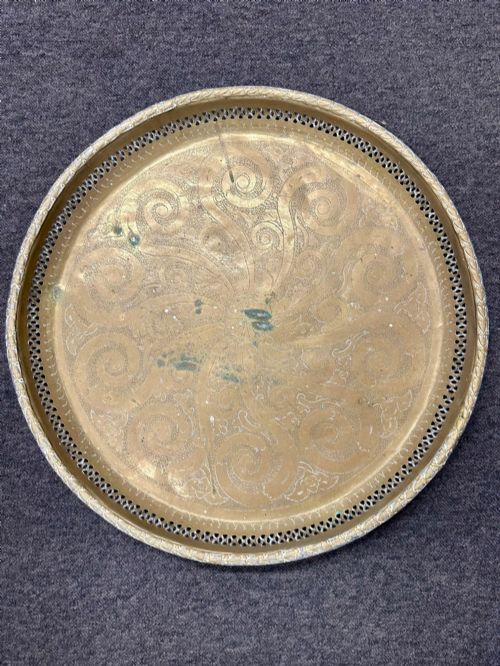
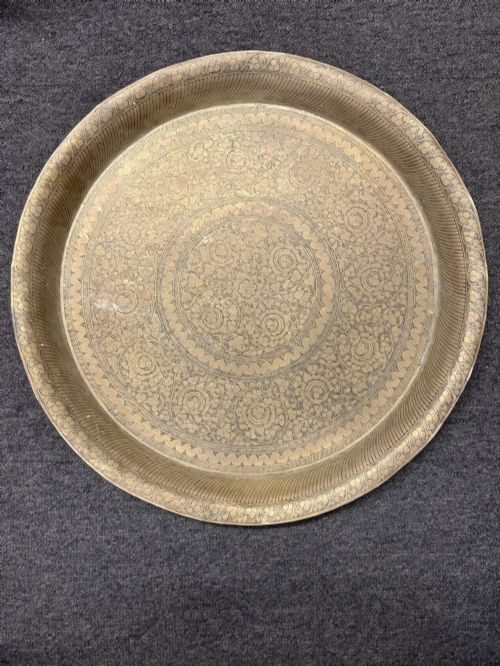
A vintage brass platter serves primarily as a decorative charger, wall plaque, or serving dish. Buyers seeking a vintage brass platter will find pieces spanning the Victorian and Edwardian eras through to the early twentieth century.
Most examples merge brass with contrasting materials, resulting in mixed metal plates and copper-accented chargers. Pieces range from large circular wall-hanging plaques to smaller afternoon tea trays.
How they were made
Makers shaped these objects using hammering, engraving, and repousse techniques to raise patterns from the sheet metal. Surfaces often incorporate silver inlay or enamel details, as seen in Middle Eastern Cairo ware and Japanese cloisonne pieces.
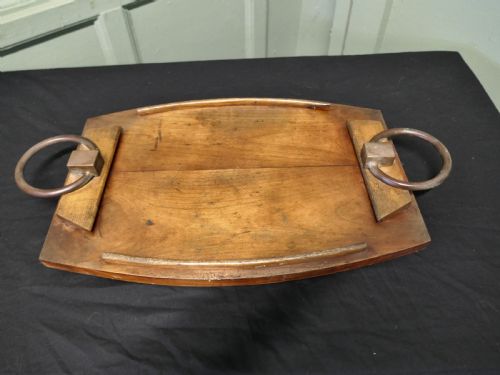
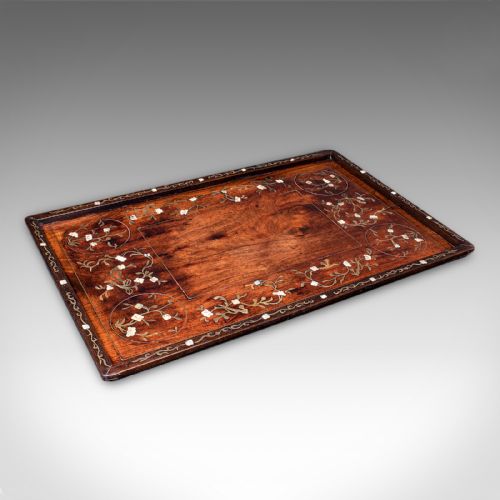
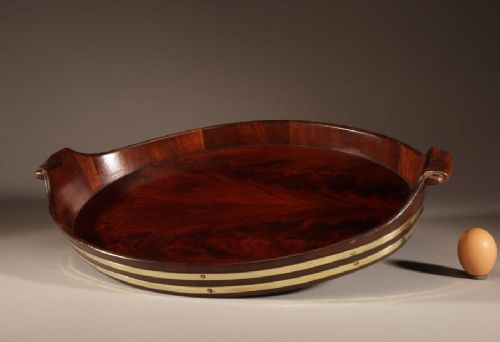
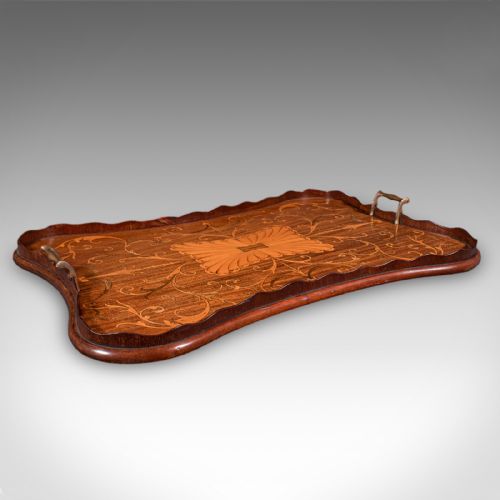
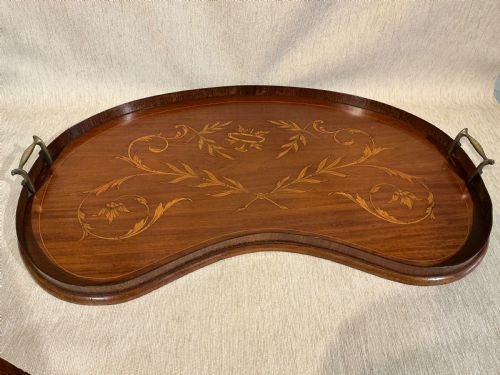
Wooden frames and galleries combine with the metalwork, utilising mahogany, satinwood, teak, and golden elm. Coopered construction and fine inlay work provide structural support for serving trays and afternoon tea slides.
Vintage Brass Platter Retail Price Guide 2026
Typical asking prices for vintage brass platter among the pieces listed under this phrase on Sellingantiques today, from the lower quarter to the upper quarter. They describe what is for sale here now, not the wider market.
Several platters double as animal habitats, featuring engraved owls, ibises, Mt Fuji birds, and three fishes swimming around a central fountain.
What varies in quality
The depth and clarity of the metalwork dictate the standard of a charger, with hand-hammered repousse work and crisp engraving separating superior examples from plain plates. The integration of mixed metals, such as copper accents or silver inlay, elevates the visual weight.
The quality of the secondary materials determines the overall integrity of framed or handled pieces. Finely figured mahogany and satinwood with tight inlay outlast simpler pine or cedar structures.
The Vintage Brass Platter Glossary
- Charger
- A large ornamental plate or platter used primarily for display or service rather than daily dining. These circular metal pieces often feature detailed engraving or repousse decoration along the rim.
- Repousse
- A metalworking technique where the artisan hammers the design from the reverse side to form a raised relief on the front. This method creates tactile depth on brass and copper platters.
- Cloisonne
- An ancient technique for decorating metal object surfaces using enamel compartments enclosed in soldered wire strips. Japanese examples frequently depict birds, Mount Fuji, and floral motifs.
- Cairo Ware
- Nineteenth and early twentieth-century metalwork originating from Egypt, characterised by brass or copper surfaces heavily inlaid with silver and dark contrasting metals. Grand Tour travellers often acquired these items.
- Coopered
- A method of construction where tapered wooden staves join side by side to form a curved tray or vessel. This technique mirrors traditional barrel-making applied to domestic serving items.
Vintage Brass Platter: Frequently Asked Questions
What is a vintage brass platter used for?
These pieces serve as decorative wall plaques, centrepiece chargers, or serving trays for display. Many historical examples double as art objects featuring pictorial motifs and regional metalwork.
Larger chargers mount easily to walls using appropriate fixings, while timber-framed variants function as stable surfaces on sideboards or tables.
How do I clean a vintage brass platter?
Dusting with a soft, dry cloth preserves the existing patina and protects inlaid silver or enamel details. Aggressive metal polishes strip away age and character.
Avoid submerging pieces that combine brass with wooden mounts or delicate glass elements, as moisture damages the secondary materials.
Are these platters safe for serving food?
Most vintage metalware functions best as a decorative item or dry display charger rather than a modern tableware utility. Historic metal alloys may contain trace elements unsuitable for wet food contact.
Using them to hold napkins, dried fruit, or letters avoids direct food contact while retaining their decorative utility in a room.
How do I identify Arts and Crafts brassware?
Arts and Crafts pieces emphasise visible hand-hammered marks, natural motifs, and honest construction rather than machine-tooled perfection. Look for stylized animal designs, fish, and botanical elements.
Makers working in this tradition often left tool impressions on the surface to highlight the manual crafting process.