








Decorative Brass Dish
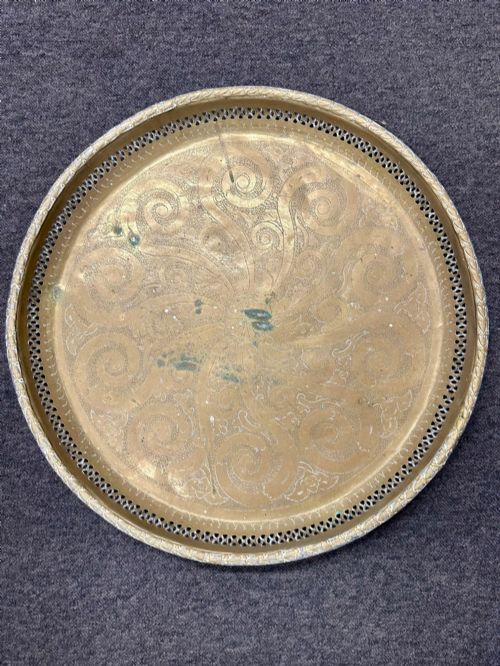
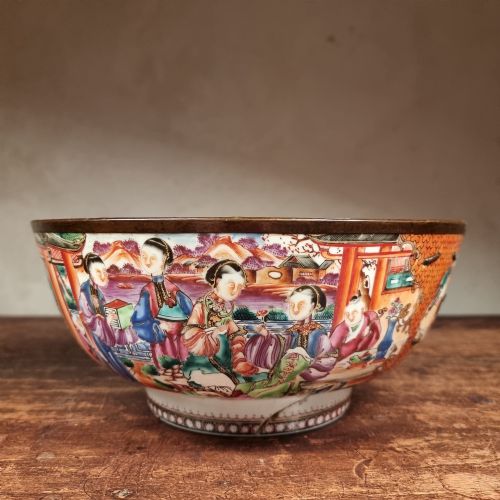
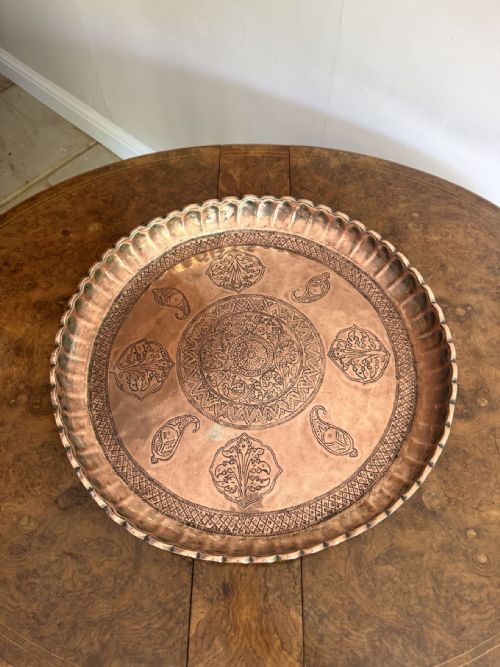
A decorative brass dish brings intricate metalwork, enamel and pattern into a room, serving as a striking wall hanging or a centrepiece bowl.
Decorative Brass Dish
When searching for a decorative brass dish, collectors encounter an eclectic selection spanning Victorian, Edwardian, and Meiji periods alongside diverse regional traditions. The items range from large circular chargers and plates to small presentation trays, bowls, and tazzas created for display.
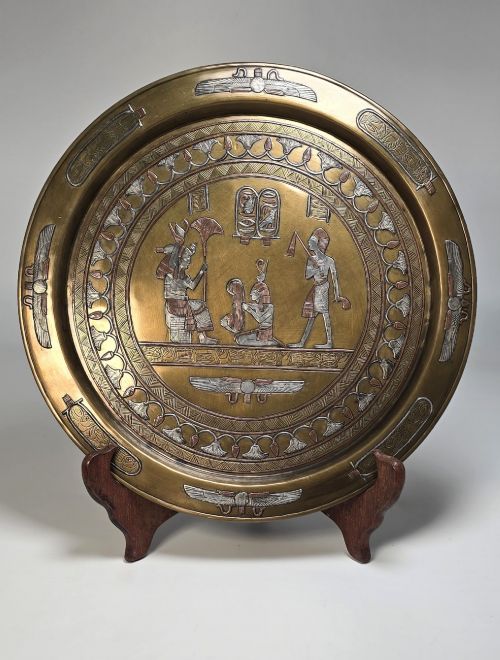
The most common examples on this page are Japanese cloisonne chargers and plates featuring detailed enamel work depicting birds, flowers, and landscapes. Alongside these, buyers find Middle Eastern and Cairo ware vessels, alongside British Arts and Crafts hammered copper and brass items.
Originating from workshops across Europe, Asia, and the Middle East, these vessels reflect global trade and aesthetic exchanges of the nineteenth and early twentieth centuries. Their utility shifted from functional serving vessels to ornamental display pieces intended for drawing rooms and cabinets.
How they were made
Makers shaped these vessels using methods such as hammering sheet metal, casting in bronze or brass, and spinning on a lathe. Artisans applied surface decoration through manual engraving, embossing, and silver or mixed-metal inlay work.
Cloisonne pieces required soldering delicate metal wires to a metal base to form cells, which were then filled with coloured enamel pastes and fired multiple times. Ormolu mounts and cut glass elements involved precision casting and glass-cutting techniques combined with gilt bronze fittings.
Decorative Brass Dish Retail Price Guide 2026
Typical asking prices for decorative brass dish among the pieces listed under this phrase on Sellingantiques today, from the lower quarter to the upper quarter. They describe what is for sale here now, not the wider market.
Materials recorded on this page include brass, copper, cloisonne enamel, ormolu, and cut glass.
What varies in quality
The sophistication of the design and the precision of the metalwork or enamel determine the distinction at the upper end of the scale. Pieces featuring complex multi-coloured cloisonne motifs, detailed silver inlay, or signed workshop attributions command greater attention.
Weight, gauge of metal, and depth of relief carving also separate standard production items from masterworks. The clarity of the firing in enamel surfaces and the crispness of chased or engraved details indicate the maker's level of skill.
The Decorative Brass Dish Glossary
- Charger
- A large ornamental plate or dish traditionally used for display rather than dining. These wide surfaces often showcase elaborate pictorial or geometric decoration.
- Cloisonne
- An enamel technique where metal wires are soldered to a base to create compartments filled with coloured paste. Firing vitrifies the enamel into hard glass-like patterns.
- Cairo Ware
- Late nineteenth-century metalwork originating from Egypt, typically featuring brass or copper inlaid with silver and other metals in Islamic calligraphic or geometric patterns.
- Ormolu
- Gilded bronze mounts and decorative fittings popular in French furniture and decorative objects. The technique involves applying a gold amalgam to bronze.
- Tazza
- A shallow ornamental bowl or cup raised on a high foot or stem. These pieces frequently incorporate stones like agate or decorative cast metal mounts.
Decorative Brass Dish: Frequently Asked Questions
How were decorative brass dishes used?
These vessels served primarily as ornamental display objects on walls, sideboards, and tables rather than for practical domestic dining. Wealthy households utilised chargers and large plates to showcase intricate craftsmanship and artistic taste.
Over time, many of these items transitioned from functional serving vessels into purely decorative collector's pieces. They remained popular interior ornaments throughout the Victorian and Edwardian eras.
How do I identify Meiji period cloisonne?
Meiji period cloisonne vessels typically feature refined wirework depicting natural subjects like birds, flowers, and Mount Fuji. The enamel colours range from deep translucent blacks and greens to vibrant yellows and blues.
Many high-quality pieces from this era bear workshop signatures on the base or reverse. The precision of the wire cells indicates the piece's origin in Japanese manufacturing centres such as Nagoya.
What is Cairo ware?
Cairo ware refers to nineteenth-century metalware produced in Egypt for the European Grand Tour market. Artisans hammered copper, brass, and mixed-metal surfaces before inlaying them with silver.
The resulting designs combine traditional Islamic calligraphy and geometric motifs with forms suited to Western interiors. These pieces display distinct patinated finishes and contrasting metal tones.
How do I care for antique brass and copper?
Maintain these metal surfaces by dusting them gently with a soft, dry cloth. Avoid using harsh chemical polishes that can strip away historic patination and damage delicate enamel or inlay.
Keep the items away from excessive moisture and direct sunlight to preserve the stability of inlaid metals and coloured glass components. Professional conservation is recommended for fragile cloisonne or mixed-metal vessels.