



Brass Wall Plaque
Brass wall plaque forms cross centuries and stylistic traditions, uniting heavy metalwork, enamel and repousse technique for display.

Brass Wall Plaque
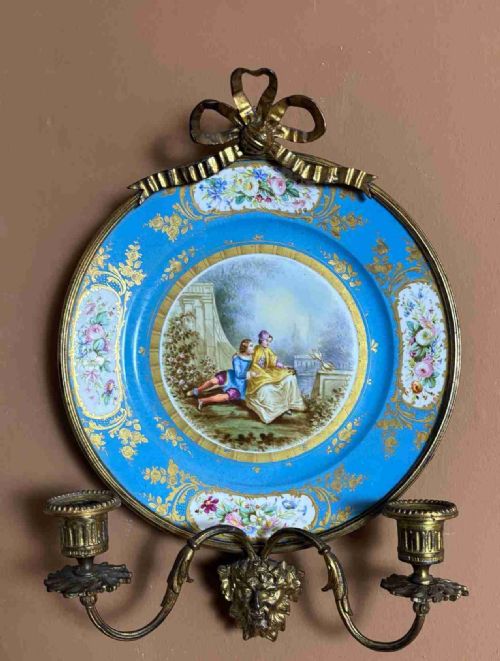
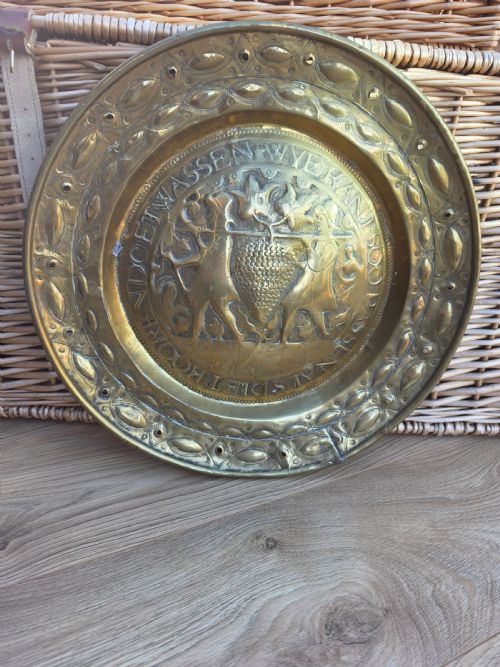
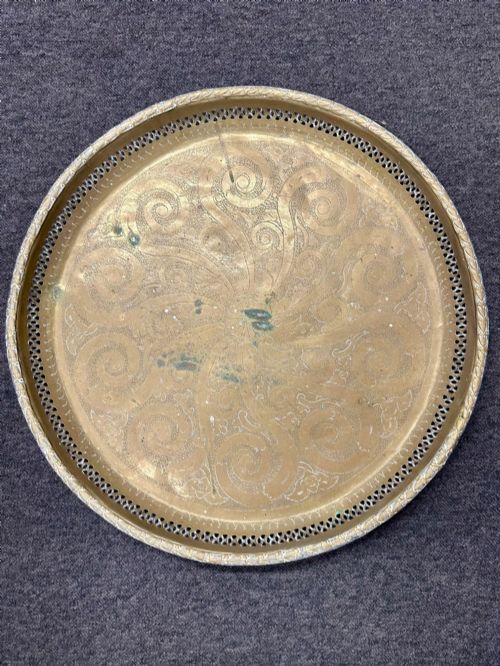
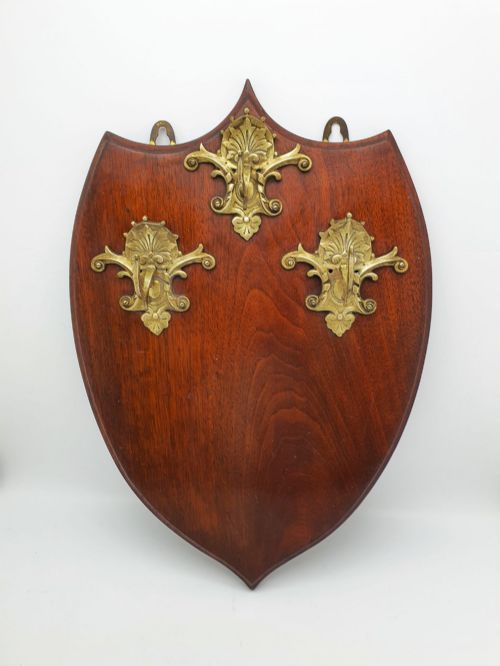
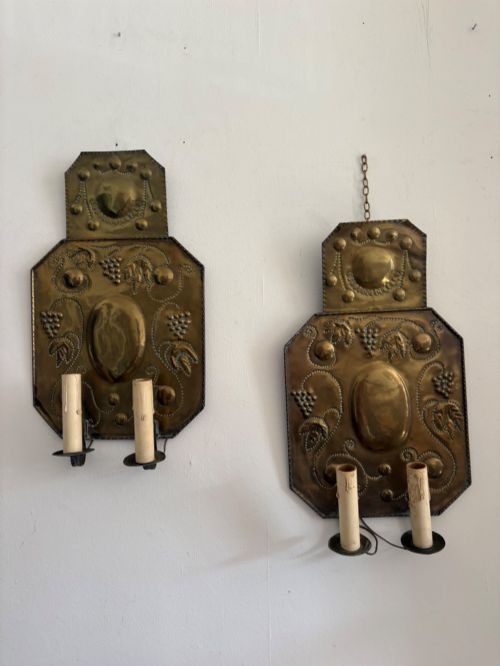
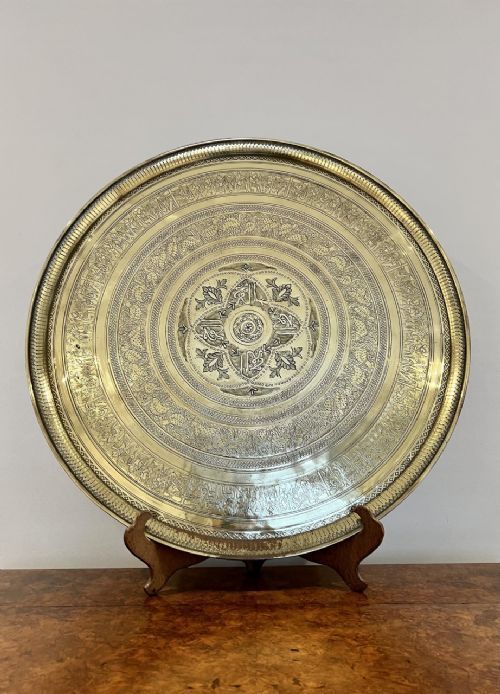
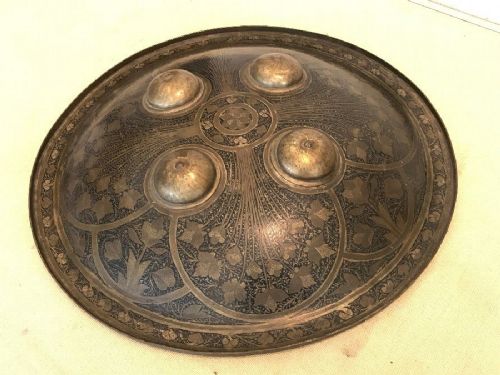
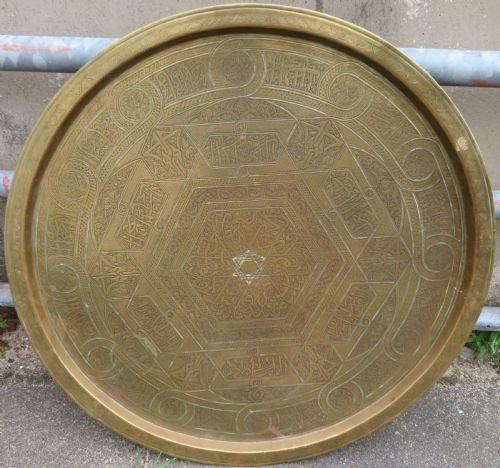
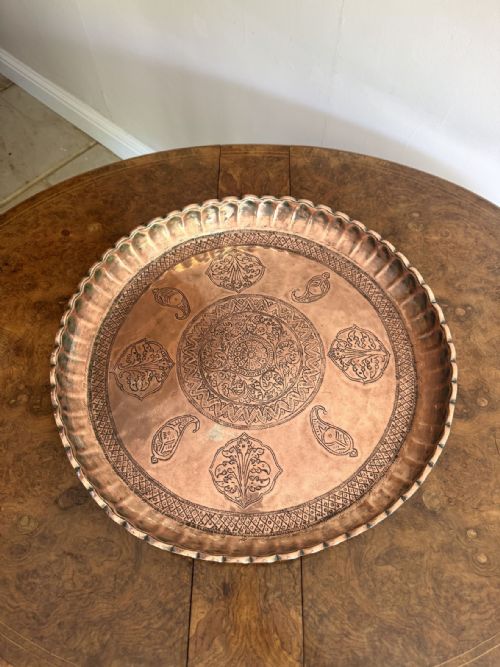
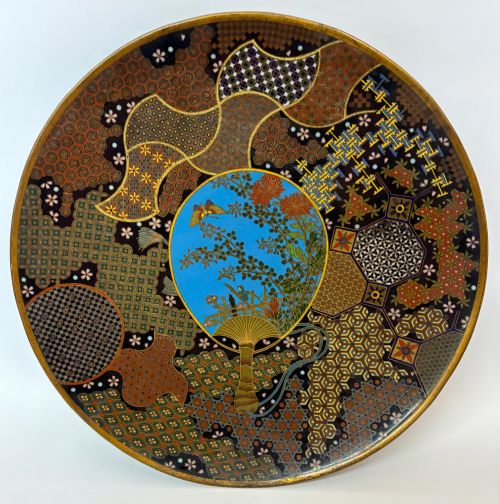
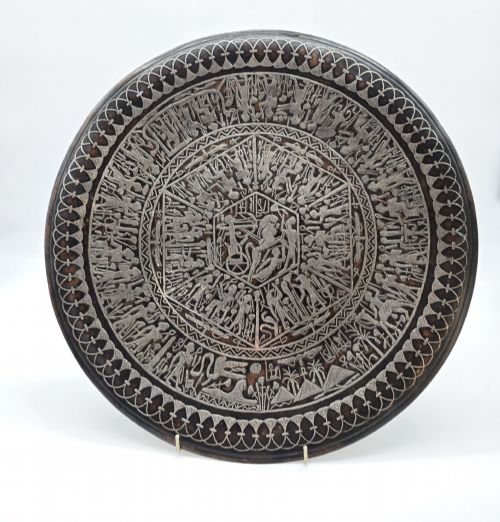
A brass wall plaque covers circular chargers, decorative trays, armorial plates and relief panels designed specifically for suspension. You will frequently encounter Japanese cloisonne chargers, Indo-Persian shields, Cairo Ware trays and Dutch repousse sconces within this selection.
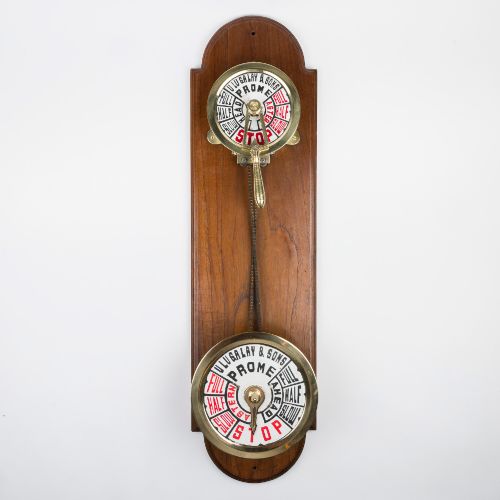
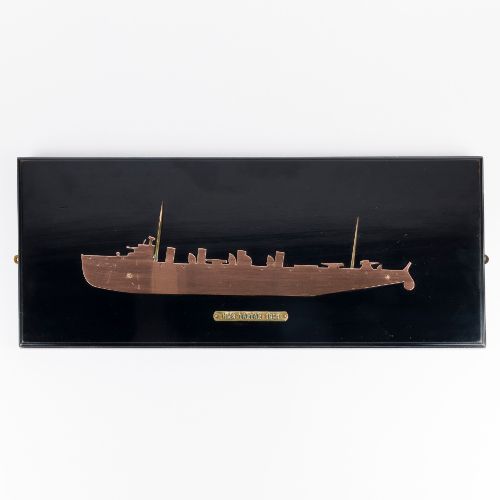
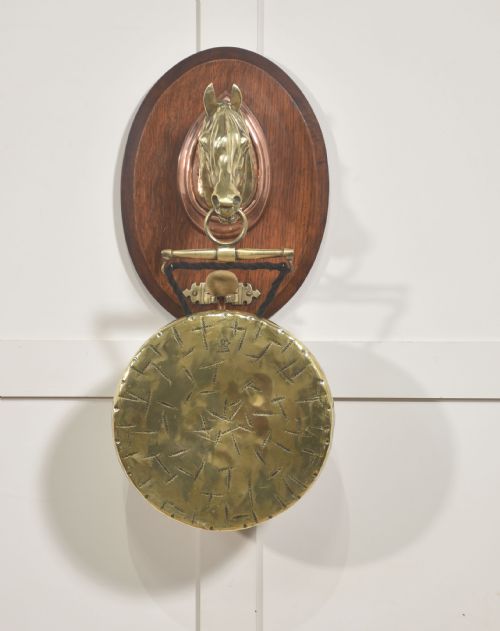
The objects span from the eighteenth century through the Edwardian era and into the 1930s, encompassing Victorian manufacture and earlier traditions. Forms range from heavy cast brass animal mounts and engine room telegraphs to finely engraved mixed metal platters and enamel plaques.
Materials and construction methods
Items rely heavily on brass, copper and bronze, often enhanced with enamel, silver inlay, gilding or oak backing boards. Metalworkers employed hammering, repousse work, casting and cloisonne wiring to build up complex surface decoration.
Techniques such as repousse push designs outward from the reverse to create raised relief, whilst engraving cuts directly into the metal surface. Mixed metal surfaces combine contrasting copper, bronze and brass elements for tonal depth.
Brass Wall Plaque Retail Price Guide 2026
Typical asking prices for brass wall plaque among the pieces listed under this phrase on Sellingantiques today, from the lower quarter to the upper quarter. They describe what is for sale here now, not the wider market.
Materials represented across the selection include brass, copper, bronze, enamel, glass, oak and gilt metal.
Distinguishing quality levels
Quality rests upon the crispness of the chasing or repousse work and the complexity of the design. Masterpiece cloisonne chargers demonstrate precise wire placement and rich enamel work depicting subjects like koi, birds and chrysanthemums.
Simpler pressed metal items rely on industrial stamping, whereas superior examples show hand engraving, heavy gauge metal and intricate inlay work typical of Cairo Ware or Komai style pieces.
Ulugary & Sons·Villeroy & Boch
The Brass Wall Plaque Glossary
- Repousse
- A metalworking technique where the artisan hammers metal from the reverse side to form a raised design in relief on the front. This method creates depth and texture on chargers and shields.
- Cloisonne
- An ancient technique for decorating metal object surfaces using enamel compartments defined by strips of metal welded to the base. Artisans fill these cells with vitreous paste before firing.
- Cairo Ware
- Late nineteenth and early twentieth-century metalwork originating in Egypt featuring heavy brass inlaid with silver and copper geometric or calligraphic patterns. These items were popular during the Grand Tour period.
- Charger
- A large decorative plate or dish intended for display on a wall or sideboard rather than for serving food. They often feature elaborate engraved or repousse scenes.
- Alms dish
- A shallow basin traditionally used for collecting church offerings, frequently embossed with religious or floral motifs in brass. Examples date back to the eighteenth century.
Brass Wall Plaque: Frequently Asked Questions
How do I hang a heavy brass wall plaque?
Most heavier chargers and shields feature integrated rear hanging loops or sturdy rims suited to picture wire and wall anchors. Ensure your fixing engages directly with wall studs or uses heavy-duty wall plugs.
Take care to distribute the weight evenly so the plaque rests securely against the wall surface without tilting.
Are these plaques purely decorative?
The majority of pieces function exclusively as wall art, display plates, armorial plaques or decorative trays intended for visual appreciation. Items like engine room telegraphs and hotel key boards served functional roles before entering the decorative sphere.
Their primary value lies in their craftsmanship, historical associations and visual impact within an interior scheme.
How do I clean antique brass and copper?
Dust gently with a soft, dry cloth to remove surface particles without disturbing patina or fragile enamel work. Avoid harsh chemical polishes that strip away age and historical surface character.
Preserving the natural darkening and mellow tones of nineteenth-century brass maintains both the visual depth and the authenticity of the piece.
How do I distinguish Cairo Ware from other Islamic metalwork?
Cairo Ware typically combines heavy brass bases with distinct silver and copper wire inlay depicting traditional Islamic motifs. These pieces date predominantly from the late nineteenth and early twentieth centuries.
Other regional work, such as Indo-Persian shields, relies more heavily on engraved foliate patterns and repousse steel or brass without the characteristic contrasting wire inlay.