






Antique Islamic Metalwork
Antique islamic metalwork spans centuries of intricate brass, copper and bronze vessels, bringing tangible craft and historic pattern straight into modern rooms.
Antique Islamic Metalwork
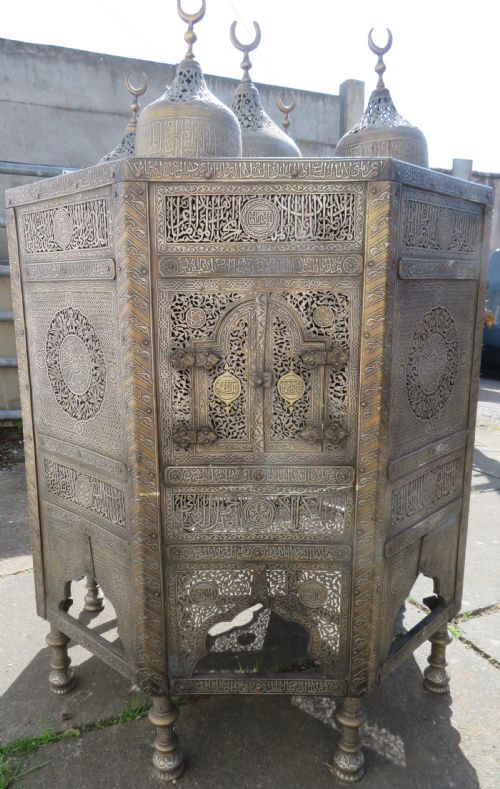
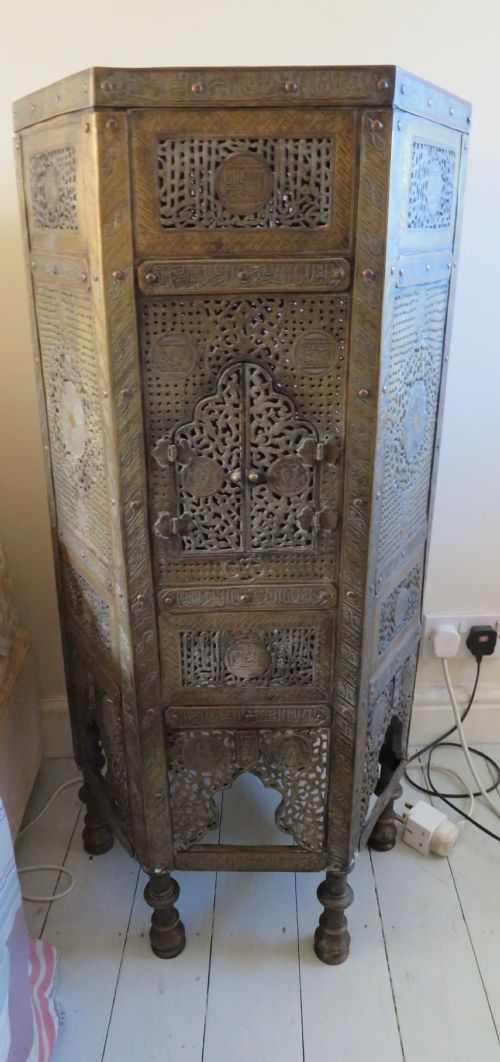
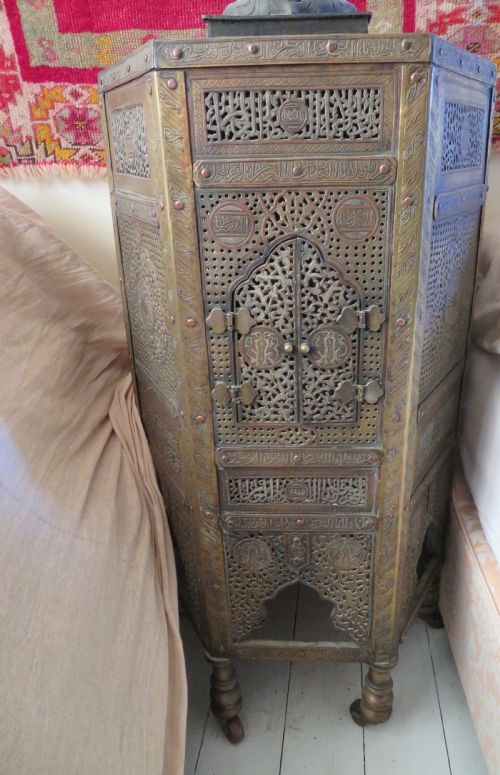
Antique islamic metalwork encompasses a diverse range of functional and decorative items, from heavy wash bowls and coffee pots to hexagonal occasional tables known as kursi. These items reflect traditional regional crafts spanning the Middle East, India, and Persia.
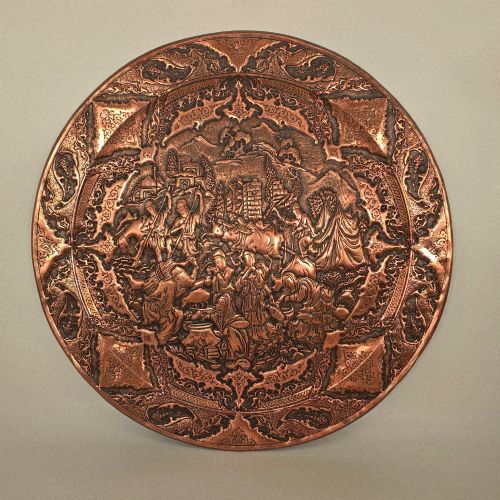
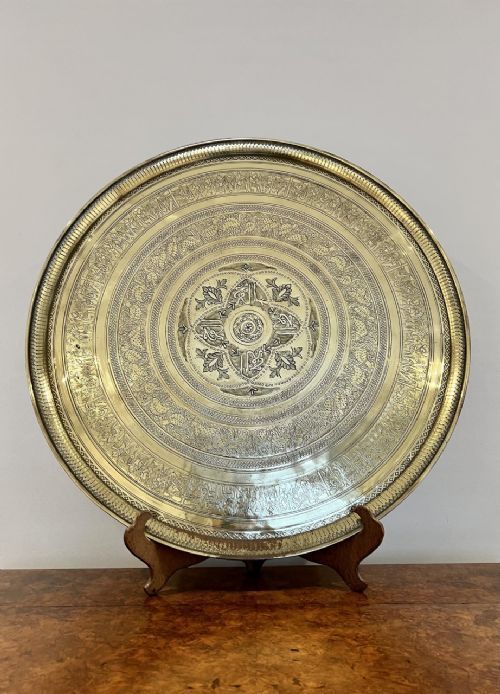
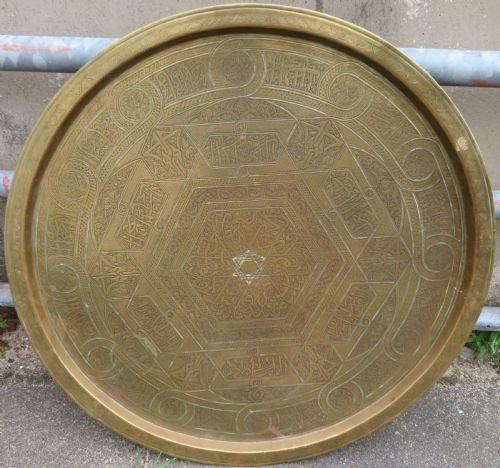
The objects frequently encountered on this page include engraved brass trays, decorative boxes, wall chargers, and brass basins. Many pieces draw upon classic Mamluk, Ottoman, and Persian design vocabularies.
Mamluk revival pieces and Cairo ware items dominate the later periods, particularly around nineteen hundred and the early twentieth century. Buyers also encounter earlier centuries, represented by Safavid and Khorasan vessels.
How they were made
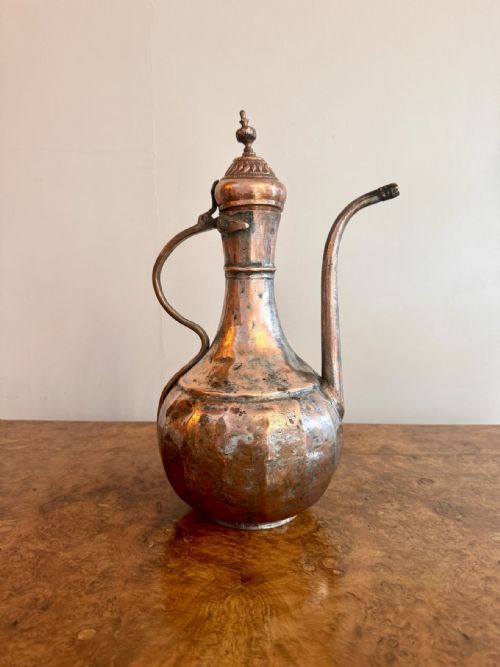
Makers utilised base metals such as brass, copper, bronze, and white metal as foundations for elaborate surface work. Artisans hammered, cast, and spun these metals into robust forms like ewers, candlesticks, and ritual vessels.
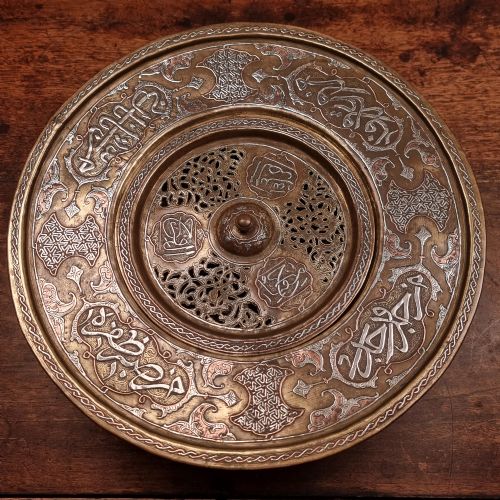
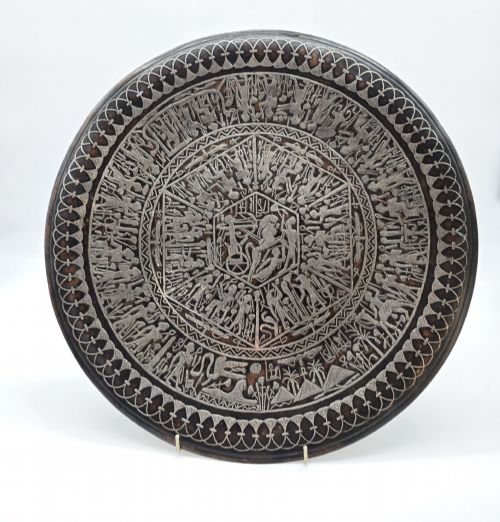
Surface decoration relies heavily on hand engraving and intricate metal inlay, utilising silver, copper, and gold wire to create contrasting patterns. Openwork piercing, repoussé, and enamel work also appear across trays, panels, and bowls.
Antique Islamic Metalwork Retail Price Guide 2026
Typical asking prices for islamic metalwork among the pieces listed under this phrase on Sellingantiques today, from the lower quarter to the upper quarter. They describe what is for sale here now, not the wider market.
Recorded periods span from the twelfth century up through the nineteenth century and into the nineteen thirties.
What varies in quality
The standard of antique islamic metalwork depends largely on the crispness and depth of the hand engraving. Superior pieces display precise, confident chisel work that retains sharp geometric and calligraphic details.
The integrity of the metal inlay dictates overall refinement. Top-tier items maintain intact silver, copper, or gold wire flush with the patinated ground, whereas lesser examples show losses or superficial application.
The Antique Islamic Metalwork Glossary
- Kursi
- A low hexagonal occasional table or Quran stand used in traditional Middle Eastern interiors. These pieces often feature openwork white-metal and copper-inlaid brass panels.
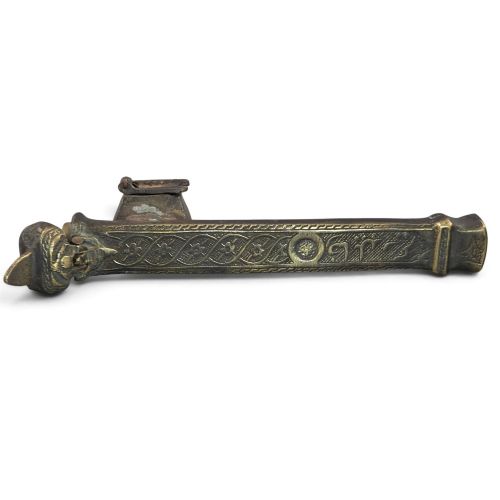
- Divit Qalamdan
- A traditional portable writing box featuring an inkwell attached to a long pen case. These items were often fashioned from brass and signed by the maker.
- Repoussé
- A metalworking technique where the artisan hammers the metal from the reverse side to form a raised design in relief. This method creates tactile depth on trays and copper vessels.
- Cairo Ware
- Late nineteenth and early twentieth century metalware produced in Egypt, characterised by heavy silver and copper inlay on brass surfaces. These pieces cater to both local markets and the orientalist taste.
- Aftaba
- A long-necked ewer traditionally used for ritual washing or pouring water. These bronze and brass vessels often incorporate zoomorphic handle details such as makara motifs.
Antique Islamic Metalwork: Frequently Asked Questions
What is Cairo ware?
Cairo ware describes nineteenth and twentieth-century brass metalwork inlaid with silver and copper, originating primarily from Egypt.
These pieces range from large wall chargers and occasional tables to lamps, created during the height of the revival period.
How do I clean antique brass?
Antique brass and copper objects require minimal intervention to preserve their historic patinated surfaces.
Dusting with a dry cloth is generally sufficient, avoiding harsh chemical polishes that strip away age.
Where were these metal objects made?
The pieces originate from workshops across the Middle East, Persia, Syria, Egypt, and India.
Regional centres developed distinct traditions, such as Khorasan bronze work or Damascene brass inlay.
What are kursi tables used for?
Kursi tables serve as low occasional furniture or Quran stands within traditional settings.
Their hexagonal frames accommodate intricate openwork panels and contrasting metal inlays.