


Brass Tea Tray
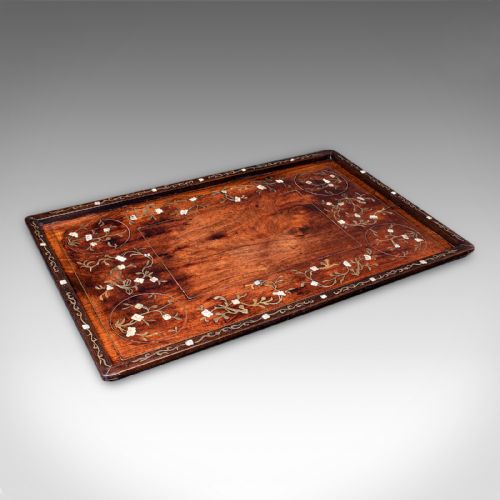
When you search for a brass tea tray, you enter a world of timber, metal and intricate metalwork designed for serving or display.
Brass Tea Tray
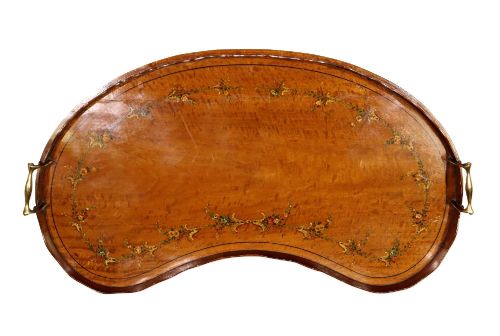
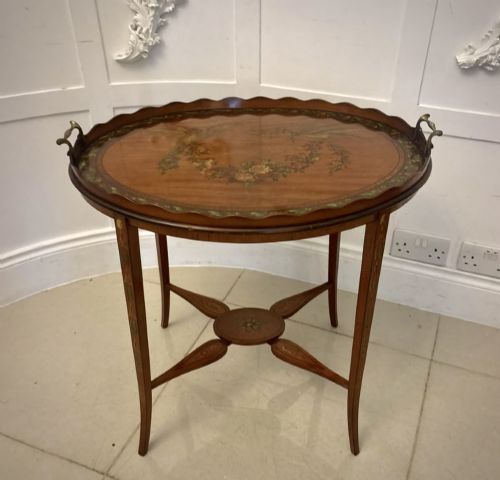
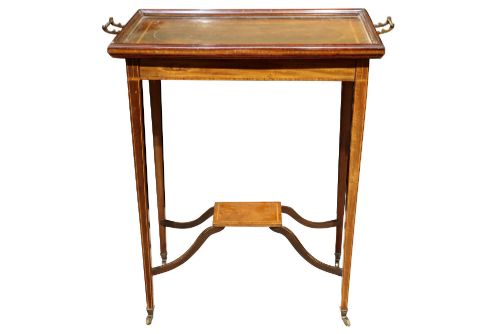
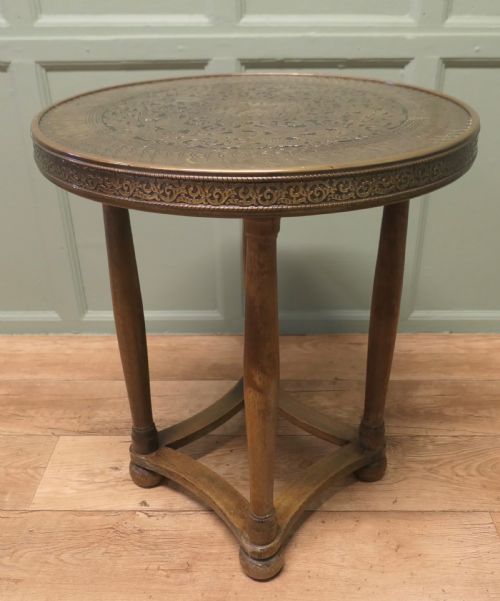
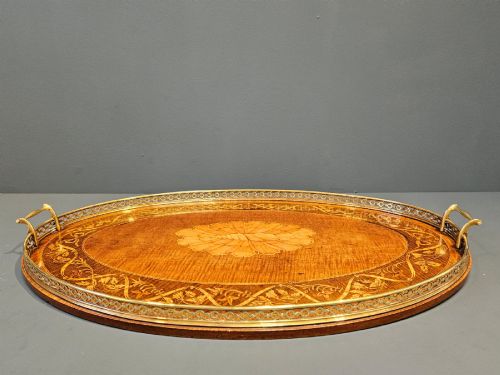
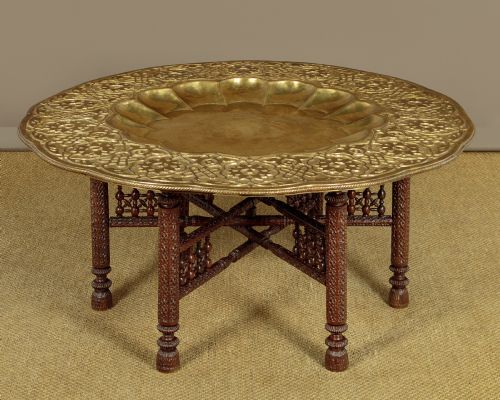
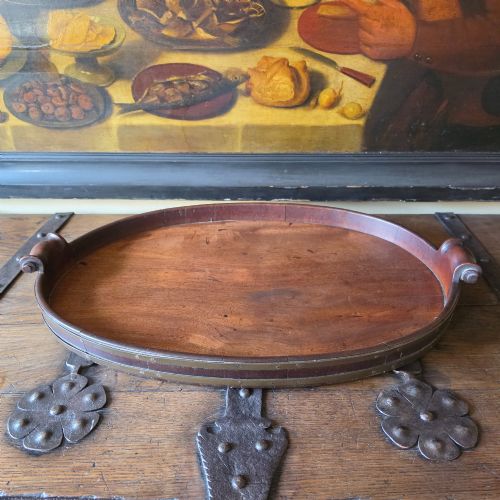
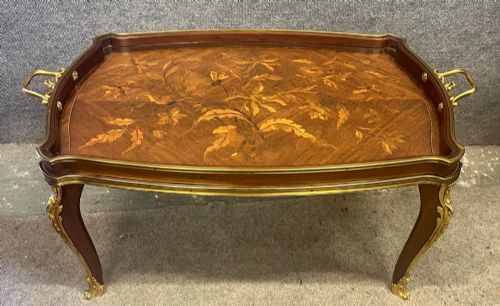
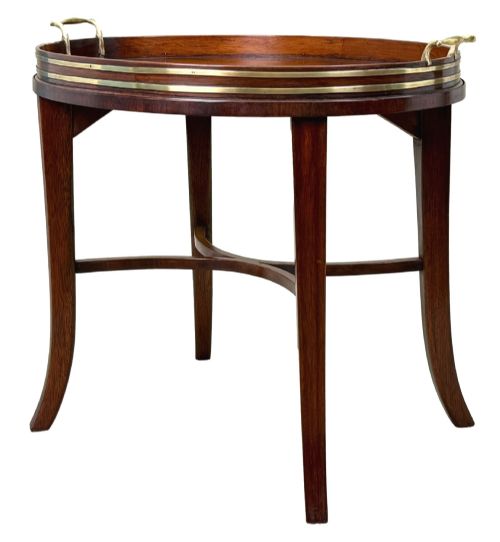
A brass tea tray combines a metal surface with wooden frames, stands or handles, appearing in forms ranging from flat serving platters to raised galleries and folding tray tables.
The pieces on this page span the 18th century, Victorian and Edwardian eras, with notable examples originating from English workshops as well as Anglo-Indian and Islamic traditions.
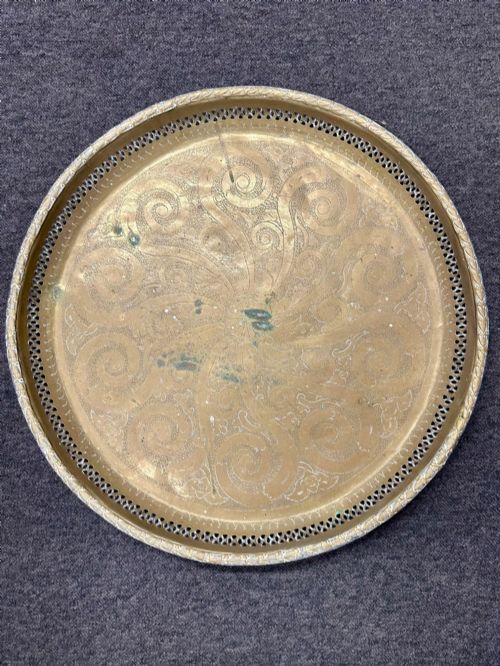
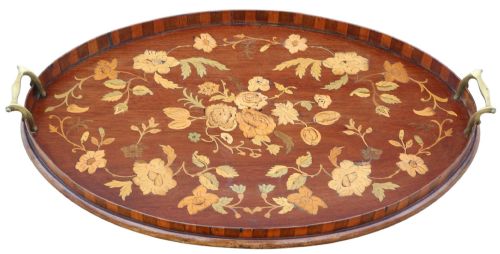
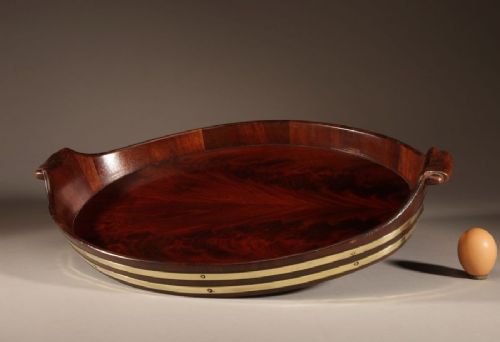
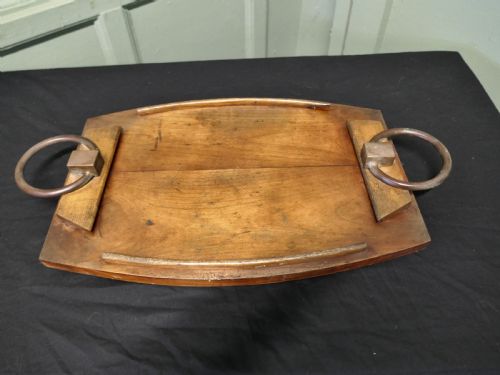
Buyers encounter oval, kidney-shaped, circular and rectangular formats, often fitted with brass carrying handles, galleried rims or cooperative stands for domestic use.
How they were made
Cabinetmakers utilised dense timbers such as mahogany, satinwood, walnut, teak and oak for the body, frequently incorporating marquetry inlay, satinwood banding and coopered construction.
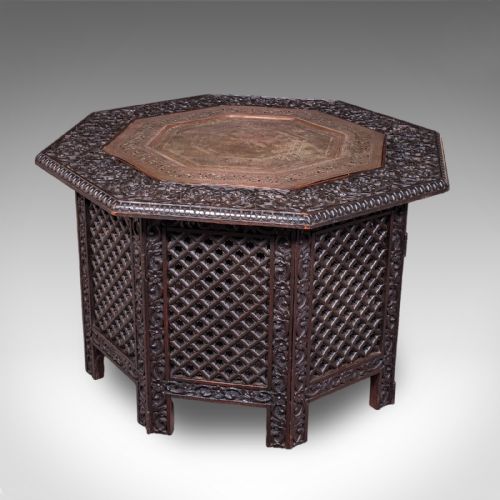
Metal elements involve engraved brass, copper and mixed metals, sometimes hammered by hand or etched with detailed Islamic, Cairesene or Persian motifs before mounting onto folding or fixed wooden stands.
Brass Tea Tray Retail Price Guide 2026
Typical asking prices for brass tea tray among the pieces listed under this phrase on Sellingantiques today, from the lower quarter to the upper quarter. They describe what is for sale here now, not the wider market.
Some folding tray tables travelled across continents as colonial luggage before settling in British drawing rooms.
What varies in quality
The standard of a brass tea tray depends on the crispness of the brass engraving, the precision of the marquetry inlay and the structural integrity of the timber framing and handles.
Superior examples display balanced proportions, rich natural wood grains and securely fitted metal galleries, whereas simpler items rely on plain surfaces and straightforward joinery.
Edwards and Roberts
The Brass Tea Tray Glossary
- Gallery
- A raised pierced or solid metal border running around the edge of a tray to prevent items from sliding off. It is typically constructed in brass or copper.
- Marquetry
- Decorative patterns formed by fitting contrasting veneers into a prepared wood background. It frequently adorns the surface of mahogany and satinwood trays.
- Coopered
- Woodwork constructed from vertical staves bound together with metal bands, similar to the technique used for barrels. This method appears in rounded tray bodies.
- Cairoware
- Metalwork featuring intricate Islamic engraved designs inlaid with silver and copper. These pieces originate from Middle Eastern and Indian traditions.
- Etagere
- A set of open shelves or tiered surfaces used for display and serving. These occasionally incorporate removable tray tops.
Brass Tea Tray: Frequently Asked Questions
How were brass tea trays used originally?
These trays served in formal drawing rooms and parlours for carrying porcelain teapots, cups and saucers during afternoon tea.
Servants brought the service to guests, often placing the tray directly onto a folding wooden stand to create a temporary table.
How do I tell an Edwardian tray from a Victorian one?
Victorian trays often feature heavy mahogany construction with robust brass handles and darker wood tones.
Edwardian examples frequently showcase lighter satinwood, delicate marquetry inlay and kidney-shaped outlines influenced by Sheraton Revival styles.
What is an Anglo-Indian tray table?
An Anglo-Indian tray table combines a removable engraved brass top with a heavily carved folding wooden stand.
These pieces reflect the cultural exchange between British domestic demand and traditional Indian metalworking and woodcarving techniques.
How should I care for a brass tea tray?
Maintain the timber surfaces with appropriate furniture wax while dusting the wooden frame regularly with a dry cloth.
Clean the brass elements gently to preserve the aged patina without stripping away the historic character of the metal.