

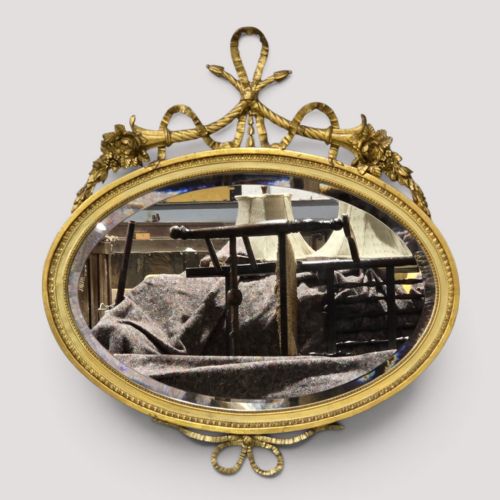
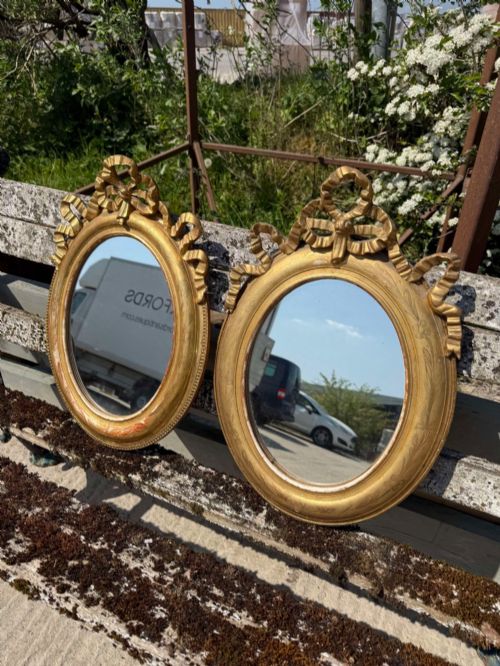
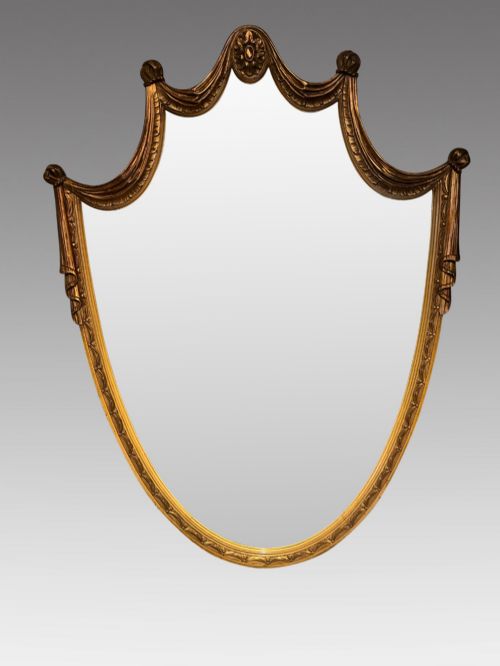
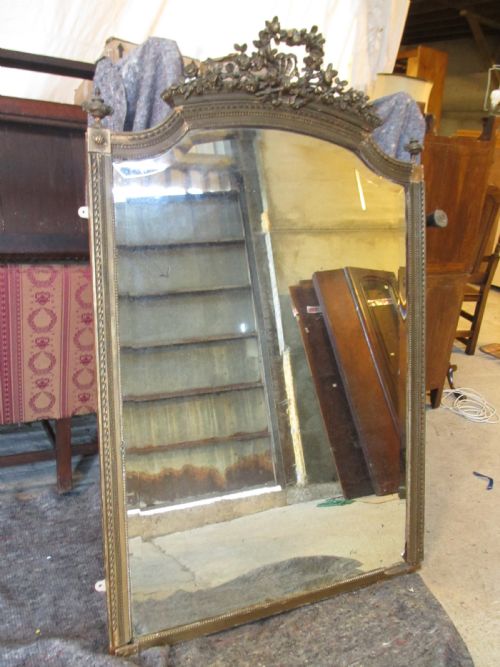
Neoclassical Giltwood Mirror
A neoclassical giltwood mirror brings architectural balance and reflective light to a room through classical ornament and gilded framing.

Neoclassical Giltwood Mirror
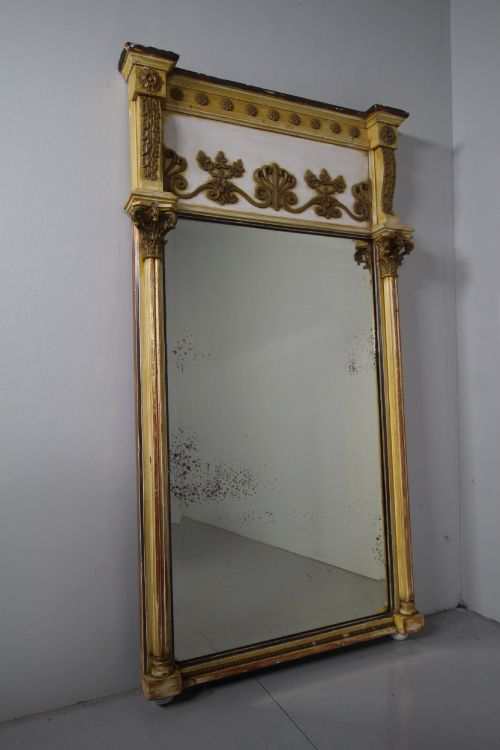
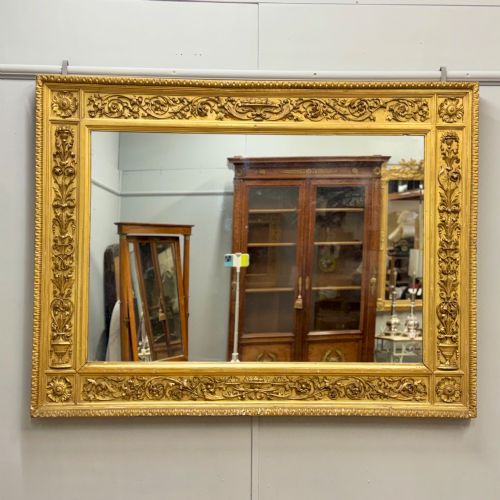
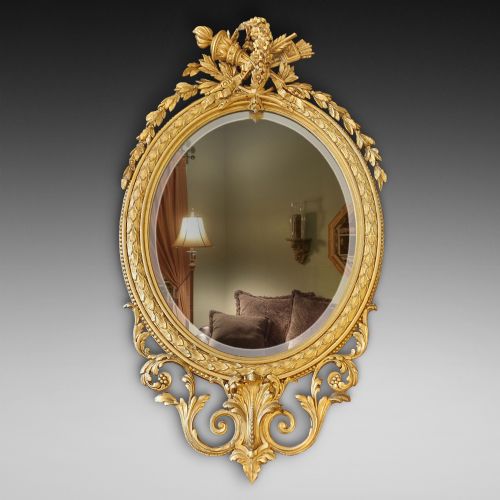
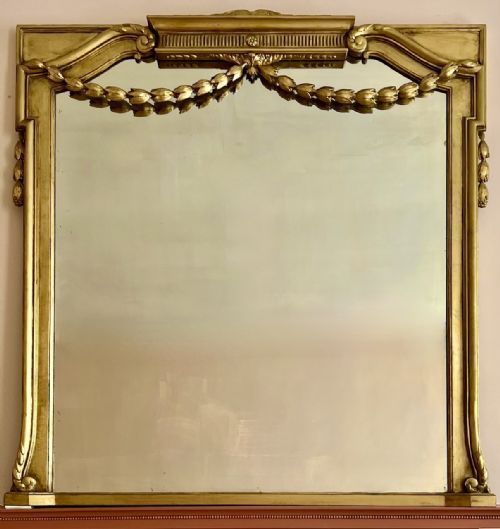
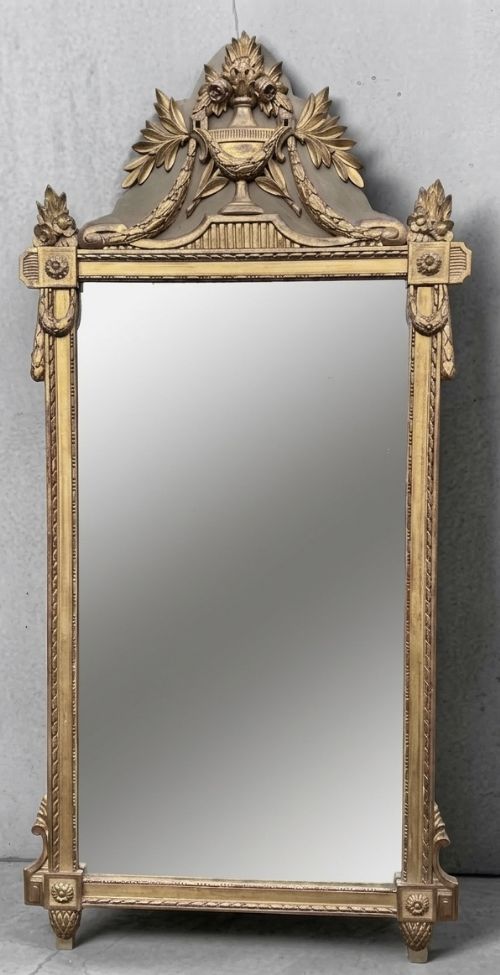
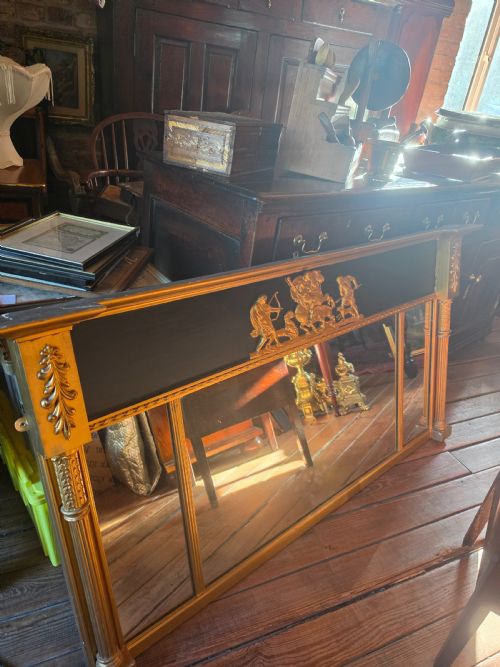
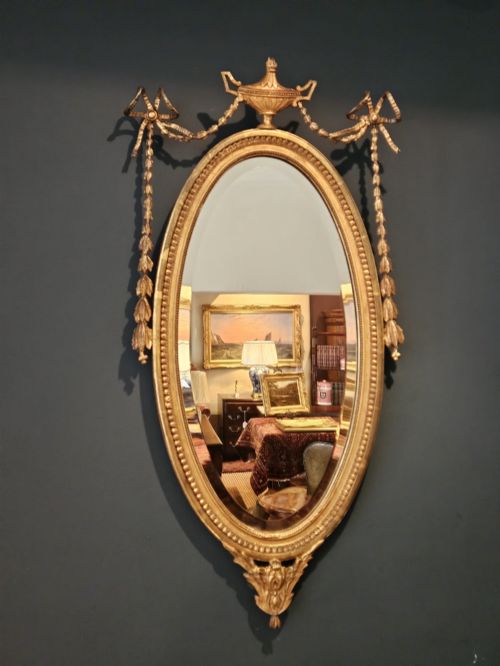
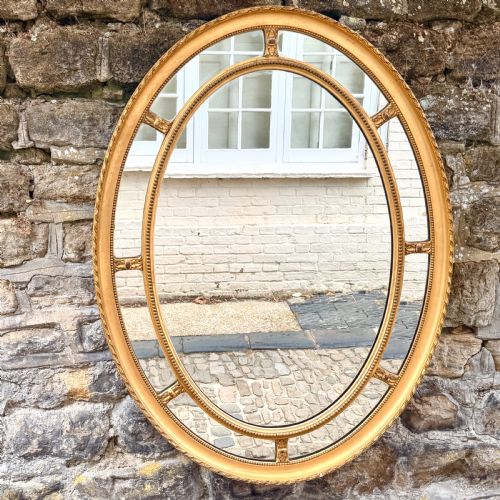
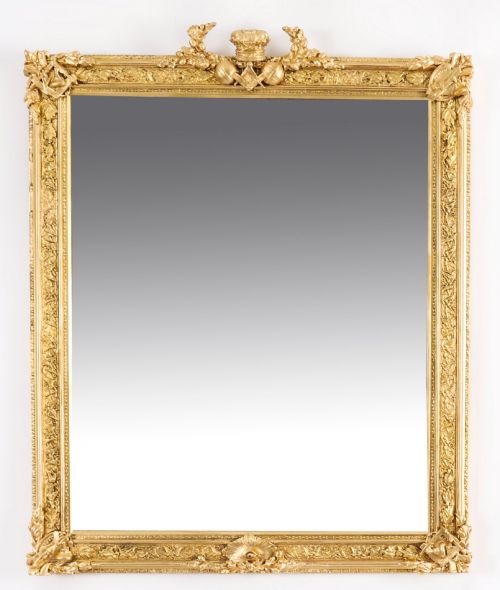
A neoclassical giltwood mirror offers structured classical ornament, clean lines, and gilded surfaces designed to elevate interior spaces. When you search for a neoclassical giltwood mirror, you encounter large overmantel designs, pier mirrors, and triptych formats intended for prominent wall placement.
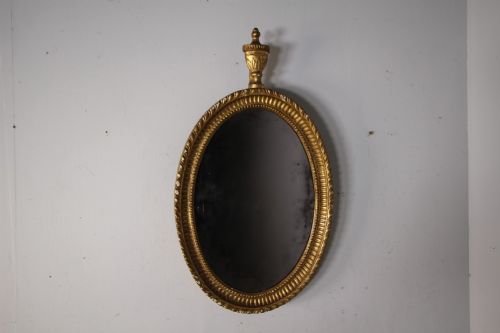
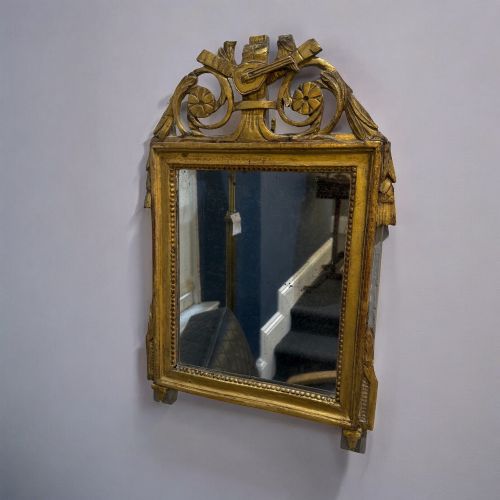
The pieces appearing on this page span the eighteenth and nineteenth centuries, including Georgian, Regency, Victorian, and Louis XVI periods. Common structural forms comprise tall pier mirrors and substantial overmantel mirrors decorated with classical motifs.
Examples often reflect Adam style or George III design principles, demonstrating formal symmetry and restrained architectural detailing. Buyers typically find frames shaped from wood and finished with applied gesso or composition ornaments under gold leaf.
How they were made
Makers constructed the structural frames primarily from timber before applying layers of gesso to build up smooth surfaces for gilding. Composition material was frequently pressed into moulds to form repetitive classical decorations such as egg-and-dart moulding or floral festoons.
Craftsmen applied thin sheets of gold leaf over a prepared bole base, burnishing portions to achieve contrasting matte and bright finishes. Original glass plates were cast or blown, resulting in characteristic depth and minor surface imperfections distinct from modern float glass.
Neoclassical Giltwood Mirror Retail Price Guide 2026
Typical asking prices for neoclassical giltwood mirror among the pieces listed under this phrase on Sellingantiques today, from the lower quarter to the upper quarter. They describe what is for sale here now, not the wider market.
Current site listings feature eighteenth and nineteenth-century pieces in Georgian, Regency, Victorian, and Louis XVI styles using giltwood and glass.
What varies in quality
Quality rests upon the crispness of the carved or moulded ornamentation and the preservation of the original gilt surface. Finer examples retain their initial mercury or early silvered glass plates, whereas replacements alter the visual character.
The depth of the framing architecture and the complexity of the classical motifs dictate the standing of a piece within the range. Superior construction shows seamless mitring in the timber frame and securely adhered composition details that resist cracking.
The Neoclassical Giltwood Mirror Glossary
- Giltwood
- Wood that has been coated with gold leaf over a prepared ground layer. This finish provides a warm, reflective metallic sheen that ages with a distinctive patina.
- Gesso
- A plaster-like mixture applied to the wooden frame as a base for gilding. It allows craftsmen to carve intricate details directly onto the surface before applying gold leaf.
- Composition
- A moulded mixture of whiting, resin, oil, and glue used for repetitive ornaments. It offers a cost-effective alternative to hand-carving while maintaining crisp classical detail.
- Pier mirror
- A tall mirror designed to hang on the wall space between windows. These pieces often feature elongated proportions to maximise light reflection in Georgian rooms.
- Triptych mirror
- A three-panel mirror format popular during the Regency period. The segmented glass plate arrangement creates a wider field of reflection across drawing room walls.
Neoclassical Giltwood Mirror: Frequently Asked Questions
How do I date a neoclassical giltwood mirror?
Dating relies on examining the construction techniques of the wooden frame, the composition of the gesso, and the backboards where applicable. Georgian and Regency pieces show specific timber preparation methods distinct from later nineteenth-century manufacturing.
Stylistic cues such as Adam-style husks or Louis XVI framing motifs also align pieces with particular design periods recorded in historical records.
What is an overmantel mirror?
An overmantel mirror is a wide format designed specifically to hang on the wall above a fireplace mantelpiece. These pieces frequently incorporate horizontal proportions to balance the width of the hearth below.
In neoclassical interiors, they often feature architectural cornices and classical friezes that tie the fireplace surround into the broader decorative scheme of the room.
Are original mirror plates important?
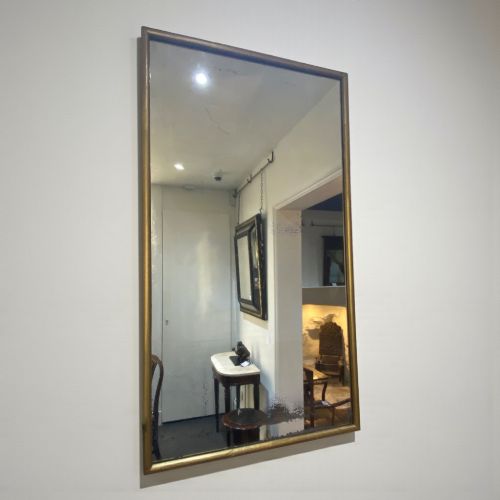
Original glass plates contribute significantly to the historical integrity and visual texture of antique mirrors. They frequently display subtle waviness, minor foxing, and depth that modern glass cannot replicate.
While many pieces have received replacement glass over the centuries due to damage, surviving original plates are valued by collectors for maintaining authentic period appearance.
How should I hang a heavy giltwood mirror?
Hanging requires locating structural wall studs or utilising appropriate masonry fixings capable of supporting substantial weight. Because these frames combine dense timber with heavy gesso and glass, secure wall attachment is essential for safety.
Professional installation is recommended to ensure the weight distributes evenly across reliable fixings without stressing the antique frame joints.