
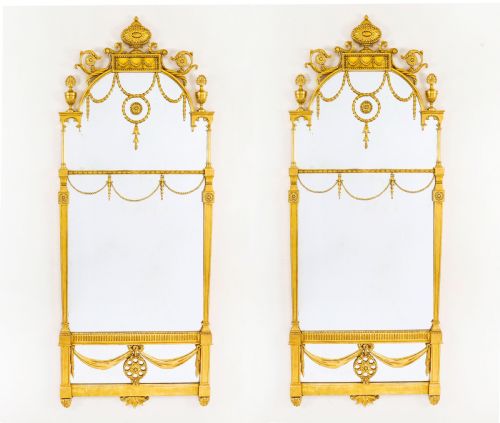
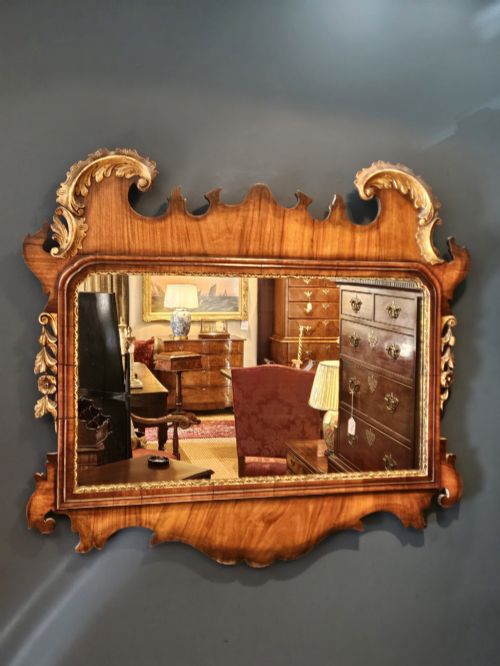


Georgian Style Overmantel
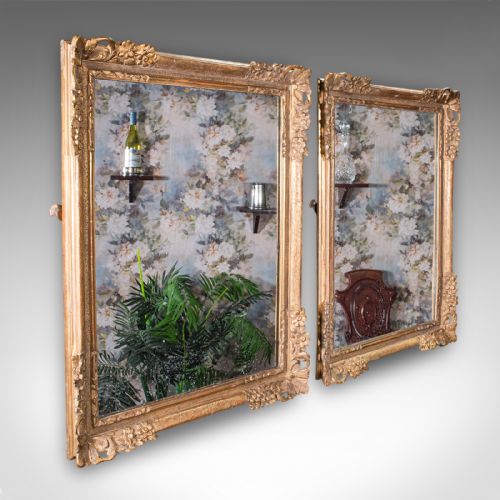
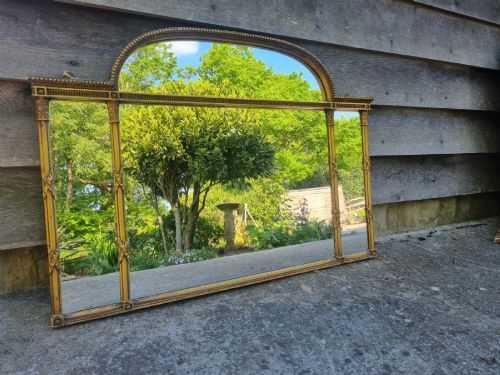
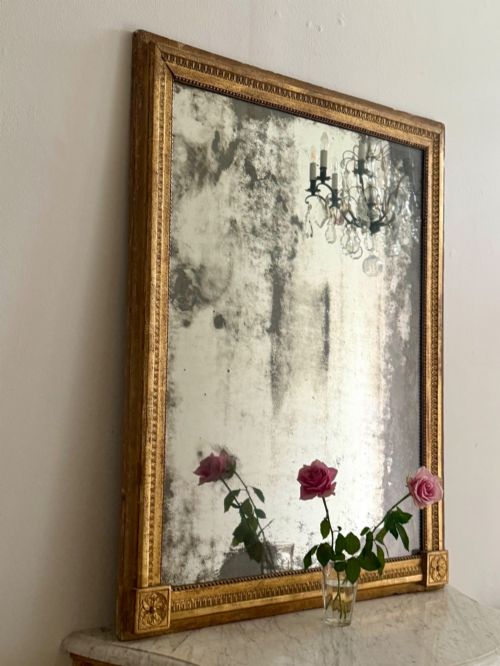
A georgian style overmantel sits above the fireplace, bringing formal symmetry and mirrored light into a period interior.
Identifying georgian style overmantel mirrors
A georgian style overmantel mirror is designed specifically to hang above a mantelpiece, drawing the eye upwards and reflecting the room. The pieces found here span the nineteenth century, including Victorian interpretations and work from around eighteen-eighty to nineteen hundred.
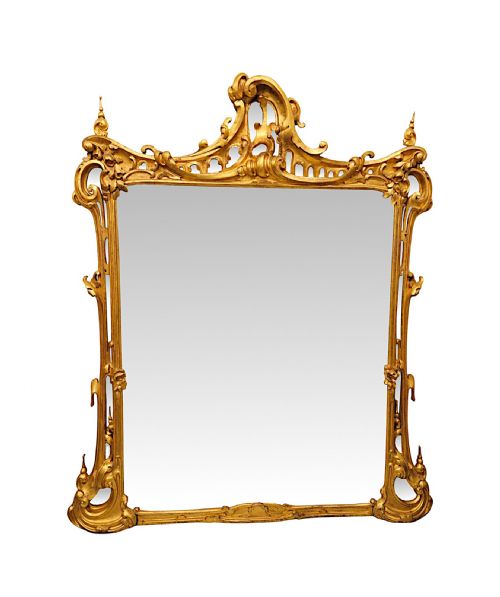
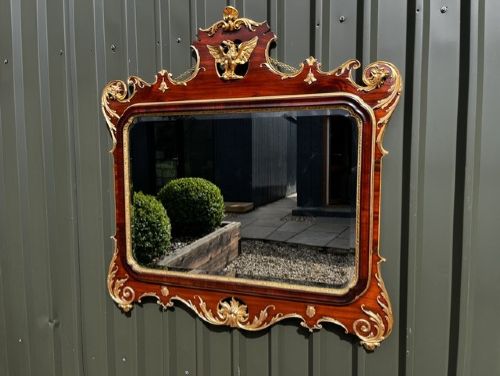
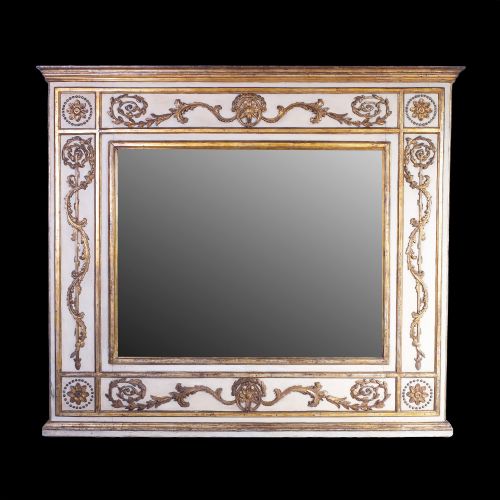
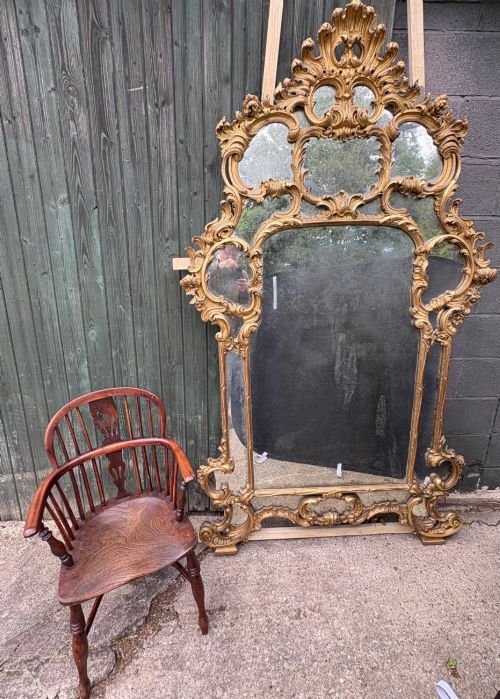
The dominant forms are grand architectural and decorative wall mirrors that borrow heavily from eighteenth-century vocabulary. You will encounter styles ranging from Chinese Chippendale and Grand Regency to Adam style and Neoclassical designs.
Makers of these later revival pieces drew on earlier pattern books to satisfy Victorian tastes for historicism. The resulting overmantels combine substantial proportions with intricate carved or moulded ornament tailored for period reception rooms.
Materials and construction
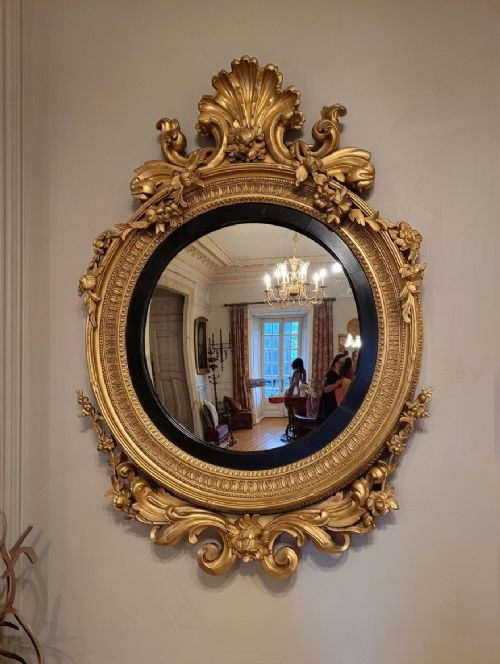
Makers utilised timber frames of mahogany alongside carved softwood enriched with gesso and plaster. Gilding was applied to create the bright, reflective surfaces characteristic of formal reception rooms.
Surface decoration relies on the interplay between polished timber grain and applied giltwood or painted finishes. Some examples incorporate specialist details such as bone inlay alongside traditional joinery.
Retail Price Guide 2026
Typical UK retail prices for georgian style overmantel, calculated from the Sellingantiques database of over a million retail prices indexed since 2003. This retail price guide relies exclusively on Sellingantiques data; no external sources or auction records are used, so the figures do not describe the wider market.
Some nineteenth-century mirrors hide tiny traces of gold leaf in unexpected crevices, proving that the gilder chased perfection even where eyes rarely reached.
Judging quality and execution
Quality in a georgian style overmantel rests on the crispness of the carving and the depth of the gilding over gesso. Finer examples display hand-modelled ornament with sharp relief rather than flat, repetitive moulding.
The choice of primary timber also dictates the tier of the piece, with richly figured mahogany standing apart from simpler painted or gilded softwood carcases. Proportion and the integration of mirror plates reveal the ambition of the original workshop.
The Georgian Style Overmantel Glossary
- Giltwood
- Wood that has been coated with gold leaf over a prepared base of gesso. This finish catches candlelight and natural illumination in a room.
- Gesso
- A plaster-like mixture applied to wood frames to provide a smooth surface for gilding or carving. It allows for intricate relief ornamentation.
- Chippendale
- A style named after the cabinetmaker Thomas Chippendale, known for classical proportions mixed with rococo, gothic or Chinese motifs. It defines several pieces in this group.
- Pier glass
- A tall mirror designed to hang on the wall space between windows. These share construction techniques and decorative styles with overmantels.
Frequently Asked Questions
Where should an overmantel mirror hang?
An overmantel mirror is traditionally mounted directly above the fireplace mantelpiece as the visual centrepiece of the room.
Its proportions are designed to complement the width of the fireplace surround and reflect light from opposing windows.
How do I date a revival mirror?
Dating relies on examining the backboards, fixings, mirror plate bevelling and the composition of the gesso beneath the gilding.
Nineteenth-century revival pieces often employ machine-sawn timber and specific structural methods distinct from eighteenth-century originals.
What is Chinese Chippendale style?
This style incorporates asymmetrical fretwork, pagoda motifs and exotic architectural elements drawn from eighteenth-century pattern books.
Victorian makers revived these intricate designs for large mirrors to create a sense of theatrical grandeur.
Are these mirrors heavy to hang?
These pieces combine dense hardwoods, thick glass and heavy gesso or plaster ornament, resulting in substantial weight.
Secure wall fixings anchored directly into structural brickwork or stud framing are essential for safe installation.