




Meiji Satsuma Pottery
When you search for meiji satsuma pottery, you uncover finely crackled earthenware painted with meticulous enamel and gold.
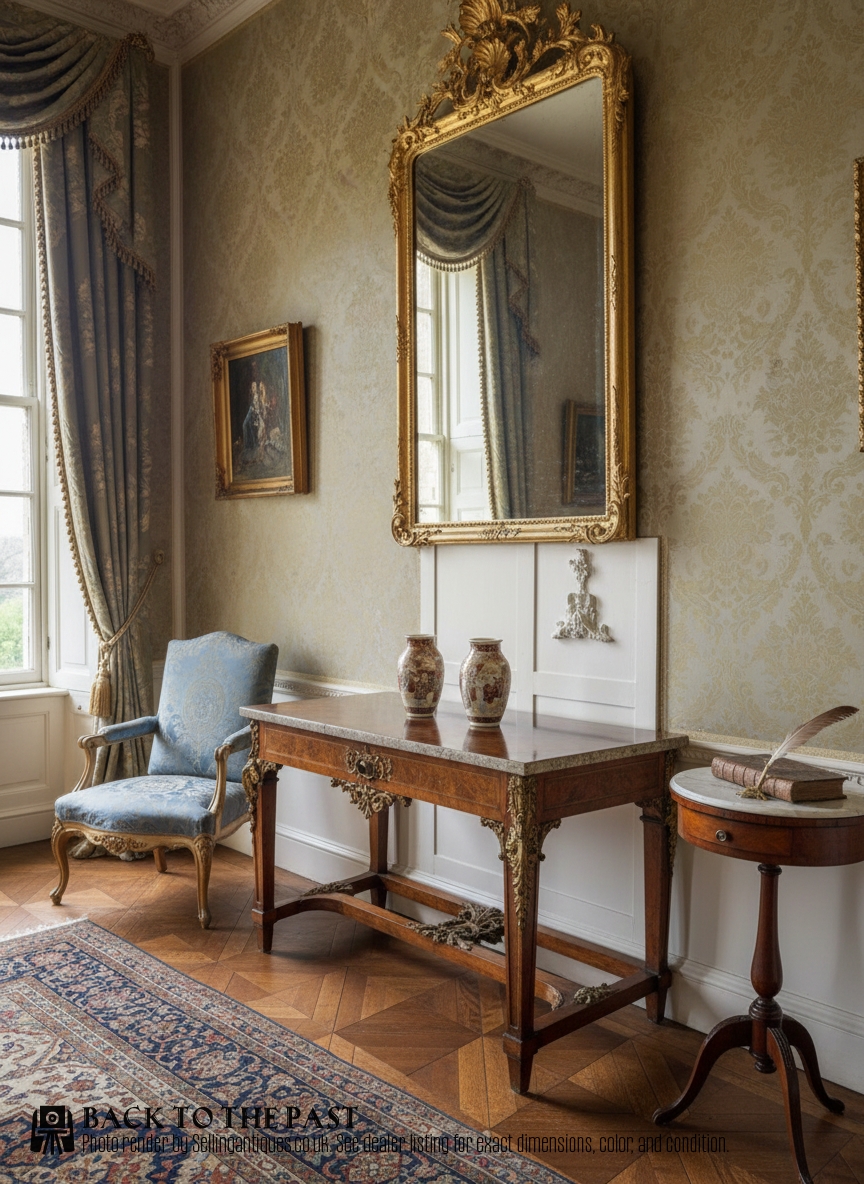
Meiji Satsuma Pottery
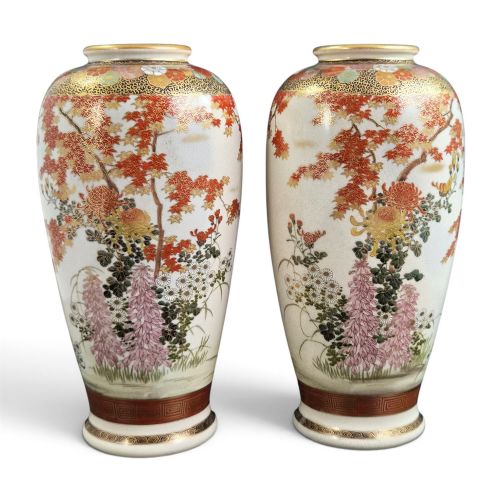
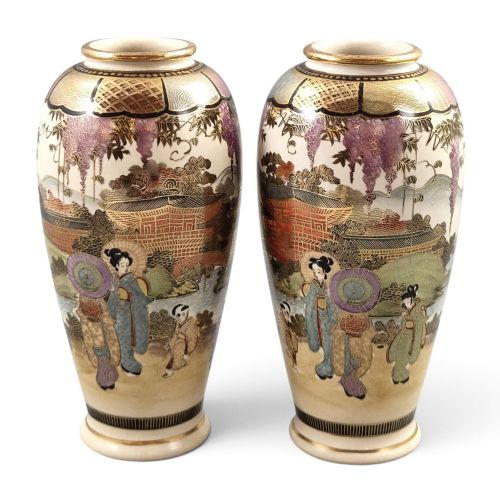
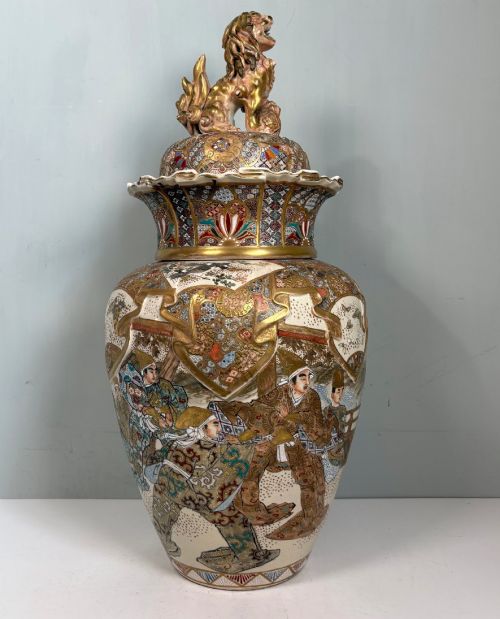
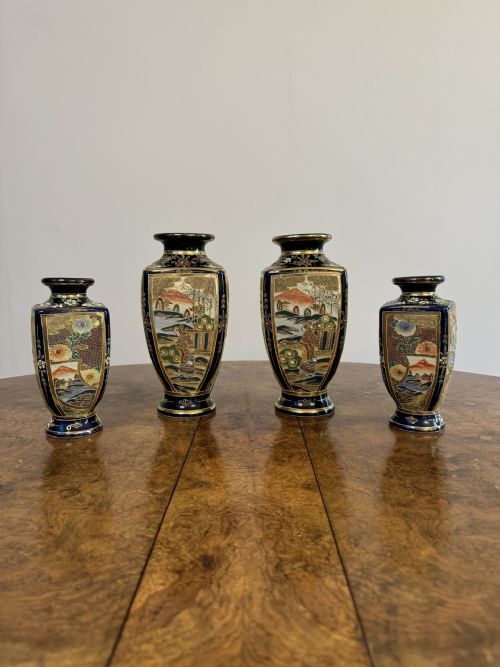
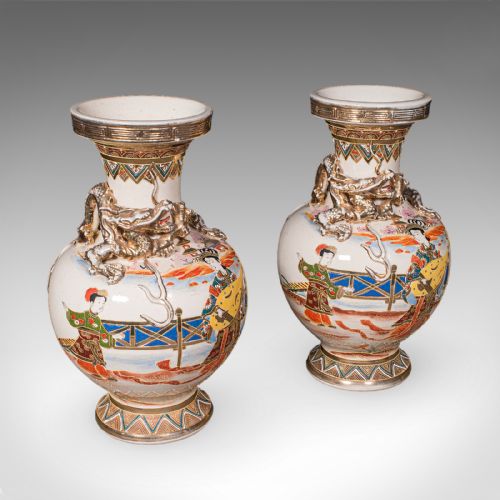
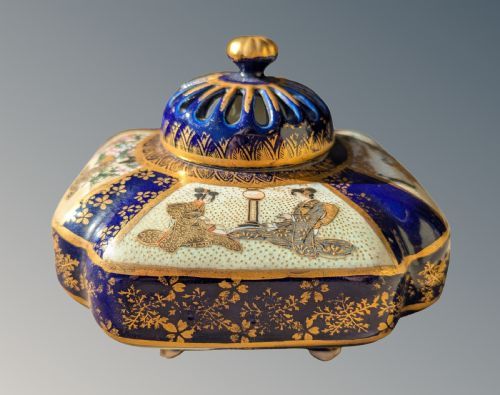
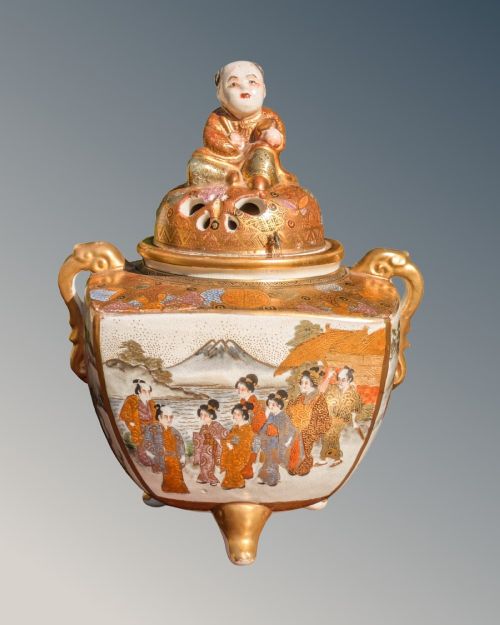
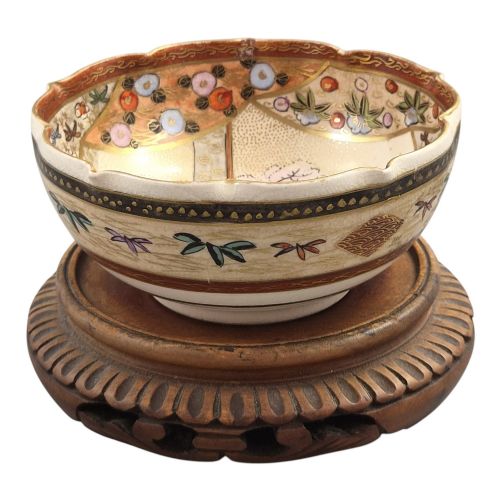
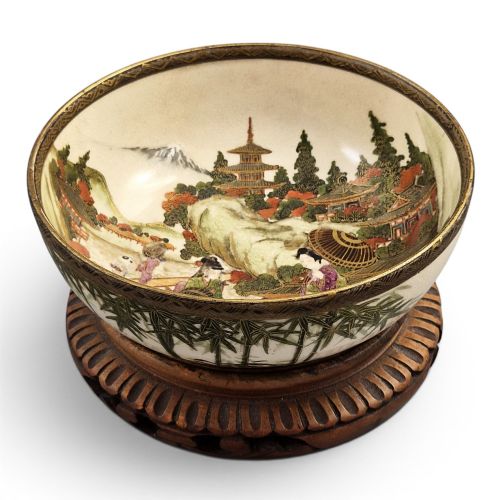
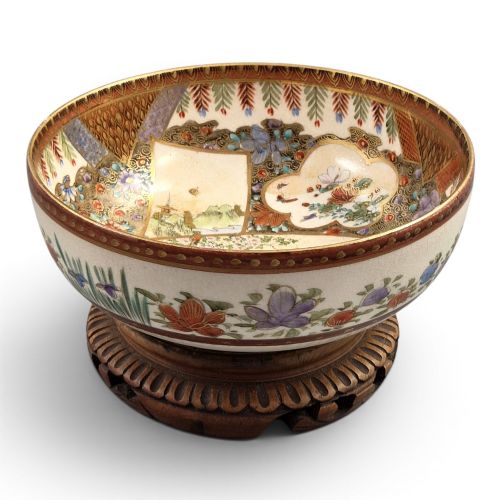
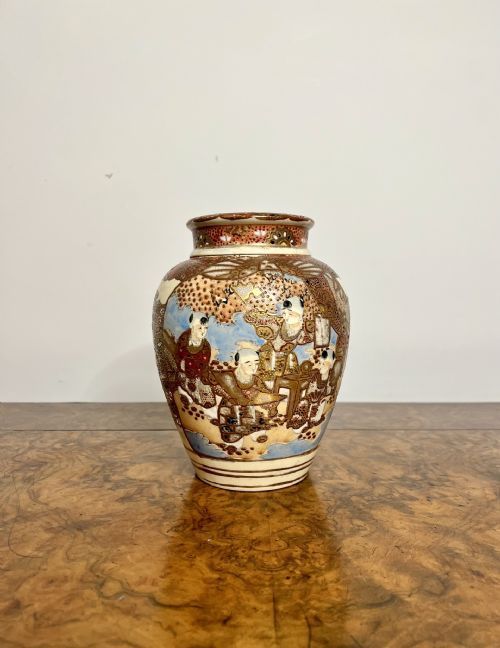
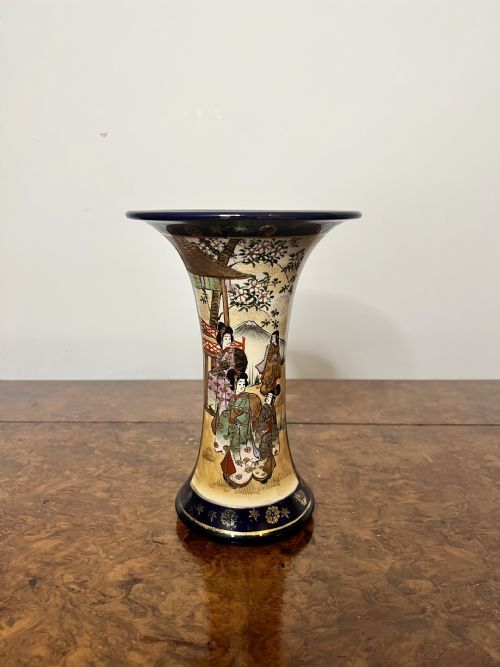
Meiji satsuma pottery encompasses a wide range of decorative objects created during the late nineteenth and early twentieth centuries. Collectors encounter forms such as vases, decorative bowls, incense burners, tea caddies, and okimono figures originating from Japanese workshops.
The objects span periods from the nineteenth century through the Edwardian era and the Meiji-Taisho transition. Vases and decorative plates dominate the selection, often featuring court figures, floral motifs, or complex religious iconography like Rakan and dragons.
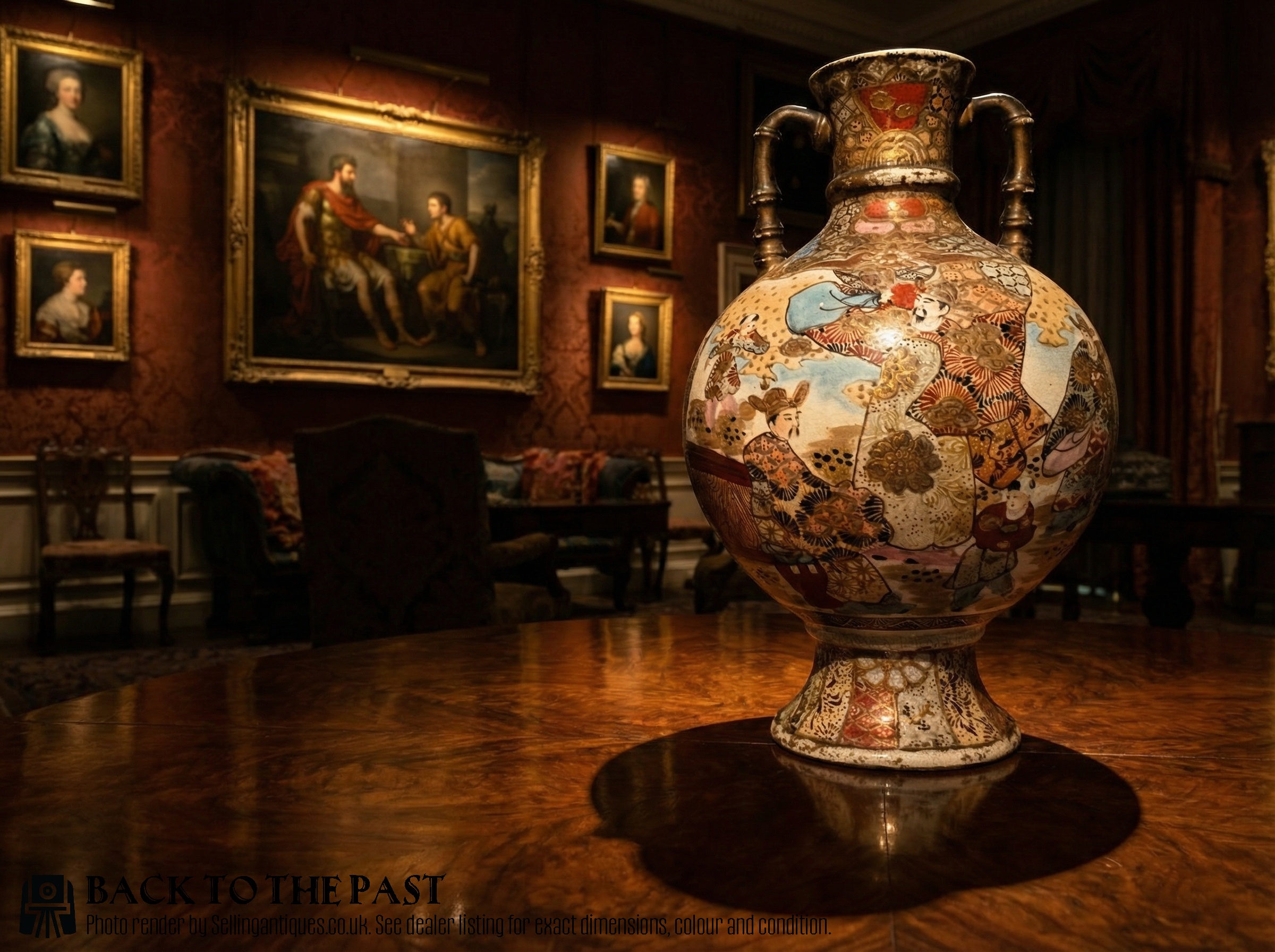
How they were made
Potters shaped earthenware bodies before applying specialised glazes that produced the characteristic fine crackled surface network. Artisans then painted intricate designs using coloured enamel and gold leaf or gilt details.
Many items incorporate raised enamel techniques known as moriage to create textured relief patterns. Master workshops signed their completed vessels with painted or impressed seals and artist marks.
Meiji Satsuma Pottery Retail Price Guide 2026
Typical asking prices for meiji satsuma pottery among the pieces listed under this phrase on Sellingantiques today, from the lower quarter to the upper quarter. They describe what is for sale here now, not the wider market.
Listings feature earthenware vessels utilising enamel, gold leaf, and cobalt grounds across the nineteenth century and Edwardian eras.
What varies in quality
Quality depends upon the discipline of the brushwork and the density of the gilding across the earthenware surface. Simpler floral pieces differ significantly from complex multi-figure narrative scenes involving arhats or processions.
Signatures from noted Kyoto workshops and recognised studio artists elevate the standing of individual vessels. The precision of the micro-painting and the balance of the cobalt and gold grounds dictate the visual weight of each piece.
Kinkozan·Hododa·Kozan·Koshida·Shozan·Toshozan·Ryuzan·Chosei·Nanzan
The Meiji Satsuma Pottery Glossary
- Moriage
- A decorative technique using piped clay slips to build up raised relief patterns beneath the enamel and gilding. This method adds tangible texture to robes, dragons, and floral borders.
- Koro
- A traditional Japanese incense burner typically supported on three feet and fitted with a pierced cover. These vessels frequently feature guardian lions or shishi handles.
- Okimono
- A freestanding Japanese display carving or figurine designed for placement in an alcove or on a cabinet. Subjects include deities, immortals, and figures from daily life.
- Natsume
- A small tea caddy traditionally used in Japanese tea ceremonies, named after its resemblance to a jujube fruit. These small containers often exhibit dense floral or geometric enamel work.
- Bijin
- A depiction of a beautiful woman, commonly featured in traditional attire on Satsuma vases and decorative plates. These figures often appear within garden settings or palace interiors.
Meiji Satsuma Pottery: Frequently Asked Questions
What is Satsuma pottery?
Satsuma pottery is a style of Japanese earthenware characterised by a pale, ivory-coloured crackle glaze. Artisans decorate these ceramic bodies with elaborate enamel paintings and heavy gilding.
Production flourished during the Meiji period, transforming traditional regional wares into highly detailed decorative items for international and domestic markets.
How do I identify a Meiji period piece?
Meiji period pieces typically date between eighteen sixty-eight and nineteen twelve, aligning with the reign of Emperor Meiji. Look for distinct stylistic indicators such as dense millefleur patterns, court procession scenes, and Japonisme influences.
Many high-quality items feature artist signatures or workshop seals painted in gold or iron red on the base.
What subjects appear on these ceramics?
Common subjects include historical figures, court scenes, and religious iconography such as Rakan and dragons. Floral arrangements, birds, butterflies, and thousand-face motifs also appear frequently across bowls and vases.
Figurative pieces often depict immortals like Daikoku or traditional female figures known as bijin.
How should I display Satsuma items?
Display these ceramic objects in stable environments away from direct sunlight to protect the delicate enamel and gold leaf details. Vases, bowls, and incense burners suit secure shelves or display cabinets where viewers can inspect the close-up brushwork.
Table lamps created from converted vases require careful placement to ensure the wiring does not stress the antique earthenware body.