




Meiji Period Imari Ware
These pieces of meiji period imari ware combine vibrant ceramic palettes with traditional forms for display in any room.
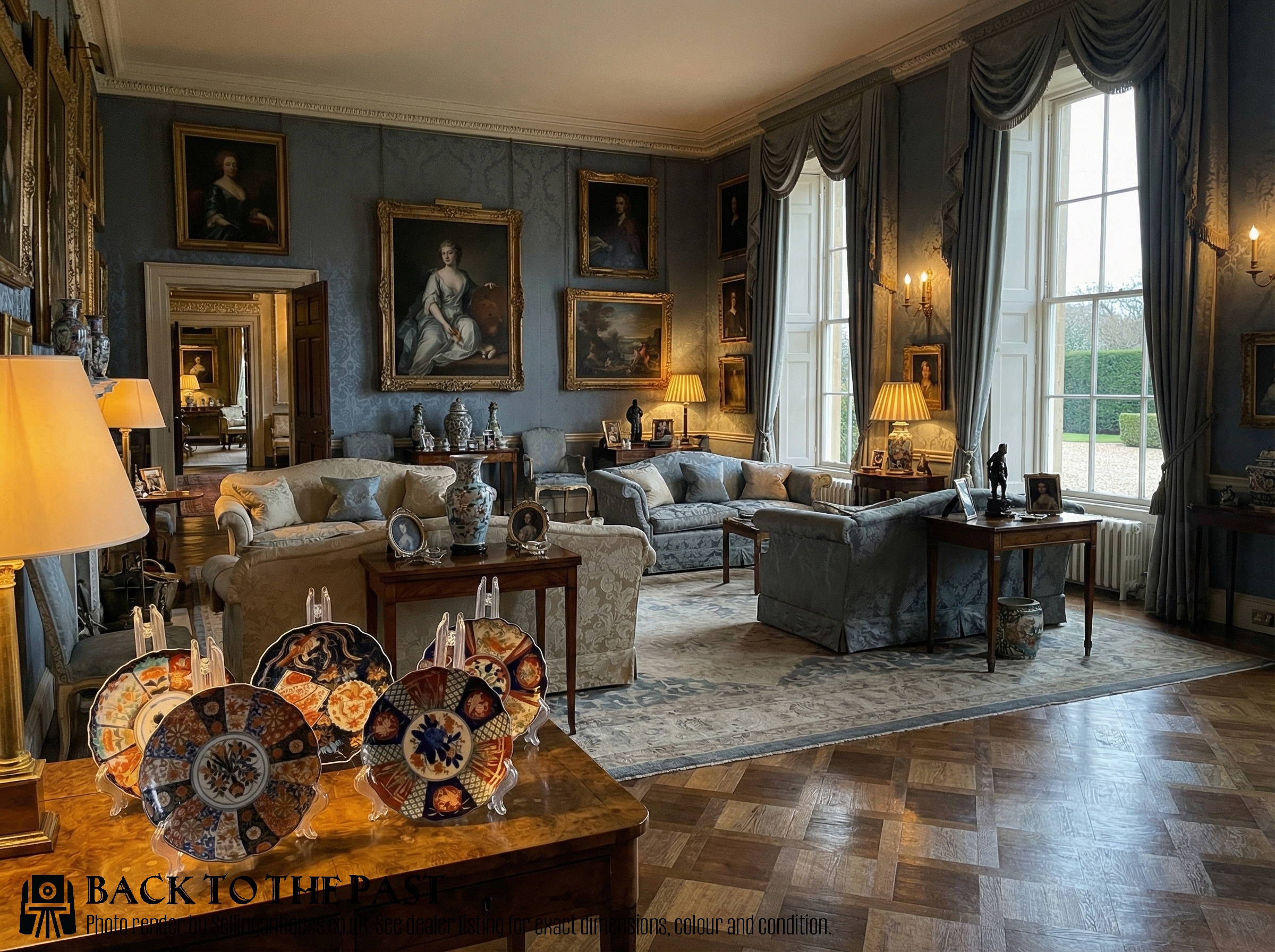
Meiji Period Imari Ware
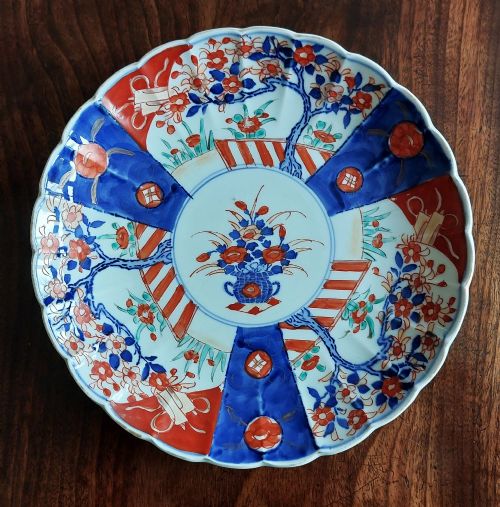
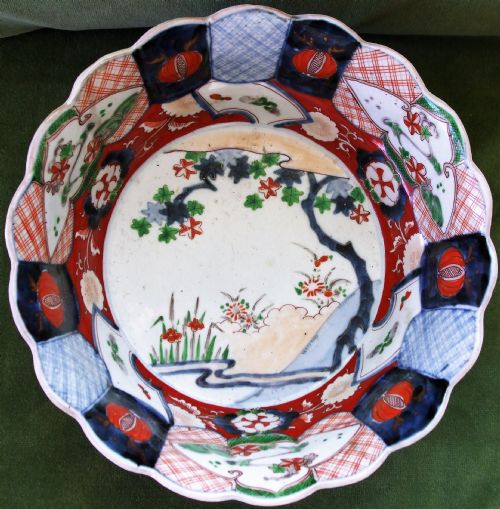
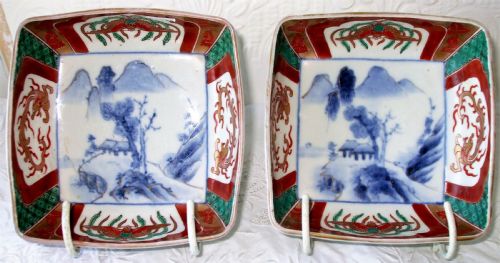
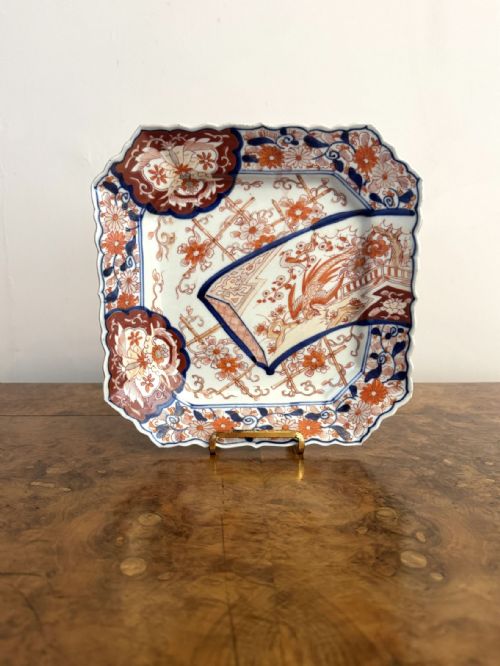
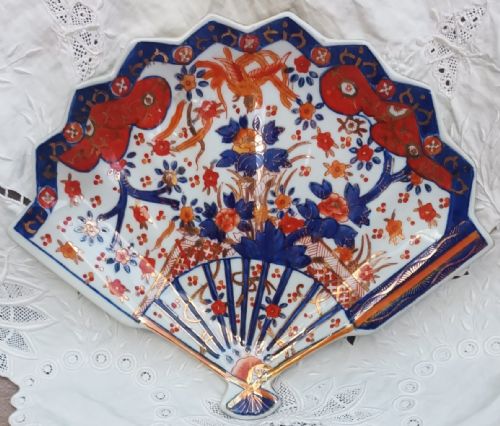
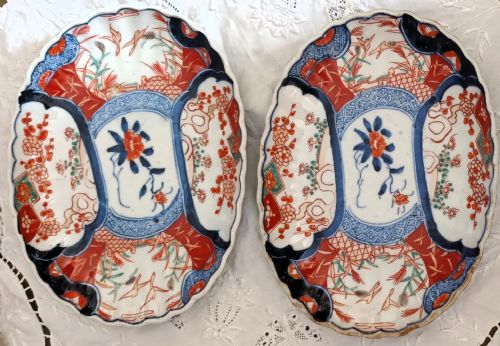
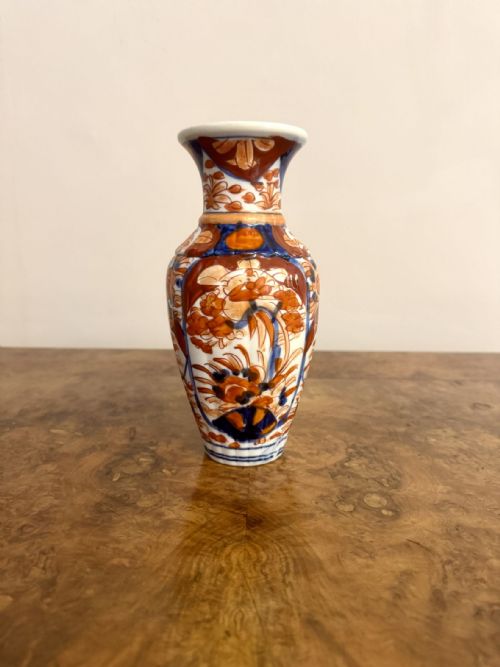
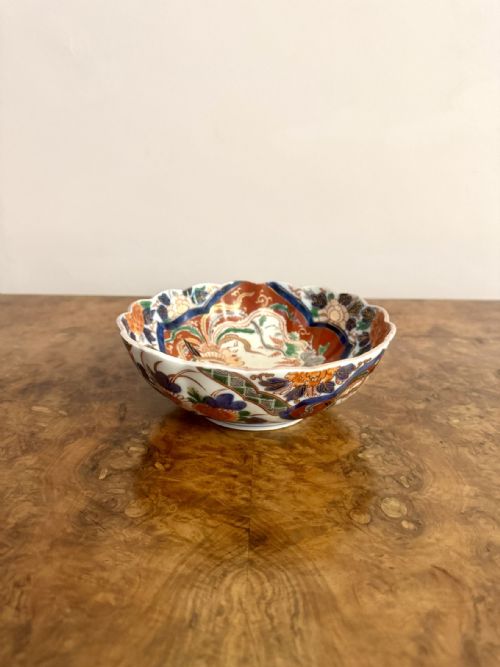
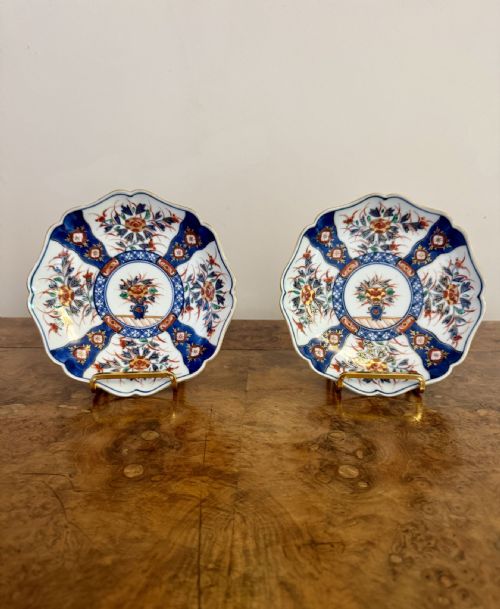
When you examine meiji period imari ware, you are looking at decorative porcelain objects created in Japan during the late nineteenth and early twentieth centuries. The selection on this page consists mainly of decorative plates, bowls, chargers, and vases shaped with scalloped or hexagonal edges.
The objects stem predominantly from the 19th century and the decades around nineteen hundred, reflecting the export output sent to Western markets during that era. Buyers find single items alongside pairs and garnitures designed for interior display.
How they were made
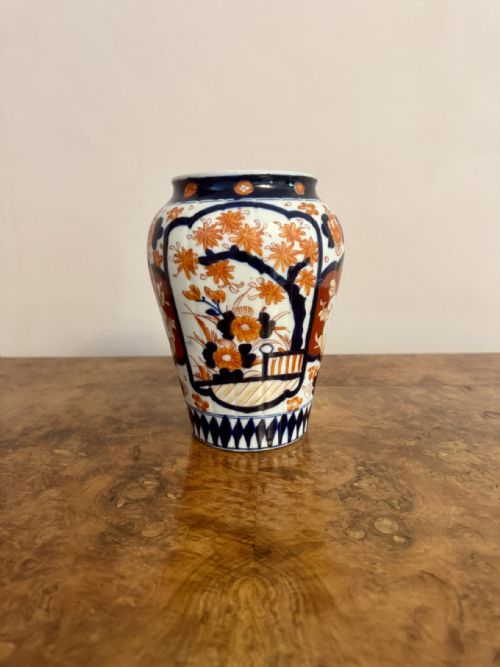
These items rely on a porcelain body painted by hand with enamel glaze, often incorporating gold leaf, gilt, and gilding to highlight the patterns. Artisans shaped the clay into bowls, plates, and vases before applying detailed floral and bird designs.
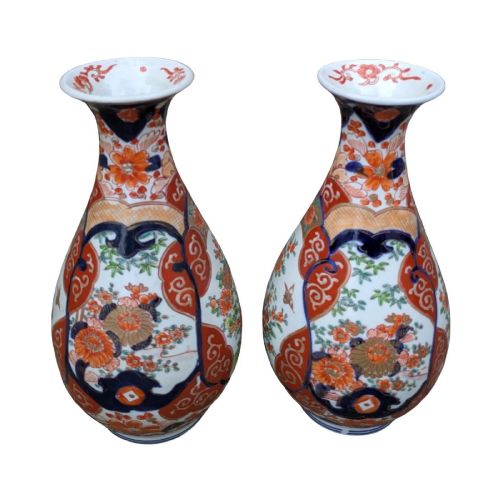
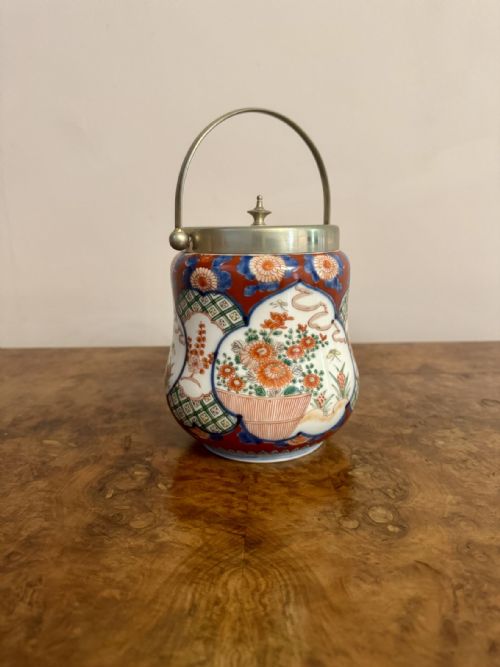
Certain pieces also integrate silver plate elements or utilise specialised forms like biscuit barrels and bottle-shaped vessels. The combination of underglaze blue and overglaze enamel colours defines the traditional palette.
Meiji Period Imari Ware Retail Price Guide 2026
Typical asking prices for meiji period imari ware among the pieces listed under this phrase on Sellingantiques today, from the lower quarter to the upper quarter. They describe what is for sale here now, not the wider market.
Some pieces include biscuit barrels designed for dry goods, proving that nineteenth-century tea time had a remarkably decorative side.
What varies in quality
Quality in these ceramics rests upon the precision of the hand-painted brushwork and the clarity of the enamel glaze against the porcelain body. Stronger examples show crisp floral and bird motifs executed with careful attention to detail.
The scale and ambition of the object also set items apart, ranging from standard plates to large garnitures and impressive vases. Scalloped edges, hexagonal forms, and unusual shapes demand greater technical skill from the potter.
The Meiji Period Imari Ware Glossary
- Imari ware
- Japanese porcelain decorated in underglaze blue, iron red, and gilt, named after the port from which it was shipped. This style gained popularity across Europe during the export periods.
- Meiji Period
- The era in Japanese history spanning from eighteen sixty-eight to nineteen twelve, characterised by openness to international trade. Works from this time often combine traditional motifs with export-focused production.
- Charger
- A large decorative plate intended for display on a sideboard or wall rather than for dining use. These pieces showcase expansive painted designs across their broad surfaces.
- Garniture
- A set of matching vases or vessels, typically numbering three or more, designed to be displayed together on a mantelpiece or shelf. Such sets demonstrate coordinated decorative schemes.
- Bisque
- Unglazed fired porcelain or ceramic material used for specific containers such as biscuit barrels. This matte surface offers a contrast to glossy glazed areas.
Meiji Period Imari Ware: Frequently Asked Questions
What is imari ware?
Imari ware is Japanese porcelain decorated in distinctive palettes of blue, red, and gold. It was produced for both domestic use and international export.
The style originates from the town of Arita and was shipped through the port of Imari, giving the ceramics their enduring name.
How were these pieces used?
These ceramics served primarily as decorative items for display in nineteenth-century homes. Plates, chargers, and bowls were shown on surfaces or hung on walls.
Vases and garnitures adorned mantelpieces and cabinets, bringing Japanese export aesthetics into Western interiors.
How do I date meiji period items?
Dating relies on stylistic markers, historical production periods, and recorded manufacture dates associated with the Meiji era. The reign spanned from eighteen sixty-eight to nineteen twelve.
Items from this timeframe often reflect the surge in Japanese export manufacturing aimed at Western collectors during the late nineteenth century.
What shapes are available?
The inventory includes decorative plates, bowls, chargers, and vases with various edge treatments. Many plates feature scalloped or square contours.
Other forms include hexagonal bowls, bottle-shaped vases, and biscuit barrels, providing a wide variety of display options.