




Meiji Period Imari Porcelain
Meiji period imari porcelain brings together vibrant cobalt underglaze, enamel, and gilt highlights on traditional Japanese forms.
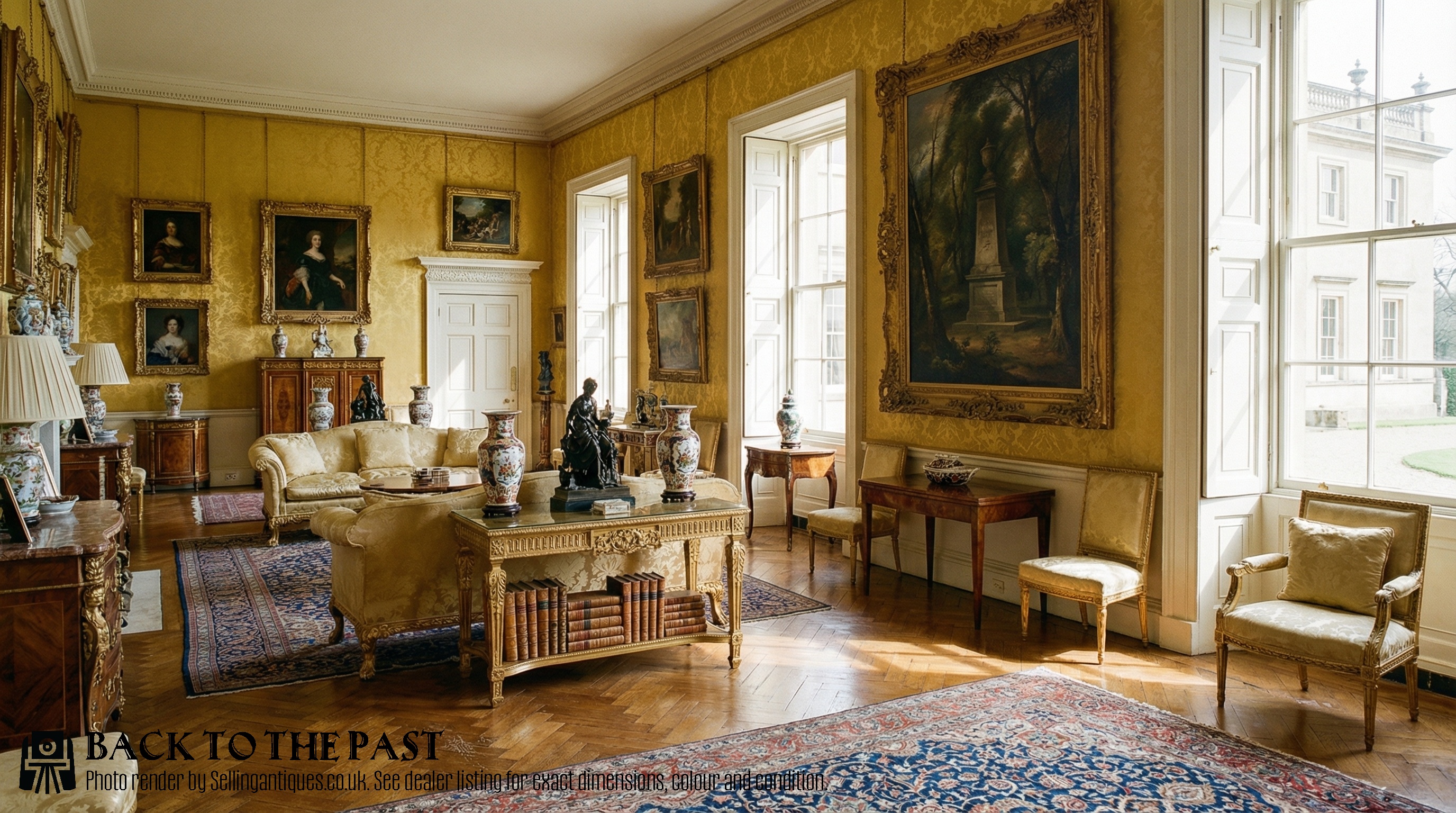
Meiji Period Imari Porcelain
Meiji period imari porcelain encompasses a wide variety of decorative objects created in Japan during the late nineteenth and early twentieth centuries, spanning periods from the 1850s through to 1910.
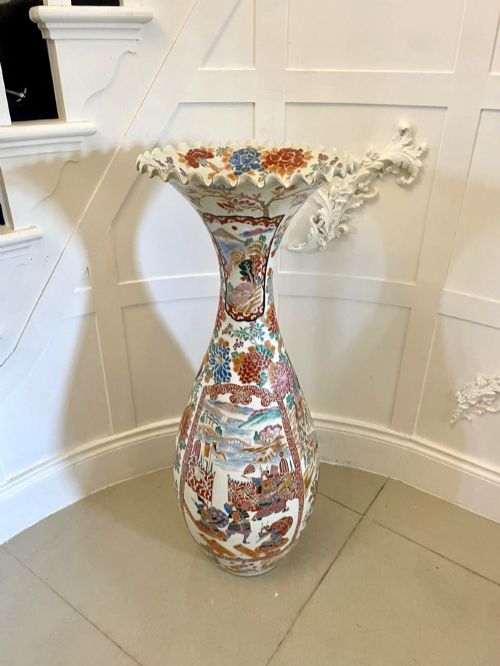
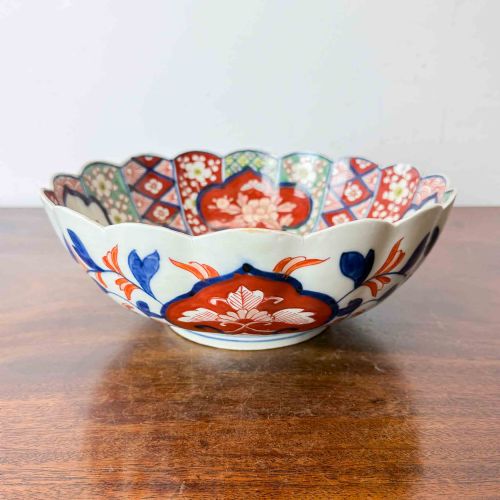
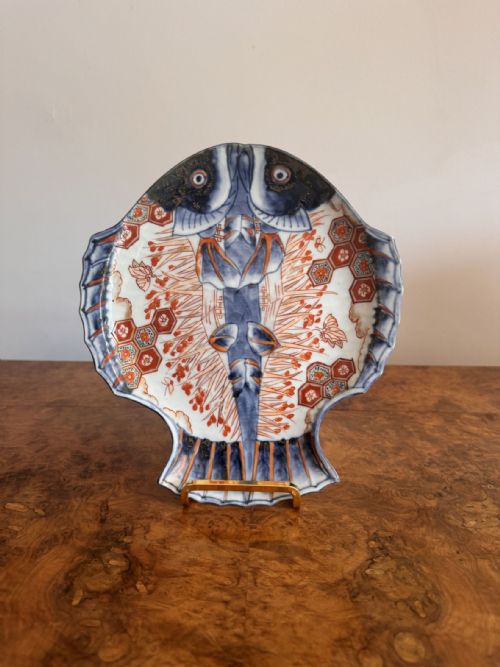
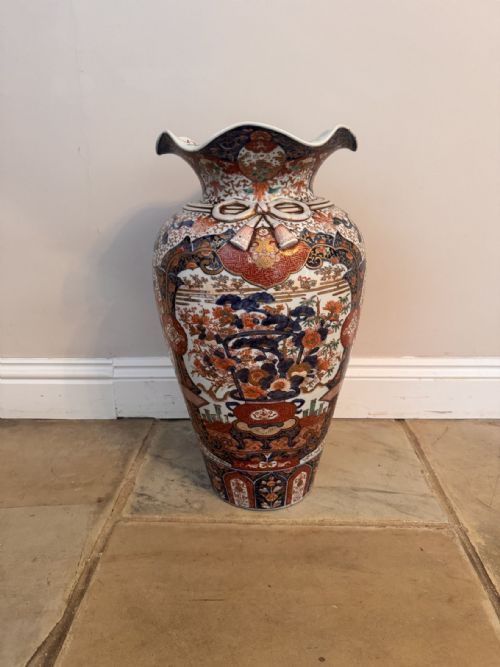
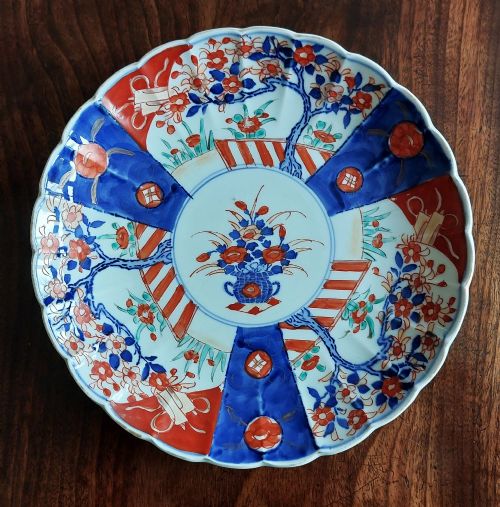
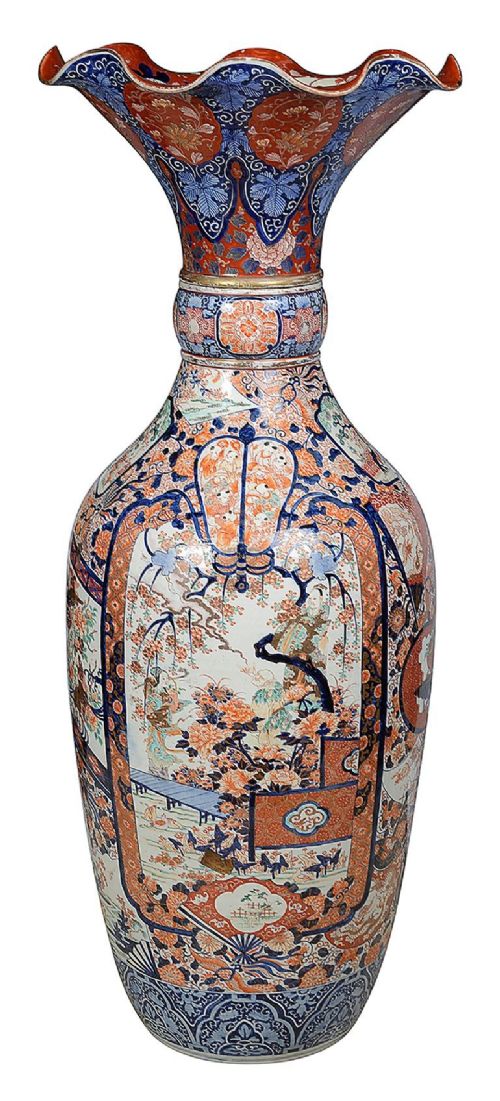
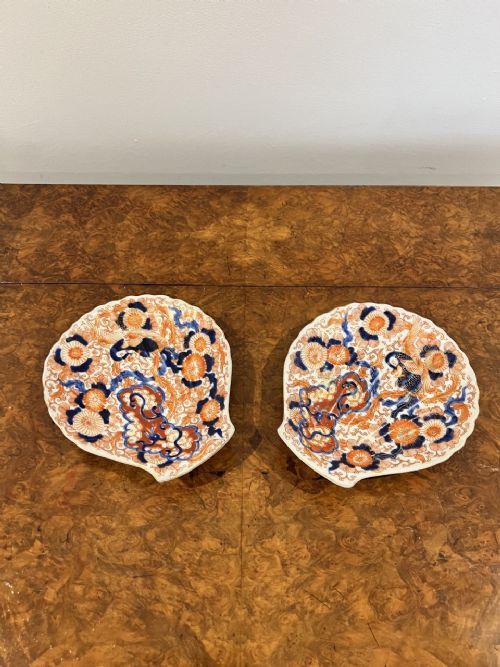
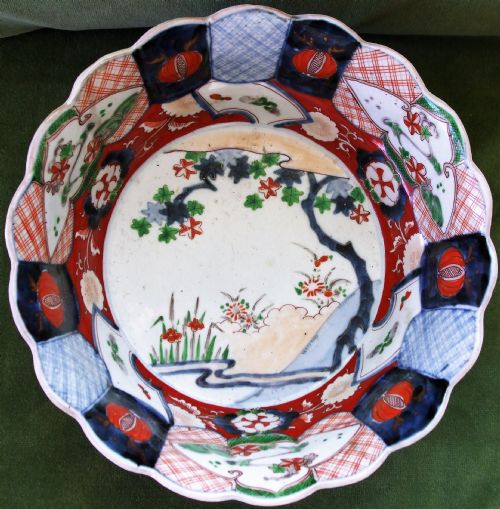
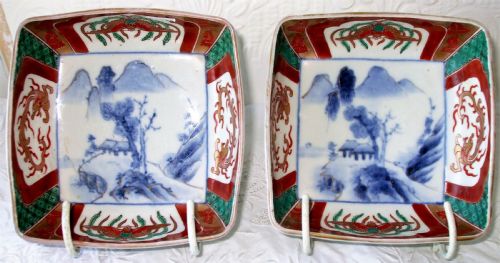
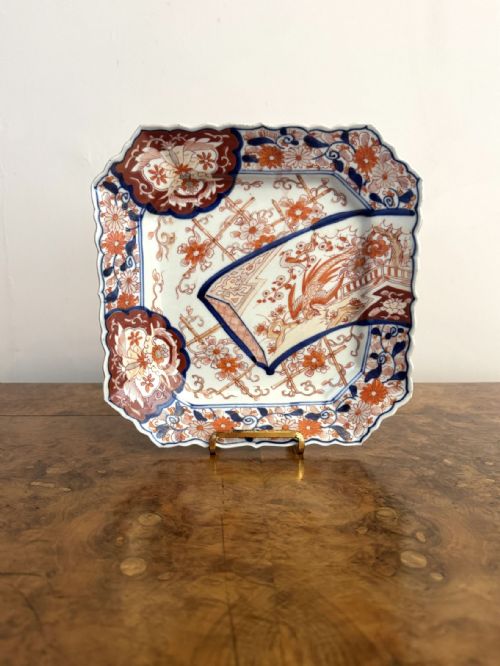
The pieces available in this selection include large floor standing vases, chargers, decorative plates, scalloped edge bowls, and unusual forms such as fish, shell, and square shaped dishes.
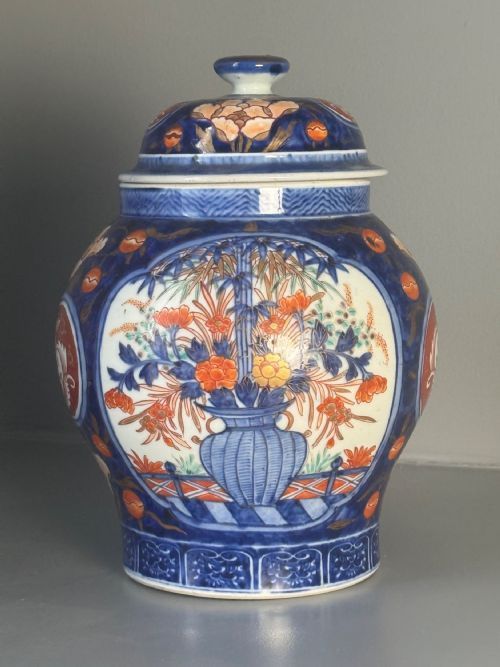
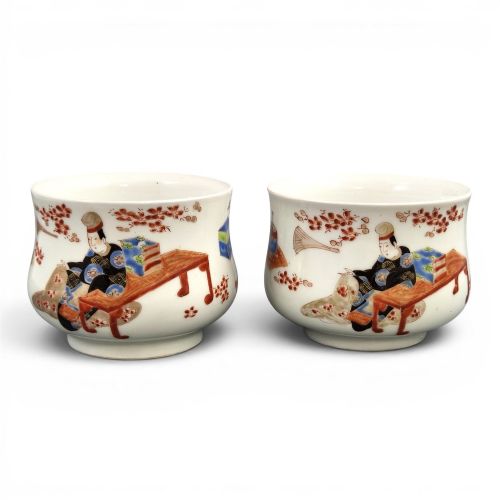
Buyers will also find practical and decorative vessels like biscuit barrels, jars and covers, sencha tea cups, and tokuri originating from Arita and broader Japanese workshops.
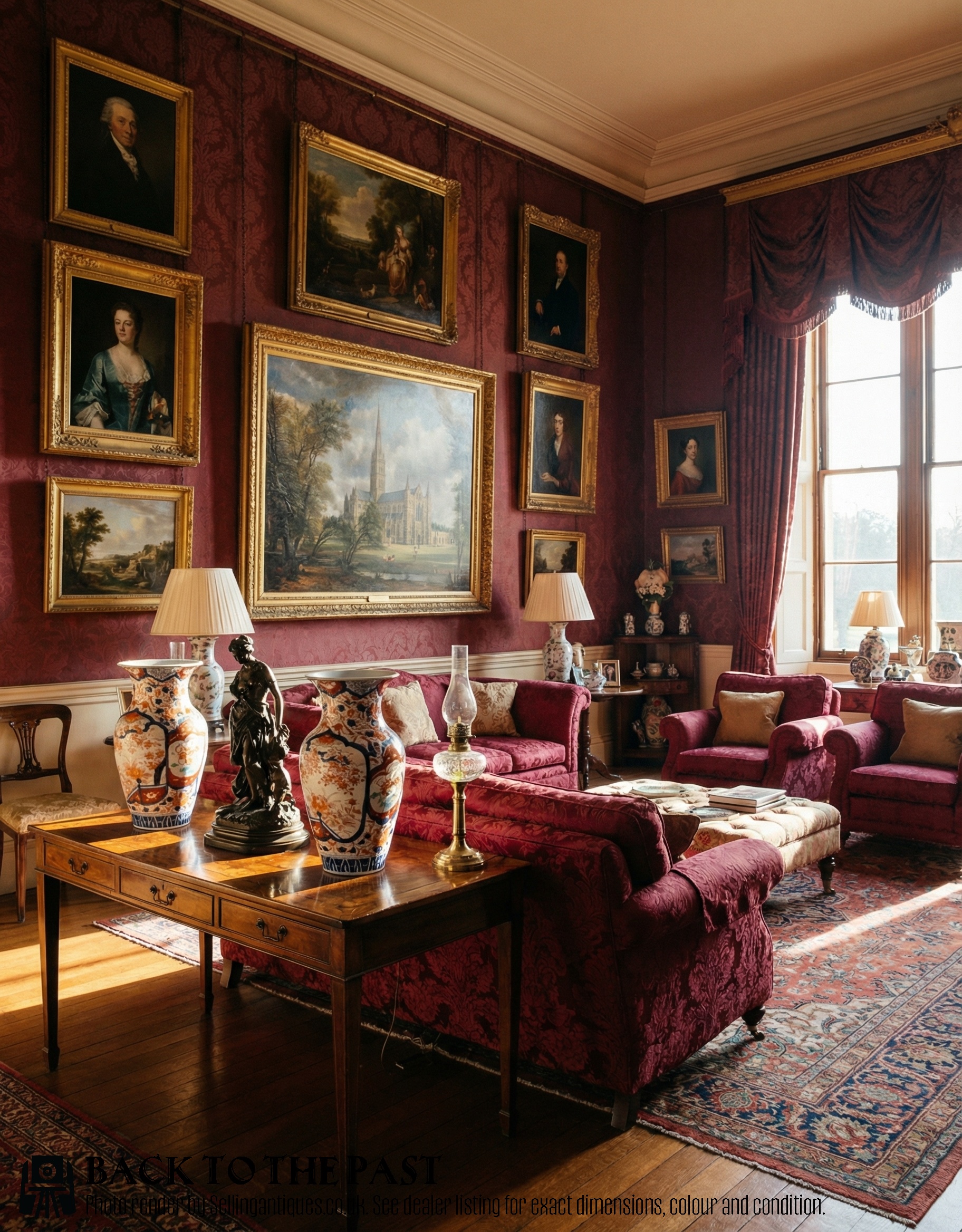
How They Were Made
These items rely on a foundation of porcelain shaped into plates, chargers, and vases, often featuring detailed scallop edges or sculptural animal and plant forms.
Decorators utilised cobalt underglaze for the primary blue designs, layering enamel glaze and gold leaf or gilding over the fired ceramic body to achieve the characteristic palette.
Meiji Period Imari Porcelain Retail Price Guide 2026
Typical asking prices for meiji period imari porcelain among the pieces listed under this phrase on Sellingantiques today, from the lower quarter to the upper quarter. They describe what is for sale here now, not the wider market.
Unusual ceramic animals include imari porcelain pug dogs and kittens.
What Varies in Quality
The upper tier of works is distinguished by exceptionally large scale, intricate hand-painted detail in the enamel, and substantial application of gold leaf.
Form and utility also dictate standing, with unusual shapes like fish, shell plates, and large floor vases representing specialised craftsmanship compared to standard circular dishes.

Ginshōtei Gyokushi·Koransha
The Meiji Period Imari Porcelain Glossary
- Imari
- A traditional style of Japanese porcelain originating from Arita, typically decorated in a palette of cobalt blue, iron red, and gold.
- Meiji Period
- The era in Japanese history spanning from 1868 to 1912, characterised by extensive artistic production and international export of decorative arts.
- Cobalt Underglaze
- A blue pigment applied directly to the raw porcelain body before glazing and firing, creating durable patterns beneath the glossy surface.
- Charger
- A large decorative plate intended primarily for display on a wall, cabinet, or table rather than for serving food.
- Scallop Edge
- A decorative border shaped into a series of continuous curves resembling the edge of a scallop shell, common on plates and bowls.
Meiji Period Imari Porcelain: Frequently Asked Questions
How are meiji period imari plates displayed?
These decorative plates and chargers feature integrated designs meant for visual appreciation, making them suitable for wall mounting or placement on dedicated stands.
Larger chargers and floor vases can anchor a room when placed in prominent corners or on sturdy display tables.
What shapes do these porcelain pieces take?
The inventory encompasses standard circular bowls, chargers, and plates alongside more unusual configurations like fish, square, and shell-shaped dishes.
Vessels also include covered jars, biscuit barrels, jardinieres, and tall floor-standing vases.
How can I identify meiji period items?
Pieces from this era often combine traditional Japanese Arita techniques with the distinct imari palette of cobalt underglaze, enamel, and gilt highlights.
Many listings reference specific production dates spanning the late nineteenth century up to approximately 1910.
Were these items made for export?
Japanese kilns produced a vast quantity of porcelain specifically for international markets during the late nineteenth century.
The scale and decorative intensity of chargers and floor vases catered directly to Western demand for ornate decorative arts.