



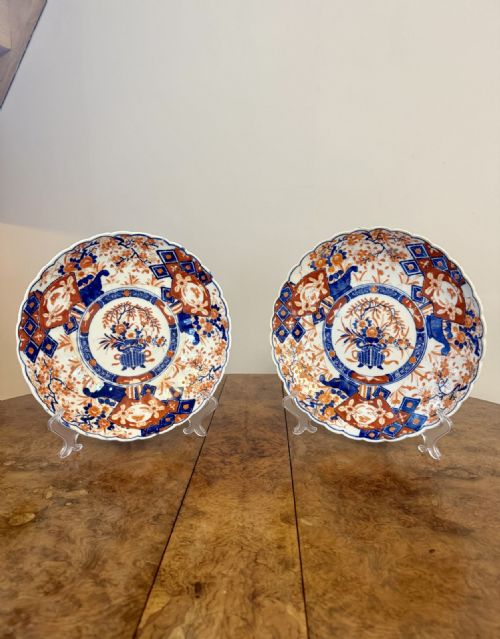
Meiji Period Decorative Plate
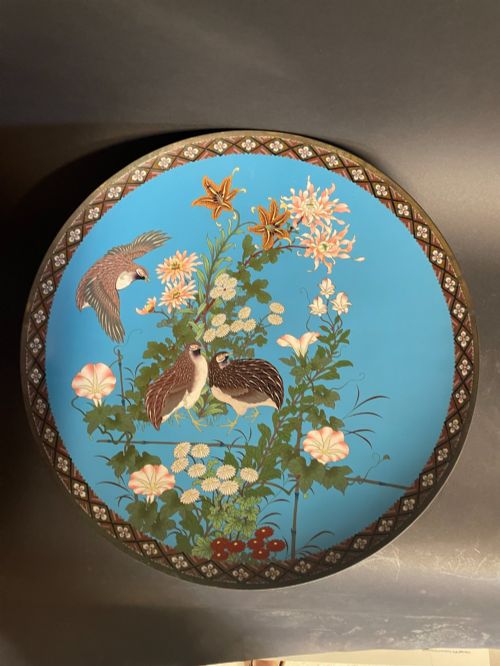
A meiji period decorative plate brings intricate hand-painted detail and metalwork craftsmanship directly from late nineteenth and early twentieth century Japanese kilns and workshops into a room.
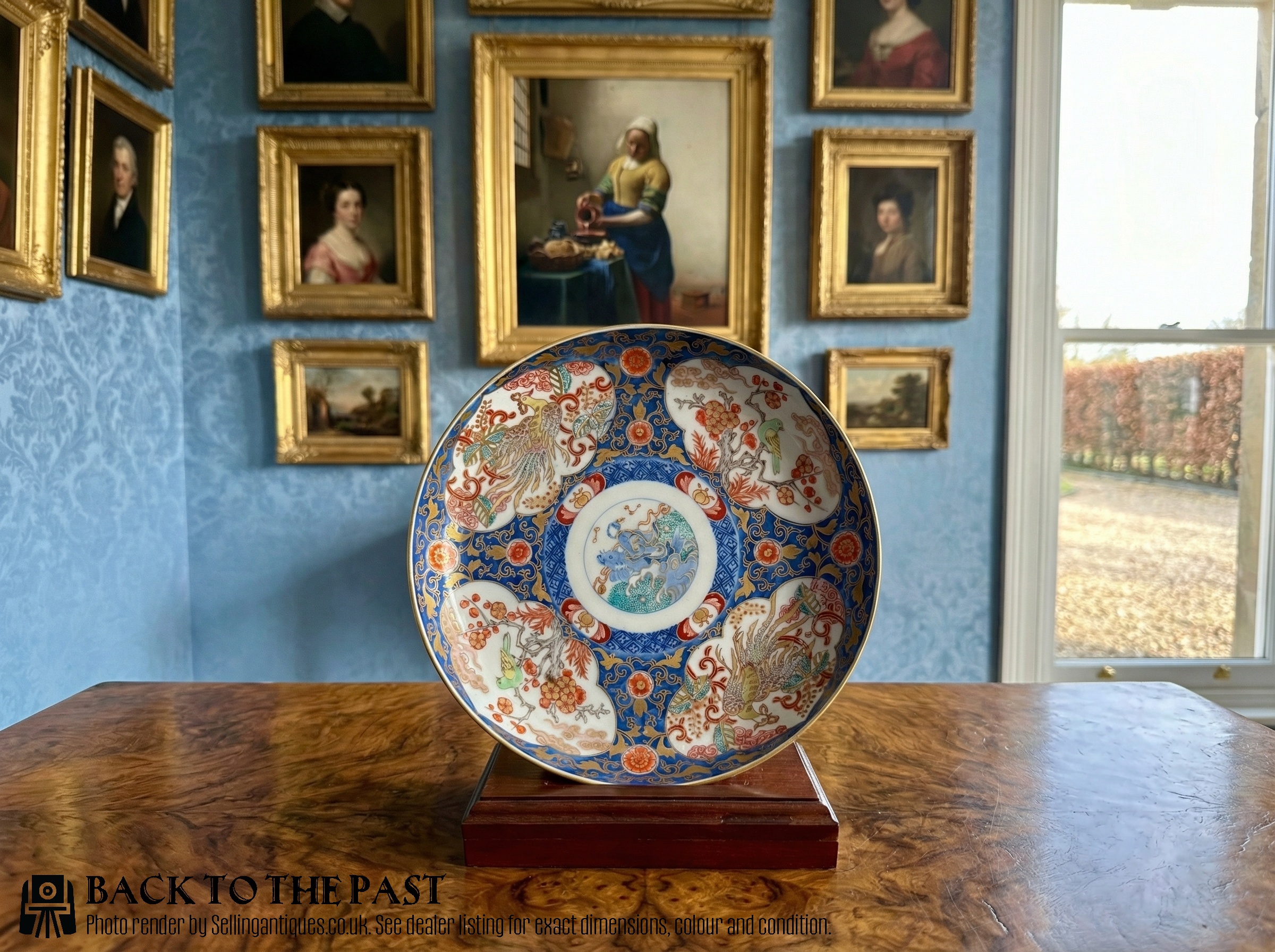
Meiji Period Decorative Plate
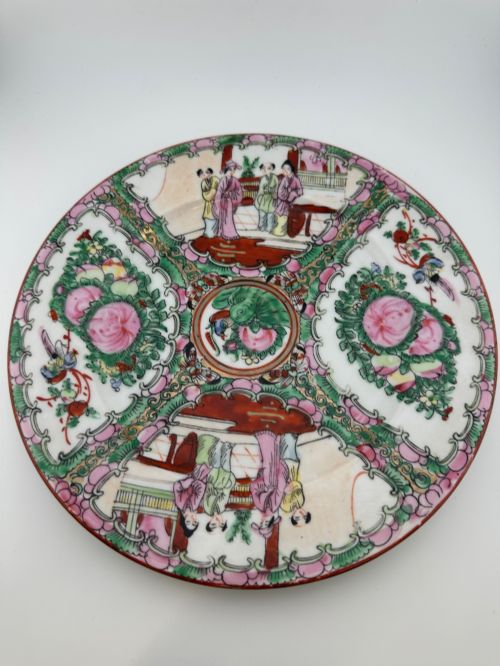
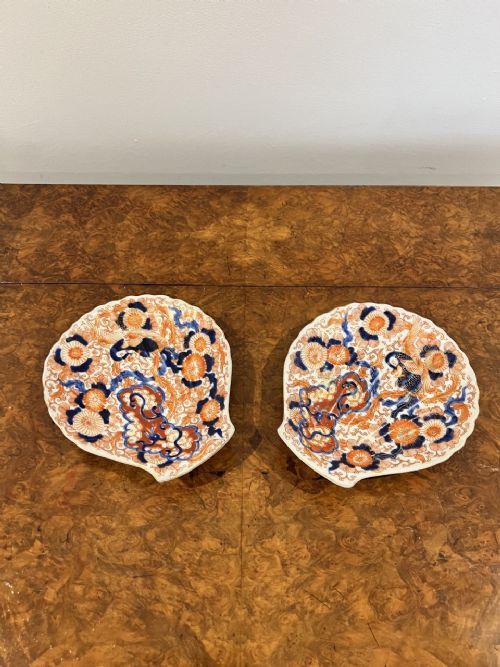
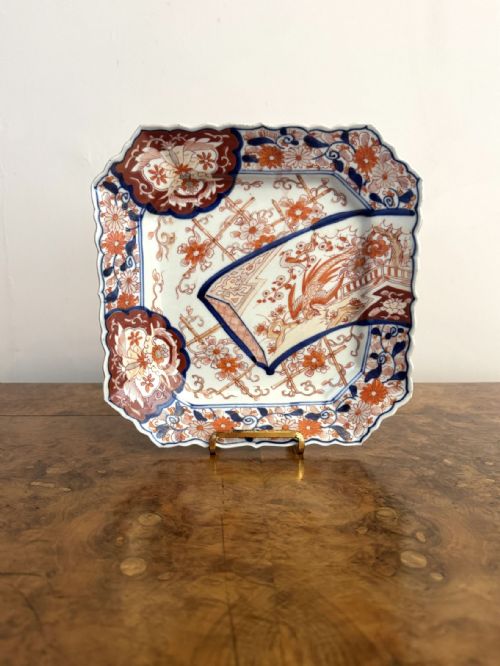
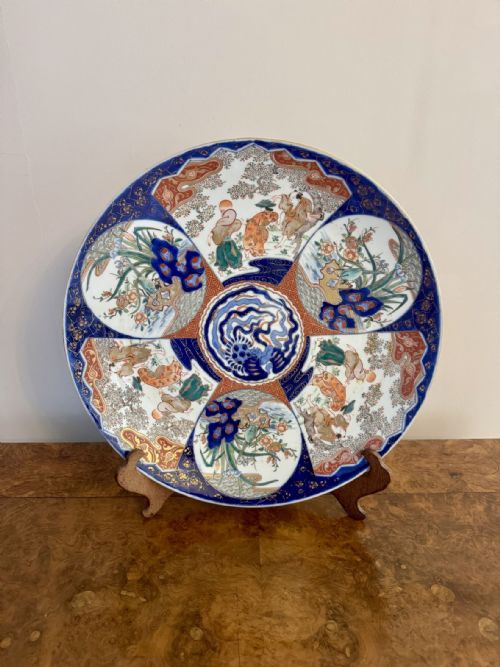
When you search for a meiji period decorative plate, you encounter a diverse range of larger chargers, shallow dishes, and scalloped display pieces originating from Japan between the late nineteenth and early twentieth centuries. These objects primarily fall into distinct visual traditions, combining traditional porcelain forms with rich hand-painted designs or meticulous metalwork techniques.
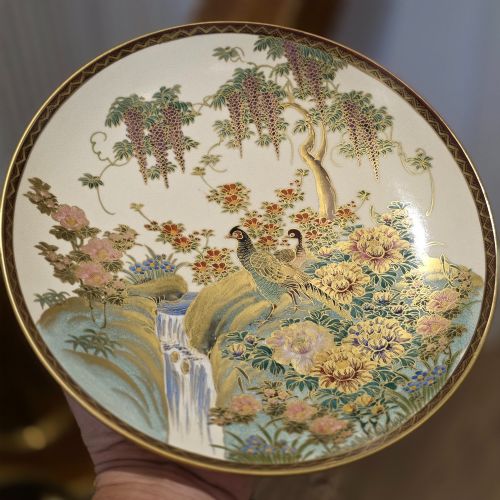
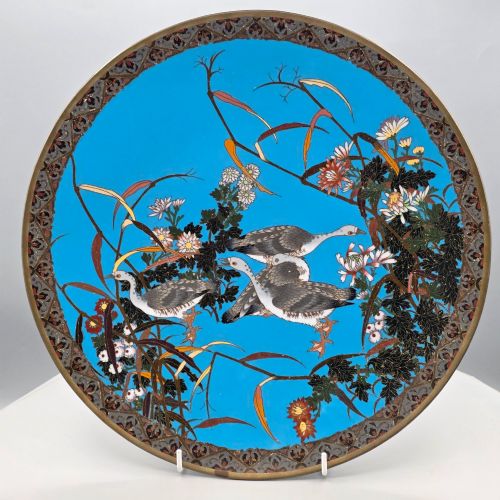
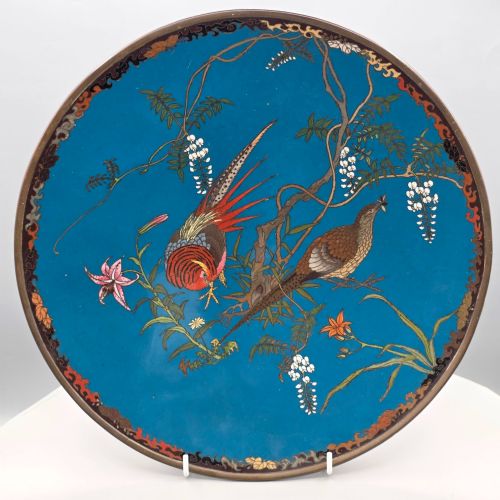
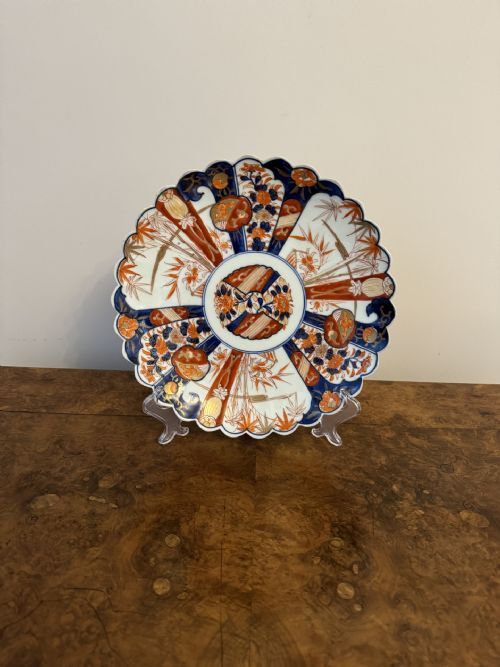
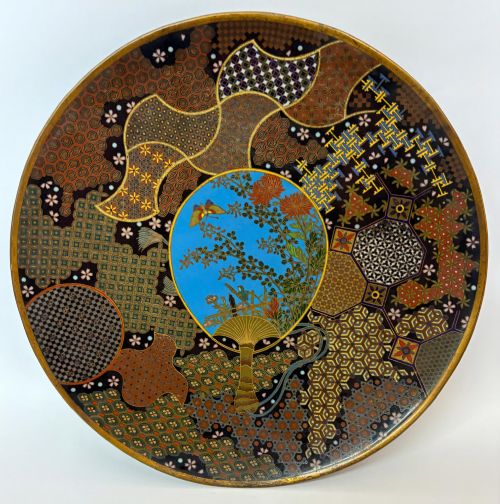
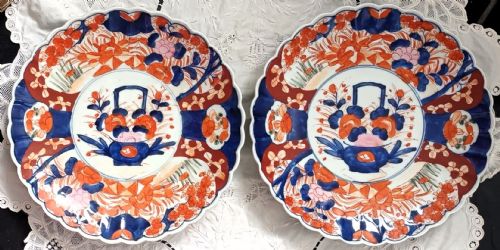
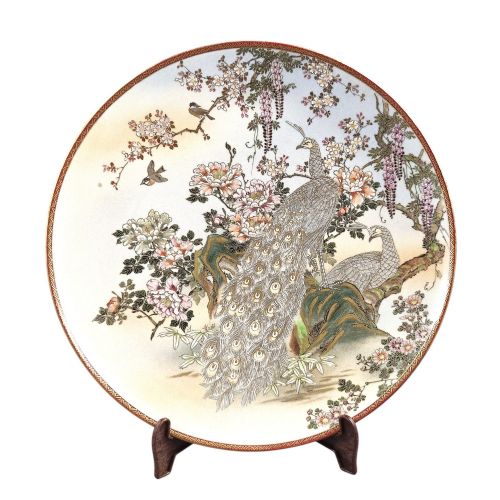
The selections available span multiple recognisable styles, most notably Japanese Imari porcelain alongside intricate Satsuma wares and detailed cloisonne enamels. Pieces often feature traditional motifs such as birds, flowers, landscapes, and auspicious symbols rendered across circular, square, or shell-shaped formats designed for display.
How they were made
Potters and artisans formed these items using traditional porcelain bodies alongside copper and brass foundations for metal-based works. Glazes and enamel colours were applied by hand, often incorporating gold leaf, gilt highlights, and raised moriage details to create texture and depth across the surface.
Cloisonne pieces relied on thin metal wires soldered to a copper or brass base to create partitioned cells, which were subsequently filled with coloured enamel pastes and fired multiple times. Porcelain works such as Imari and Kutani items utilised underglaze blue and overglaze enamel painting techniques fired in kilns to fix the pigments.
Materials recorded across the selection include porcelain, enamel, copper, brass, gold leaf, and glaze.
What varies in quality
The degree of fineness in the brushwork or wirework distinguishes standard decorative items from exceptional examples. Masterpieces demonstrate extraordinary precision in depicting complex subjects such as koi, dragons, or detailed landscapes without crowding the compositional space.
Material application also dictates overall standard, particularly the density and evenness of enamel work in cloisonne pieces or the richness of gilding and hand-painted pigments on porcelain chargers. Scale plays a part, with larger chargers requiring greater technical control during the firing process to avoid distortion.
Koshida
The Meiji Period Decorative Plate Glossary
- Imari
- A style of Japanese porcelain featuring a distinct palette of underglaze blue, iron red, and gilt highlights. These wares were widely produced for export and domestic use.
- Cloisonne
- A decorative metalwork technique where thin wires form compartments on a copper or brass body to hold coloured enamel paste before firing.
- Satsuma
- A type of Japanese earthenware characterised by a pale, ivory-coloured crackle glaze, typically decorated with polychrome enamels and gilding.
- Moriage
- A decorative ceramic technique using piped slip or enamel to create raised, three-dimensional surface patterns and textures.
- Charger
- A large ornamental plate or dish traditionally intended for display on a sideboard, wall, or cabinet rather than for serving food.
Meiji Period Decorative Plate: Frequently Asked Questions
How were these decorative plates displayed historically?
These items were generally produced for ornamental display in domestic interiors or for export markets rather than everyday dining use. Owners placed large chargers on stands or mounted them on walls to showcase the artistry of the workshops.
Smaller dishes and trays served as cabinet pieces or focal points on tables, allowing viewers to closely examine the detailed brushwork and metalwork.
What is the difference between Imari and Satsuma?
Imari pieces are made of hard porcelain decorated with a strong palette of cobalt blue and iron red, often enhanced with gold. They present a smooth, vitrified surface with traditional floral and geometric patterns.
Satsuma wares consist of an earthenware body covered in a characteristic fine-crackled ivory glaze, typically painted with detailed figurative or botanical scenes.
How do I care for antique cloisonne and porcelain?
Maintenance requires gentle dusting with a soft, dry cloth to protect fragile enamel surfaces and metal wires from abrasive cleaning products. Direct sunlight should be avoided to prevent fading in the delicate painted pigments and gilt details.
Handling should be kept to a minimum, and pieces ought to be placed on stable surfaces away from high-moisture areas.
How can I tell the period from the style?
The transition of eras is reflected in the evolution of export demands and workshop capabilities during the late nineteenth and early twentieth centuries. Earlier works often exhibit heavier copper bases in metalwork and robust underglaze painting on porcelain.
Later items from the turn of the century frequently incorporate finer wirework in cloisonne and more elaborate, crowded decorative schemes across various dish formats.