
Mahogany Desk with Bookcase
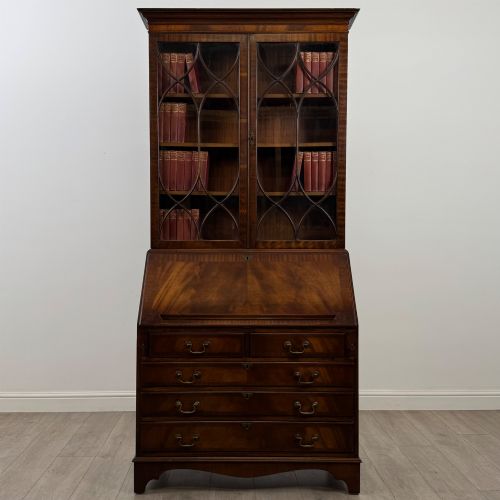
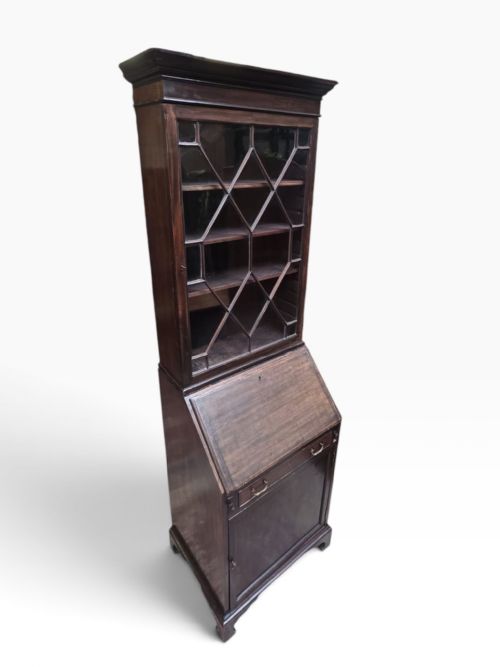
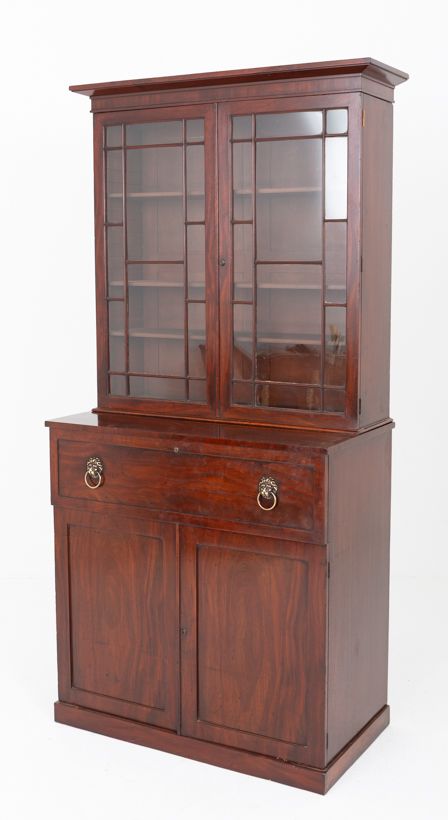
A mahogany desk with bookcase combines a fitted writing compartment and upper shelving, offering practical storage for books and papers within a single wooden cabinet.
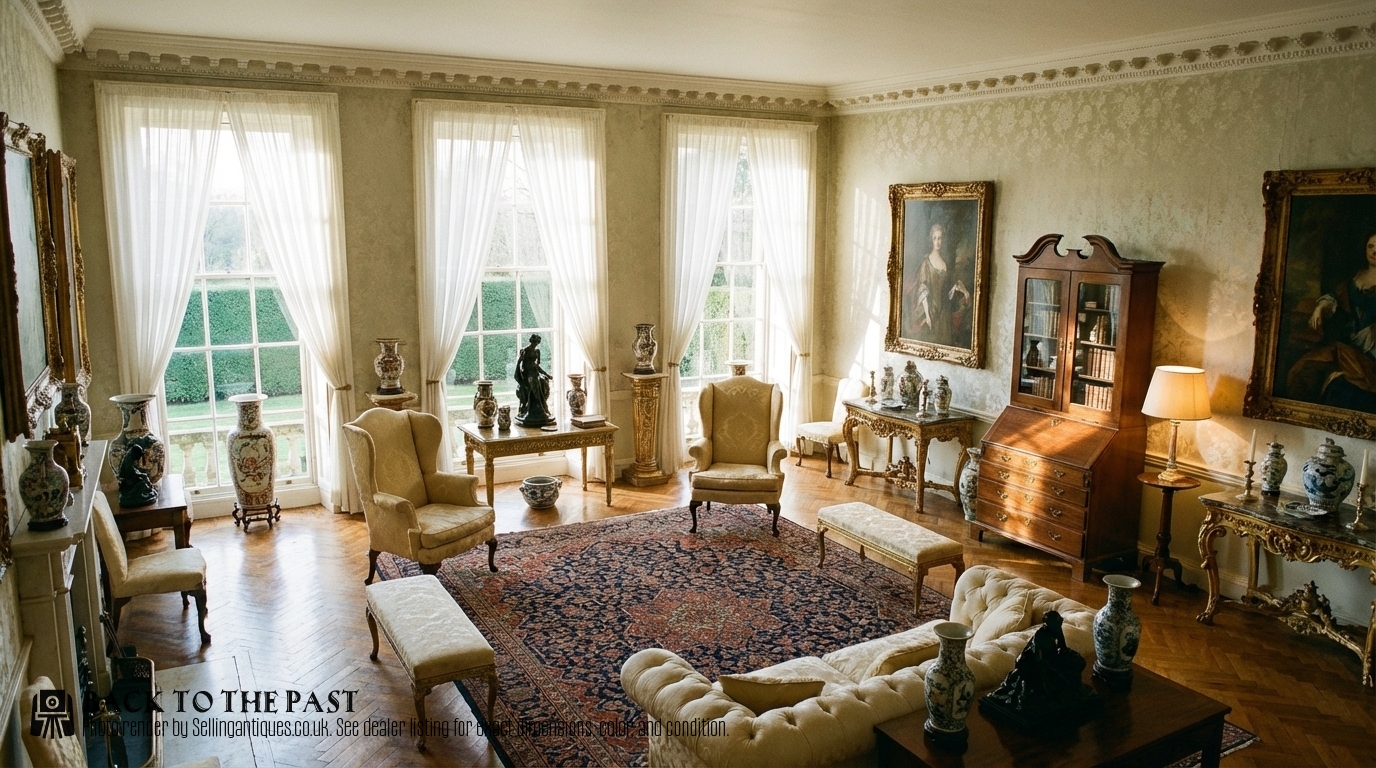
Mahogany Desk with Bookcase
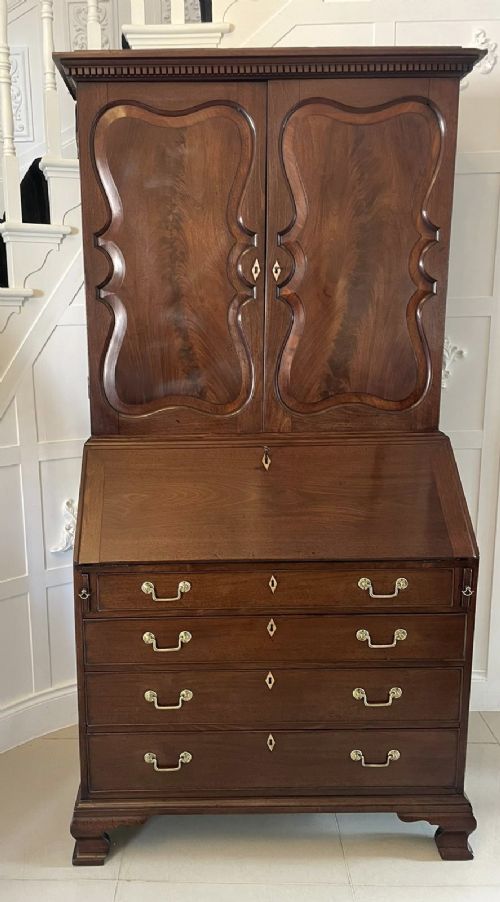
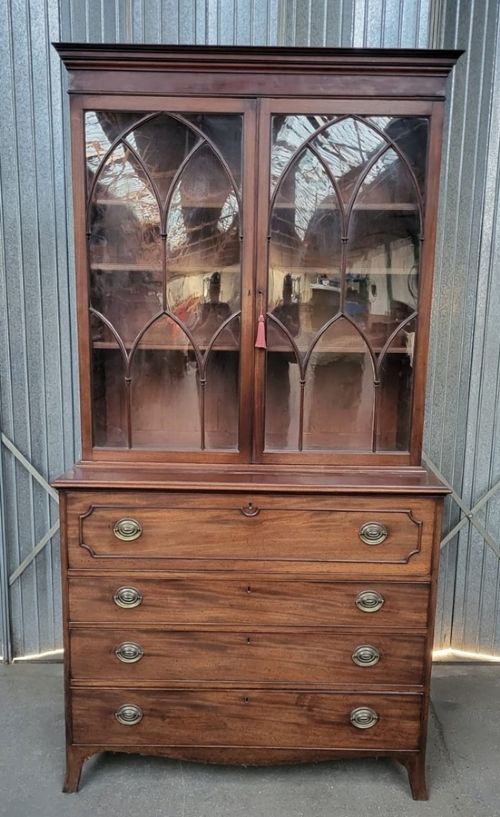
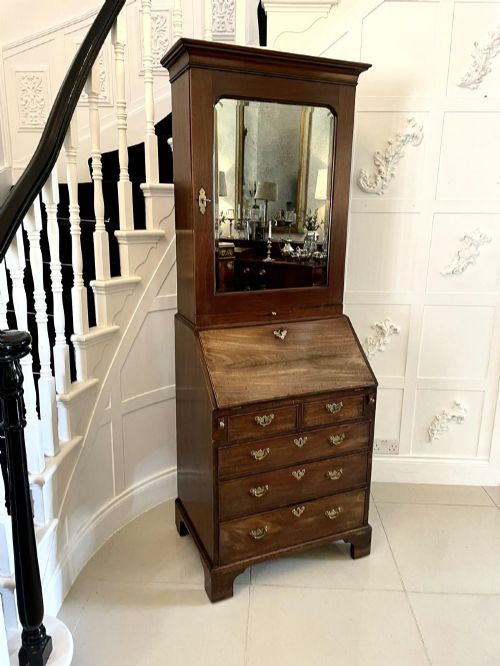
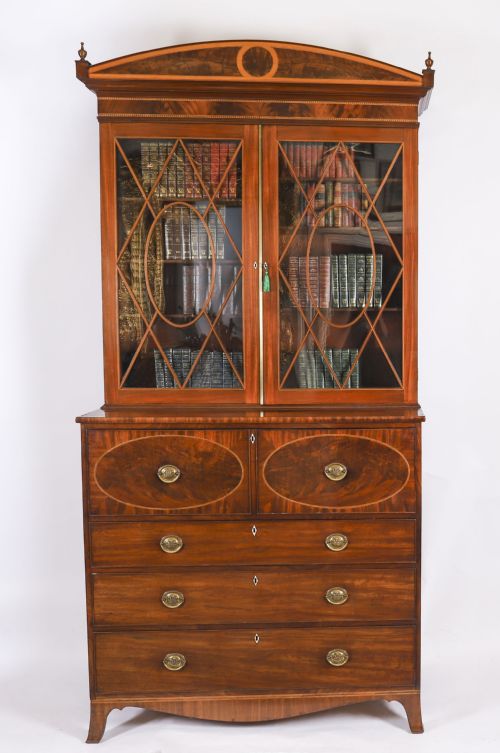
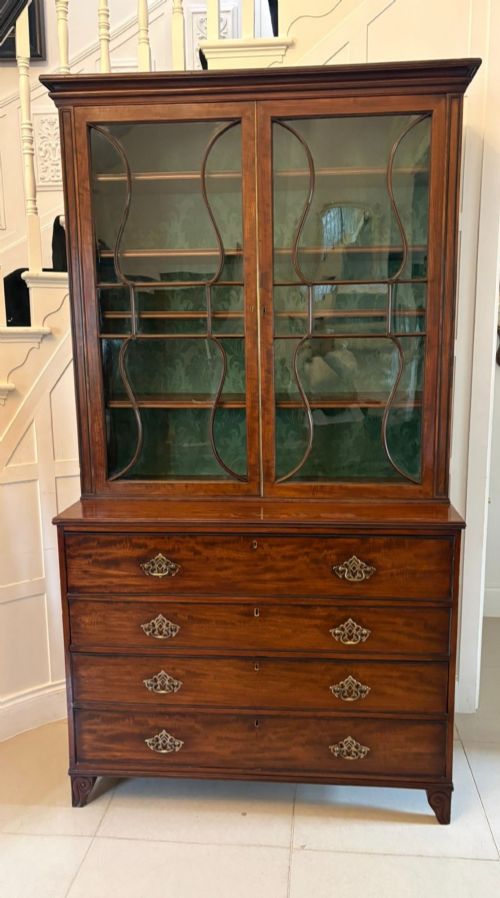
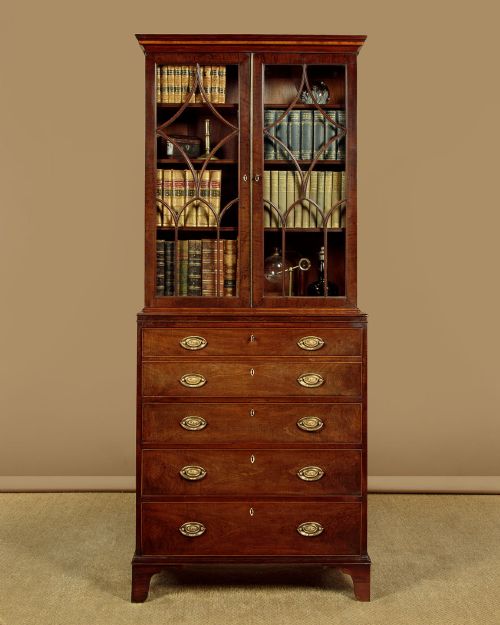
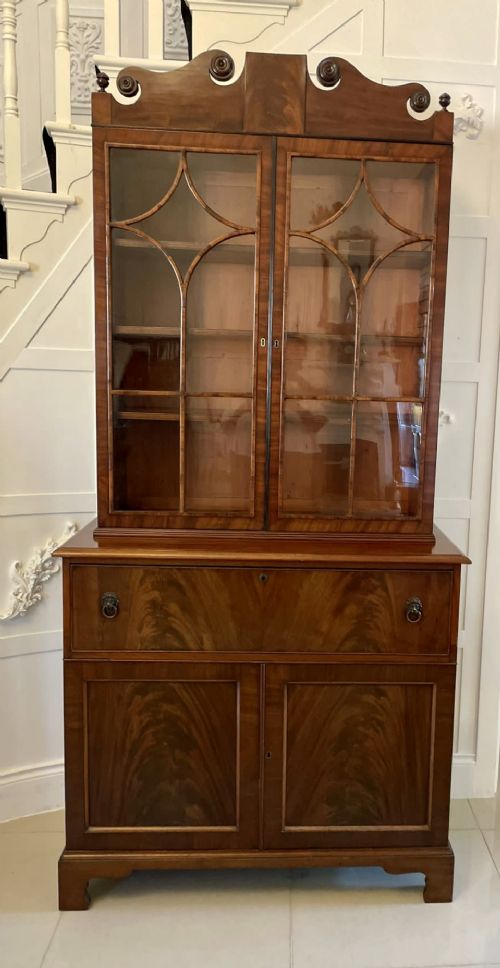
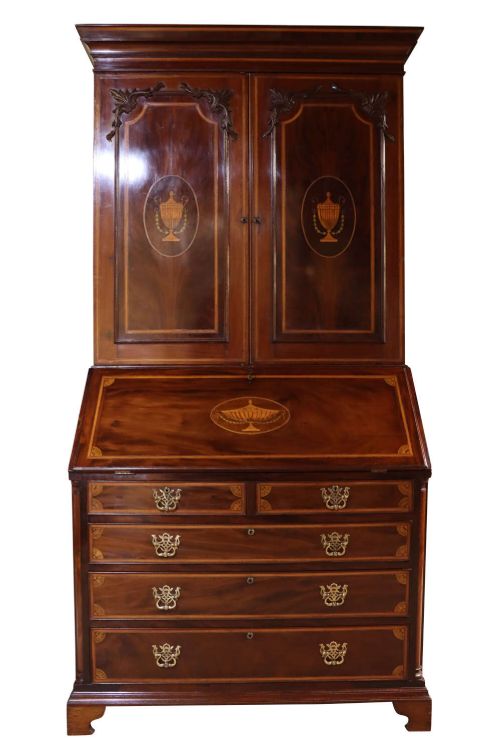
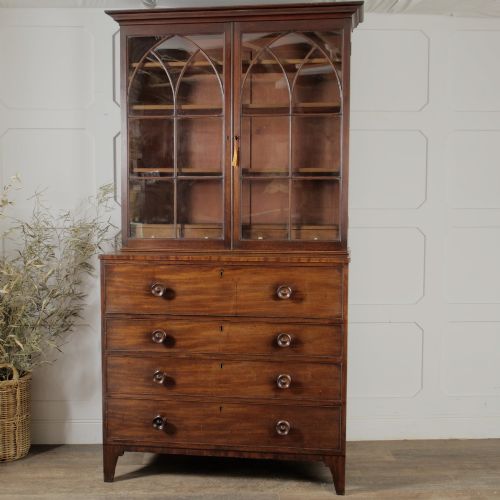
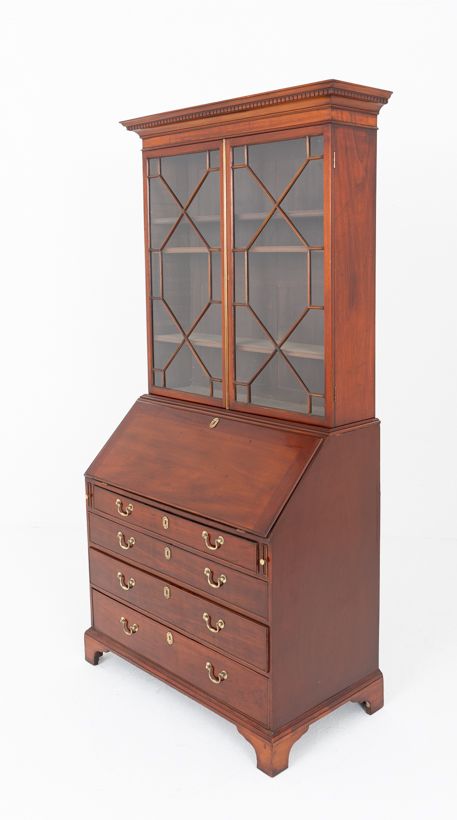
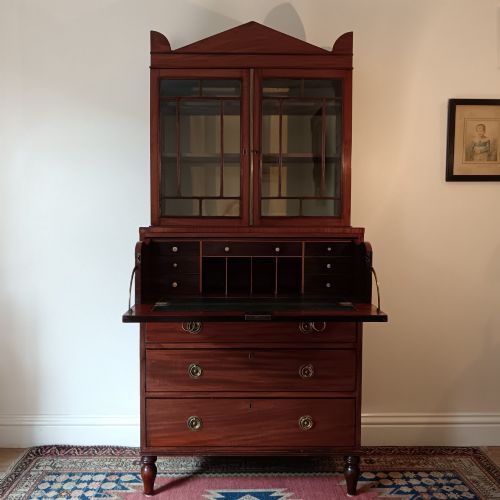
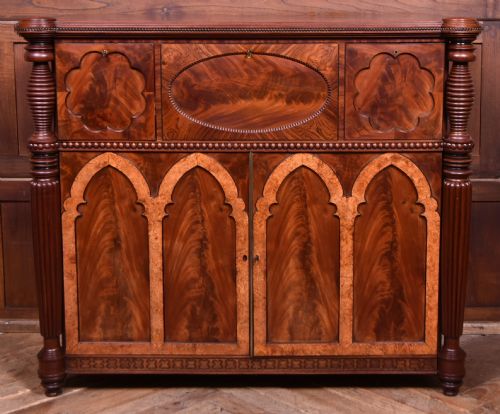
A mahogany desk with bookcase pairs a lower writing surface with an upper glazed or panelled cabinet for storing volumes and documents. You will most frequently encounter Georgian and 19th-century examples featuring drop-front bureaux or pull-out secretaire drawers.
The lower section typically contains pigeonholes and small drawers behind a writing flap, while the upper structure houses adjustable shelves enclosed by glass doors. Pieces span from the 18th century through the Victorian and Edwardian periods, reflecting changing domestic requirements for study spaces.
How they were made
Cabinet makers utilised dense tropical mahogany, often selected for strong grain figures, combined with secondary timbers like oak for drawer linings and internal framing. Glazed upper doors utilised individual wooden glazing bars to hold glass panes securely.
Surface decoration frequently involved satinwood inlay, brass hardware, and leather writing inserts within the fall-front or cylinder mechanisms. Construction relied on traditional dovetailed joints for drawers and secure tenon frames for the upper bookcase structures.
Mahogany Desk with Bookcase Retail Price Guide 2026
Typical asking prices for mahogany desk with bookcase among the pieces listed under this phrase on Sellingantiques today, from the lower quarter to the upper quarter. They describe what is for sale here now, not the wider market.
Materials recorded across current items include brass hardware, leather writing surfaces, oak linings, and figured mahogany veneers.
What varies in quality
The refinement of internal cabinet work largely separates standard examples from exceptional pieces, visible in the complexity of small drawers and secret compartments. Figured mahogany veneer selection across large surfaces also determines visual impact.
Proportion and the integration between the lower desk and upper bookcase dictate design success. Subtle details such as inlaid stringing, original brass handles, and well-balanced glazing bar arrangements elevate the standing of a cabinet.
Gillows·Tudor and Burrey
The Mahogany Desk with Bookcase Glossary
- Bureau bookcase
- A combination furniture form featuring a sloping writing flap over drawers combined with an upper shelving unit. It provides both workspace and library storage.
- Satinwood inlay
- Contrasting light wood veneer used for decorative banding and geometric patterns on darker mahogany surfaces. It creates visual borders and highlights structural lines.
- Glazing bars
- The wooden strips that hold individual panes of glass within a cabinet door. They form geometric patterns across the bookcase front.
Mahogany Desk with Bookcase: Frequently Asked Questions
How do I identify a Georgian piece?
Georgian cabinets often display distinct proportions, hand-cut dovetails, and understated brass hardware without excessive decoration. The timber selection typically shows deep, rich figuring with solid secondary woods inside the drawers.
Looking closely at the construction methods reveals period-specific joinery techniques. The interior fittings of the desk section also reflect 18th-century design preferences for arched pigeonholes and small concealed compartments.
How should I care for the mahogany surface?
Maintaining mahogany furniture involves keeping pieces away from direct heat sources and fluctuating humidity to prevent wood movement and veneer cracking. Regular dusting with a soft, dry cloth preserves the finish without requiring heavy polishes.
Applying occasional appropriate wax feeds the timber and enhances the natural grain. Avoiding synthetic cleaning sprays ensures the historic polish surface remains stable over time.
Are the upper and lower sections original to each other?
Cabinet makers built these pieces in two matching sections to allow for easier transport through domestic stairways and doorways. Matching timber grain, shared construction traits, and consistent proportions usually confirm that upper and lower components belong together.
Examining the side panels and interior mounting points reveals signs of long-term alignment. Original hinges and matching wood species across both halves further support the integrity of the combined unit.