


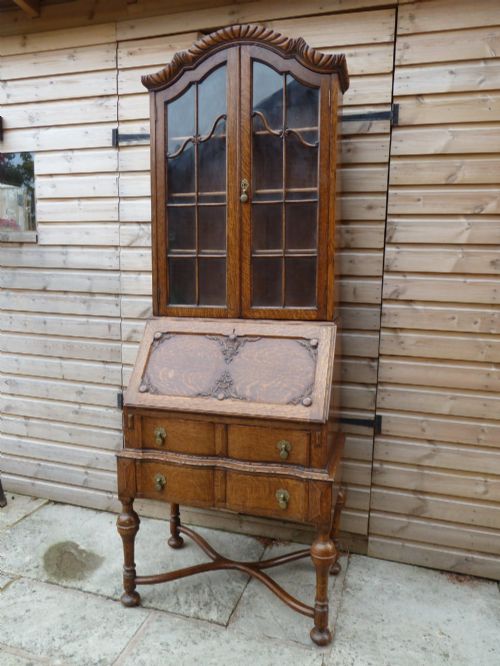
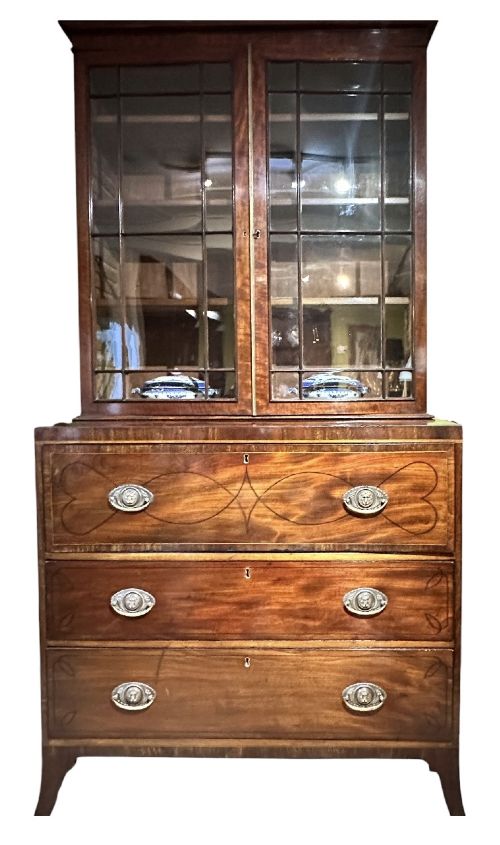
Vintage Secretary Bookcase
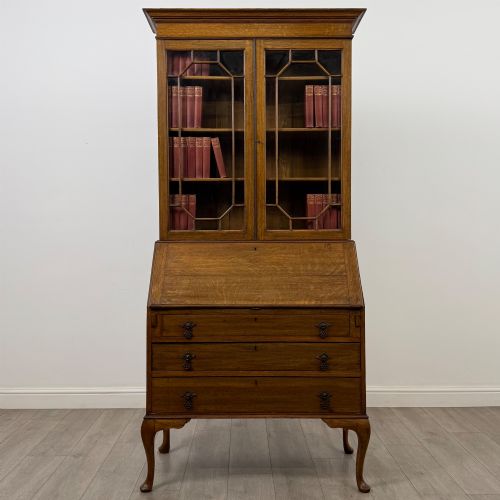
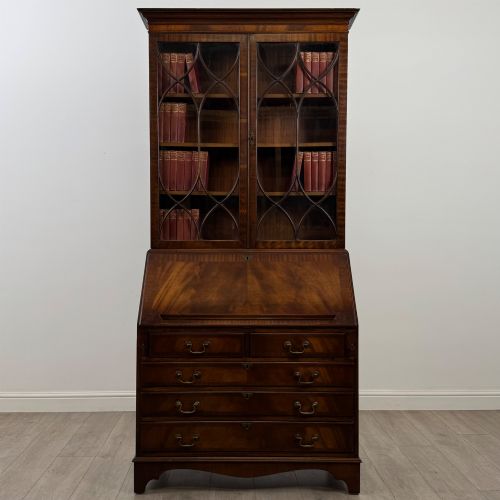
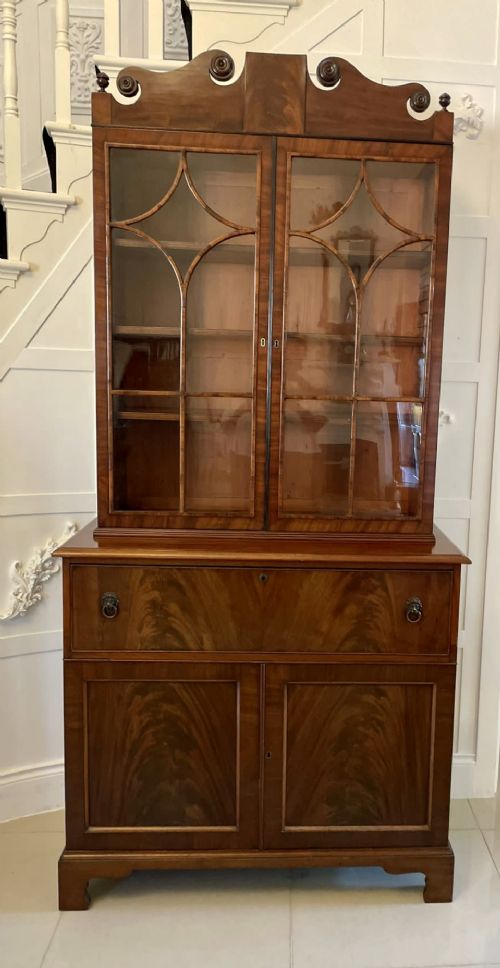
A vintage secretary bookcase combines a drop-front writing desk with enclosed upper shelving, offering practical storage and workspace in one substantial piece of furniture.
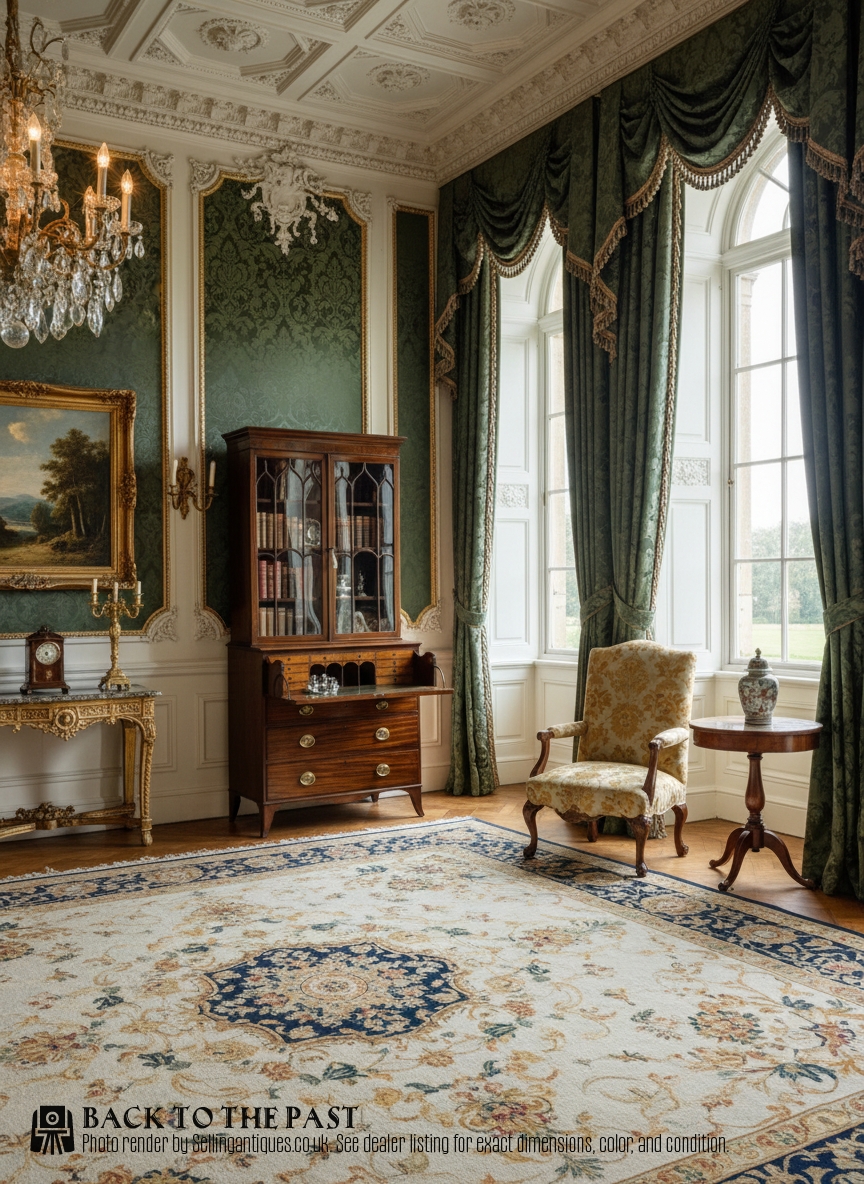
Vintage Secretary Bookcase
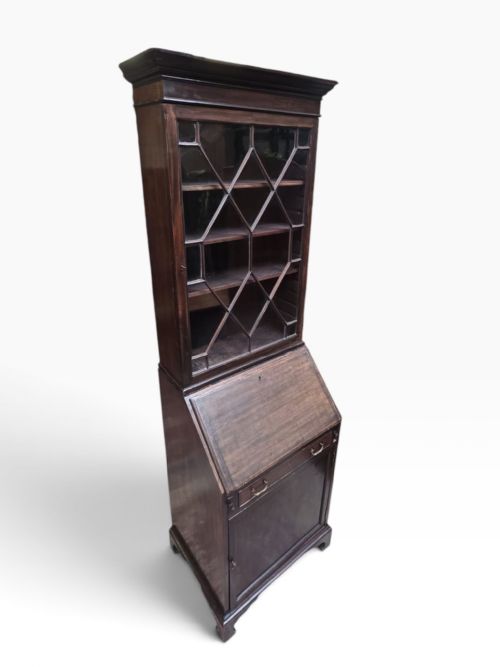
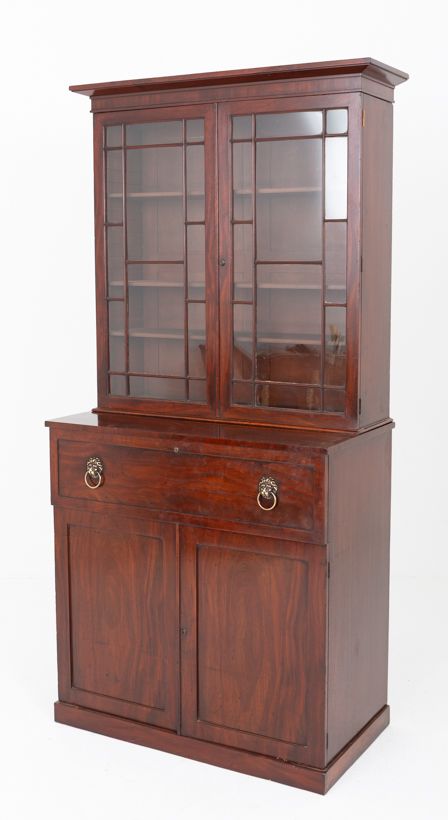
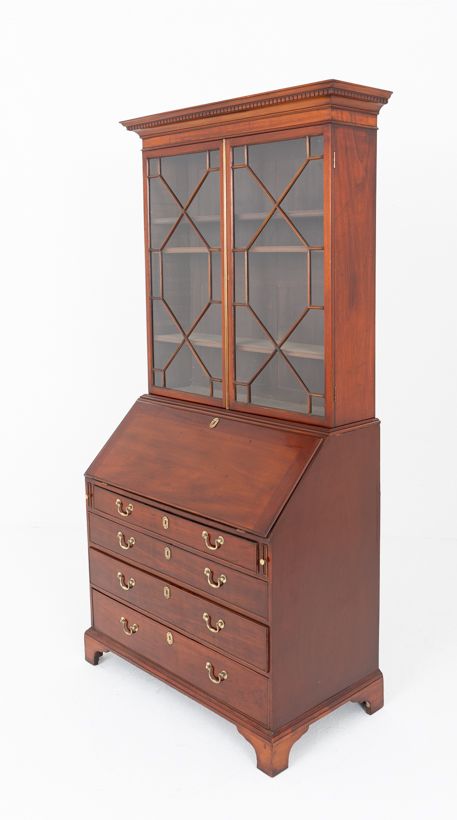
A vintage secretary bookcase serves as a dual-purpose item, combining a lower writing surface with an upper cabinet for books and display. These pieces appear in forms such as bureau bookcases, secretaire bookcases, and bureau cabinets.
The selections available range from early 18th-century Georgian and Regency examples to Edwardian and 1920s variations. Mahogany and oak dominate the offerings, alongside walnut, satinwood, and yew wood.
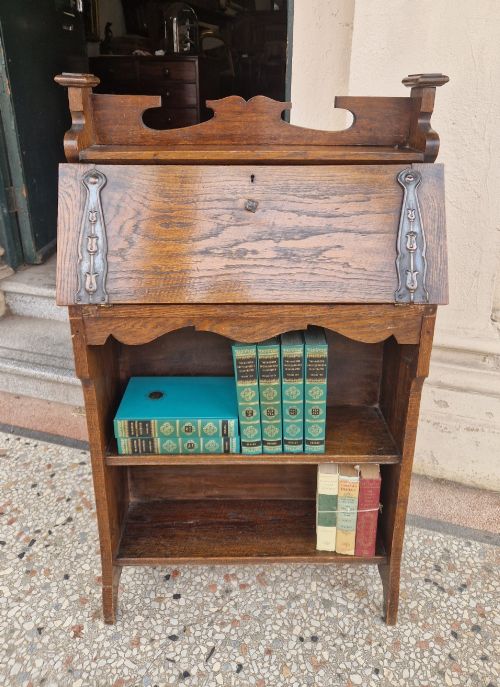
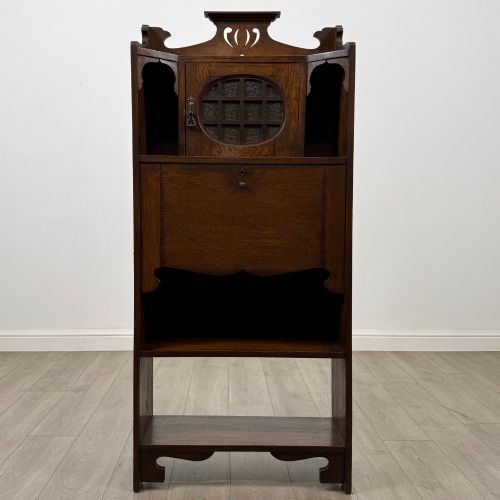
Makers and regional workshops produced these cabinets in various styles, including Jacobean Revival, Arts and Crafts, and Chinoiserie. Buyers often encounter Edwardian mahogany and oak versions alongside earlier Georgian formats.
Materials and construction methods
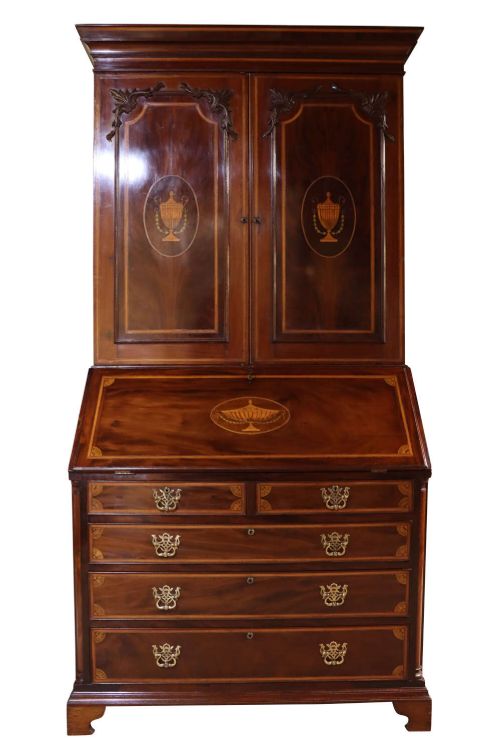
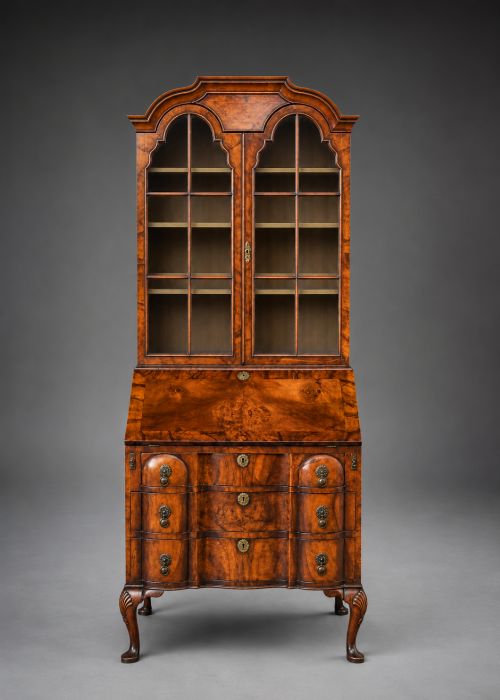
Cabinet makers utilised dense hardwoods such as mahogany, oak, and walnut to build the primary carcass and shelving units. Figured veneers and satinwood inlay frequently decorate the primary surfaces and drawer fronts.
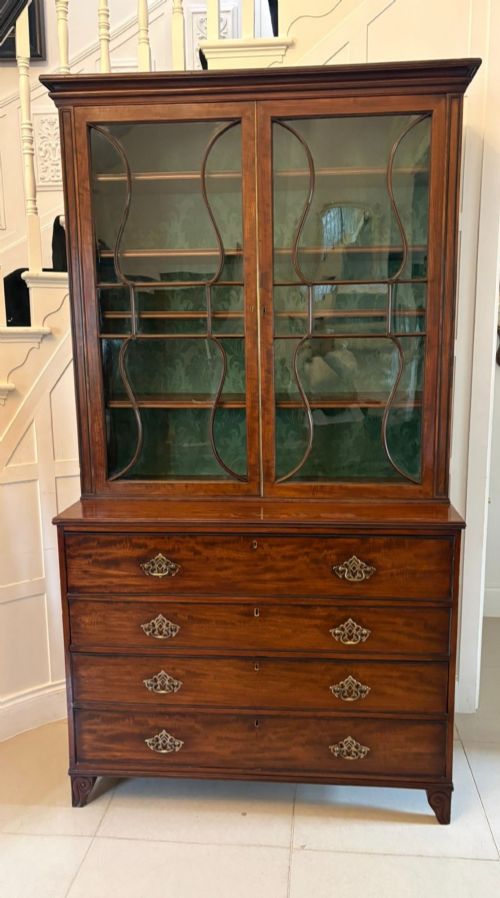
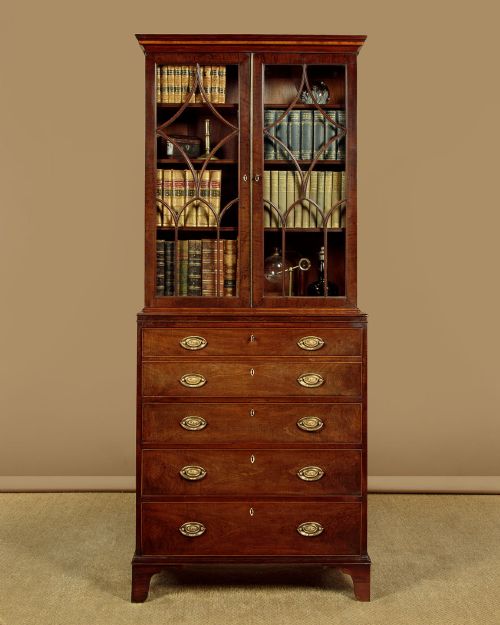
Glazed upper doors protect the library section, often featuring wooden glazing bars arranged in geometric or astragal patterns. Brass handles, escutcheons, and hinges secure the doors and drawers across the periods.
Internal components include fitted drawers, pigeonholes, and secret compartments concealed behind the drop-front writing surface. Lead is occasionally utilised within glazing or structural joints on specific examples.
Listings feature periods spanning from the 17th century through to the 1920s, constructed in mahogany, oak, walnut, satinwood, and yew wood.
Distinguishing quality and execution
The grade of timber selected for the facade dictates much of the visual merit, with figured mahogany and burr elm displaying superior grain patterns. Cabinetry originating from known workshops demonstrates finer timber selection and precise joinery in the fitted interiors.
The complexity of the glazing bars and the clarity of the glass in the upper doors separate standard productions from finer library cabinets. Original brass hardware and intact internal fittings elevate the integrity of the piece.
Gillows of Lancaster·F.H. Marshall & Co Glasgow
The Vintage Secretary Bookcase Glossary
- Secretaire
- A piece of furniture containing a drawer or compartment that folds down to form a writing desk. It conceals pigeonholes and small drawers within.
- Astragal glazed
- Glass doors divided into smaller panes by narrow wooden mouldings. These strips create geometric patterns across the upper bookcase section.
- Bureau cabinet
- An upright furniture form uniting a sloping desk compartment with upper shelving enclosed by doors. It provides both workspace and storage.
- Inlay
- A technique where pieces of contrasting wood, such as satinwood, are inserted into the primary surface to create decorative motifs.
- Fitted interior
- The arrangement of small drawers, pigeonholes, and compartments revealed when the writing flap is lowered.
Vintage Secretary Bookcase: Frequently Asked Questions
What is a secretary bookcase?
A secretary bookcase is a tall furniture item that combines a pull-down or drop-front writing desk with an upper shelving unit enclosed by doors. It functions as a workspace and a library cabinet.
Lower sections typically contain drawers or a desk flap that conceals pigeonholes, while the upper section holds books behind glass or wooden panels.
How do I date a secretary bookcase?
Dating relies on timber choice, hardware style, and construction details associated with specific periods like the Georgian, Regency, or Edwardian eras. Mahogany and walnut dominate earlier pieces, while oak appears across multiple centuries.
Examine the construction of the interior drawers, the type of glass in the upper doors, and any stylistic markers such as satinwood inlay or revival motifs.
Where were these bookcases placed?
These pieces traditionally served in libraries, studies, and drawing rooms as a central place for correspondence and book storage. Their vertical format maximised storage in domestic interiors.
The enclosed upper shelving protected bound volumes from dust while displaying the owner's library collection.
Are the writing surfaces fixed?
The writing surface is usually a hinged flap that pulls or folds down into a horizontal position, supported by sliding arms or the front of the drawer itself. This drop-front mechanism conceals the inner compartments when closed.
Inside the fold-down desk, users find a flat writing area alongside small drawers and slots for paper and ink.