


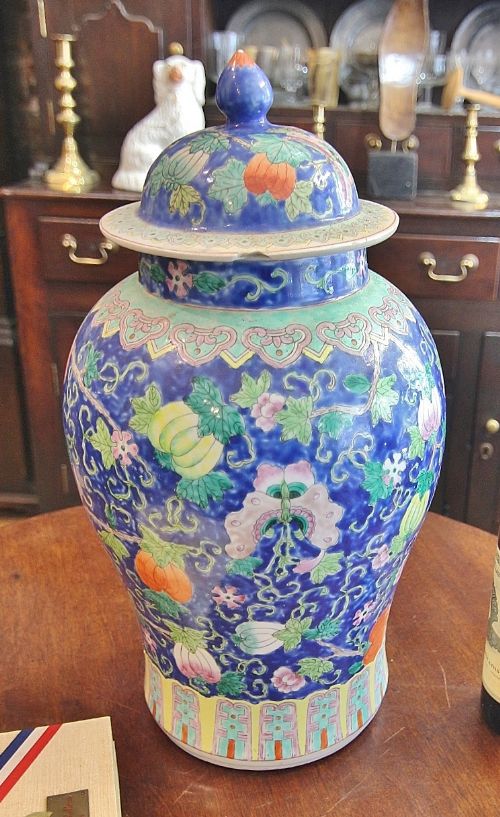

Lidded Porcelain Urn
Lidded porcelain urn examples bring sculptural form and covered elegance to a room, spanning European factories and Japanese kilns.

Lidded Porcelain Urn
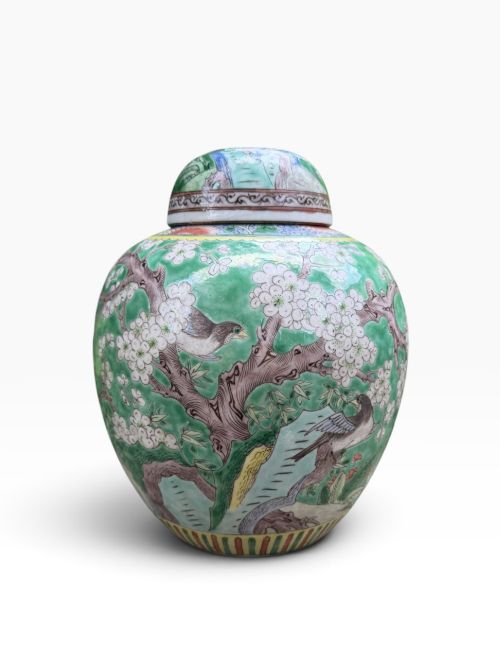
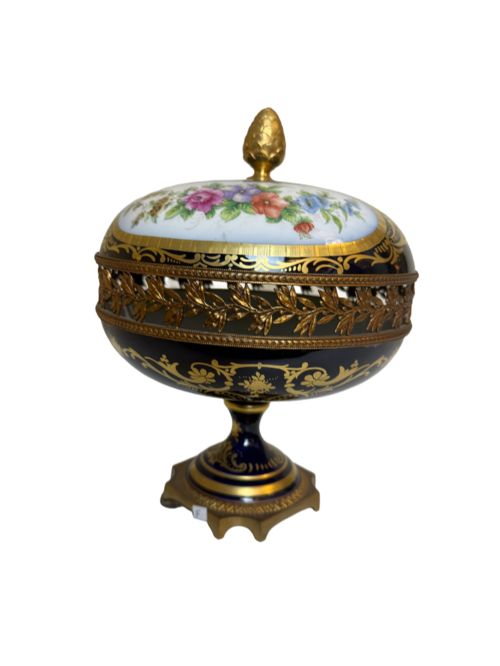
A lidded porcelain urn serves as a decorative vessel, ginger jar, or potpourri container, originating from periods including the 18th century, Georgian, Regency, and the 19th century.
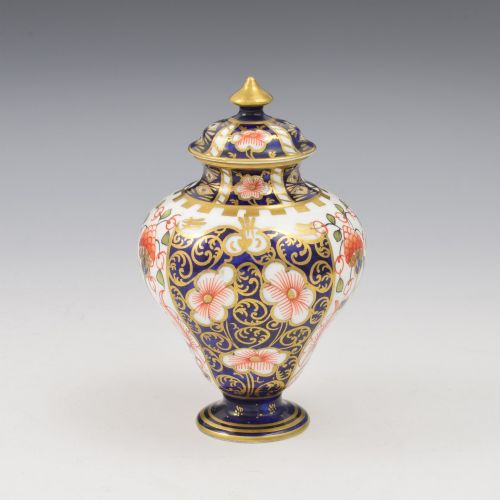
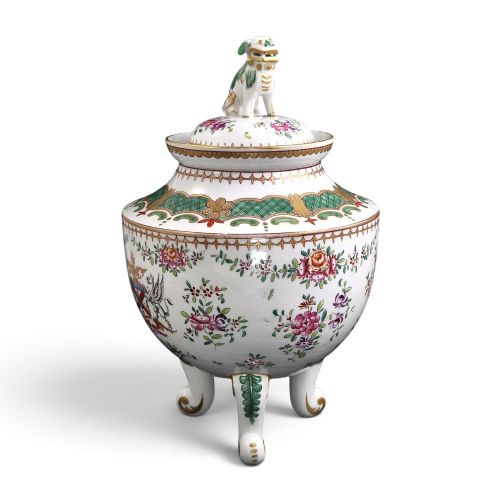
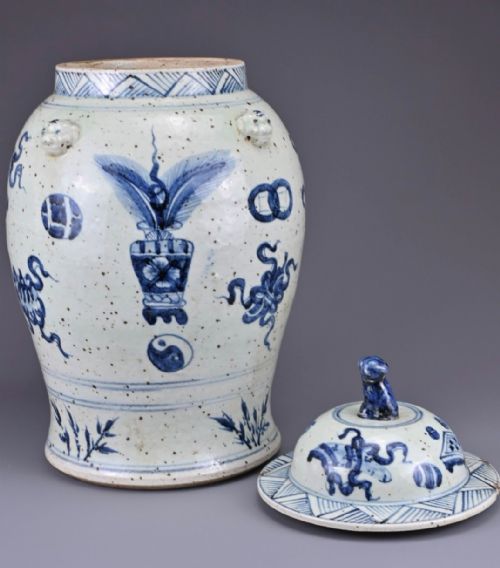
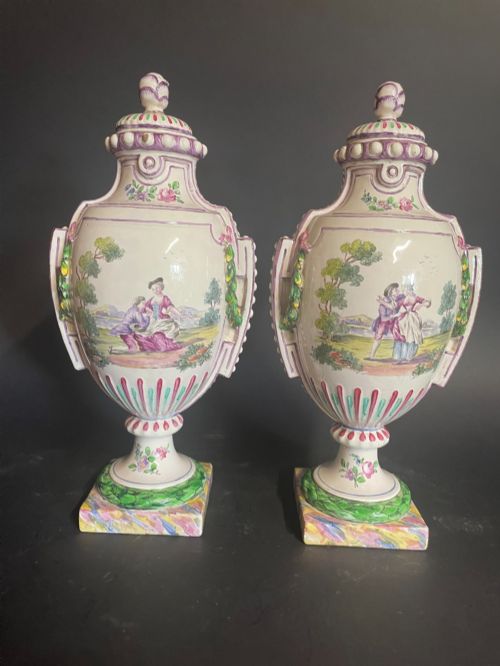
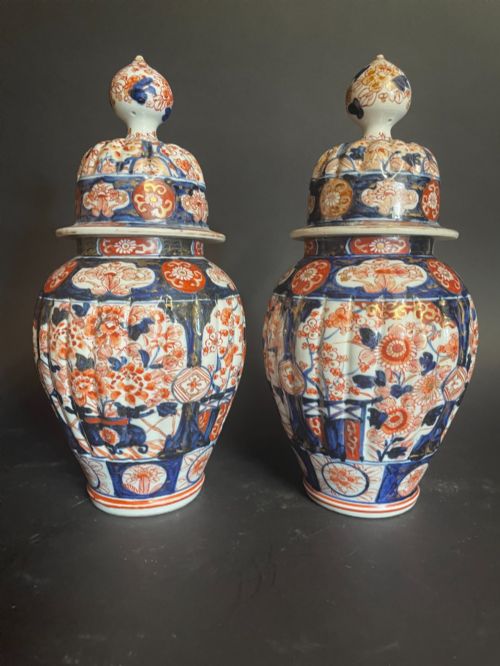
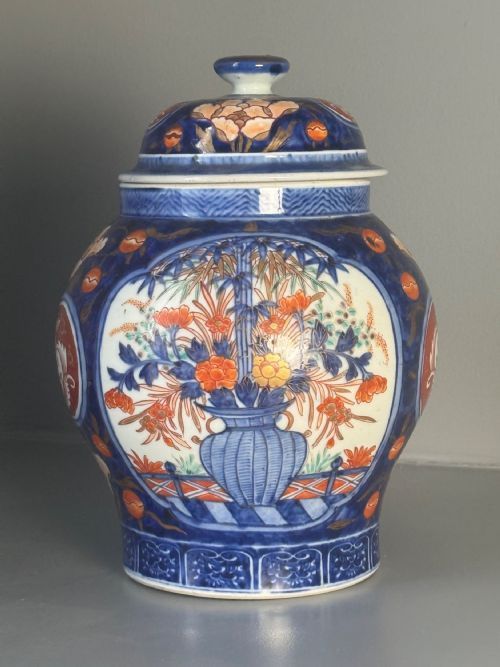
The pieces on this page appear in styles such as Victorian, Rococo Revival, Chinoiserie, and Japanese Imari, showing diverse regional aesthetic traditions.
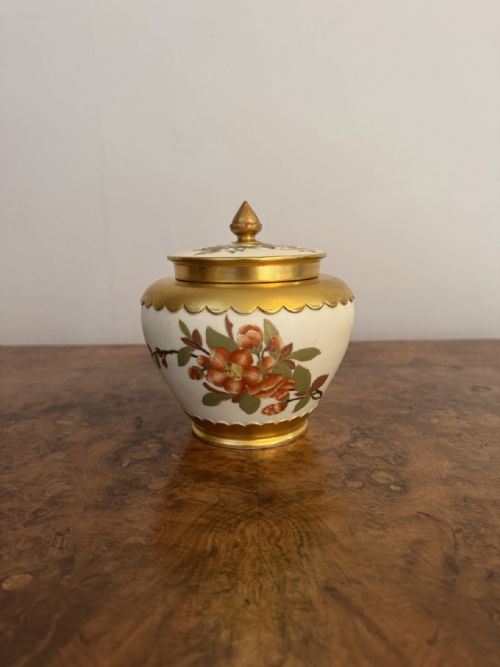
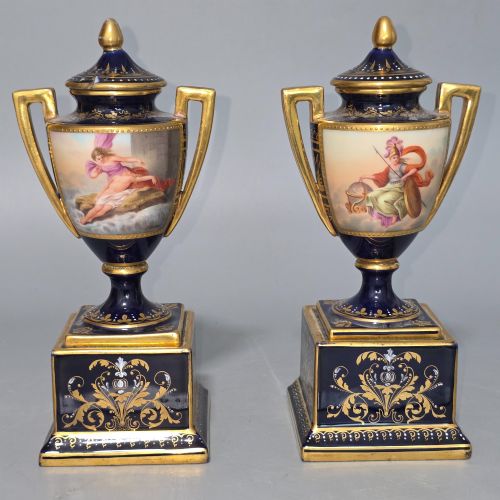
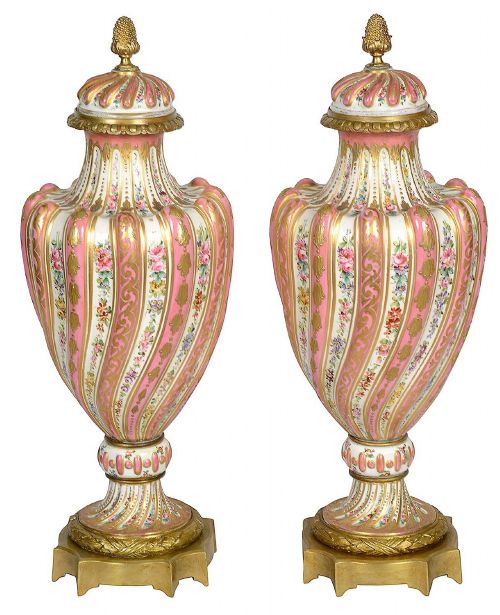
Forms range from large baluster vases to miniature covered vessels, earthenware jars, and pedestal amphora shapes with matching covers.
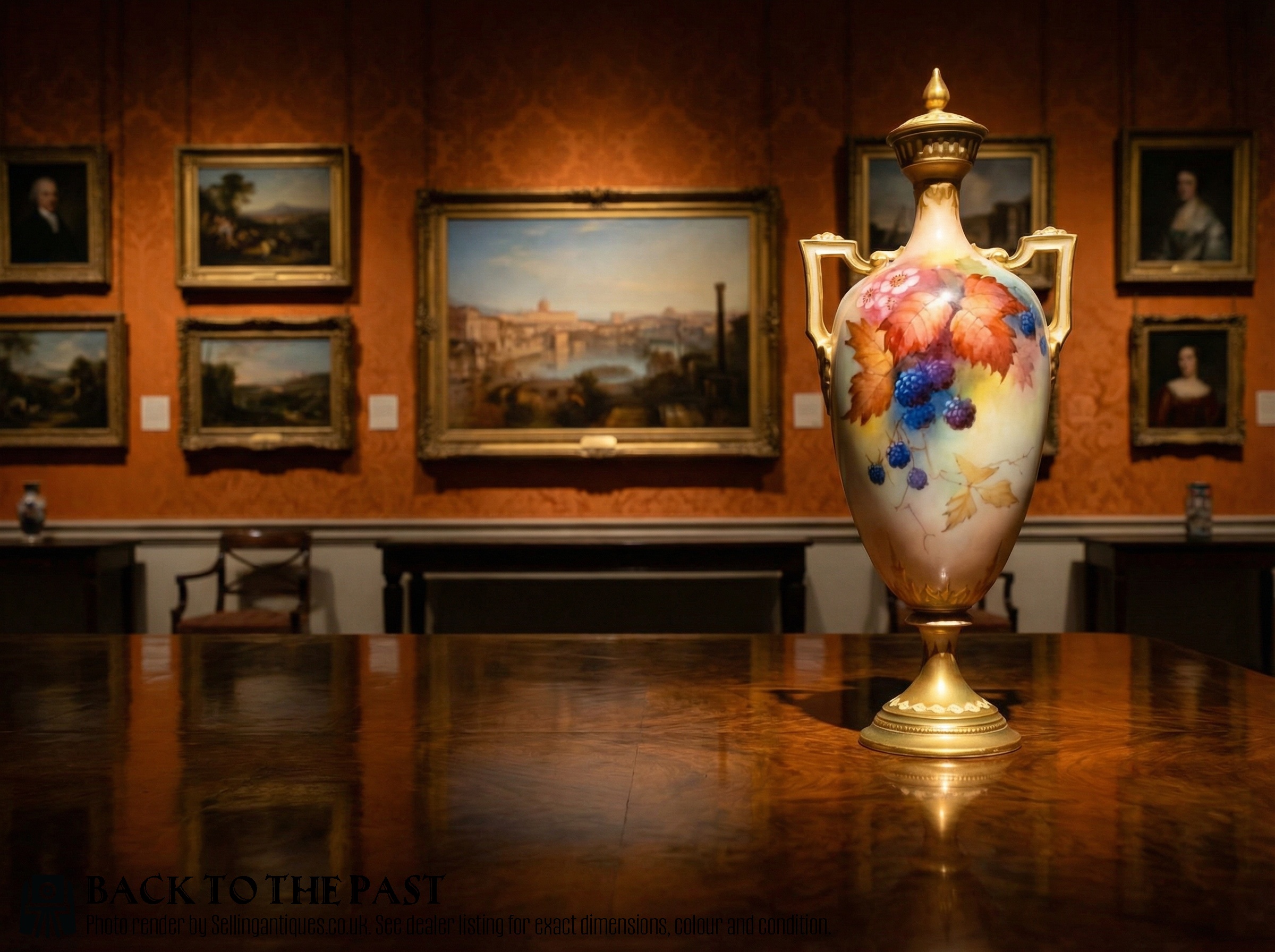
Materials and construction techniques
Objects utilise ceramic bodies such as porcelain, earthenware, and ironstone, shaped into vessels and finished with glaze.
Decoration involves hand-painted motifs, enamel pigments, gold leaf, gilding, and gilt highlights applied across European and Asian potteries.
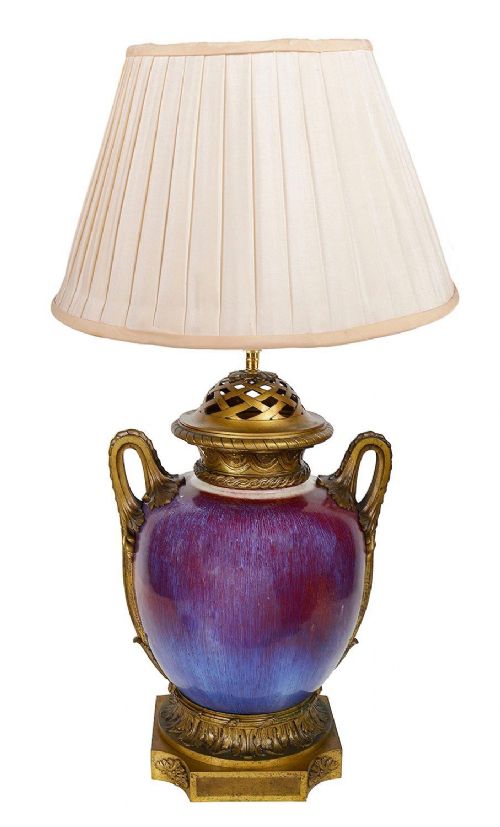
Certain examples incorporate mounts and fittings cast in ormolu or bronze to secure the porcelain body and lid.
Lidded Porcelain Urn Retail Price Guide 2026
Typical asking prices for lidded porcelain urn among the pieces listed under this phrase on Sellingantiques today, from the lower quarter to the upper quarter. They describe what is for sale here now, not the wider market.
Napoleon Bonaparte makes a cameo appearance on commemorative Sèvres vessels, watching over the mantelpiece.
Distinctions in craftsmanship
Quality rests in the precision of the hand-painted brushwork, the richness of the enamel and gilding, and the harmony of the lid fitting the vessel body.
Exhibition-grade pieces demonstrate finer detail in pictorial scenes or armorial decoration, whereas simpler items rely on standard transfer or block patterns.
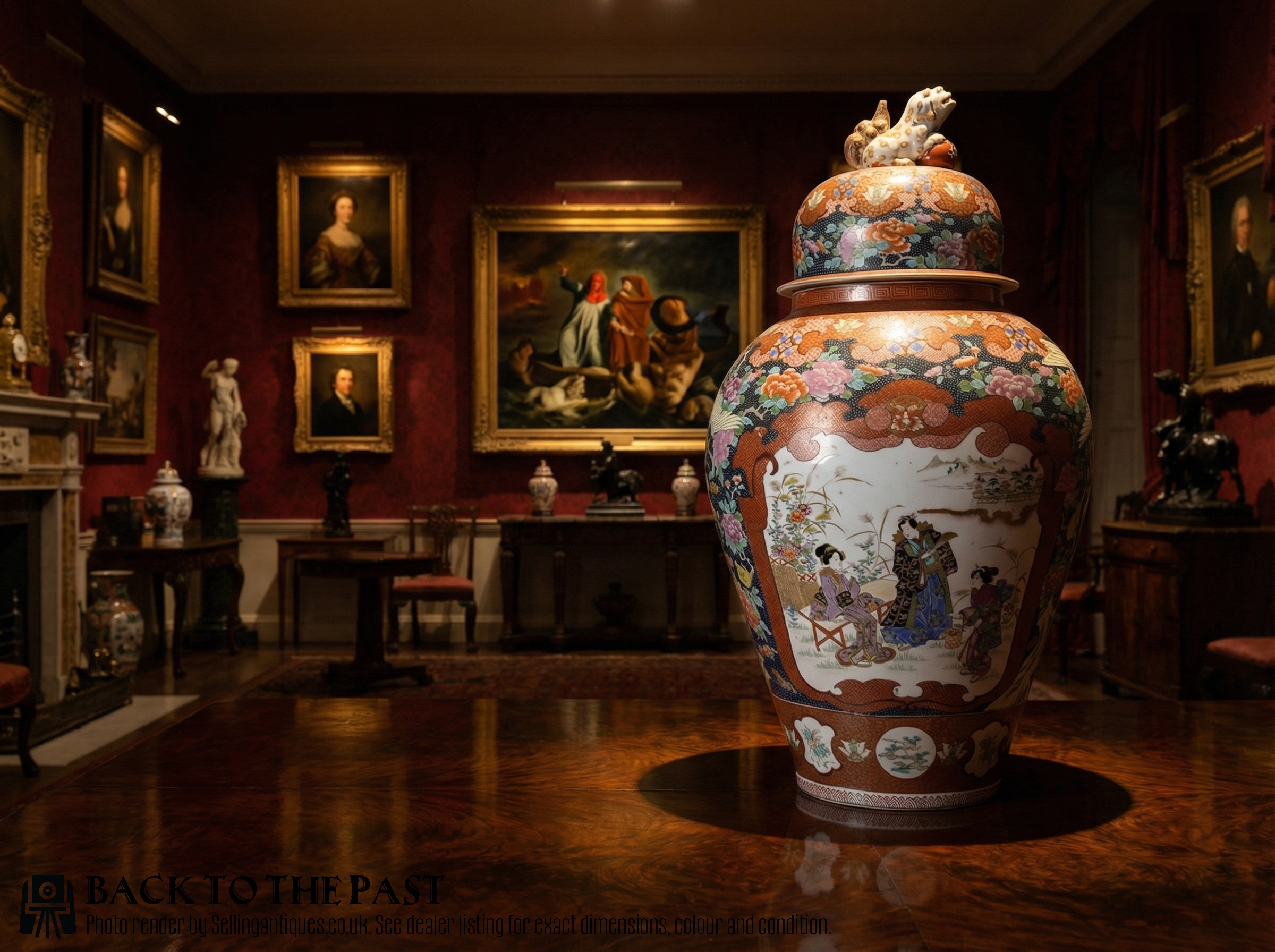
Royal Crown Derby·Samson Paris·Royal Worcester·Chamberlain Worcester·Coalport·Minton·Spode·Helena Wolfson
The Lidded Porcelain Urn Glossary
- Imari
- A style of Japanese porcelain decorated in underglaze blue, iron red, and gold, named after the port of export.
- Ormolu
- Gilded bronze mounts applied to the base, handles, or rim of ceramic vessels, common in French decorative objects.
- Potpourri
- A mixture of dried plant materials scented with oils, placed inside pierced lidded jars to fragrance a room.
- Baluster
- A vase shape characterised by a rounded body that tapers toward the base and swells near the lower portion.
- Chinoiserie
- European artistic styles reflecting Chinese decorative motifs, popular in porcelain painting during the 18th and 19th centuries.
Lidded Porcelain Urn: Frequently Asked Questions
What were lidded porcelain urns used for originally?
These vessels functioned to store dry goods, spices, or scented potpourri mixtures within domestic interiors.
Over time, they served primarily as decorative garnitures on mantelpieces and sideboards.
How do you date a lidded porcelain urn?
Dating relies on factory marks stamped or painted on the base, combined with stylistic cues from periods like the Regency or Victorian eras.
Glaze characteristics and hand-painting techniques further help narrow the decade of production.
How should I display a lidded urn at home?
Place them on stable surfaces away from high traffic areas where the lid might be displaced.
Pairs look balanced on console tables or mantel shelves, while single large jars anchor room corners.
What is the difference between an urn and a ginger jar?
Urns typically feature pedestal bases and handles reminiscent of classical architectural forms.
Ginger jars possess rounded shoulders and flat-topped lids originally designed for storage.