


Edwardian Floral Urn
An edwardian floral urn brings the delicate botanical motifs of the early twentieth century into a room through crafted porcelain and pottery.
Edwardian Floral Urn
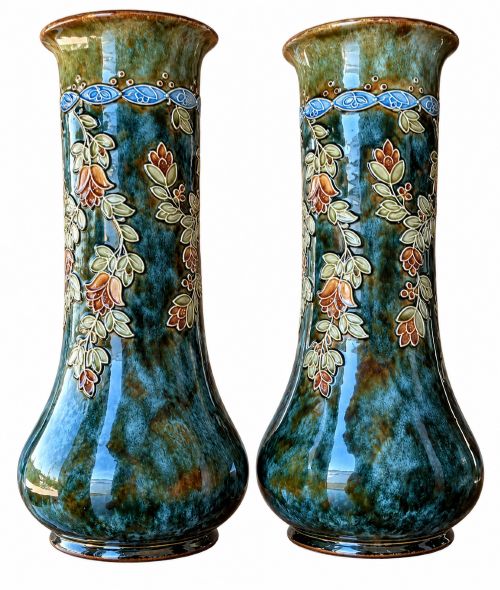
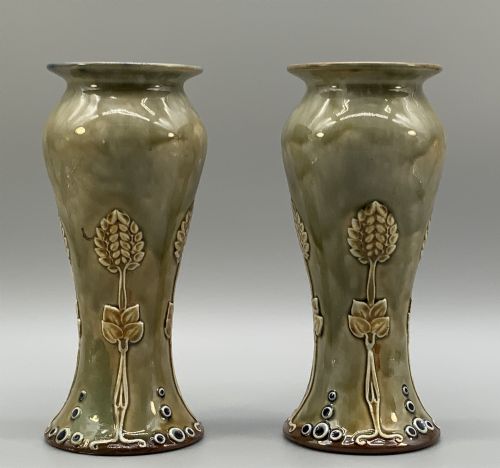
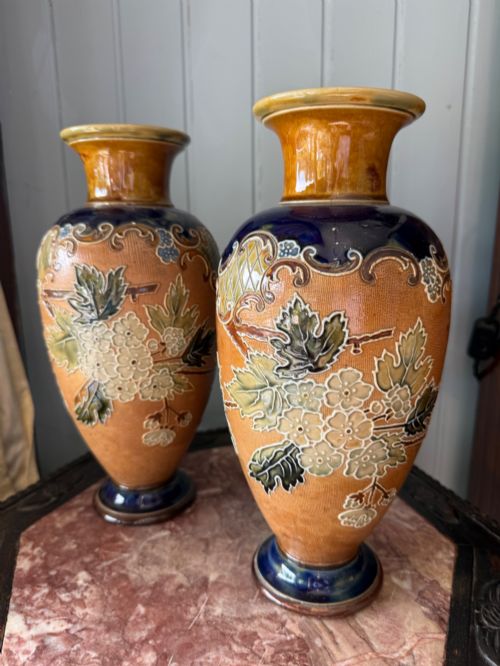
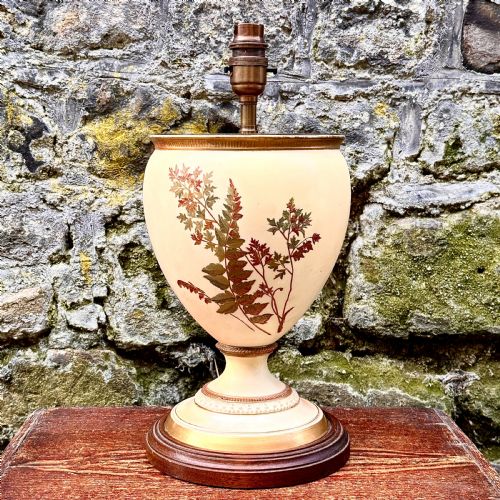
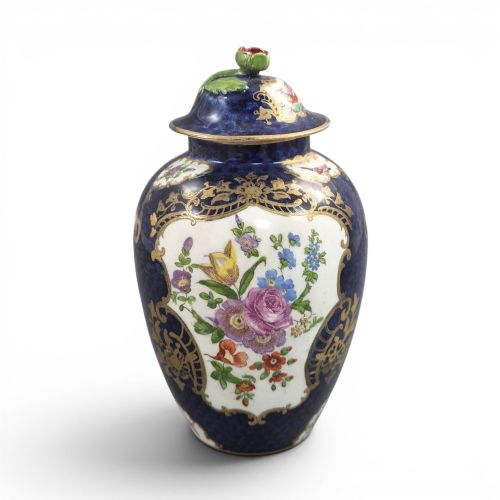
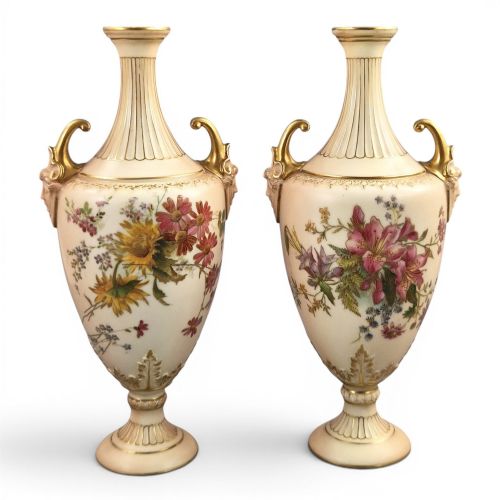
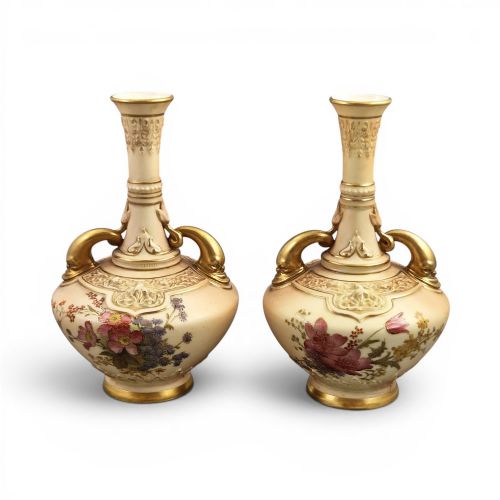
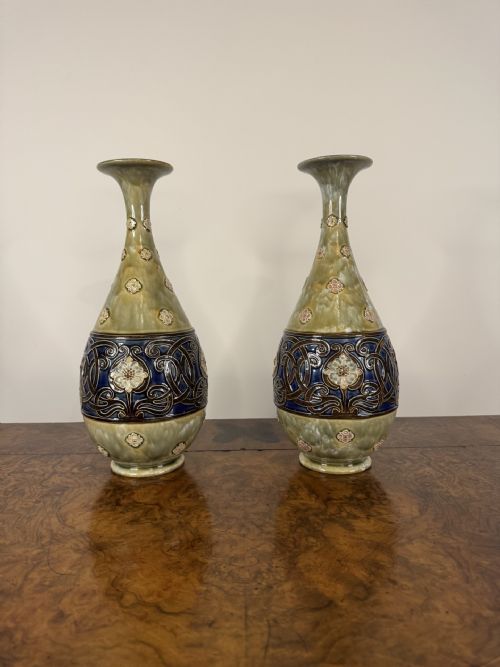
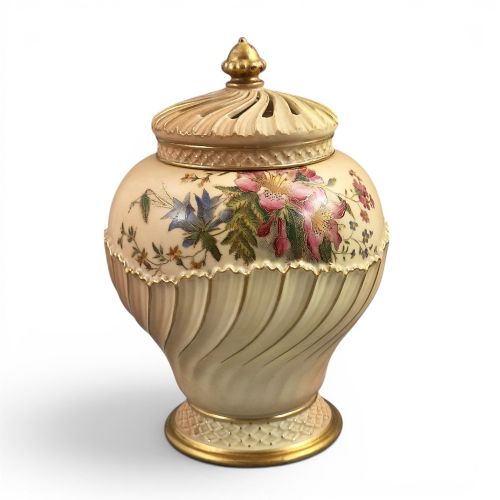
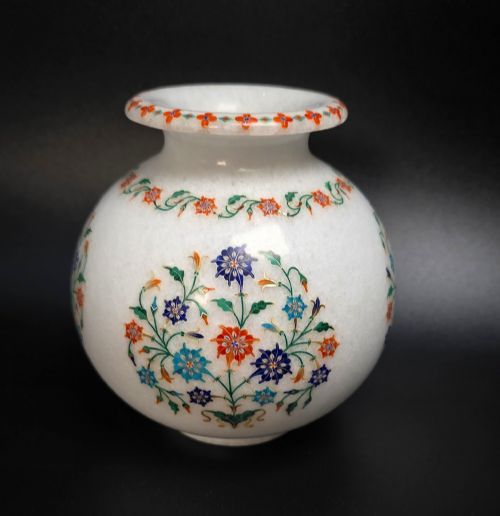
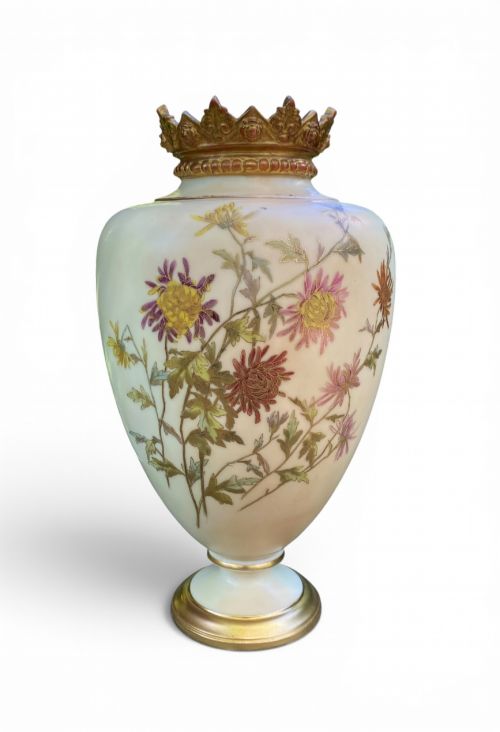
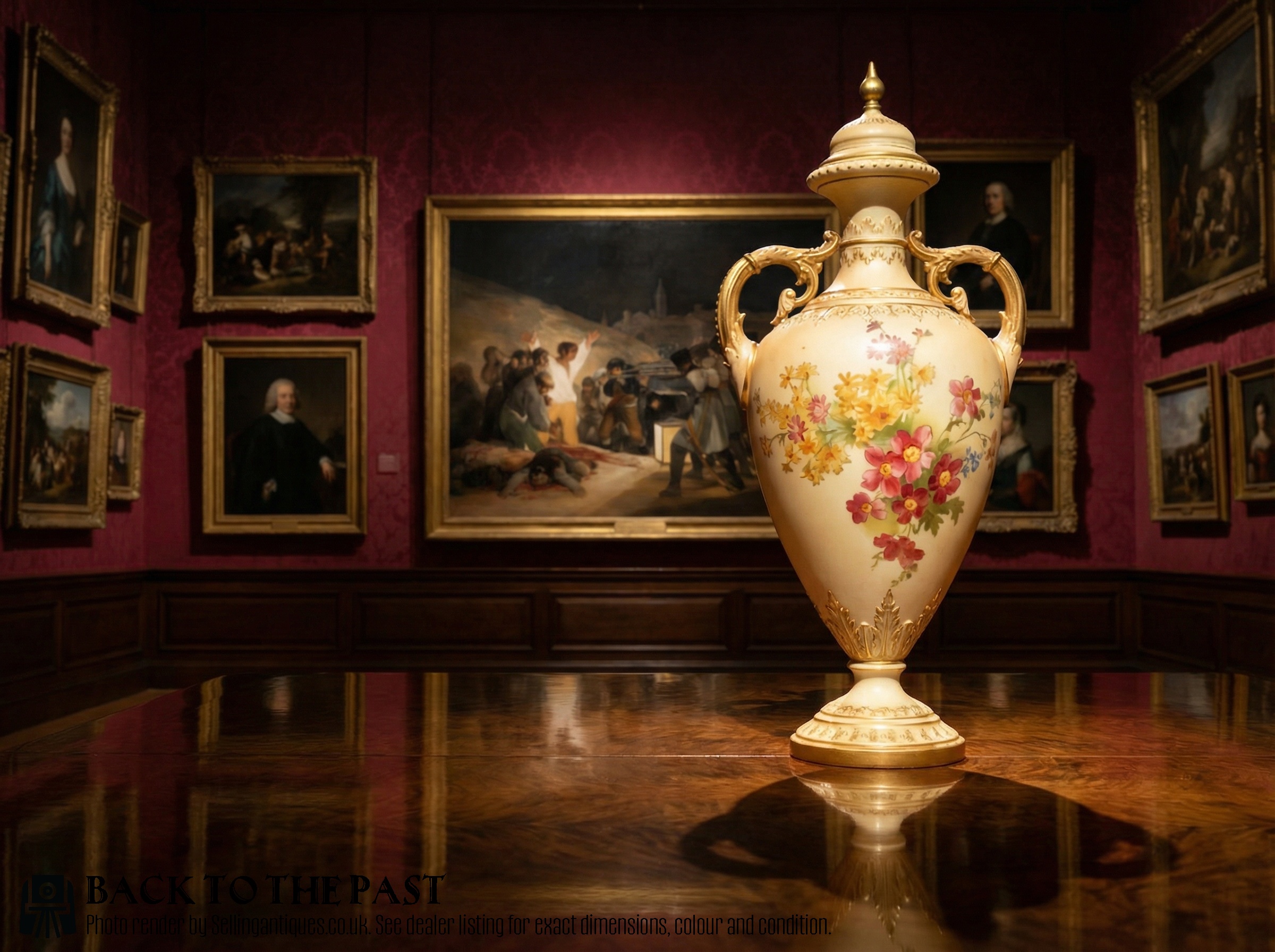
When searching for an edwardian floral urn, buyers encounter decorative vessels shaped as vases, covered jars, and posy holders dating from the Edwardian era and the late nineteenth century. These pieces display hand-painted or glazed botanical patterns, frequently incorporating chrysanthemums, exotic birds, and scrolling foliage across ceramic bodies.
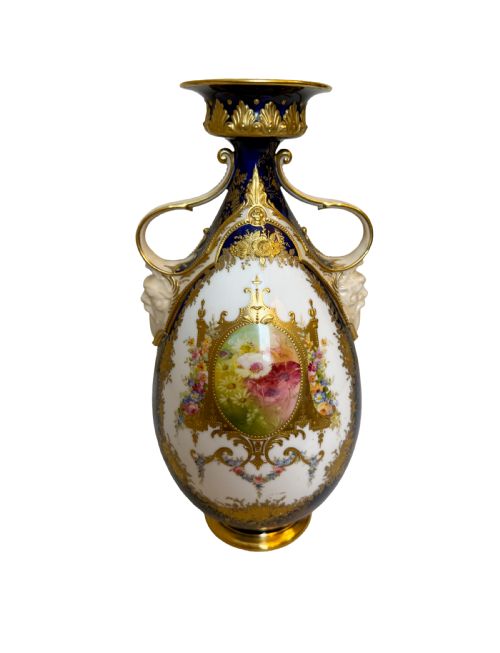
The version most commonly met on this page is the porcelain or stoneware vase produced by major potteries of the period, often finished with blush ivory grounds or rich cobalt blue. Forms range from baluster profiles to ovoid vessels, reflecting the stylistic transition from late Victorian ornamentation into fluid Art Nouveau shapes.

Materials and construction
Makers utilised ceramic bodies such as earthenware, stoneware, and fine porcelain, shaping them on the potter's wheel or casting them in moulds. Surfaces received liquid clay slips, intricate glazes, and hand-applied enamel colours before undergoing high-temperature kiln firing.
Many examples incorporate metallic elements, adding applied gold leaf, gilt highlights, pewter overlays, or chased copper and brass details to complement the ceramic forms. Artisans also employed piercing techniques for handles and incorporated delicate pietra dura inlay into marble bases.
Several pieces feature clever ceramic dolphins serving as handles, proving that Edwardian potters took their sea life very seriously.
Assessing craftsmanship and finish
Quality separates through the precision and depth of the hand-painted decoration, where master artists achieved subtle tonal gradations in floral petals rather than relying on uniform printed transfers. The clarity of the glaze and the crispness of moulded details like slip-raised foliage determine the distinction of the piece.
The weight, balance, and structural integrity of the vessel body, alongside the careful integration of metal mounts or pierced handles, indicate the original workshop standards. Pieces bearing distinct artist ciphers or established factory marks demonstrate higher execution levels.
Royal Doulton·Royal Worcester·Royal Crown Derby·Crown Staffordshire·Wileman Intarsio·Mason·Minton·Booth·Ernst Wahliss
The Edwardian Floral Urn Glossary
- Blush ivory
- A softly shaded cream-coloured ceramic ground developed by porcelain manufacturers to imitate the tone of unpolished ivory. It typically serves as a warm background for delicate hand-painted floral motifs.
- Stoneware
- A heavy, dense ceramic fired at high temperatures until vitrified and rendered impermeable to liquids. It forms a durable body for textured glazes and applied relief decoration.
- Imari
- A decorative style originating in Japan characterised by iron red, underglaze blue, and gold ornamentation. British potteries adopted this palette for porcelain and ironstone vessels.
- Baluster
- A vertical architectural form featuring a rounded lower body that tapers towards a narrow neck. Many decorative vases utilise this proportion to balance stability with slender grace.
- Secessionist
- An early twentieth-century design movement favouring stylized natural motifs and geometric simplification. This aesthetic influenced the flowing lines and organic patterns found on art pottery.
Edwardian Floral Urn: Frequently Asked Questions
What periods do these pieces span?
The selection spans from the late nineteenth century through the Edwardian era up to the nineteen-twenties. This encompasses late Victorian production, the height of the Edwardian period, and early twentieth-century artistic revivals.
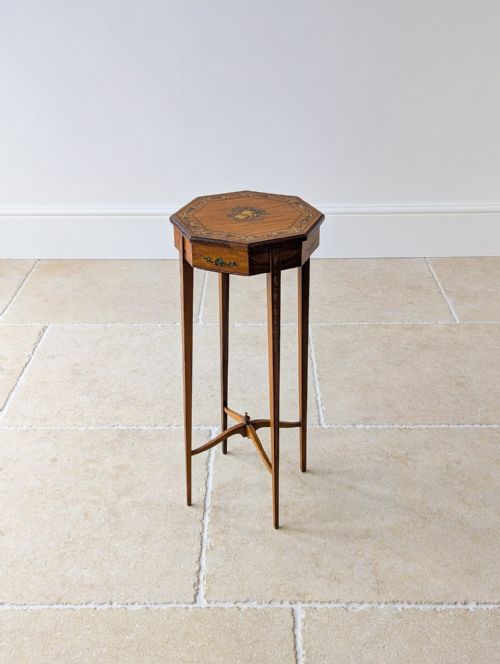
Designs shift from ornate Victorian styles to the organic curves of Art Nouveau and the classical symmetry favoured during the Sheraton Revival.
How were these urns used originally?
These vessels served primarily as decorative ornaments on mantelpieces, side tables, and occasional furniture within formal Edwardian drawing rooms. Covered jars and pot-pourri containers held dried botanical mixtures to scent domestic interiors.
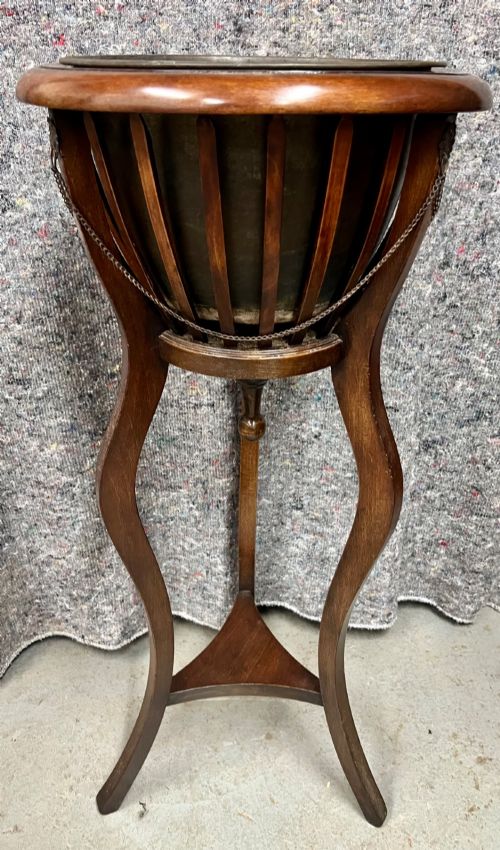
Open vases accommodated fresh garden blooms, while jardinières and plant stands supported potted ferns and indoor foliage.
How do I style these in a modern home?
Position a ceramic vase as a focal point on a wooden sideboard, side table, or mantelpiece where natural light highlights the glaze. Pairing contrasting forms, such as pairing a tall baluster vessel with a low posy vase, creates visual balance.
Allow the hand-painted floral patterns to dictate the surrounding colour palette by drawing out accent tones from the glaze.
How do I identify different ceramic materials?
Porcelain presents a fine, translucent body that allows light to pass through thinly potted sections, whereas earthenware remains opaque and porous. Stoneware offers a heavier, completely vitrified weight with a dense structure.
Surface textures further distinguish the pieces, from smooth enamel glazes to raised slip decorations and metallic overlays.