

Large Porcelain Urn
A large porcelain urn commands attention in a room, offering both sculptural presence and intricate hand-painted detail from centuries past.
Large Porcelain Urn
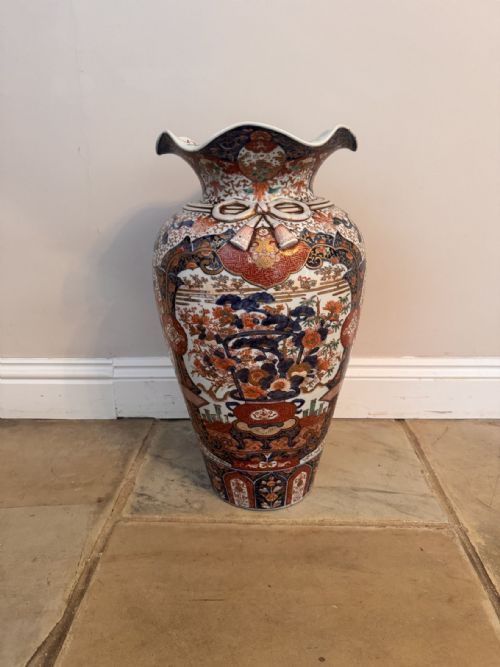
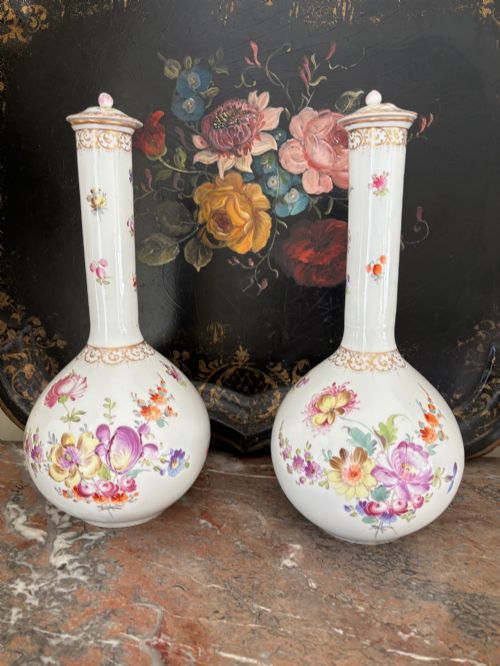
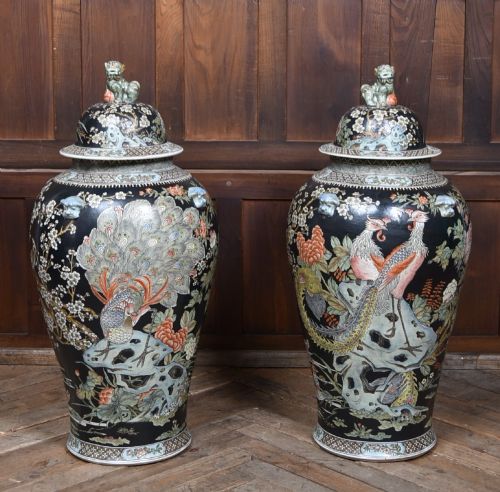
A large porcelain urn functions primarily as a decorative focal point, often taking the form of a heavily ornamented vessel, lidded jar, or monumental floor vase. When searching for a large porcelain urn, a buyer encounters pieces originating from nineteenth-century European factories and East Asian export kilns alike.
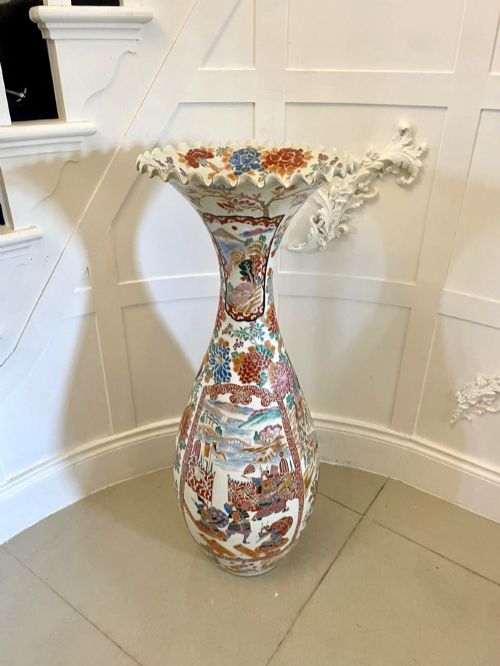
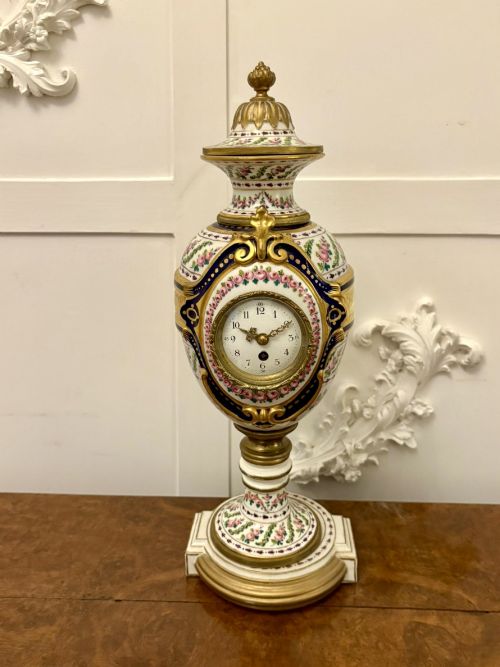
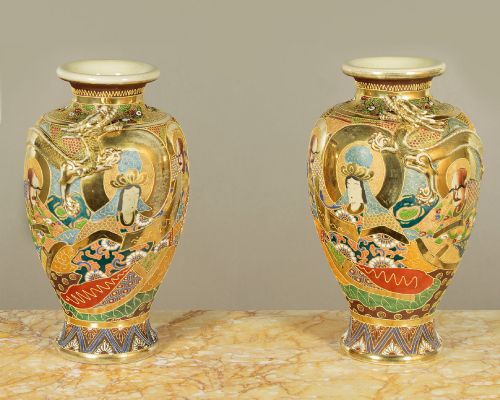
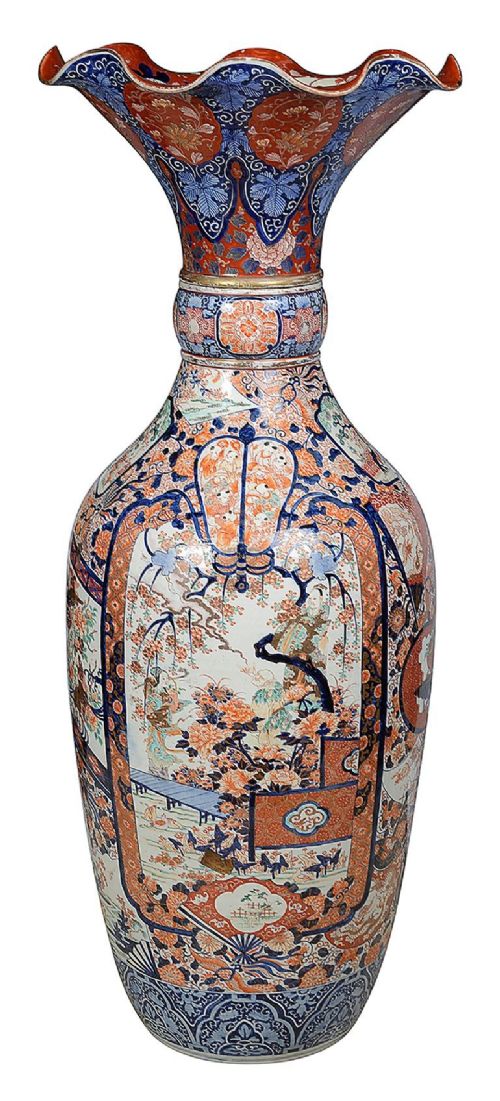
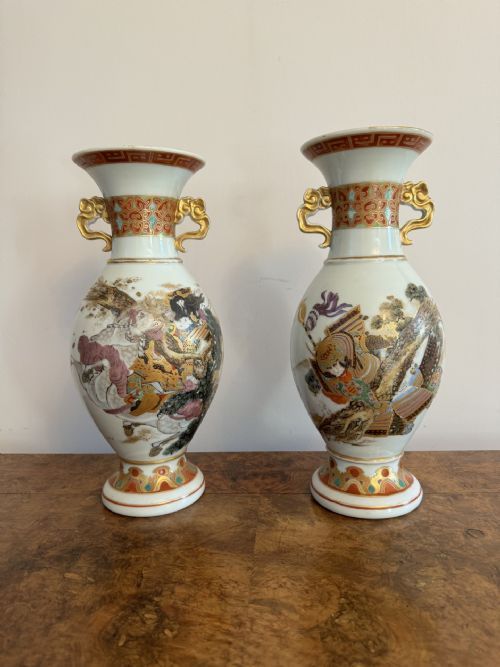
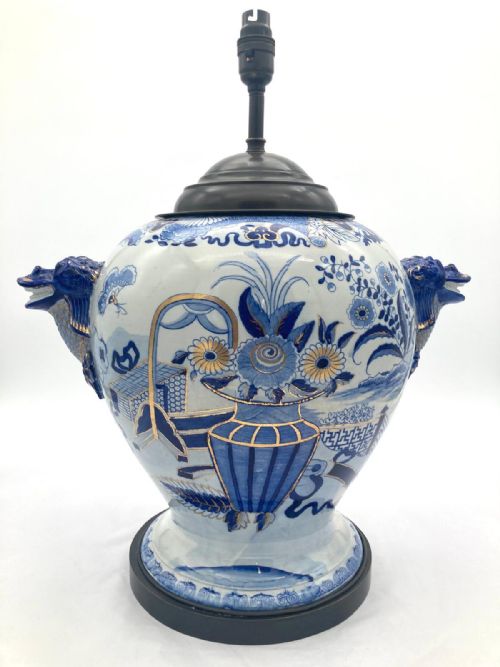
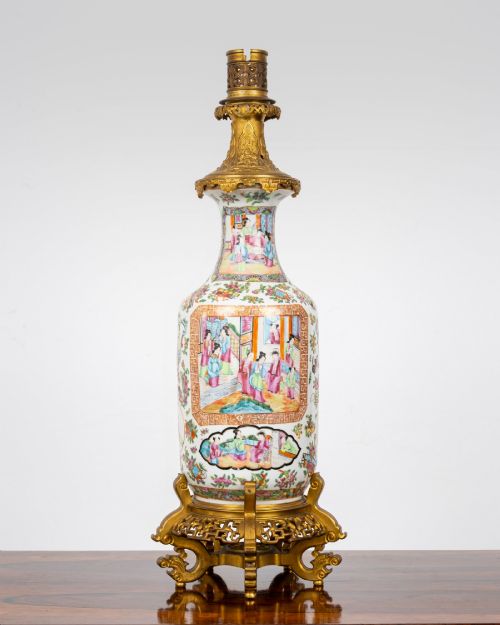
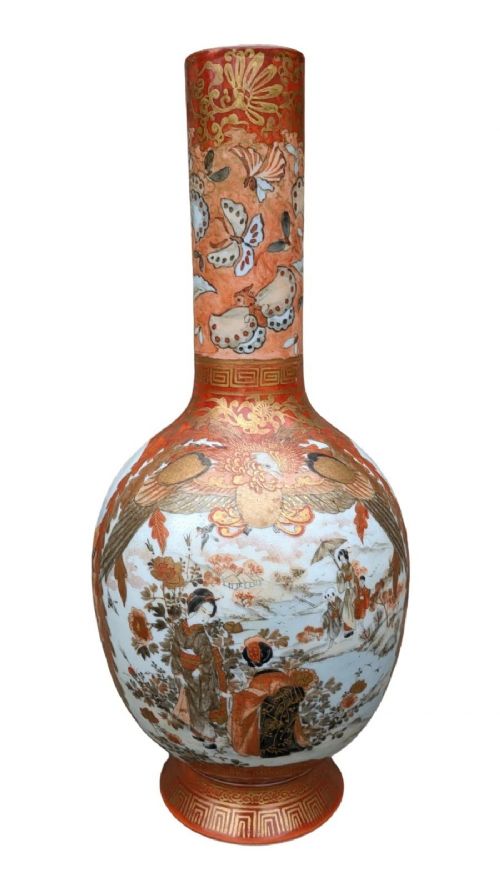
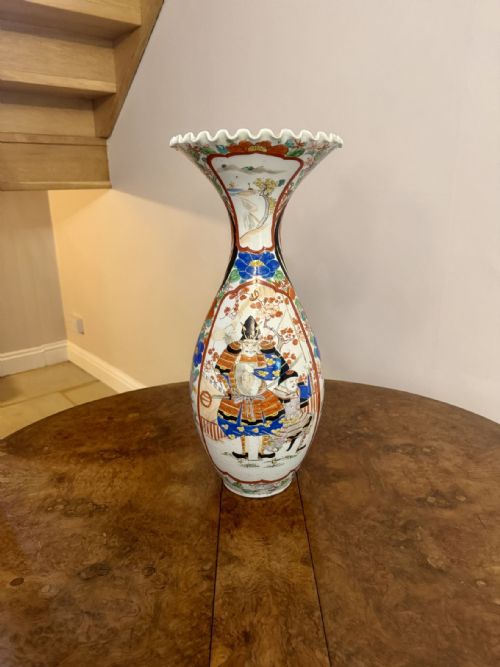
The selections span distinct cultural aesthetics, ranging from vibrant Japanese Imari and Satsuma wares to European interpretations in the Rococo Revival style and French porcelain mounted in gilt bronze. Many examples double as functional items, having been adapted historically into table lamps or integrated into mantel clocks.
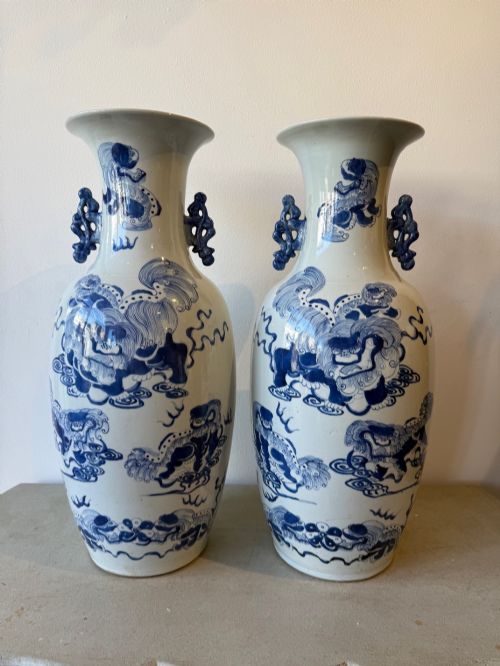
These grand vessels were originally commissioned for stately rooms, and contemporary interiors utilise them in much the same way to anchor a hallway or reception space. The surviving specimens demonstrate considerable variation in scale, from table-standing potpourri jars to towering floor vases exceeding one metre in height.
How they were made
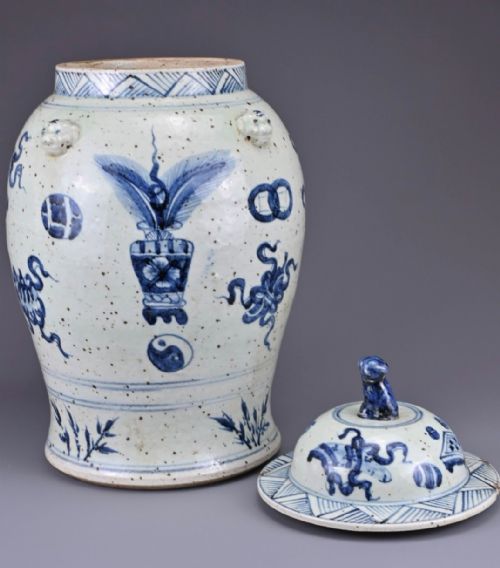
The production of these substantial vessels relies on high-fired ceramic bodies, encompassing true hard-paste porcelain, ironstone, and earthenwares that provide a stable foundation for thick glazes. Artisans applied vibrant enamels and underglaze cobalt blue before subjecting the pieces to multiple kiln firings to fuse the decoration.
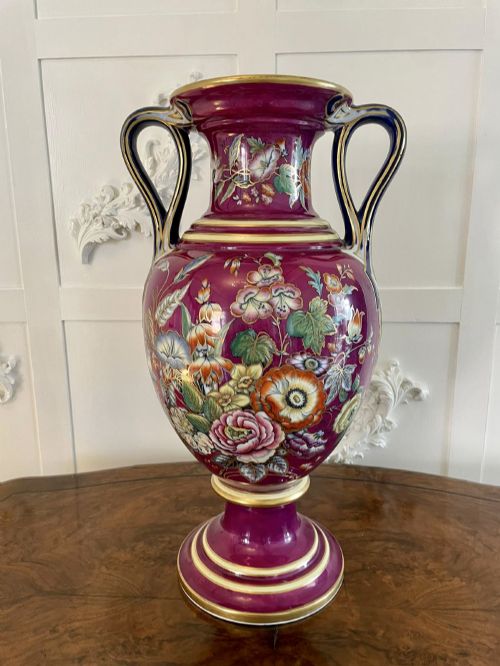
Many works incorporate applied metal elements, mounting the ceramic body in cast gilt bronze or incorporating intricate handles shaped as ram heads and twin scrolls. Detail work frequently involves meticulous hand-painting, sometimes augmented with raised gold leaf, gilding, and lacquer panels.
One towering Japanese floor vase stands nearly five feet tall, demanding its own architectural planning permission.
What varies in quality
The distinction between ordinary production and masterwork execution rests upon the precision of the brushwork and the depth of the palette. Superior pieces display crisp, highly detailed hand-painted scenes without the blurring or pooling often seen in lesser transfers.
The quality of a piece is further elevated by the integration of its mounts and hardware, where hand-chased gilt bronze demonstrates far greater artistry than standard cast fittings. Preservation of the original enamel and the crispness of moulded details such as handles and covers separate standard utility items from exhibition-grade showpieces.
Hotoda·Makuzu Kozan·Kato Sanhei·Helena Wolfson·Carl Thieme·Hicks and Meigh·Sitzendorf·Tunnicliffe
The Large Porcelain Urn Glossary
- Imari
- A style of Japanese porcelain decorated in underglaze blue, iron red, and gold. This palette was widely exported to Europe during the Edo and Meiji periods.
- Satsuma
- A type of earthenware from Japan characterised by a crackled ivory glaze and elaborate polychrome and gilt enamel decoration. These pieces frequently depict figural scenes and dense flora.
- Celadon
- A term for ceramics featuring a pale green jade-coloured glaze. The effect mimics jade and results from iron oxide reacting in a reduction kiln atmosphere.
- Gilt Bronze
- Copper alloy cast and finished with a layer of gold leaf or mercury gilding. It frequently serves as decorative mounts for French porcelain urns and clocks.
- Baluster
- An architectural shape featuring a rounded body that tapers towards a narrow neck and base. This form is common in large urns and vases.
Large Porcelain Urn: Frequently Asked Questions
How do I date a large porcelain urn?
Dating relies on examining the glaze consistency, base marks, and the stylistic cues of the hand-painted decoration. Nineteenth-century examples often exhibit specific factory stamps or distinct regional painting characteristics.
Changes in kiln technology and trade history also help narrow the decade of production. Comparing the piece to documented examples from periods like the Meiji era or the Victorian epoch provides further chronological certainty.
Were these urns used outdoors?
These vessels were created almost exclusively for interior display in grand reception rooms, halls, and parlours. Their delicate enamels and gilt highlights were not designed to withstand weathering.
Large jardinières and planters from the same eras did accommodate flora indoors, but delicate porcelain urns remained protected within domestic or institutional settings.
How should I clean a painted porcelain surface?
Dusting with a soft, dry ostrich feather brush removes everyday particles without risking the delicate overglaze enamels. Water and mild soap should be used sparingly and only when necessary on uncompromised glaze.
Harsh chemical cleaners and abrasive cloths must be avoided entirely, as they permanently strip gold leaf and enamel details. Gilt bronze mounts require separate, cautious maintenance away from the ceramic body.