


Large Asian Urn
A large asian urn brings substantial presence to a room through scale and intricate ornament.
Large Asian Urn
A large asian urn encompasses substantial vessels produced in ceramic, porcelain, earthenware, and metal, spanning periods from the late nineteenth century into the twentieth century. These pieces include floor vases, garden planters, temple vessels, ginger jars, and table lamps originating from Japanese and Chinese workshops.
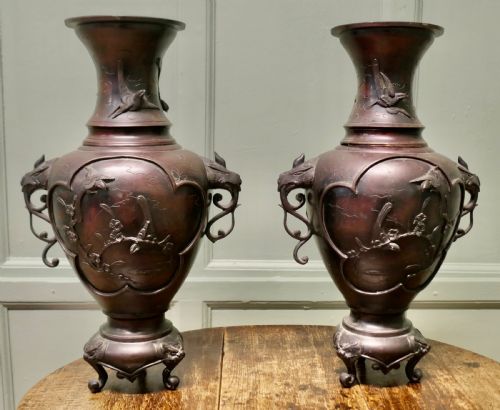
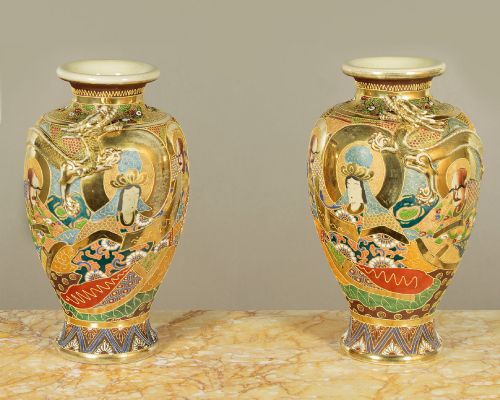
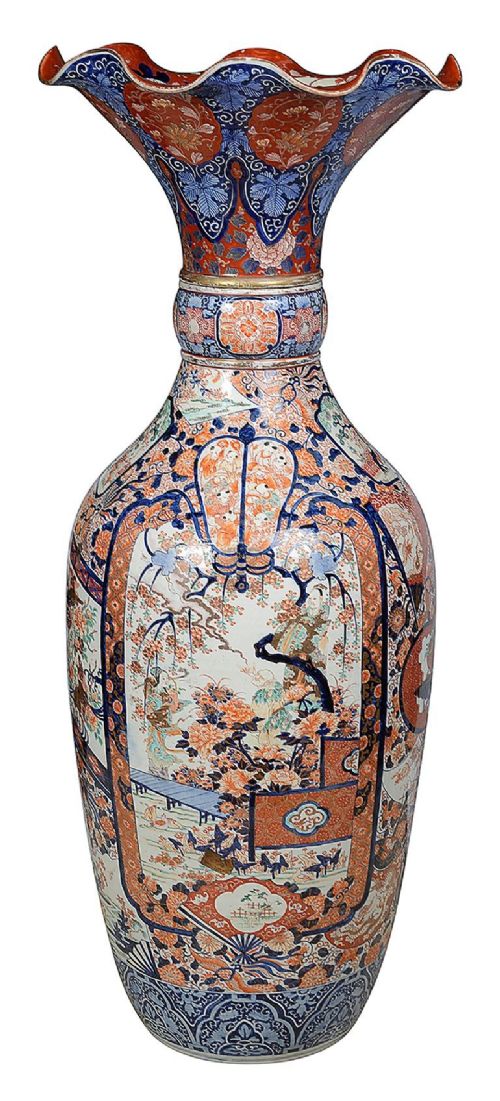
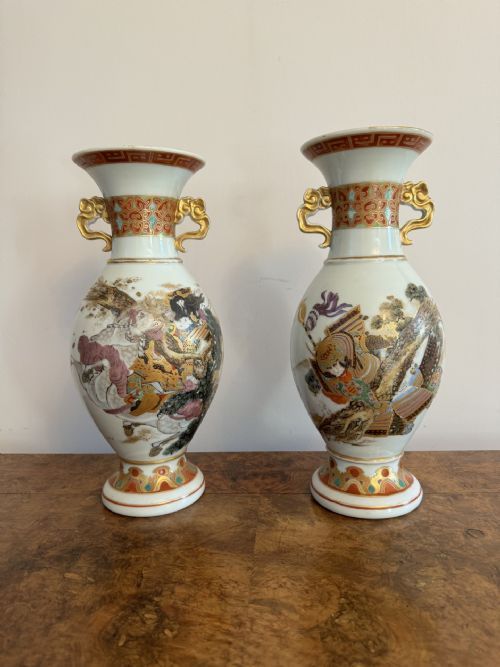
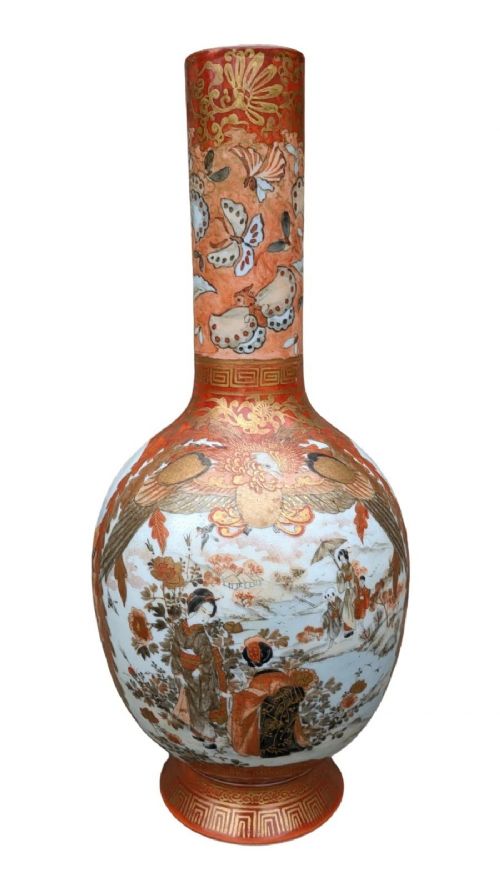
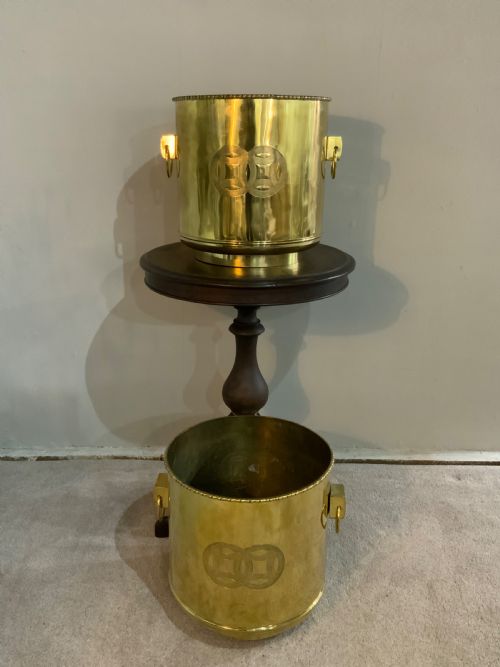
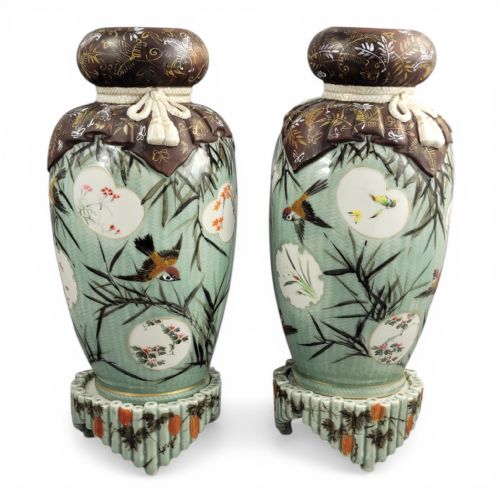
The selections available here range from Satsuma and Imari ceramics to heavy bronze and brass jardiniers. Buyers frequently encounter Meiji period Japanese works and Qing dynasty Chinese examples defined by high-relief detailing and painted glazes.
How They Were Made
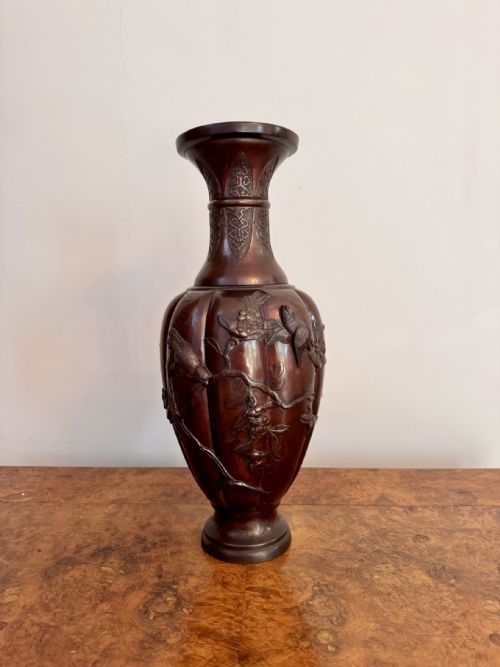
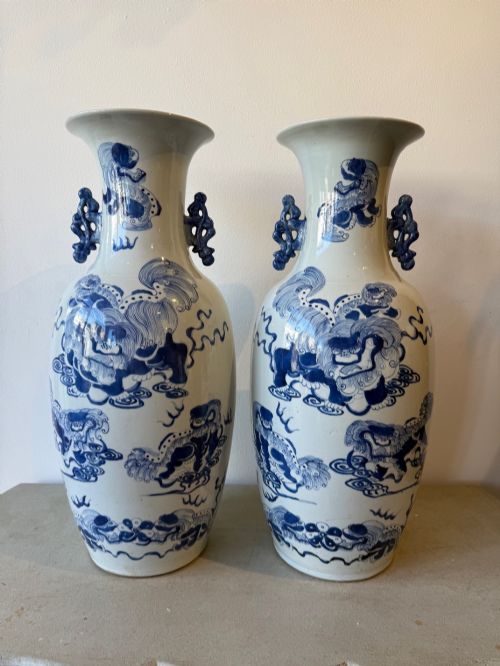
Ceramic and porcelain forms were shaped by hand or wheel before receiving underglaze blue, polychrome enamel, or moriage decoration, then fired in high-temperature kilns. Metal vessels utilised bronze or copper-alloy casting techniques, often finished with patination, engraving, or applied gold leaf.
Cloisonne enamel pieces required metal wire soldered to a metal base to form cells, which were filled with enamel paste and fired repeatedly before polishing.
The inventory records pieces from the Edo period, Meiji period, Qing dynasty, and twentieth-century production.
What Varies in Quality
The distinction between standard production and masterwork pieces rests upon the precision of the modelling and the complexity of the surface decoration. Painted scenes executed with fine brushwork, detailed facial expressions, and dense figural groups demonstrate superior hand-painted skill compared to repetitive stencilled motifs.
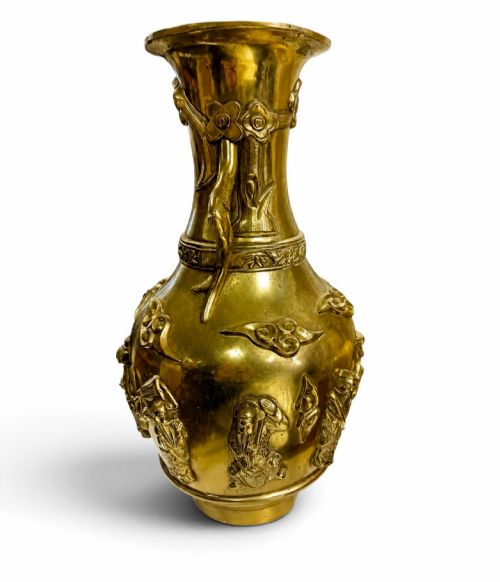
Metal castings show variance in the crispness of relief work, such as twin-dragon bases or high-relief Daoist immortals, where sharp undercuts and heavy, stable weight indicate high-grade foundry production.
Hotoda·Makuzu Kozan·Kato Sanhei·Seiko-en Chokei·Hattori
The Large Asian Urn Glossary
- Satsuma
- A type of Japanese earthenware featuring a pale, ivory-coloured cracked glaze decorated with enamels and gilt. It gained significant international popularity during the Meiji period.
- Imari
- A traditional style of Japanese porcelain characterised by a palette of underglaze blue, iron red, and gold. These wares were extensively produced for export from the Arita region.
- Moriage
- A decorative ceramic technique where slip is piped onto the surface in dots or lines to create raised patterns. This adds tangible texture beneath the glaze and enamel.
- Cloisonne
- A metalworking method where thin wires are soldered onto a vessel body to partition areas filled with coloured enamel. The entire surface is subsequently ground smooth and polished.
- Baluster
- A vertical architectural form featuring a rounded, swelling lower body that tapers toward a narrower neck. Many large floor vessels adopt this balanced profile.
Large Asian Urn: Frequently Asked Questions
How were large asian urns used?
These large vessels served primarily as decorative floor pieces, temple jars, or garden planters rather than functional containers. Many were produced specifically for export to Western markets during the nineteenth century to ornament grand interiors.
Over time, some monumental examples were later converted into table lamps or fitted with custom stands while retaining their original decorative impact.
How do I identify a Meiji period piece?
Meiji period items date from the reign of the Japanese emperor between eighteen sixty-eight and nineteen twelve. Look for dense, intricate motifs such as thousand arhats, dragons, or samurai scenes executed in rich Satsuma or bronze.
Signatures from recorded artists or specific workshop marks found on the base often help confirm this era of production.
Where should I place a heavy bronze urn?
Due to their substantial weight and physical presence, these heavy metal vessels anchor corners of rooms, entrance halls, or large hearths securely. Placing them on sturdy hardwood tables or direct floor settings ensures stability.
Keep them away from heavy foot traffic to protect protruding handles and high-relief surface details.
What is the difference between Satsuma and Imari?
Satsuma wares consist of earthenware with a characteristic ivory crackle glaze and detailed polychrome enamel painting often enhanced with gold leaf. They focus heavily on narrative figural scenes.
Imari wares are hard-paste porcelain utilising a distinctive palette dominated by cobalt blue, rusty red, and gold, typically featuring geometric and floral patterns.