
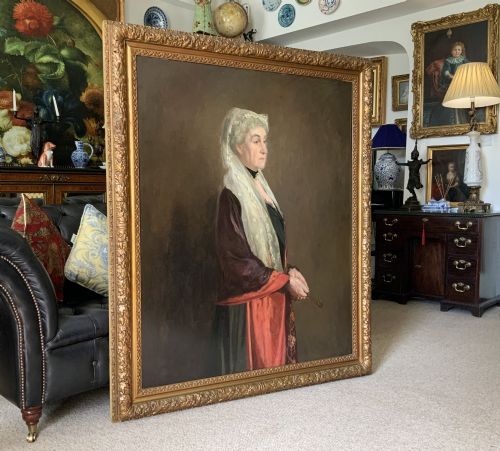
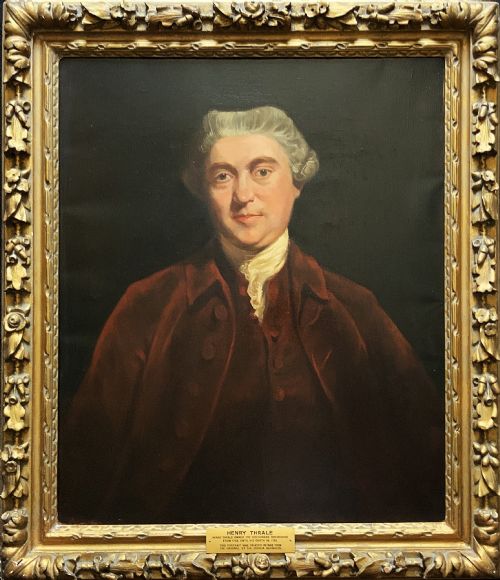
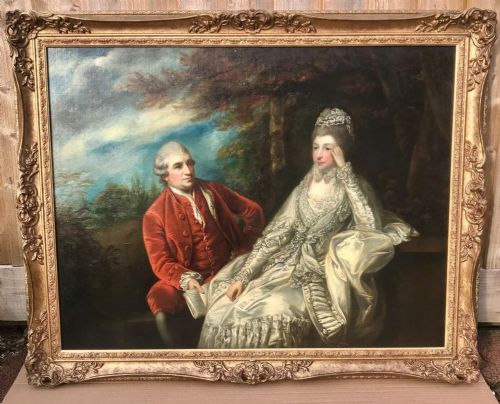
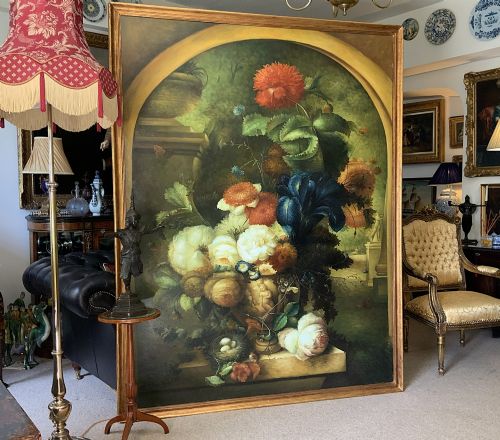

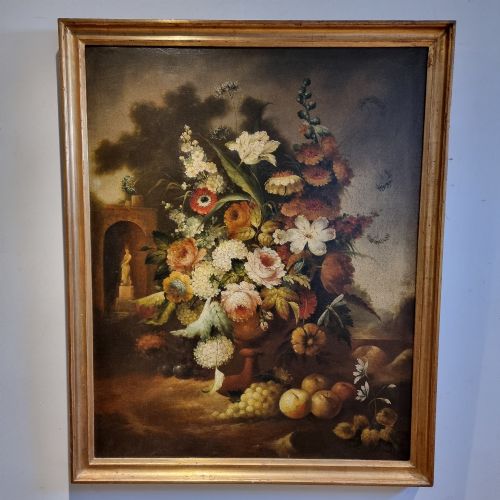
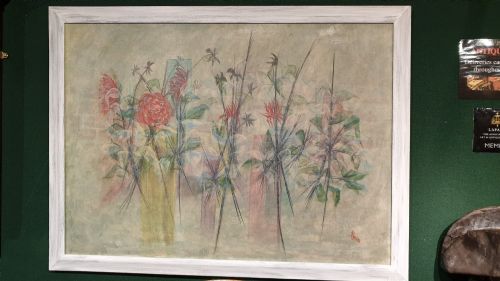

Large Framed Oil Artwork
A large framed oil artwork brings scale and presence to a room, offering rich textures and historic depth that smaller prints simply cannot match.
Large Framed Oil Artwork
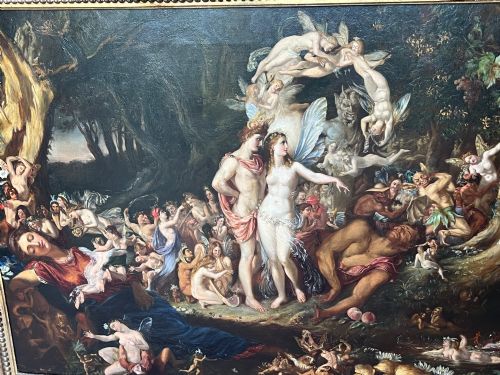
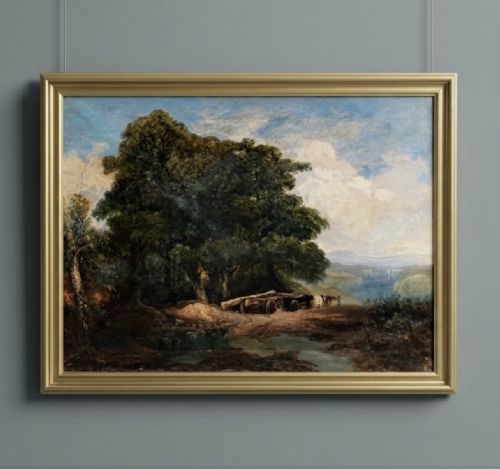
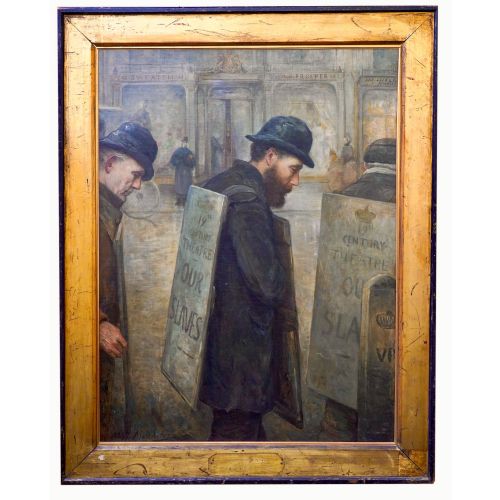
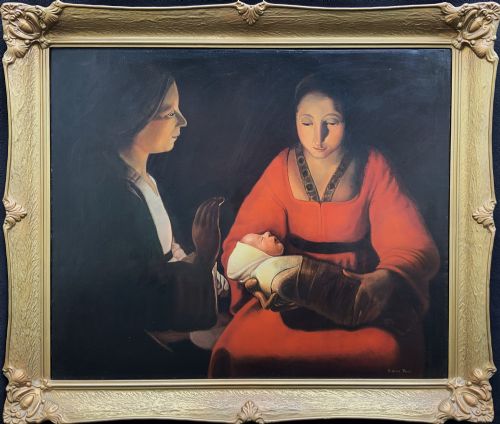
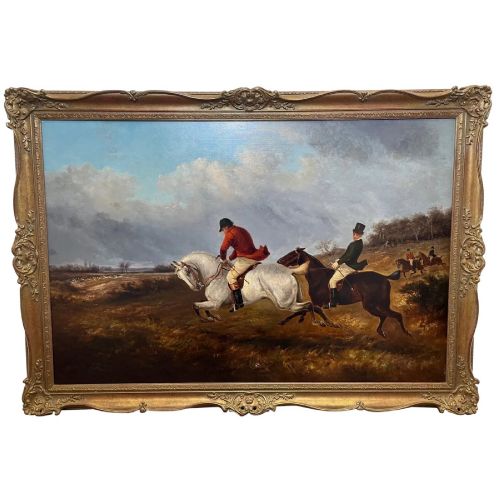
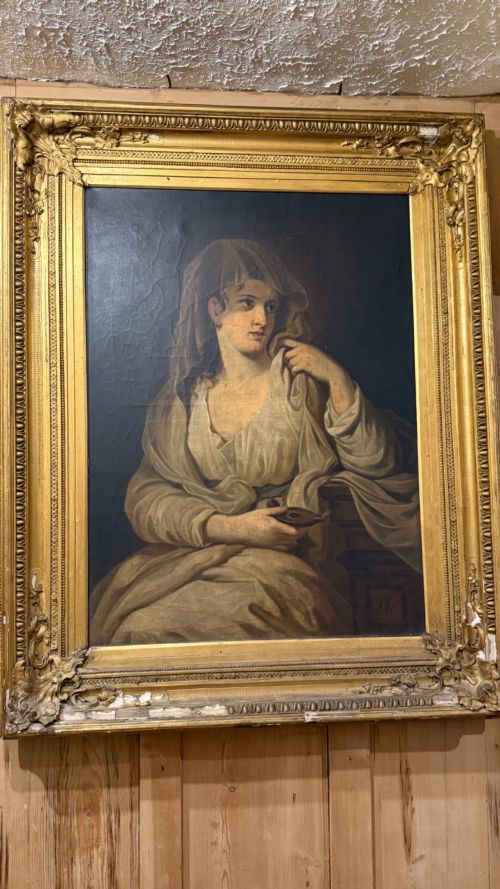
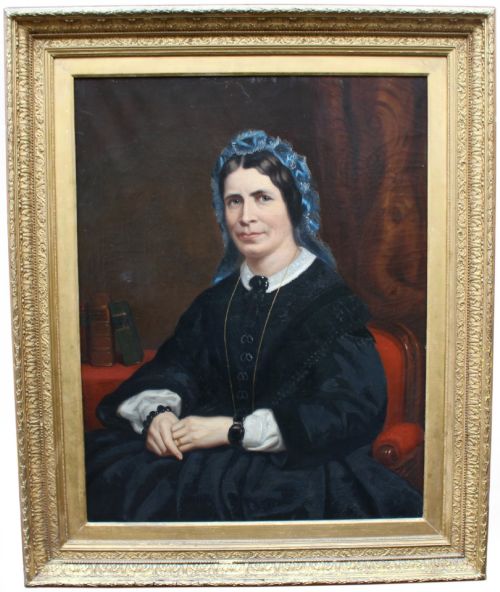
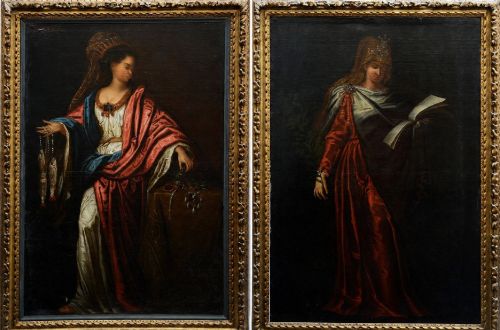
When you search for large framed oil artwork, you encounter substantial painted canvases housed in protective surrounds, ranging from robust nineteenth-century hunting scenes and grand portraits to mid-century impressionist cityscapes and floral still lifes.
The selections span multiple eras, including Georgian, Victorian, and Edwardian periods alongside twentieth-century mid-century modern and impressionist works, reflecting diverse subjects from Dutch-style florals to dramatic maritime views.
Most pieces on this page are substantial oil paintings on canvas or board, typically accompanied by heavy wooden or gilded frames that complement the grand scale of the artwork.
Materials and construction
The primary medium is oil paint applied to woven canvas stretched over wooden frames, or occasionally mounted on rigid wooden boards.
Frames are constructed from solid wood, often embellished with gilt or plaster mouldings to create ornate Victorian and Baroque revival styles.
Listings feature oil paintings on canvas and board from the eighteenth, nineteenth, and twentieth centuries, enclosed in giltwood and wooden frames.
Judging quality
Quality rests upon the skill of the brushwork, the depth of colour layering, and the anatomical or perspective accuracy within the composition.
The harmony between the canvas and its original or period-appropriate giltwood frame significantly influences the overall integrity of the piece.
Richard Sebastian Bond·Felix Stone Moscheles·Thomas Smythe·W.R. Waters·Konstantin Stoitzner·John Opie RA·James Hamilton ARSA·George Watson·Rene Levrel·Harold Knight RA·Robert Cleminson·David Orr Kerr·Erich Mercker
The Large Framed Oil Artwork Glossary
- Oil paint
- A slow-drying paint made by mixing pigments with a drying oil, commonly linseed. This medium allows for rich blending and textured impasto applications.
- Giltwood
- Wood that has been treated with a thin layer of gold leaf or gold powder. It provides the ornate, reflective borders common on traditional frames.
- Canvas
- A heavy woven fabric used as a surface for painting. Stretched tightly over wooden stretcher bars, it forms the base for most traditional oil works.
- Impasto
- A technique where paint is laid on an area of the surface in very thick layers. This method leaves visible brush or palette knife strokes that catch the light.
Large Framed Oil Artwork: Frequently Asked Questions
Can I clean the surface of an old oil painting?
Surface dust can be removed gently with a very soft, dry brush, stroking lightly across the canvas. Avoid using water, household cleaners, or damp cloths on the paint.
Professional conservation is required for deeper cleaning, as older varnish layers darken and trap soot or dirt over decades of display.
What lighting suits a framed oil painting best?
Warm, low-UV picture lights mounted above the frame highlight the oil textures without generating damaging heat. Natural daylight is ideal, provided direct sunbeams do not strike the canvas.
Positioning the artwork away from intense south-facing windows prevents the oil pigments and varnishes from fading or yellowing prematurely.
How do I date a large oil painting?
The construction of the wooden stretcher bars, the weave of the canvas, and the style of the frame offer primary clues to the era of creation. Handwritten inscriptions or artist signatures on the reverse provide further verification.
Stylistic conventions in clothing, hair, and landscape rendering also help narrow down whether a piece belongs to the Victorian, Georgian, or later twentieth-century periods.