



Scottish Impressionist Landscape
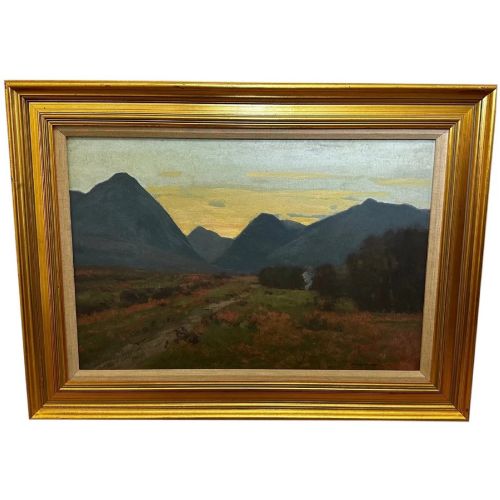
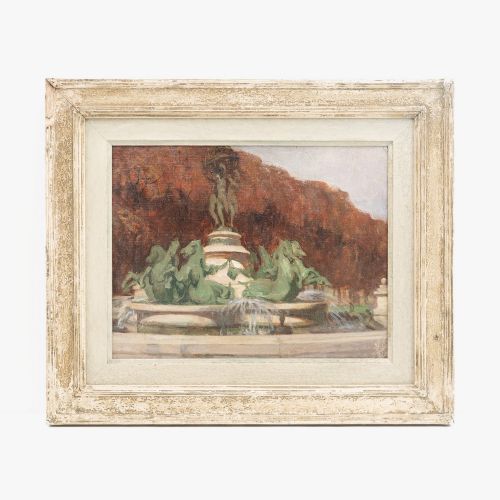
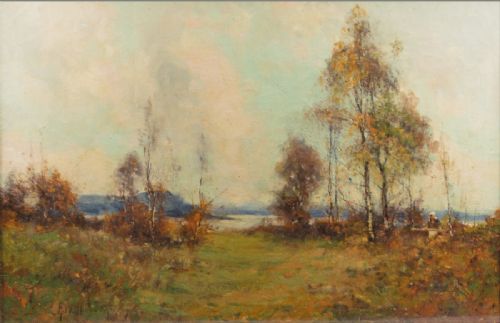
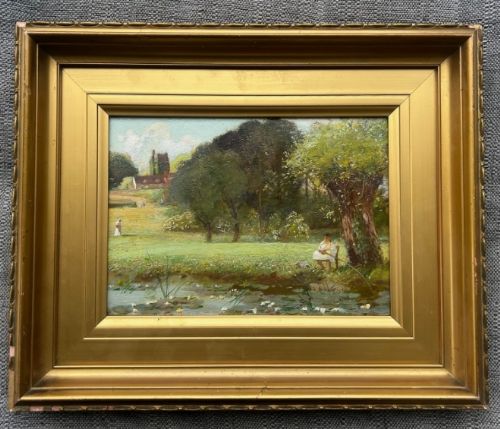
When you search for scottish impressionist landscape, you are looking at oil paintings and watercolours that capture northern light and rugged terrain through broken brushwork.
Scottish Impressionist Landscape
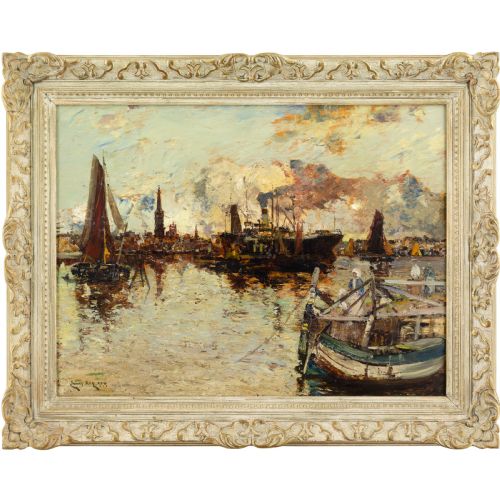
A scottish impressionist landscape brings together the plein air traditions of the late nineteenth and mid twentieth centuries, recording rural vistas, coastal harbours and highland rivers.
The most common examples on this page are oil paintings on canvas or board, alongside occasional watercolours produced across the Victorian era, the Edwardian period and the mid-century decades.
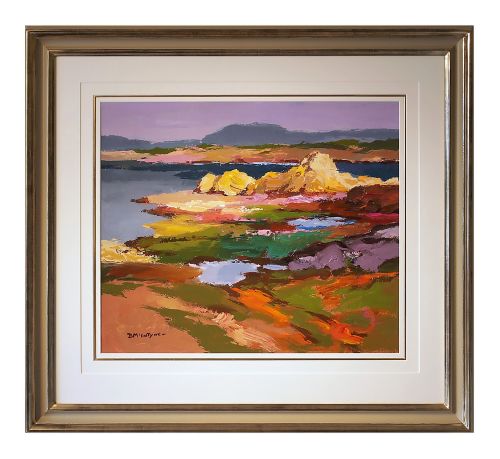
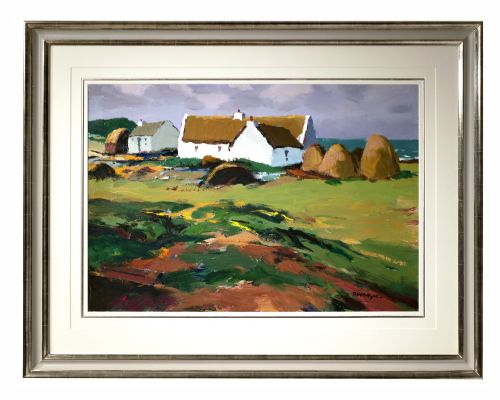
These works capture specific regions from Arran to the Hebrides, translating familiar Scottish topography through a continental impressionist lens.
Materials and methods
Artists painted primarily in oil on stretched canvas, wooden panels or thick board, applying pigment with loaded brushes or palette knives to build rich impasto textures.
Watercolour on paper appears alongside the oils, offering a more fluid approach to atmospheric effects, while original gilt wood frames often complete the pieces.
Scottish Impressionist Landscape Retail Price Guide 2026
Typical asking prices for scottish impressionist landscape among the pieces listed under this phrase on Sellingantiques today, from the lower quarter to the upper quarter. They describe what is for sale here now, not the wider market.
Friesian cows and golf courses occasionally share the Scottish horizon with stormy seas and silent woods.
Distinctions in execution
Quality rests on the confidence of the brushwork and the artist's command of light, where sure handling creates a genuine sense of weather and atmosphere.
Works that integrate the texture of the paint surface with the structural composition stand apart from more pedestrian topographical records.
George Houston·James Kay·Donald McIntyre·Alexander Jamieson·Alexander Wellwood Rattray·Archibald Kay·Sir David Murray·Thomas Bromley Blacklock·William Grant Murray·Robert Russell MacNee·William Miller Frazer·James Torrington Bell·Owen Bowen·Hirst Walker·Robert Macaulay Stevenson·Robert McGregor·Emily M Paterson·George Smith·Josephine Haswell Miller·George Melvin Rennie·Alastair Flatterly·James G Faulds·Allan Douglass Mainds·George Neil·Helen Donald Smith
The Scottish Impressionist Landscape Glossary
- Impasto
- Paint applied thickly to a canvas or board, leaving visible brush or palette knife marks that catch the light. This technique adds tactile dimension to skies and water.
- Plein air
- Painting outdoors in natural light to capture the shifting conditions of a landscape directly. Artists working this way prioritised speed and spontaneity.
- Board
- A rigid wooden or composition support used instead of stretched canvas. It provides a firm surface favoured by many twentieth-century painters.
- Gilt wood
- Timber frames covered in a thin layer of gold leaf or metallic gilt finish. These frames frequently accompany period oil paintings.
Scottish Impressionist Landscape: Frequently Asked Questions
How do I identify a Scottish impressionist landscape?
Look for loose, expressive brushwork applied to rural or coastal subjects in Scotland, often dating from the late nineteenth century through to the mid-twentieth century.
The palette typically relies on earthy tones, muted greens and stormy blues that reflect northern atmospheric conditions rather than bright continental sunlight.
What is the difference between oil on canvas and oil on board?
Canvas requires stretching over a wooden frame and offers a slightly springy surface with woven textures visible beneath the paint.
Board provides a completely rigid, flat support that artists often utilised for smaller, rapid sketches executed directly outdoors.
How should I frame and display these paintings?
Many of these works retain their period gilt wood frames, which complement the tonal range of the oil paint and anchor the composition.
Keep them away from direct sunlight and fluctuating humidity to protect both the wooden support and the pigment layer over time.
Are watercolours common in this genre?
While oil paintings form the majority of the selection, watercolour works on paper also appear, offering a lighter medium for capturing weather and coastal light.
These pieces usually require protective glass framing to prevent moisture damage to the paper.