





Pastoral Landscape Canvas
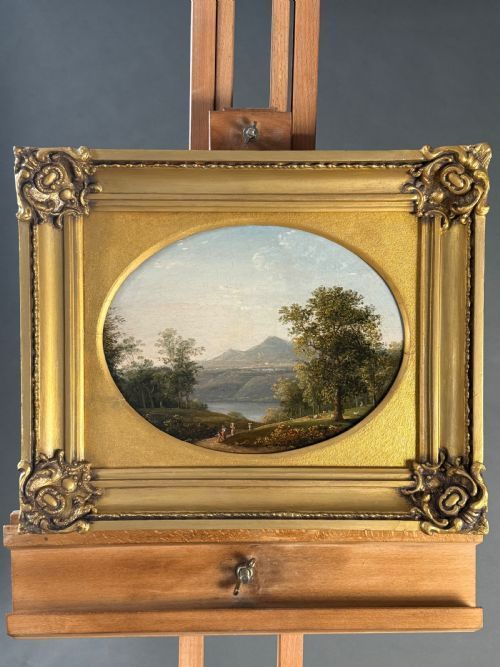
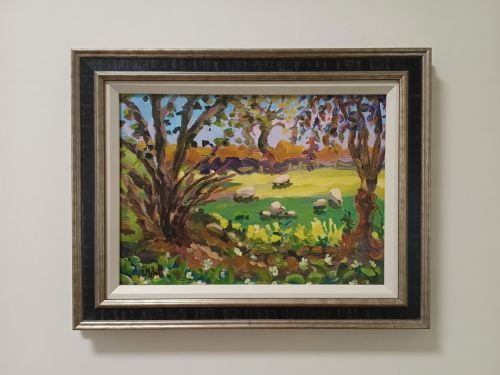
A pastoral landscape canvas brings the quiet rhythms of the countryside, grazing herds, and rustic figures directly into an interior.
Pastoral Landscape Canvas
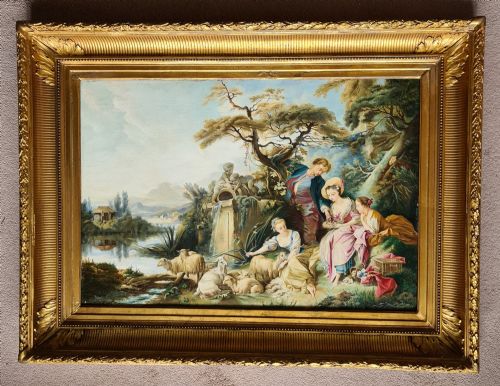
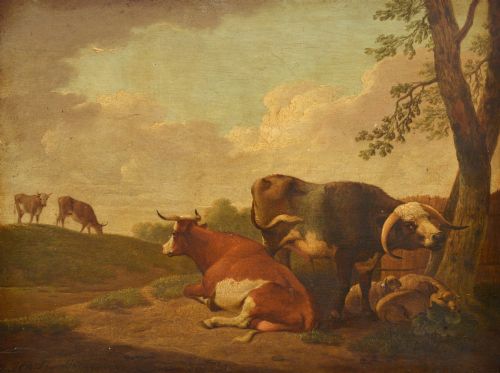
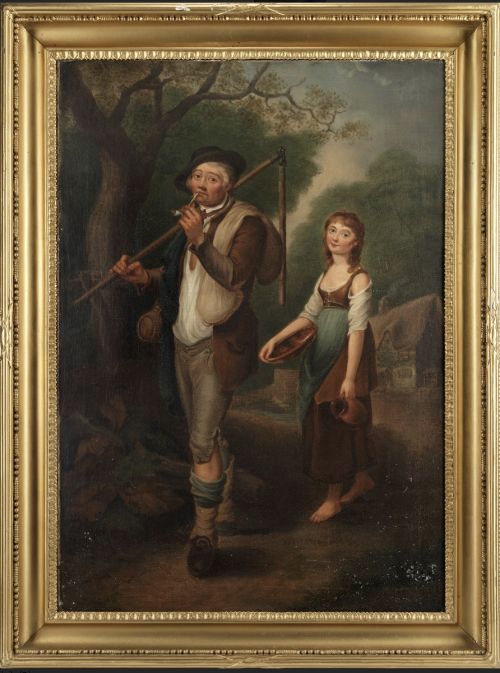
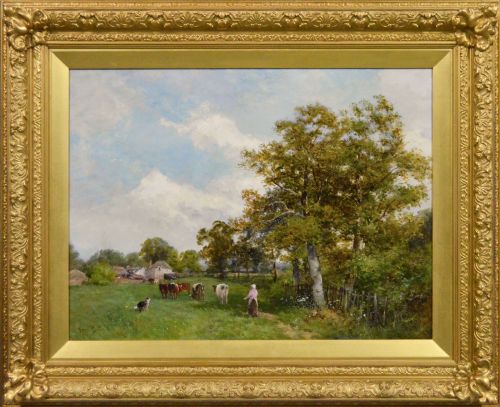
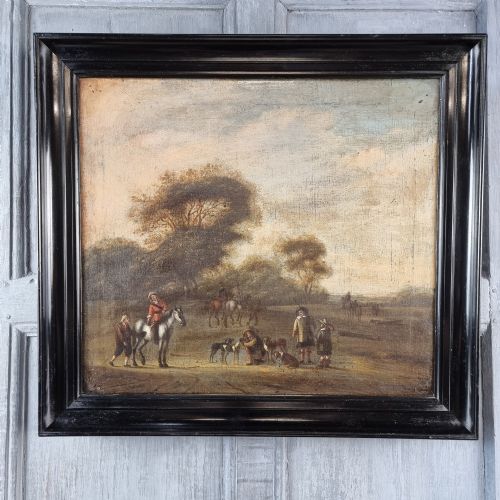
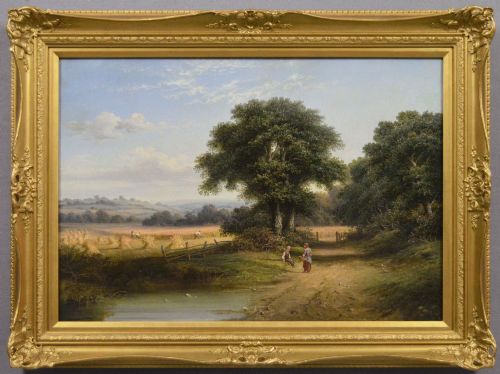
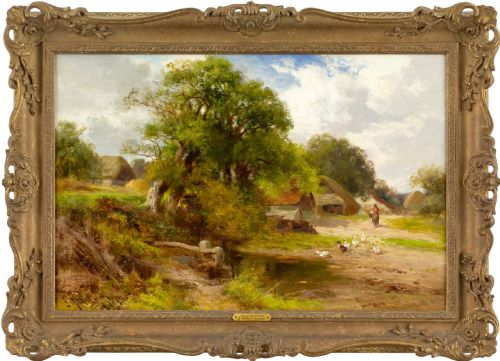
A pastoral landscape canvas depicts rural scenes filled with cattle, sheep, shepherds, and agricultural labourers going about daily tasks in quiet countryside settings. These works frequently draw from British and European artistic traditions, capturing the tranquil atmosphere of farms, riversides, and harvest fields. When searching this phrase, a buyer encounters traditional oil paintings produced across several centuries, from seventeenth-century Italianate scenes to Victorian and Edwardian depictions of the countryside.
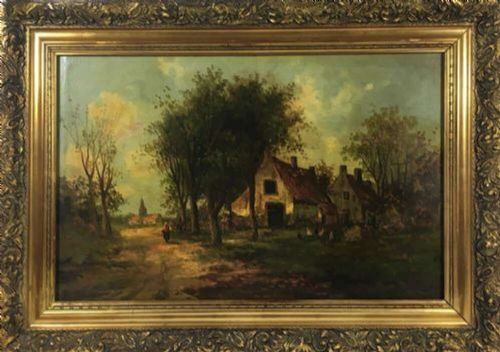
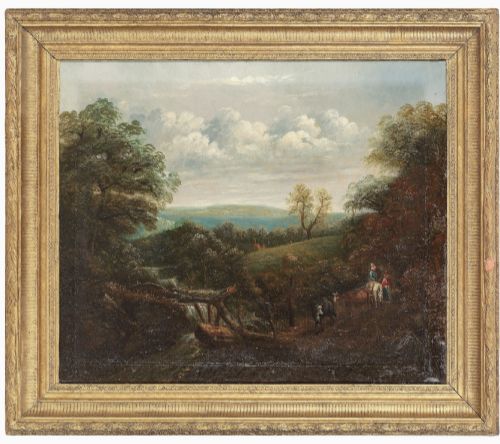
The nineteenth century yields a high proportion of the works found on this page, reflecting a strong Victorian appetite for rustic tranquility and realism. Canvas supports dominate the selection, often housed within their original gesso and giltwood frames that complete the period aesthetic. Common subjects include sheep resting by rivers, cattle in woodland clearances, and figures near harvest fields.
Regional British schools and continental European traditions both feature strongly among the available pieces, ranging from Barbizon-influenced woodland views to Scottish highland scenes. Works signed by named nineteenth-century painters sit alongside pieces from anonymous British and European schools spanning the seventeenth to the early twentieth centuries.
How They Were Made
These artworks are executed primarily in oil paint applied to woven canvas supports, which were stretched over wooden frames to provide a stable surface for the pigments. Artists built up their compositions using layered oil colours, sometimes revealing pentimento where earlier brushstrokes show through the final surface layers. The physical construction relies on traditional stretched canvas secured to timber stretchers, occasionally accompanied by gesso preparation layers beneath the paint.
Frames play an integral part in the physical composition, constructed from carved wood decorated with moulded gesso and finished in gilt or gold leaf. These frames range from simple nineteenth-century mouldings to ornate Victorian giltwood designs that protect the edges of the canvas and complement the warm tones of the pastoral scenes.
Common subjects in the archive and current listings include herds of cattle, flocks of sheep, and figures resting near harvest fields.
What Varies in Quality
Quality in a pastoral landscape canvas rests upon the artist's handling of light, atmospheric depth, and the naturalistic rendering of figures and animals. Superior examples demonstrate confident brushwork and anatomical precision in cattle and sheep, whereas lesser pieces display stiff figures and repetitive foliage patterns.
The integrity of the canvas and the preservation of the original oil paint layer dictate the overall standard of a surviving painting. Works that retain their original giltwood gesso frames without extensive modern intervention command greater interest among collectors seeking period authenticity.
Eugène Verboeckhoven·William H Myers·John Horace Hooper·Hendrik Willem Schweickhardt·Thomas Barker of Bath·David Bates·Walter Heath Williams·Jacob Philipp Hackert·Lucy Pratt·Thomas Sidney Cooper·Richard Redgrave·Ernest Higgins Rigg·Robert Watson·Albert Rieger·William Watson Jnr·Douglas Cameron·Johann Friedrich Voltz·Henry H Parker·Henry Schouten·John Emms·A M Gauci·Owen Bowen·T Smythe·Bertha Rhodes Carrick
The Pastoral Landscape Canvas Glossary
- Gesso
- A traditional white paint mixture consisting of a binder mixed with chalk, gypsum, or pigment, used to prepare wood and canvas surfaces before oil painting.
- Pentimento
- An alteration in a painting, evidenced by previous strokes or shapes that have been painted over, revealing the artist's changing composition during the creative process.
- Barbizon School
- A nineteenth-century French art movement dedicated to realism in landscape painting, emphasising rural subject matter, loose brushwork, and direct observation of nature.
- Grand Tour
- A traditional trip through Europe undertaken by upper-class Europeans during the eighteenth and nineteenth centuries, often resulting in the acquisition of regional landscape paintings.
- Giltwood
- Wood that has been decorated with a thin layer of gold leaf or gold paint, frequently used for ornate nineteenth-century picture frames.
Pastoral Landscape Canvas: Frequently Asked Questions
What defines a pastoral landscape painting?
A pastoral landscape depicts rural life, featuring agricultural workers, shepherds, and grazing animals such as cattle and sheep within a tranquil natural setting.
These artworks emphasise the peaceful coexistence of humans and nature, moving away from grand historical narratives in favour of everyday rustic scenery.
How can I tell a nineteenth-century canvas from a later copy?
Nineteenth-century canvases display characteristic signs of age in the canvas weave, the composition of the oil paint, and the oxidation of underlying gesso layers.
Examining the stretcher frames, edge wear, and framing materials often provides further evidence regarding the age of the physical object.
Where were these landscape scenes typically painted?
Artists painted these scenes across Britain and continental Europe, recording specific rural regions in England, Scotland, Italy, and France.
Many painters worked directly out of doors to capture natural light before completing their canvases within studio settings.
How do I care for an antique oil painting on canvas?
An antique oil painting requires a stable indoor environment away from direct sunlight, excessive humidity, and sudden temperature fluctuations that affect the wood and canvas.
Professional conservators should handle cleaning or repairs to prevent damage to the delicate oil layers and historic frame.