
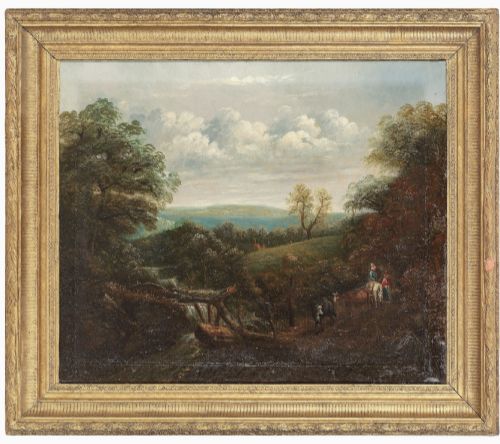
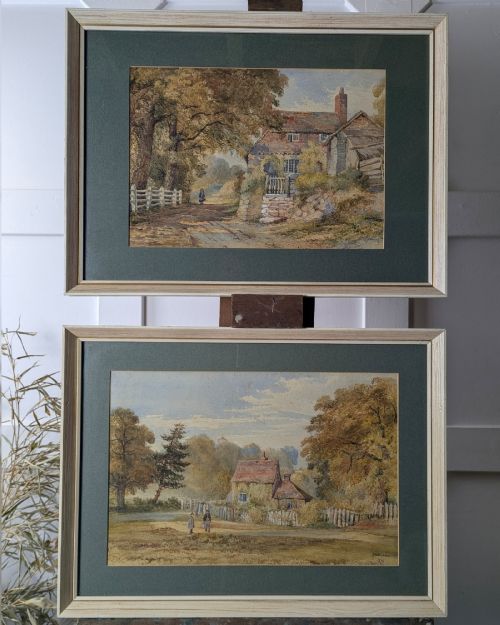
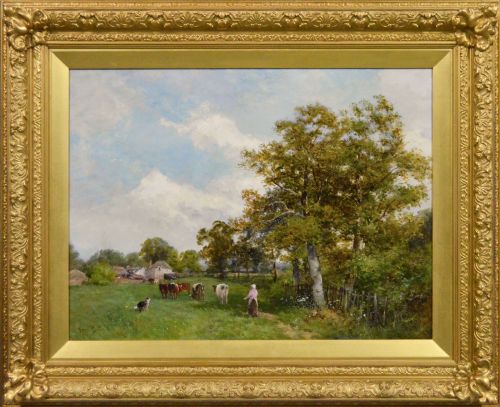
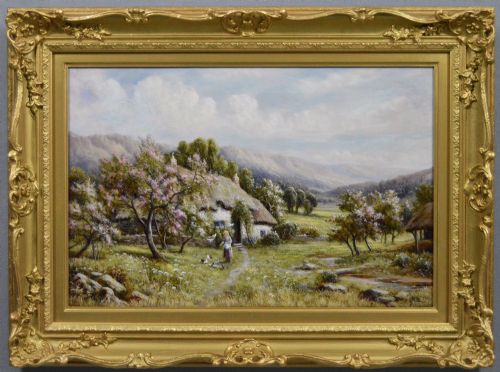
Antique Rural Landscape Artwork
These antique rural landscape artwork pieces capture traditional country scenes and pastoral views across various periods and styles.
Antique Rural Landscape Artwork
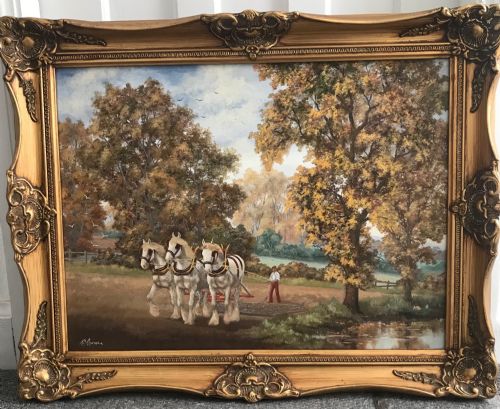
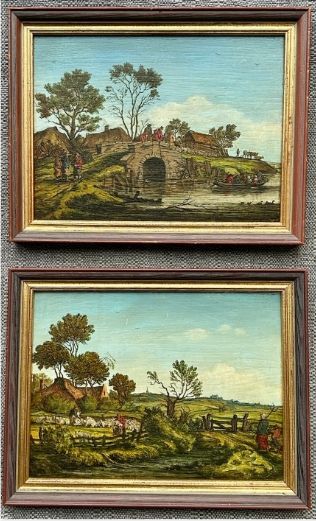
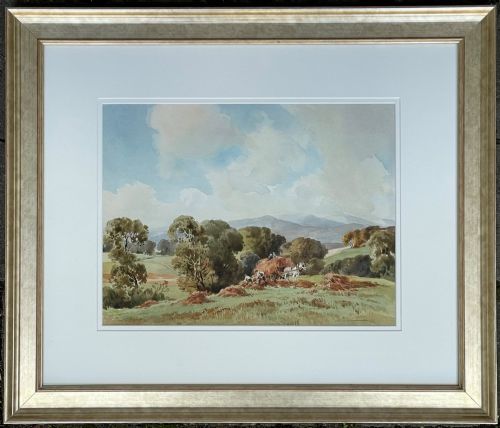
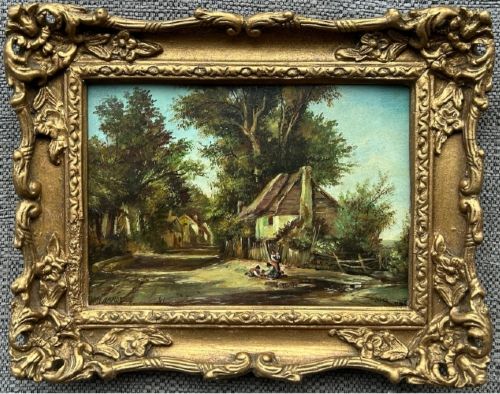
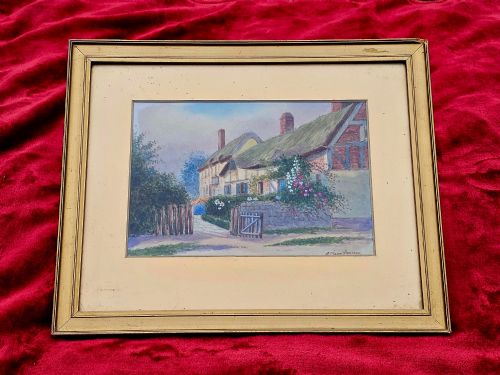
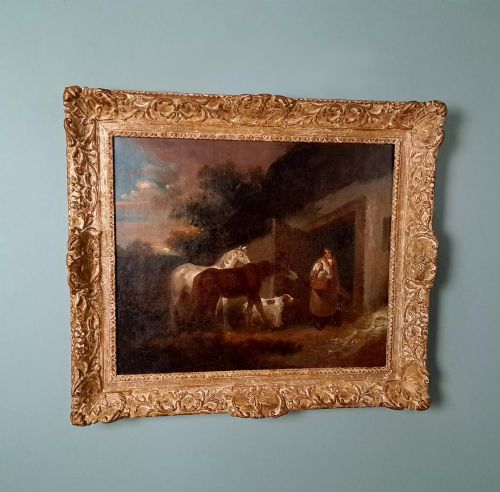
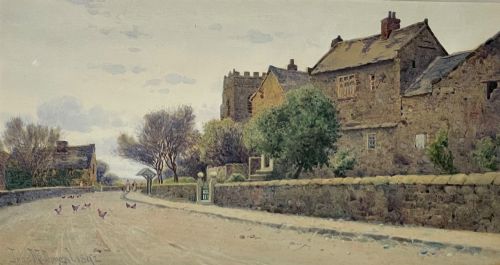
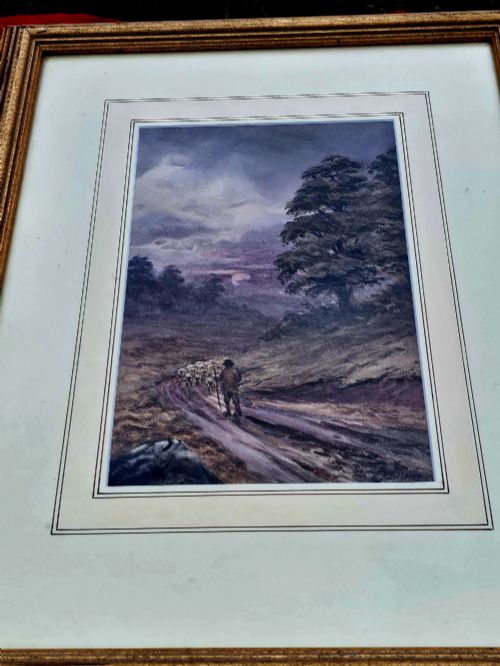
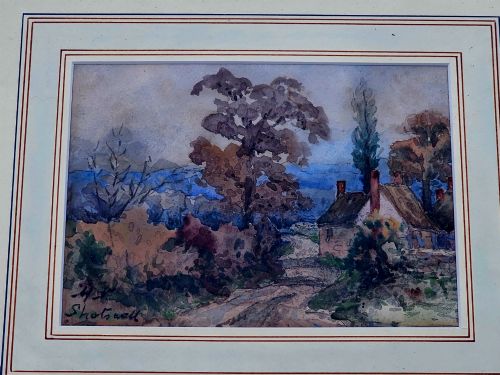
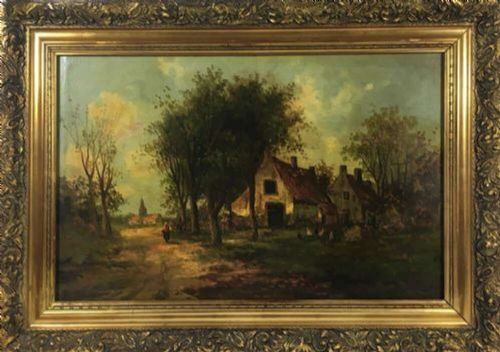
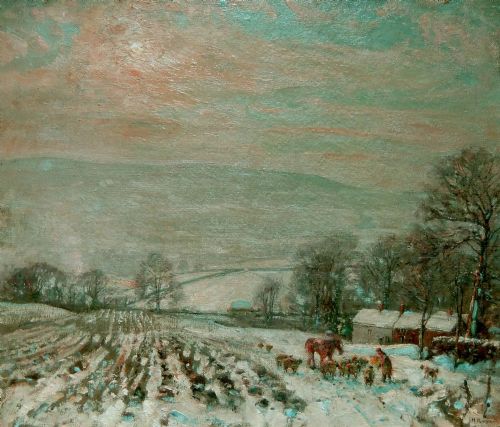
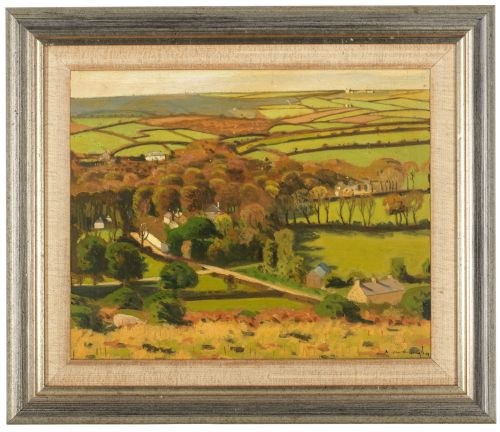
When you search for antique rural landscape artwork, you encounter framed paintings and watercolours depicting country paths, cottages, farms, and agricultural labour. These pieces record the changing British and European countryside throughout the nineteenth and early twentieth centuries.
The versions most commonly met on this page span the Victorian and Edwardian eras, executed in oil on canvas, wood panel, or card, alongside delicate watercolours on paper. Subjects frequently feature agricultural workers, herdsmen, livestock, and rural villages observed through realist, impressionist, or pastoral lenses.
How They Were Made
Artists painted these works using oil or watercolour mediums applied to prepared canvas, wooden panels, card, or heavy watercolour paper. Oil pigments delivered rich, enduring colour and texture, while watercolours offered rapid, luminous washes suited to open-air sketching.
Many works retain their original gilt wood frames, protecting the delicate paper or canvas surfaces behind glass or exposed. Supports range from sturdy wood and canvas stretcher frames to smaller boards and card utilised for portable plein-air studies.
Represented artistic traditions encompass the Victorian, Edwardian, and British Impressionism styles alongside the Norwich School.
What Varies in Quality
Quality rests upon the artist's command of light, atmosphere, and naturalistic composition, separating routine decorative watercolours from masterly oil paintings. The most accomplished works demonstrate confident brushwork, subtle tonal transitions, and a convincing sense of depth within the rural setting.
The integrity of the physical medium further distinguishes the range, with well-preserved canvases and stable wood panels holding greater fidelity than compromised surfaces. Original framing and clear artist attribution likewise elevate the standing of an individual piece within the wider selection.
W Klombeck·Percy Lancaster·William Howard Hardy·A Marie Parsons·William Joseph Shayer Senior·John McDougal·EJ Letheren·Herbert Royle·Robert A Nottingham·David Bates·Robert John Hammond·Charles Houben·Walter Heath Williams·Robert W Macbeth·John Horace Hooper·Ernest Higgins Rigg·George Oyston·Frederick James Kerr·Umberto Volpato·William Greaves·Herman S Melville·George Morland·Frederick Hines·Charles Clair
The Antique Rural Landscape Artwork Glossary
- Watercolour
- A painting method where fine pigment is suspended in water-soluble binders and applied to paper. This medium allows for transparent washes and delicate effects of light and weather.
- Oil on Canvas
- Pigments bound in drying oils spread across stretched fabric. This combination provides durability and allows artists to build rich textures and deep colour.
- Wood Panel
- A rigid support base utilised for paintings before canvas gained dominance. Panels offer a smooth, stable surface for detailed brushwork.
- Pastoral
- A style or subject matter concerning the rural countryside and agricultural life. These scenes idealize or realistically document traditional farming communities and natural surroundings.
- Impressionism
- An artistic approach emphasising fleeting light effects and loose brushstrokes rather than meticulous detail. This style captures the immediate visual sensation of an outdoor landscape.
Antique Rural Landscape Artwork: Frequently Asked Questions
What periods do these artworks cover?
The selection spans from the late eighteenth century through the Victorian and Edwardian eras up to the early twentieth century.
Most pieces date specifically from the nineteenth and early decades of the twentieth century, reflecting traditional rural subjects.
What materials were used?
Artists utilised oil paint on canvas, wood panels, board, and card, alongside watercolours on paper.
Gilt wood frames frequently enclose these works to protect and present the painted surfaces.
How were these paintings displayed?
These artworks were traditionally mounted within decorative wooden frames designed to complement domestic interiors.
Framing styles typically match the period of the piece, often featuring gilded mouldings that enhance the rural subject matter.
How do I identify different schools of painting?
Listings often reference specific regional or national schools, such as the Norwich School or British Impressionism.
These designations reflect the distinct techniques, palettes, and geographic influences shared by artists working within the same movement.