
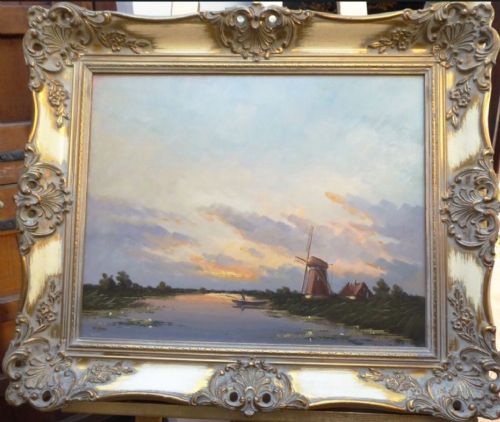
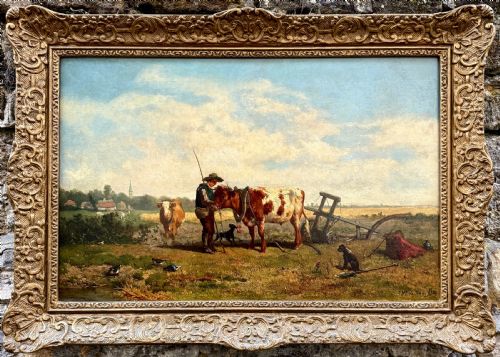


Dutch Landscape Oil Painting
Exploring a dutch landscape oil painting reveals centuries of windmills, waterways and rural life captured on canvas or wood.
Dutch Landscape Oil Painting
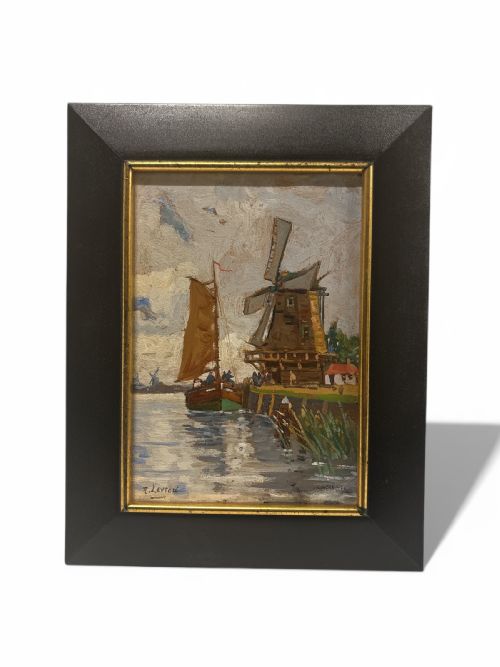
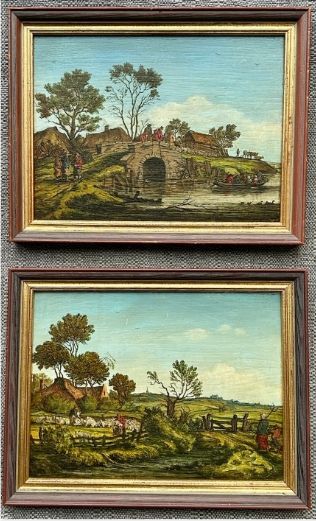
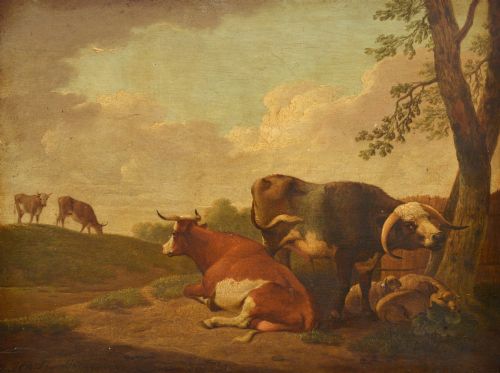
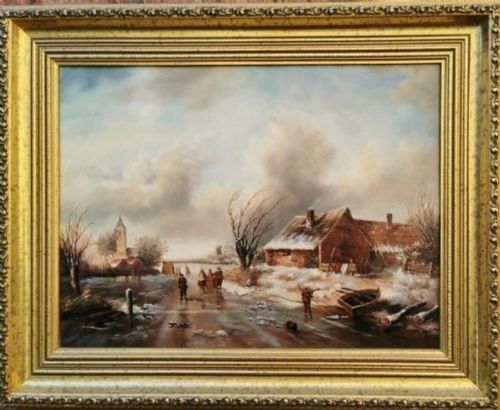
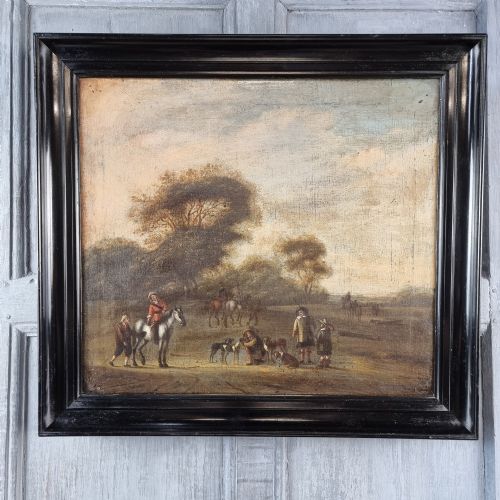
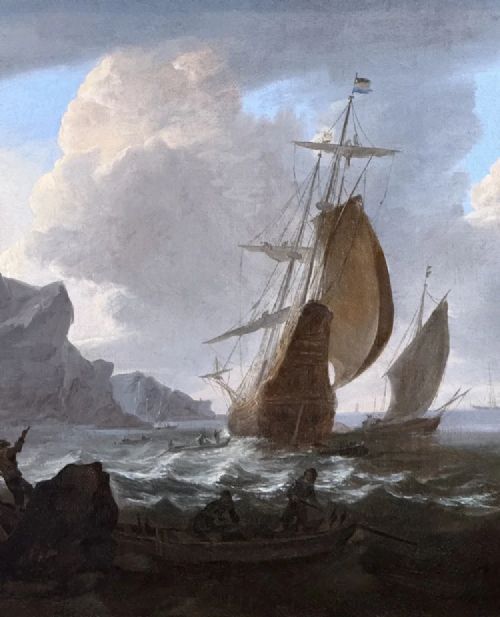
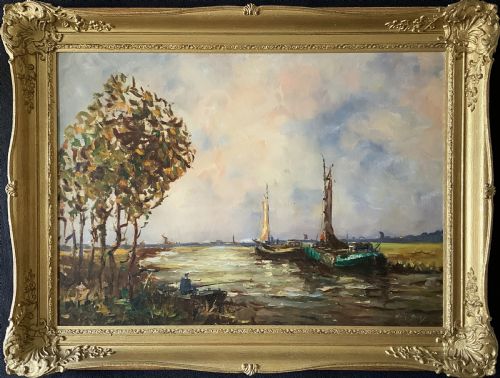
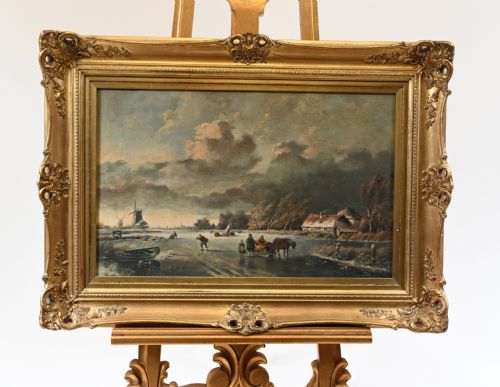
A dutch landscape oil painting captures traditional subjects such as frozen canals, windmills, coastal shipping and pastoral scenes with cattle or travellers. The selections on this page span from the seventeenth century through the nineteenth century and into mid-century interpretations.
Buyers encounter works produced by named continental artists alongside pieces attributed to the broader Dutch School. Formats vary from intimate panels suitable for small studies to large framed canvases depicting expansive horizons.
Materials and construction
Pigment suspended in oil medium is applied to prepared supports of woven canvas, wooden panels or canvas boards. Many historical examples rely on sturdy oak panels while later works employ standard woven canvas stretched across wooden frames.
Surviving works frequently retain decorative frames finished in gesso, gold leaf or giltwood. Brushwork ranges from the fine detail of earlier periods to the looser, textured strokes of nineteenth-century realism and impressionism.
Dutch Landscape Oil Painting Retail Price Guide 2026
Typical asking prices for dutch landscape oil painting among the pieces listed under this phrase on Sellingantiques today, from the lower quarter to the upper quarter. They describe what is for sale here now, not the wider market.
Listings incorporate wood, oil paint, canvas, giltwood, gesso and gold leaf across multiple centuries.
Factors of execution and preservation
Superior examples demonstrate confident handling of atmospheric light, depth and perspective, particularly in skies and flat horizons. The articulation of small figures, architecture and natural foliage distinguishes masterworks from standard decorative studio output.
Condition plays a central role, encompassing the stability of the wood or canvas support and the preservation of the original paint layer without heavy overpainting. The harmony between the artwork and its period frame also influences overall integrity.
Hendrik Willem Schweickhardt·Bonaventura Peeters·Willem Bos·Pieter Cornelis Dommersen·Cornelis Van Poelenburgh·Cornelis Christian Dommersen·James de Rijk·Jan Evert Morel
The Dutch Landscape Oil Painting Glossary
- Dutch School
- A grouping of artists sharing stylistic traditions originating in the Netherlands across various centuries. This designation connects works by both named masters and anonymous painters.
- Giltwood
- Wood carved and coated with gold leaf or metallic paint for decorative framing. This finish provides ornate borders for traditional canvases.
- Gesso
- A white paint mixture consisting of a binder mixed with chalk, gypsum or pigment. It prepares wooden panels and canvases to receive oil paint.
- Oil on Panel
- A technique where pigments are applied directly to a rigid wooden support rather than fabric. Oak panels are frequently found in earlier European works.
- Impressionism
- A style emphasising loose brushwork and the accurate depiction of light in its changing qualities. This approach appears in later nineteenth and twentieth-century interpretations.
Dutch Landscape Oil Painting: Frequently Asked Questions
How do I identify a seventeenth century painting?
Seventeenth century pieces often display specific tonal palettes, darker varnishes, and subjects rooted in the Dutch Golden Age. Examination of the wooden panel or canvas preparation can also offer clues to age.
Studying the signatures, framing methods, and provenance records helps confirm the era of creation alongside stylistic comparisons.
Where should I hang an oil painting?
Display oil paintings away from direct sunlight and fluctuating heat sources to protect the canvas and wood. Stable indoor environments prevent the paint layer from cracking.
Ensure the wall mount securely supports the weight of the piece, particularly for works housed in heavy giltwood frames.
What is the difference between canvas and panel?
Canvas provides a flexible woven textile surface that responds to atmospheric changes by expanding or contracting. Wooden panels offer a rigid, solid ground that was heavily utilised in earlier centuries.
Both supports require careful preservation of the oil paint layer resting on top of their respective grounds.
How are winter scenes different from summer landscapes?
Winter landscapes typically feature frozen waterways, muted grey or pale blue skies, and figures engaged in skating or travel. Summer scenes emphasise lush foliage, cattle grazing, and windmills operating under brighter daylight.
Palette choices shift accordingly, with winter pieces relying on stark contrasts and cool tones.