


Framed Winter Oil Painting
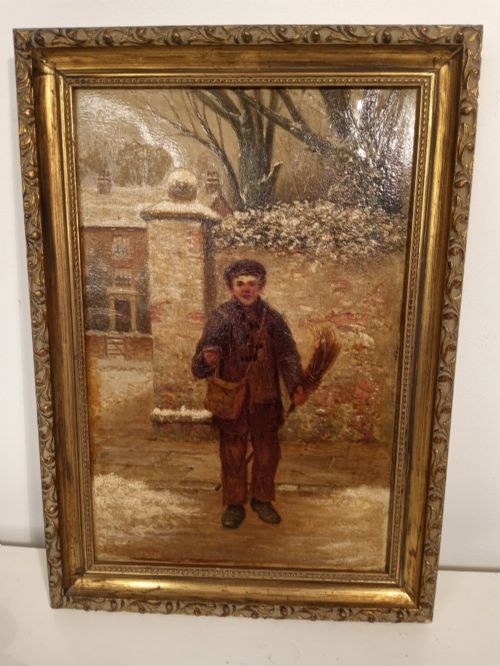
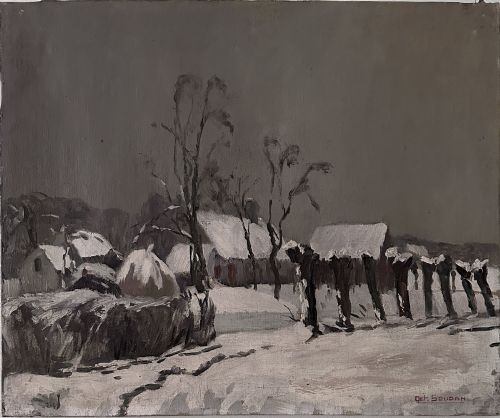
A framed winter oil painting captures the quiet chill of snow-covered landscapes and frozen lakes through layered pigment.
Framed Winter Oil Painting
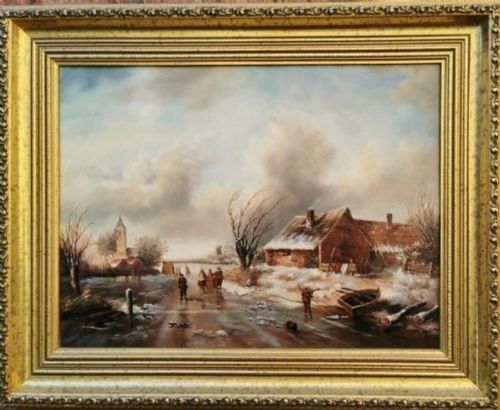
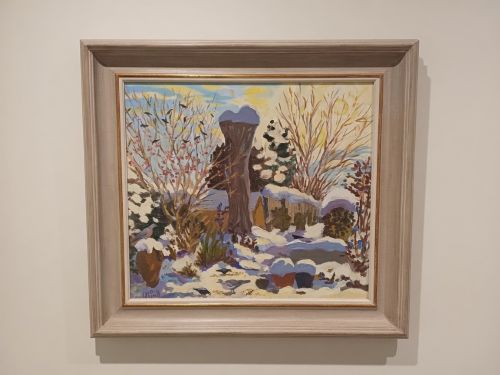
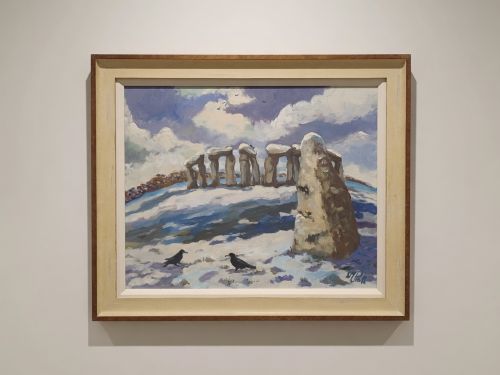
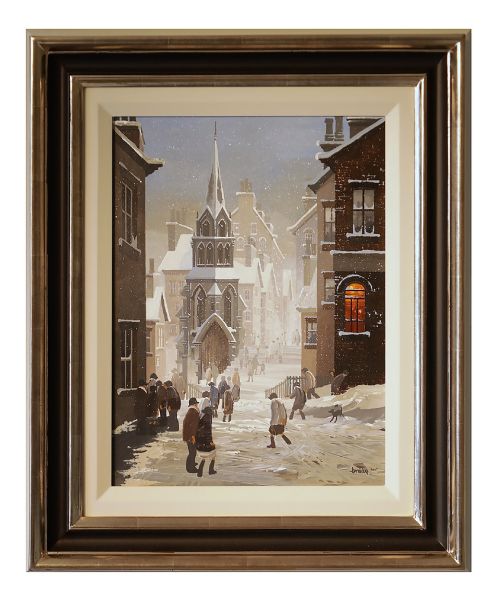
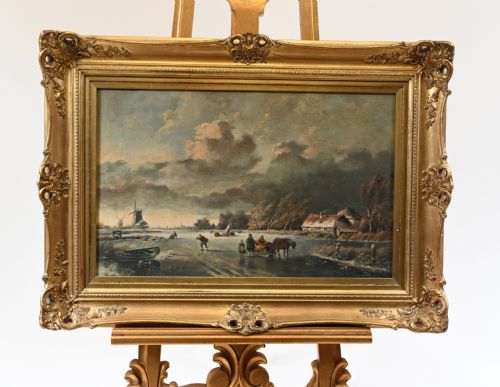
A framed winter oil painting represents seasonal scenes ranging from nineteenth-century coaching journeys in deep snow to mid-century village views and frozen Dutch waterways. These works span periods from the nineteenth century through the 1960s, capturing rural valleys, town streets, and figures skating on ice.
Buyers meet subjects executed in British Impressionism, Victorian realism, and Dutch School traditions. The physical presentations typically feature wooden frames, often accented with gilt or giltwood finishes surrounding the canvas or board support.
How they were made
Makers applied oil paint onto stretched canvas or wooden board supports, building texture through layered brushwork and impasto to render snow and frost. The medium allows pigments to retain rich depth over decades.
Surviving works are housed in wooden frames, frequently finished in gilt or giltwood to complement the tonal palette of the painted composition.
Materials recorded on this site comprise canvas, oil paint, wood, gilt, and giltwood frames.
What varies in quality
Quality rests in the handling of light across frozen surfaces and the atmospheric depth within the landscape. Superior examples demonstrate confident brushwork that defines snow and ice without relying on flat white pigment.
The integration of the frame with the painting influences the overall integrity of the piece. Period frames that suit the scale and palette of the artwork elevate the presentation.
Lucy Pratt·Brian Shields Braaq·Fannie Moody·Herbert Royle·Charles Jones·John Charles Maggs·Sydney Kendrick·Pieter Cornelis Steenhouwer·Alexis De Leeuw·Ernest Higgins Rigg·John Ritchie·William Greaves·John Richard Worsdale·Ludwig Hermann·Louis Smets·Anthonij Anton Mauve·George Augustus Williams·William Cave Day
The Framed Winter Oil Painting Glossary
- Canvas
- A heavy woven fabric stretched across a wooden stretcher frame to serve as a support for oil paint. It provides a flexible yet durable surface that accepts layered pigment.
- Impasto
- Paint applied thickly to a canvas or board, standing in relief above the surface. This technique creates physical texture, often utilised to render drifts of snow.
- Dutch School
- A historical designation for painters working in the Netherlands, known for detailed landscapes and atmospheric lighting. Many winter scenes follow these regional compositional traditions.
Framed Winter Oil Painting: Frequently Asked Questions
What periods do these paintings date from?
The selection spans from the nineteenth century through the 1960s, encompassing Victorian works, early twentieth-century British regional scenes, and mid-century interpretations.
Individual pieces reflect the stylistic movements of their respective decades, from traditional realism to impressionistic interpretations of snow.
Are the frames original to the artwork?
Many works retain wooden or giltwood frames appropriate to their era, while others have been reframed at later dates to suit contemporary interiors.
Inspect the joinery and finish of the surrounding frame to understand its relationship to the canvas.
How should I hang a framed winter oil painting?
Select a wall away from direct sunlight and fluctuating heat sources to protect both the oil pigment and the wooden frame structure.
Ensure the hanging wire and wall fixings match the weight of the framed canvas safely.
What subjects appear in these winter scenes?
Common subjects include rural Yorkshire valleys in snow, coaching stagecoaches caught in storms, figures on frozen Dutch lakes, and quiet village rooftops.
Animals also feature frequently, from Highland cattle to hunting hounds in winter landscapes.